❓ Will more cross-border digital health services build trust and improve care quality…
or create more grey areas around security & accountability?
#EHDS#DigitalHealth#HealthData
❓ If a doctor on the other side of the world could read – translated and certified – your clinical data in real time…
Would you feel reassured or vulnerable?
📝 Continuing my study of Regulation (EU) 2025/327 – #EHDS
https://t.co/R1WmZKog3j
👉 Healthcare & research professionals will be able to:
– use stronger tools for telemedicine & multicenter studies
– access translated reports & verified certificates
⚠️ But: what if an automatic translation of a clinical report leads to misinterpretation?
❓ Will this centralised complaint mechanism genuinely boost citizens’ trust in how their health data is managed… or will it risk remaining just words on paper?
#HealthData#Privacy#EHDS
👉 For healthcare and research professionals: readiness to provide clarifications and documentary evidence if a complaint concerns data they have processed.
Example: proving authorisations and legal bases in a research study.
So the real question is:
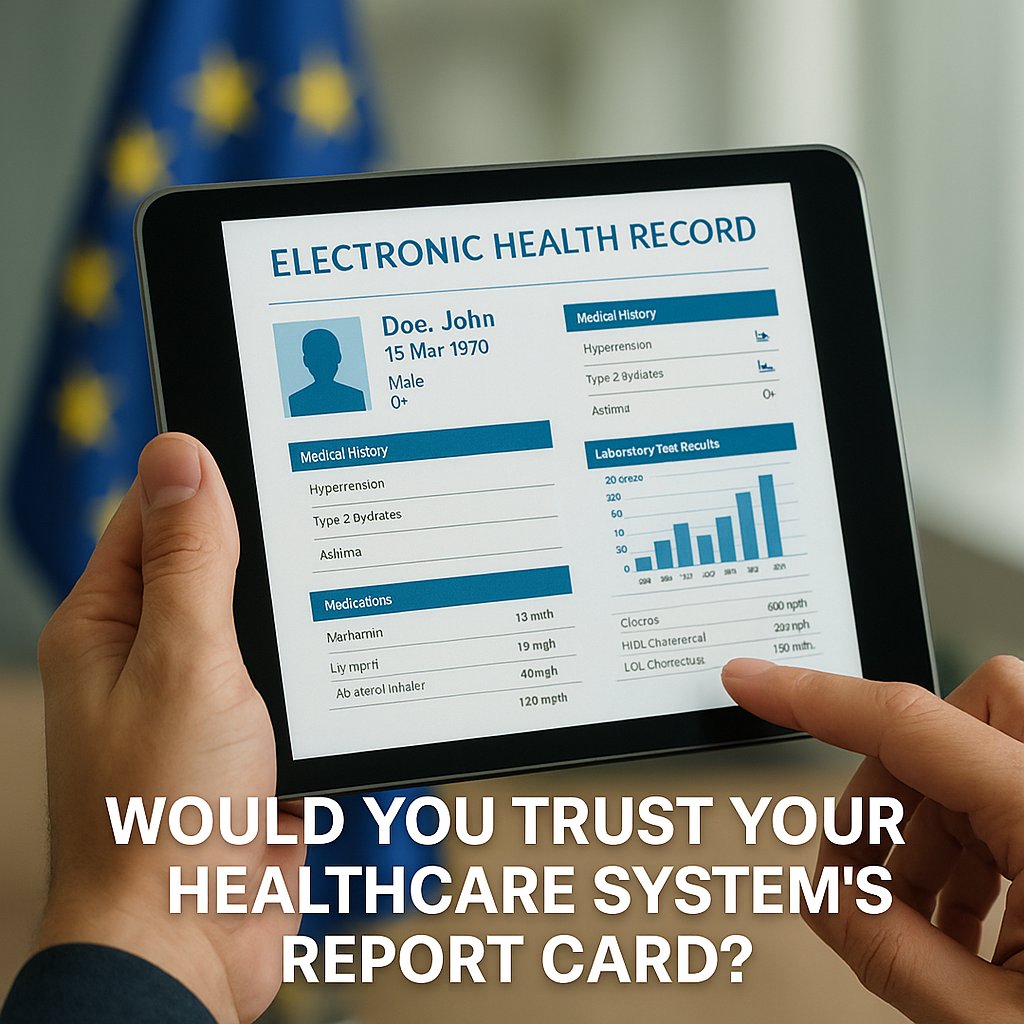
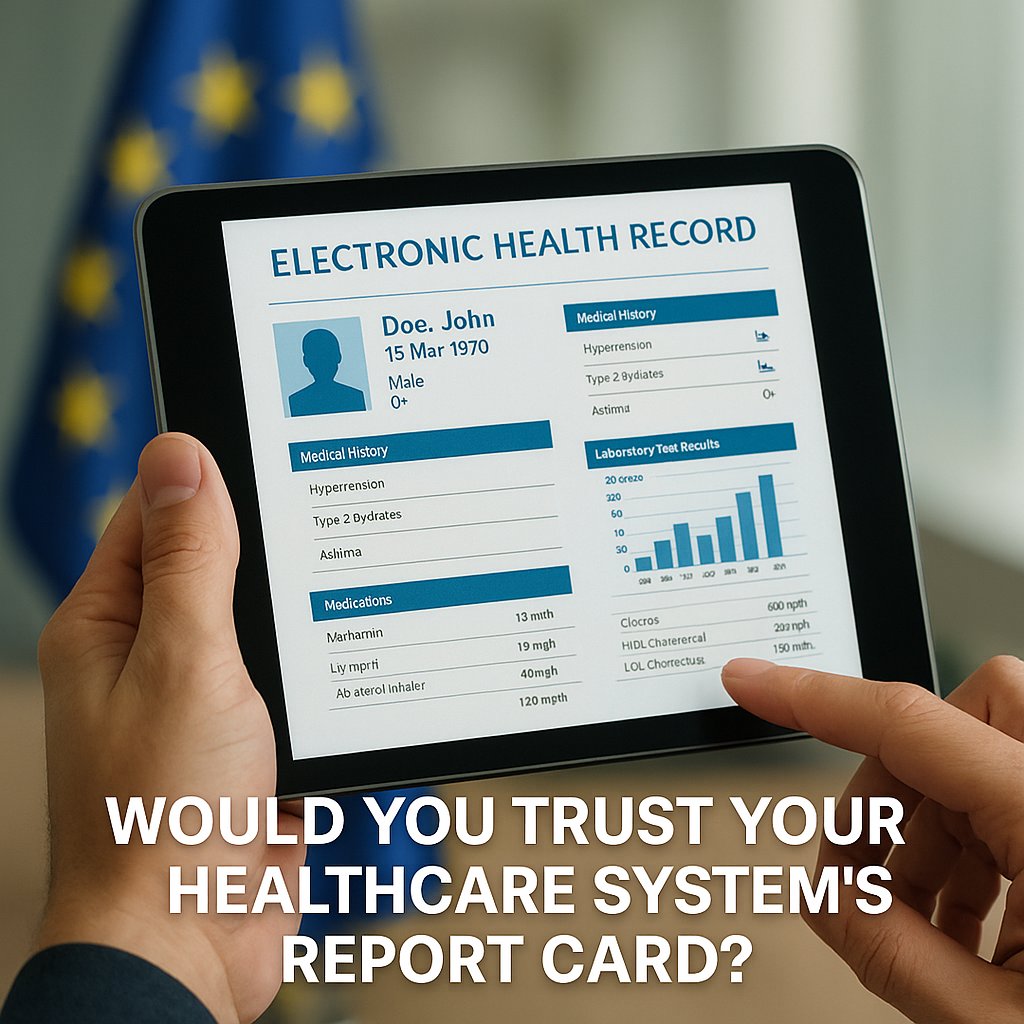
Will we just read the report…
…or use it as leverage to drive real change in healthcare data governance?
#EHDS#HealthData#Interoperability
For health & research professionals 🧪
Official indicators can boost (or damage) trust, reputation & access to EU funding.
Well-connected = more opportunities.
Lagging = exclusion from key networks.
For health systems 🏥
It’s a public performance review.
Integrate regional systems, monitor participation in real time, fix non-compliance fast — or risk losing trust and EU credibility.
For patients 🧍♀️🧍♂️
A rare chance to see — in black & white — how open & interoperable the system really is.
But remember: a “90% coverage rate” doesn’t always mean smooth, barrier-free access.
…plus:
📌 Hospitals, pharmacies & providers connected to MyHealth@EU
📌 Volumes of health data shared across borders
📌 Cases of non-compliance with mandatory rules
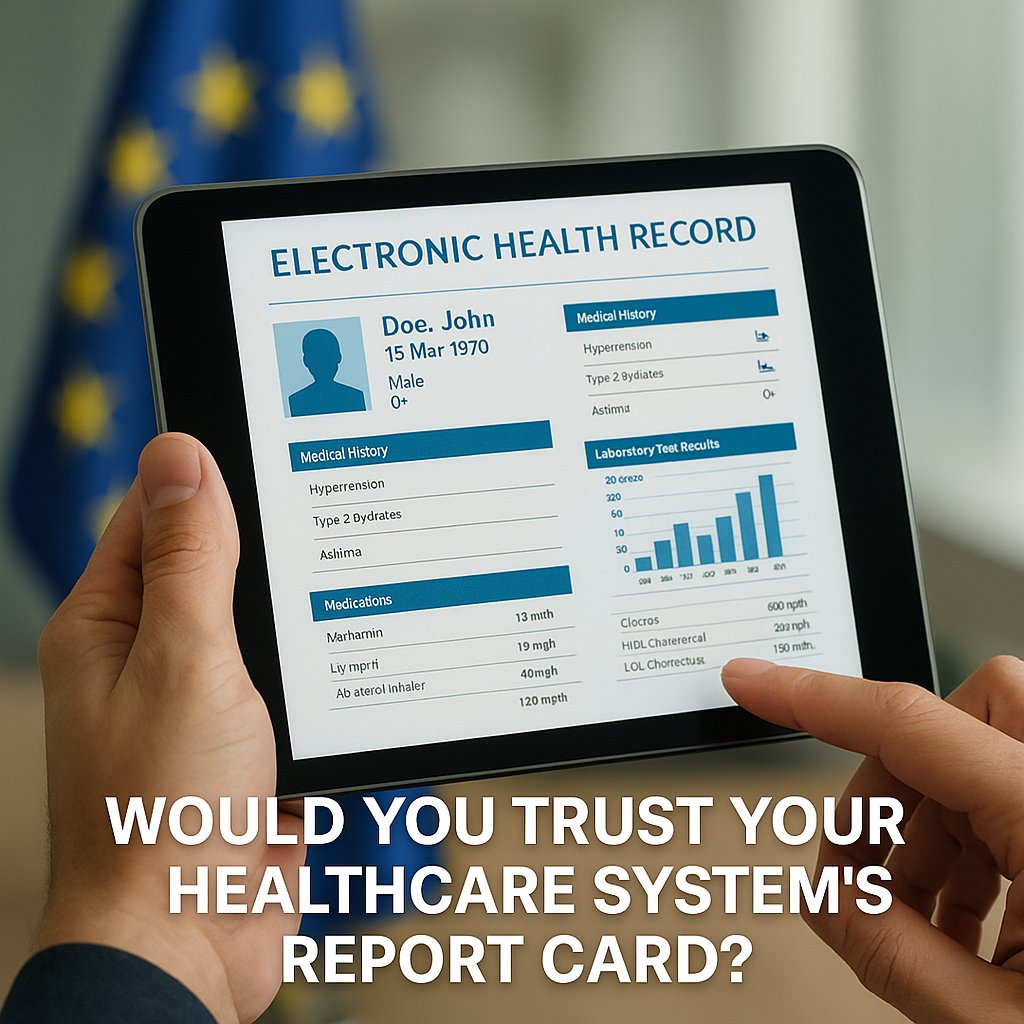
Transparency isn’t optional — it’s required.