@andreadoria1981@CasetaBosque imagino que saturan cerca del frente, pero a >1000km? Mucha Rusia supongo también para cubrir.. pero con helicópteros se deberían poder apañar en estos puntos estratégicos
no digo que sea fácil, pero me sorprende la verdad
GLM-5.2 is a monster thinker
Trying it with pi and my /teach skill, learning to solve the cube
Even on the lowest 'effort' (high) it spits out longer thinking traces than anything I've ever seen
3 turns, 2-3 file reads, nearly 220K (!) of thinking traces
Qwen 3.5 models are good... in paper
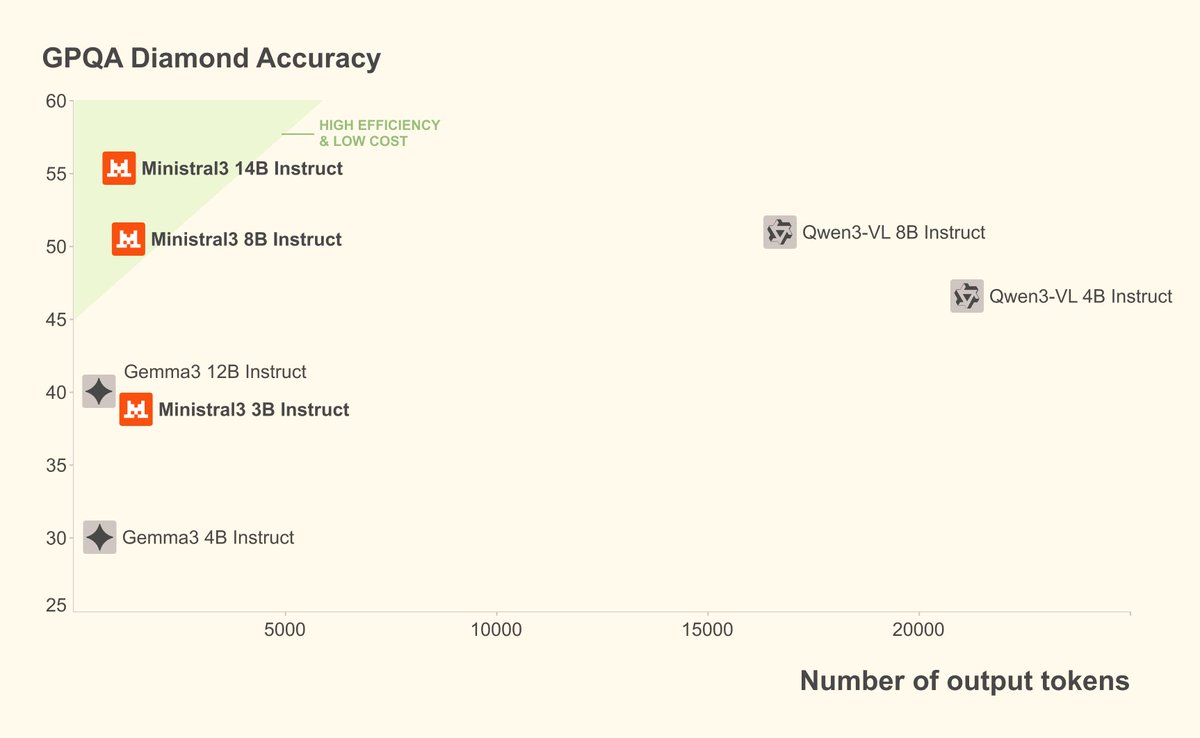
they do well in benchmarks, but they overthink very basic stuff *a lot* across many sizes, tried 0.8 to 27b so far.
Most software engineers are facing an identity crisis bordering on depression.
As CTOs aggressively evangelize tokenmaxxing, a class divide ensues.
The lazy. The lazy push code. They don't write it. They don't manually test it. They don't even read it. They're on autopilot. See Jira ticket, prompt for task, submit code. Many of them are barely on their computer the whole day. A comment on the PR asking why they did this? The lazy ask AI. A Slack message? The lazy ask AI. Need to prepare for standup? The lazy ask AI. As long as it sounds enough like them and isn't detected. Some of the lazy are even overemployed, and work multiple jobs. The lazy smart ones get away with this, and even rewarded. After all, software engineering for the lazy is just a dance to convince your colleagues you're smart and hard working.
The craftsmen. The craftsmen are tired. Very tired. 15 PRs in queue. Slack blowing up. The entire burden of review falls on the craftsman. The burden of understanding. They try. They work their way through the code, thoughtfully commenting to improve what ships. The response? A lazy: "That's a clever idea! You're absolutely right." with an incorrect change. It's fine, the craftsman says. I can fix them. They write a doc urging his colleagues to be better. The next day? 20,000 line PR to review. Day after day, their workload grows. Bugs seep into production. No one seems to care. Another round of AI is thrown at it. Their animosity to their colleagues rises. Eventually, they give up. It's just not what it used to be. The craft they loved is dead. They eventually wake up, a lazy.
This isn't all companies. Many companies are genuinely more productive, adopt the right set of principles and practices around AI development and have highly talented teams that trust each other. It tends to happen in bigger companies that are 10+yrs old with a higher talent variance. But it happens. A lot.
token limits in companies can follow a reward-based system
give employees small to moderate budgets to begin with, but be flexible and fast to extend quotas
specially if reasonable value is being created, but also if they fuck up a bit
plus also, time to experiment and climb the abstraction layer, clean up and sharpen skills and internal tooling
otherwise either:
- they don’t try new stuff
- or burn tokens to get rank high in nonsensical leaderboards
@enjojoyy you dont have to read it cover to cover to get insights, there’s a chapter on tech leadership
and also an Staff Engineer Path, but didnt check it
can also recommend @Pragmatic_Eng newsletter & podcast, it’s quite broad but sure you can find good topics/stories
> de facto retires from the race
xAI lags in model quality and demand (inference spare capacity)
they have a bigger datacenter (Colossus 2), they are using it for training, which is their bet
they are buying Cursor for $60B, which will bring instant infinite demand
as a bridge, they power Claude with Colossus 1 (half the size of 2), which pay the bills
they are selling compute, buying time
i think
the only scenario in which business as usual could cut it for Europe is scaling laws hitting a hard wall soonish
we could catch up with feasible compute and energy infra, open models
if not, the compute tap drying is a real risk