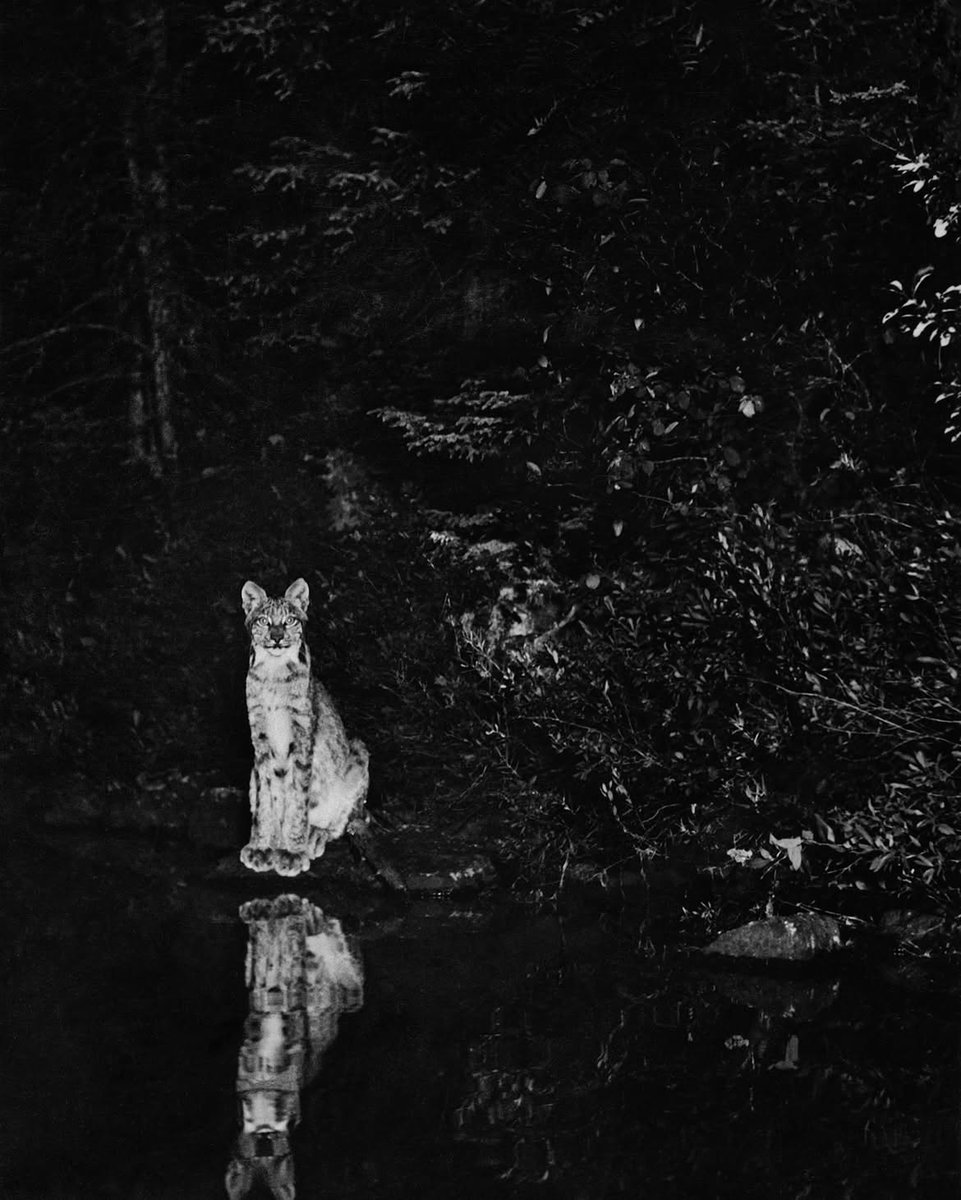
Around 1900, George Shiras III pioneered nighttime wildlife photography by using hidden, flash-equipped cameras to capture animals after dark.
George Shiras III (1859–1942) is widely regarded as one of the pioneers of modern wildlife photography. Around 1900, he transformed the field by using tripwire-triggered cameras, remote shutters, and magnesium flash powder to capture wild animals at night—decades before electronic flash or modern trail cameras existed. Working primarily in Michigan’s Upper Peninsula and across North America, he photographed deer, moose, bears, raccoons, bobcats, and many other species behaving naturally after dark, revealing a world few people had ever seen.
Shiras first developed these techniques as a hunter, but he eventually traded his rifle for a camera, believing photography was a better way to preserve wildlife. In 1906, National Geographic published many of his groundbreaking images, introducing millions to nocturnal wildlife and helping establish wildlife photography as both a scientific discipline and an art form. The remote camera methods he pioneered remain the foundation of the trail cameras and camera traps used today by photographers and wildlife researchers around the world.
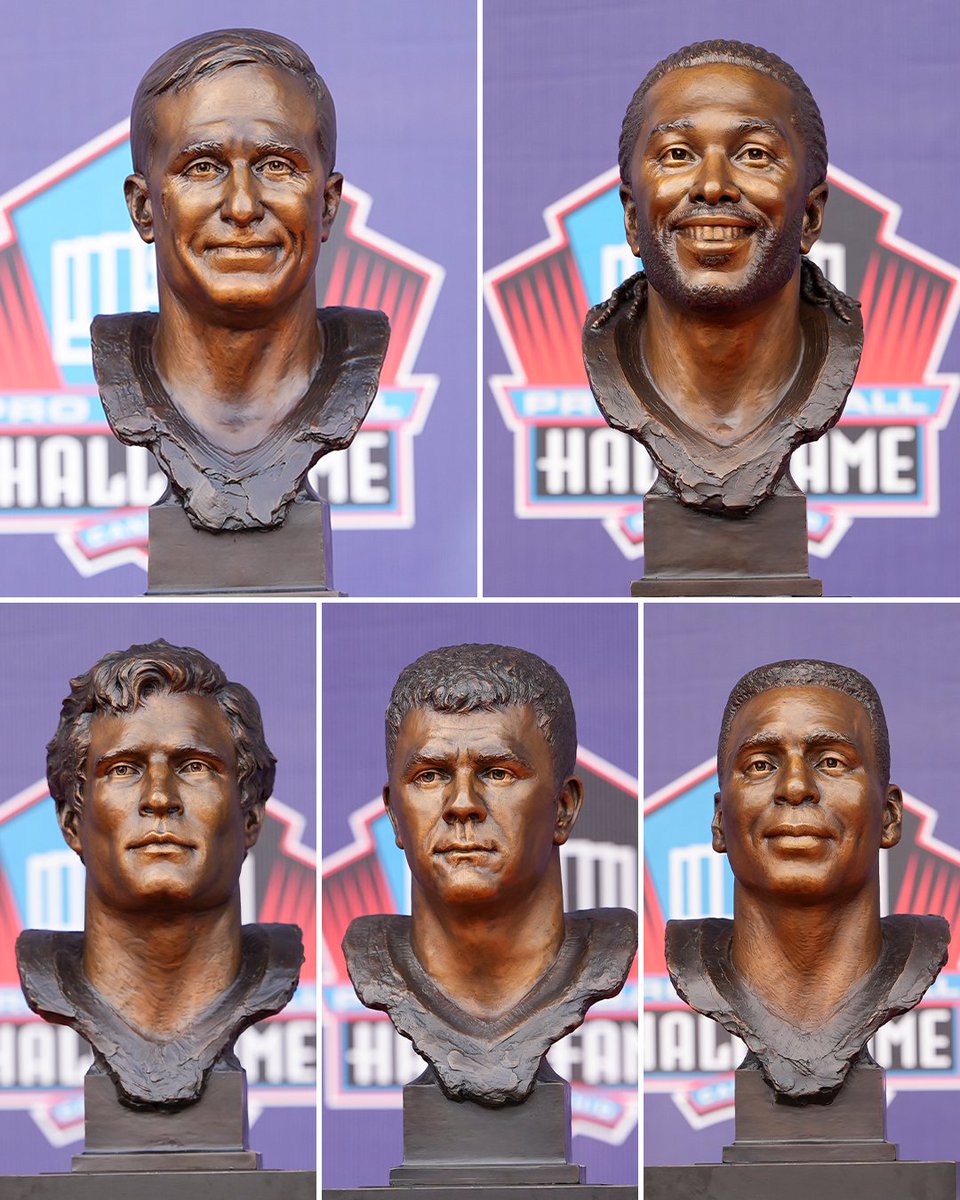
Roger Craig was the ultimate dual-threat RB and now he's headed to the Pro Football Hall of Fame 🙌
@ProFootballHOF Enshrinement -- Aug. 8, 12pm ET on @NFLNetwork
Stream on @NFLPlus
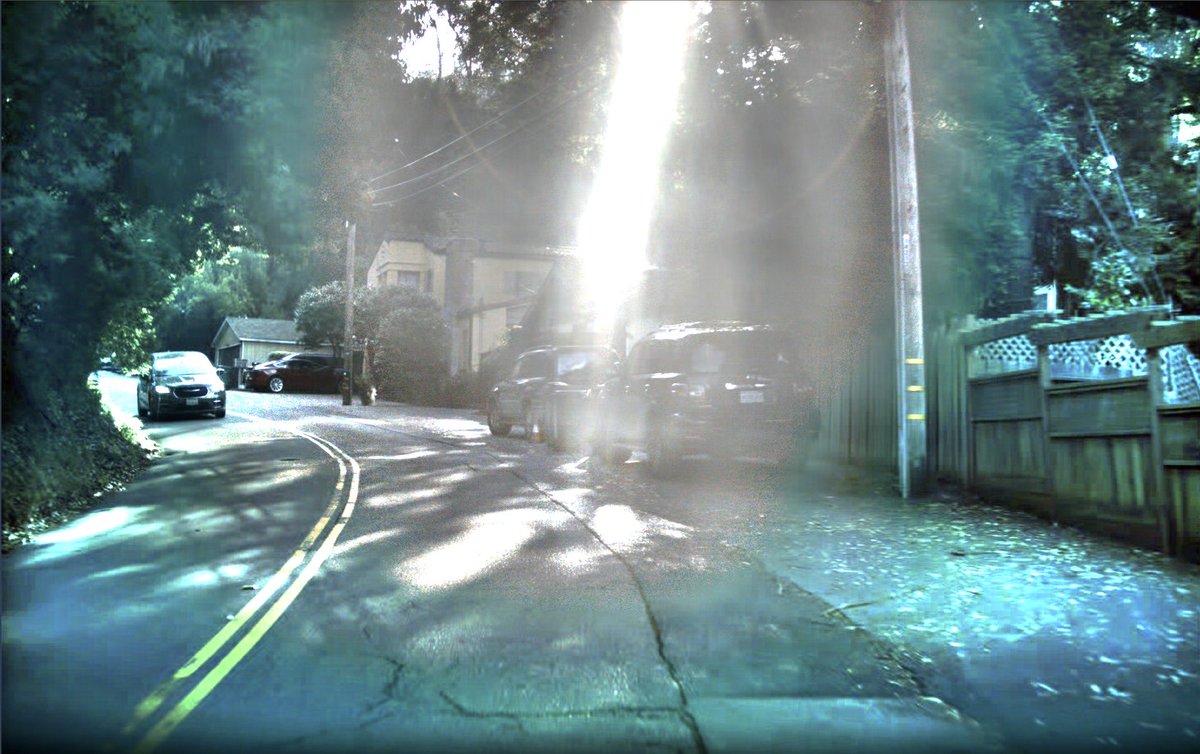
The human-perceived RGB is image 1 and the Tesla AI photon count reconstruction is image 2.
This is why Tesla FSD can see so well at night or through extreme glare.