Water from melting ice is gathering near the equator, making the planet spin more slowly.
To limit #GlobalWarming to 1.5°C, global #emissions must decrease by around 7% annually until 2030 - but they are still increasing by 1.5% today. #ClimateCrisis https://t.co/4vsDLhrc0o
The question of what kind of world we leave behind concerns us all. UNDP's Signals Spotlight identifies some of the areas where our legacy to future generations is in doubt – and asks what that means for development. #FutureofDevelopment#SocialInnovation https://t.co/DTxu33lcD0
#CareWork remains informal and invisible. This hot-off-the-press policy paper provides a practical framework to address care within the context of the #SDGs and promotes comprehensive care systems that enable #GenderEquality and social justice. https://t.co/ZzAcnFjaDd
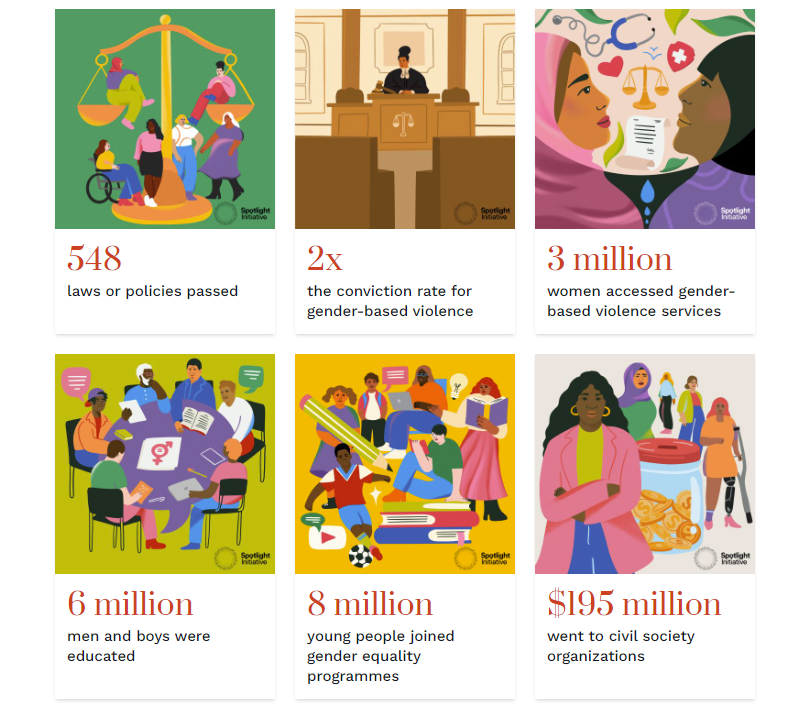
Unprecedented results. A UN High-Impact Initiative. 70-90 per cent more effective. Read more about @GlobalSpotlight's transformative impact over the years in ending violence against women and girls and accelerating the progress across #SDGs. https://t.co/vNU8JewlDN
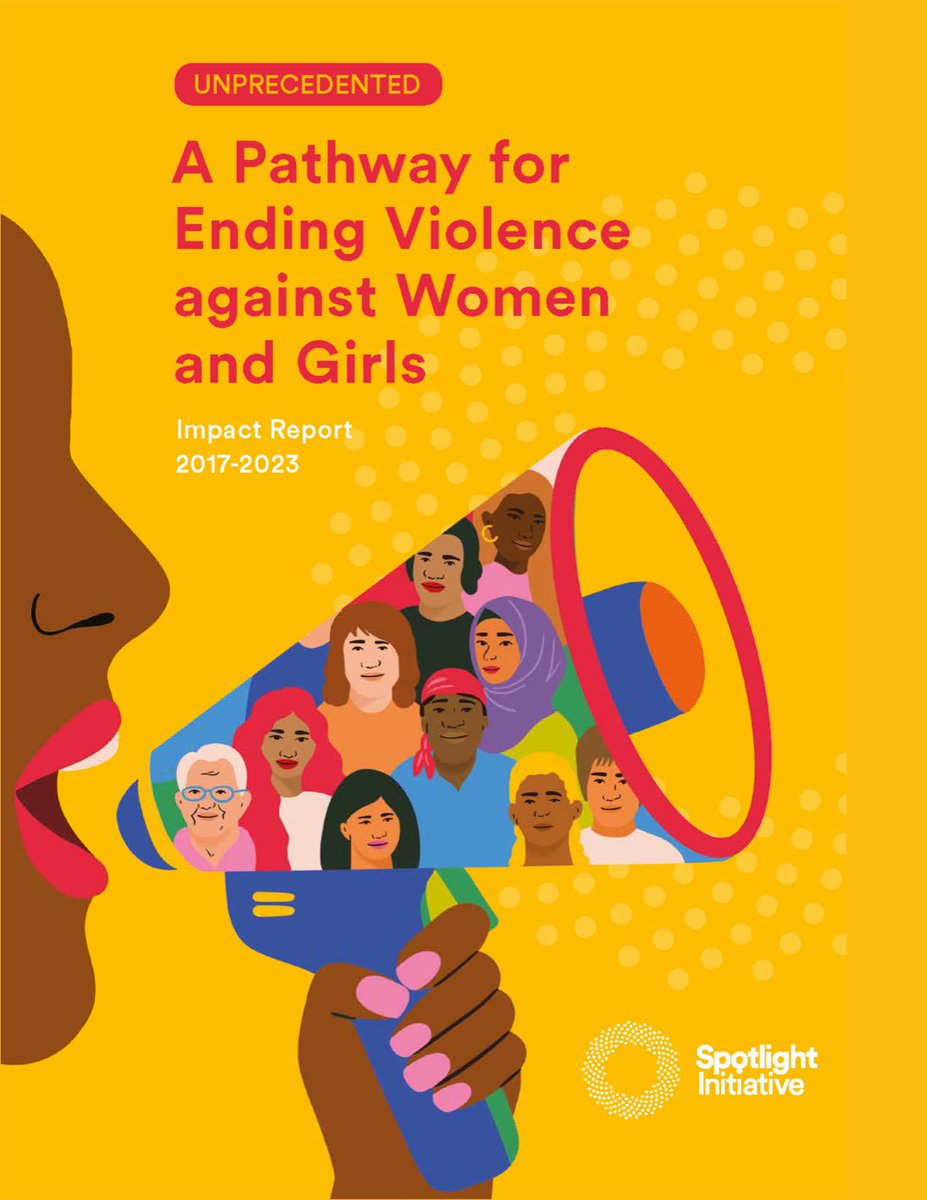
We are very excited to announce that @GlobalSpotlight’s impact report “Unprecedented: A Pathway for Ending Violence against Women and Girls” is now available online: https://t.co/SxINZH17Yo
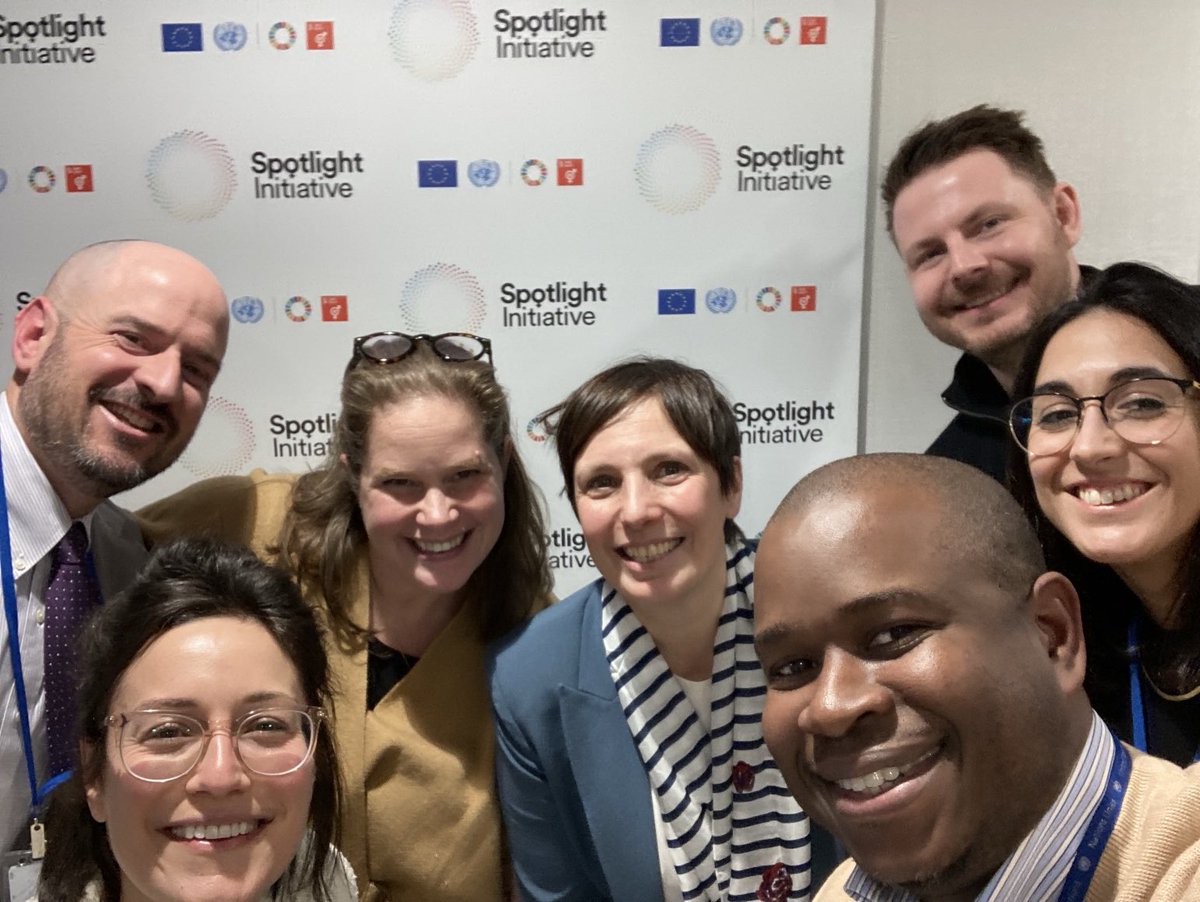
Great to meet the @GlobalSpotlight team in the margins of #CSW68. At the EU we are proud to continue our support and partnership to eradicate gender based violence.
US scientists confirmed that El Niño had started. Experts say it will likely make 2024 the world's hottest year. #ClimateEmergency https://t.co/YSTAO5Pw1s
From destructive land use to invasive species, scientists have identified the main drivers of #biodiversity loss – so that countries can collectively act to tackle them. https://t.co/goKIyCZBgC
Our overheating world is likely to break a key temperature limit for the first time over the next years, scientists predict. The chances are rising due to emissions from human activities and a likely El Niño weather pattern later this year. #ClimateCrisis https://t.co/JOWI0YvVss
5 ways businesses can implement the new Global #Biodiversity Framework. Learn why achieving transparency and awareness of their impact on nature is a key step for businesses to help #BuildBackBiodiversity🌎https://t.co/Fdjit5aXge
A new way of sucking #carbon dioxide from the air and storing it in the sea has been outlined by scientists. This novel approach captures CO2 from the atmosphere up to three times more efficiently than current methods. #ClimateAction https://t.co/bM18GizVZ2
More than 171 trillion pieces of #plastic are now estimated to be floating in the world's #oceans, according to scientists. The concentration of plastics in the oceans has increased from 16 trillion pieces in 2005. #BeatPlasticPollution https://t.co/tIYU3YvxIR
Nations have reached a historic agreement to protect the world's #oceans following 10 years of negotiations. The High Seas Treaty aims to place 30% of the seas into protected areas by 2030, to safeguard and recuperate marine nature. #Biodiversity#SDGs https://t.co/vxKemzqHK3
Some facts to know about the #NatureCrisis:
1 million species of plants & animals are threatened with extinction
75% of land surface is significantly altered by humans
66% of ocean area are impacted by human activities
#biodiversity#climateaction
https://t.co/0HmTZhWOZz
Forest #carbon is a critical tool undergoing continual evolution and improvement: here are 5 reasons why this will continue in the year ahead. #ClimateAction https://t.co/qm6j97QRhS