Associate Professor in Physiotherapy University of Greenwich/Director-Dayson Physio & Sports Rehab. Physiotherapist to: GB Basketball/Canterbury Academy/Coach
@andy_goldman_@UniofGreenwich Thank you Andy for todays session. Hopefully it will have given students the confidence to develop their profile more on the platform 🙏
Workplaces where people are engaged do significantly better in productivity & performance. If we want to build better staff engagement, we need more conversations, not "engagement campaigns".
Too often, leaders who want to improve staff engagement build “campaign-style” interventions: analysing levels of engagement, having listening sessions, broadcasting messages & creating dashboards. Yet engagement isn’t a tool or a project - something you can "install" top down. It’s a daily, ongoing practice, rooted in the rhythms of conversation.
The single force that shapes day-to-day engagement more than any other is line managers. (In the NHS, it is the frontline leaders, around band 7 level, who line manage >60% of the NHS workforce & who have an outsized influence on NHS productivity & performance). Consistent, authentic dialogue between managers & teams creates the psychological safety people need to speak up, take risks & challenge the status quo.
If we want better engagement, we need to support front line leaders to develop skills for conversation-based leadership & build in routines that enable regular conversations to happen: https://t.co/54Wk1FfDXS. By Kyle Jones on @Medium, via @LauraJYearsley.
What is the difference between cooperation, coordination & collaboration?
1) Cooperation - making sure our respective activities don't conflict; doesn't require high levels of trust, we just need to respect each other's space & activity.
2) Coordination - moving together towards a known shared outcome; requires greater trust as we rely on one another to do the work to achieve the common goal.
3) Collaboration - uniting people to create something new together that we couldn't accomplish alone; needs strong interpersonal trust.
We need all three in different contexts. When it comes to leading across systems, we get the best outcomes when we invest in the strong trusting relationships that enable us to collaborate: https://t.co/P8IGk3PiP3. By Ed Morrison @Strategic_Doing.
Deeper dive: https://t.co/i2Mv1w4hC0
Are you a UK stroke professional based in a hospital Acute Stroke Unit working with stroke survivors with #dysphagia? We would like to hear what you think are the barriers and facilitators of implementing the #FreeWaterProtocol. Pls complete our survey ➡️https://t.co/rz9mhjUJFN
Anyone in the sports' physio community who deserves to be commended for their leadership in building the physio community, advocacy,or peer to peer support?
Why not promote our professionals who do a commendable job in sport, performing arts or exercise?
https://t.co/Oy0Wm3QxfY
People diagnosed with heart failure can be remotely monitored using two algorithm-based technologies to help keep them out of hospital.
Our diagnostic guidance has recommended the use of HeartLogic and TriageHF.
Learn more: https://t.co/hlaVGPaGAG
#NICENews
I have been asked by the CSP student officer to make a short video about the upcoming CSP student conference in Manchester. Please consider attending this fabulous event. To book see the link below...
@UoS_Physio@thecsp@thecspstudents https://t.co/1g3D21MV0j
❗️Webinar alert❗️
This is one for ALL AHPs and is not to be missed - our host and contributors are fantastic and we will introduce them soon!
Register here to join this vital conversation https://t.co/ZqjWBlFCiP
And if you thought staying in town in an effort to avoid the sewage scandal was an option you'd be wrong.
Sewage warnings issued for Wimbledon Common, Putney Common, Barnes Common and Richmond Park as @thameswater dump sewage into Beverley Brook.
https://t.co/wufkbjtN9h
We want to build a strong, positive organisational culture, based on values. Leaders often set out abstract absolute positives as organisational values (integrity, respect, trust etc) but these don't drive the day-to-day decision-making (& therefore the behaviour) of the people at work. Therefore, they have no impact on the actual culture.
@ErinMeyerINSEAD has undertaken research on organisational culture for two decades & suggests six actions for making values-based culture come alive:
1) Build your culture based on real-world dilemmas: identify the tough dilemmas that people routinely face and clearly state how they should be resolved, in line with the stated values.
2) Move your culture from abstraction to action: “dilemma-test” your values to determine if they are actionable enough to be useful in real decision-making situations.
3) Paint your culture in full colour: articulate your desired culture using concrete, colourful images to get the values to stick.
4) Recruit people whose values fit: “bad” behaviour is contagious.
5) Let culture drive strategy: identify your strategic objective & use dilemmas so people understand what decisions they should be making to move the organisation in the right direction.
6) Don’t be a “values” purist: Identify dilemmas in which your stated values do not apply.
https://t.co/C2e5p25h9j
Graphic by @julianstodd
Leadership , a document written by @JamesTCobbler and brilliantly he is now a Minister of HM government dept of justice. Grown ups doing grown up jobs , remember that ?
Over the years, I've learnt that the best, highest performing teams are those where everyone feels a sense of belonging & appreciation for the unique & different things they bring to the team. So I'm happy to post this blog & sketchnote on "things boldly inclusive leaders do". They build an inclusive culture through foundations of continuous learning, active listening, authentic communication & creating a psychologically safe environment for people to thrive: https://t.co/SmBQXNjC2w. Thank you @minettenorman for the principles & @tnvora for your powerful interpretation.
I have been asked for advice about improving organisational culture. My view? DON'T start by setting up a "culture change" programme or a direct "culture" intervention. Culture gets changed when people start doing real work differently. Culture change is a byproduct of wider improvements. See for instance: https://t.co/rwNoixl4GJ. Via @HBSWK
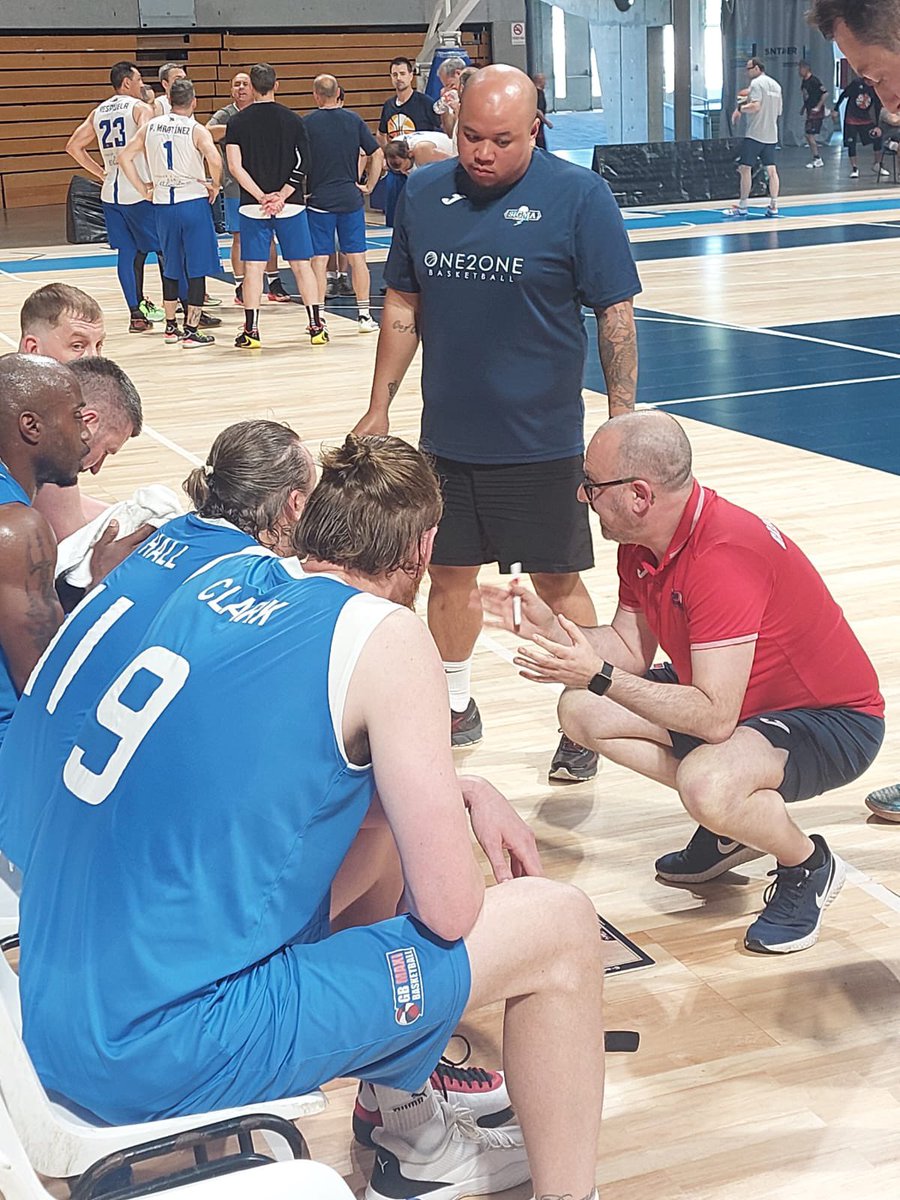
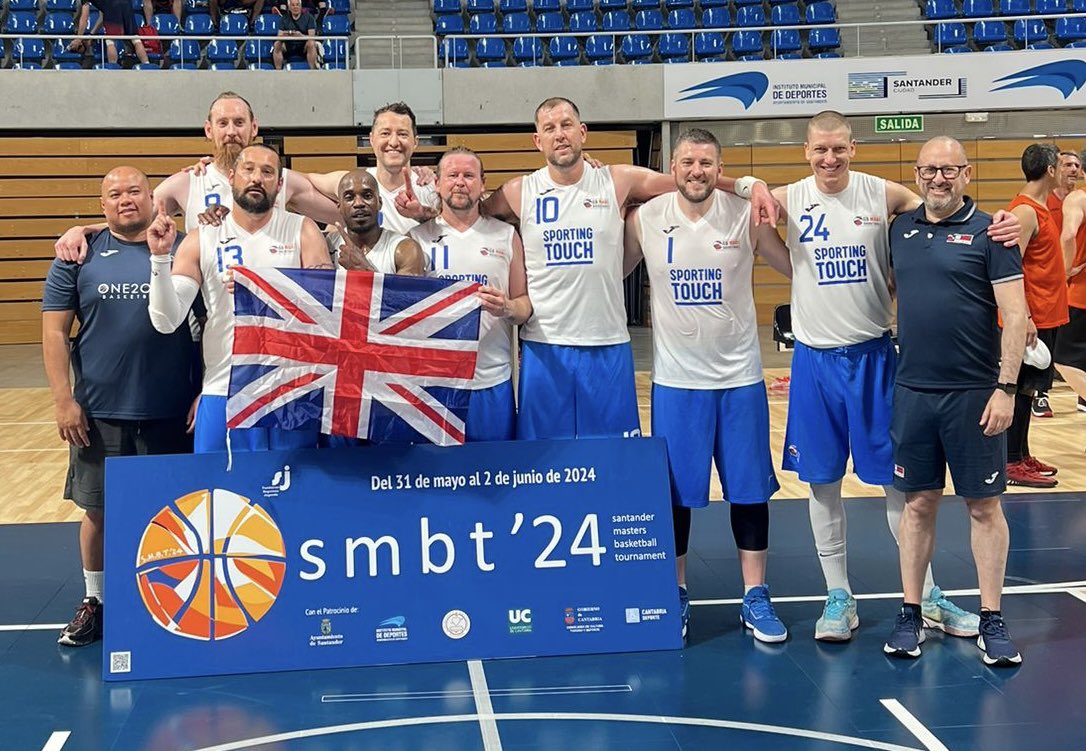
Successful weekend with @GBMaxibasketbll at the Santander Masters Basket Tournament as we prep for FIMBA Pesaro in 3 weeks. Proud of these guys who took home the gold… we keep building
NCAA coaching legend Kevin Cantwell
5 decades of coaching 🏀
Me: “Kevin, what separates best coaches”
Kevin: “Learn about people, get to know them (genuinely), care for them”.
Me: “What about tactics?”
Kevin: “I just told you the greatest tactic”.