LAT, ATC for KHSAA State Championship Teams: 1993 Softball, 2015 Baseball, 2016 Girls Soccer, 2017 Girls Soocer, 2019 Boys Bowling, WKU Alumni, U of KY Alumni
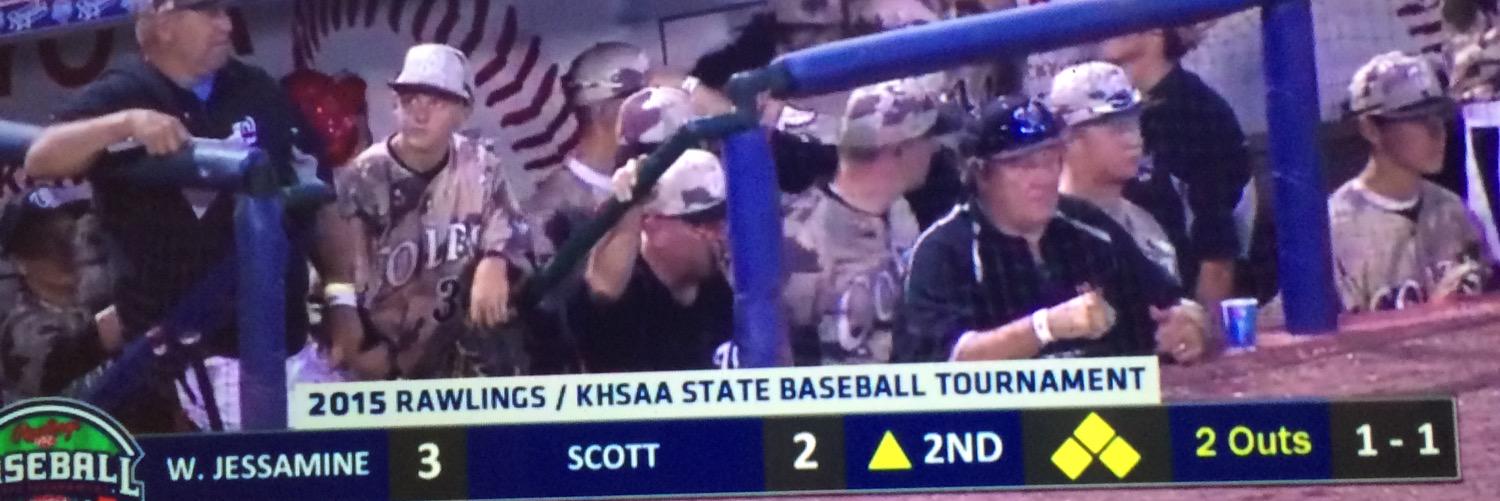
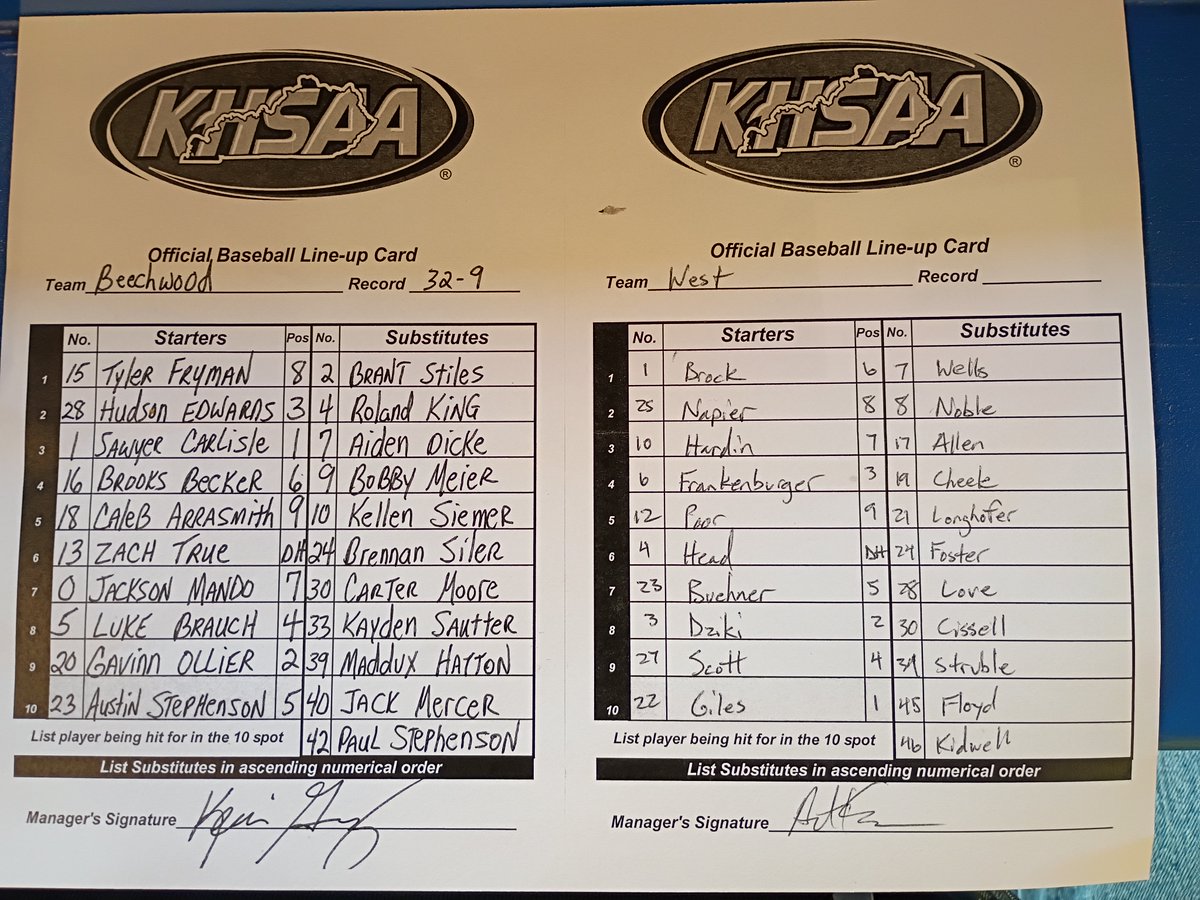
Hello to all following @WJColtsBaseball from Legends Field, where the Colts await their turn to take infield and where I'll have updates from their game against Beechwood in the first round of the state tournament. Follow along for the next two or three hours.
@WJHSColts@deanATC
This song is an anthem that transcends generations and remains relevant today... I love it because it brings back wonderful memories!
Credence - Who'll stop the rain
Imagine it’s June 3, 1776
“We have received certain intelligence that Britain is Determined to use her utmost endeavors this year to Subdue us,” you write in a letter to your wife who is back home in New Hampshire.
162 years ago today, in a soaking rain along the banks of the Chickahominy River, 50,000 Union soldiers spent the entire afternoon tearing scraps of paper into rectangles and pinning them to the insides of their uniform coats.
On each scrap they wrote, in pencil, their own name, their regiment, and their hometown.
There were no military dog tags in 1864. There would not be any for another half century. The reason every Federal soldier within sight of the Confederate works at Cold Harbor was writing his name on his coat that afternoon is preserved in the memoirs of Grant's aide, Lieutenant Colonel Horace Porter, who walked among them and asked one veteran what he was doing.
The man did not look up. "So my body can be identified."
The attack had been scheduled for dawn. Hancock's II Corps had gotten lost in the dark on its night march and stumbled into position six hours late, exhausted and out of water. Grant pushed the assault to 5 p.m. Then the sky opened up and a hard summer rain swept the line. He pushed it to dawn on June 3.
The pause was a gift to Robert E. Lee.
For 24 hours, Confederate engineers worked in the rain with shovels, axes, and entrenching tools. They deepened trenches. They cut interlocking fields of fire. They built traverses to protect against enfilade. They laid in artillery so that no part of the front did not have at least two batteries aimed at it. By dusk on June 2, the Confederate position at Cold Harbor was, according to one engineer who walked it after the war, the strongest field fortification ever built in North America up to that date.
Union soldiers across the muddy open ground could hear it being built. The chock of axes. The thud of logs. Officers walking the parapet shouting orders. The men in the Federal trenches did not need a written order to know what was coming.
So they wrote.
Some men wrote their parents' addresses. Some wrote their wife's name. Some wrote nothing but a single sentence, a request, a goodbye. One captain in a New York regiment wrote in his diary that night, in the last entry he ever made: "June 3. Cold Harbor. I was killed."
He had finished the entry the night before, and dated it for the morning.
At 4:30 a.m. on June 3, the assault went forward. Seven thousand of those name tags became the only way to identify the bodies.
The grim ritual that the dog tags of every American soldier since the First World War quietly continues, every time a young person clips a small metal plate around their neck, was invented in the mud of Virginia by men who knew exactly what their generals were about to do to them.
And went forward anyway.
When that almost empty Dr. Pepper bottle hits different… because you KNOW what happened back in the day 🤣 Emma Baine nailed it! Who else grew up in the country and still has the trauma?
For more information about summer practices or tryouts, please contact Coach Garr at:
📧 [email protected]
We’d love to see some future Colts out on the field! 🐎