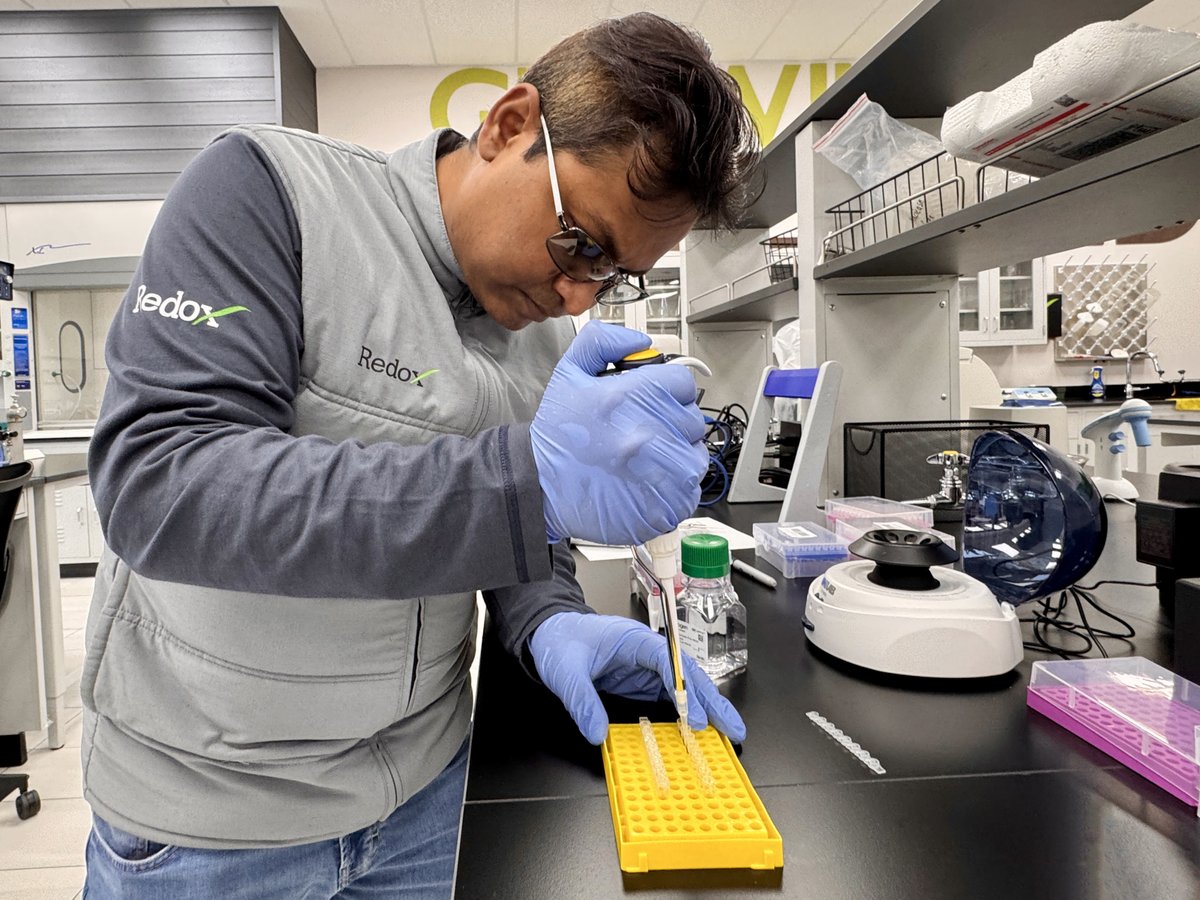
@redoxgrows at the US Biostimulants Summit 2025
I had the opportunity to represent Redox Bio-Nutrients with a talk on nutrient efficiency, challenges of overfertilization, while presenting RDX-N (patented) powered by our RAM technology. #RDXN#NutrientEfficiency#YieldStability
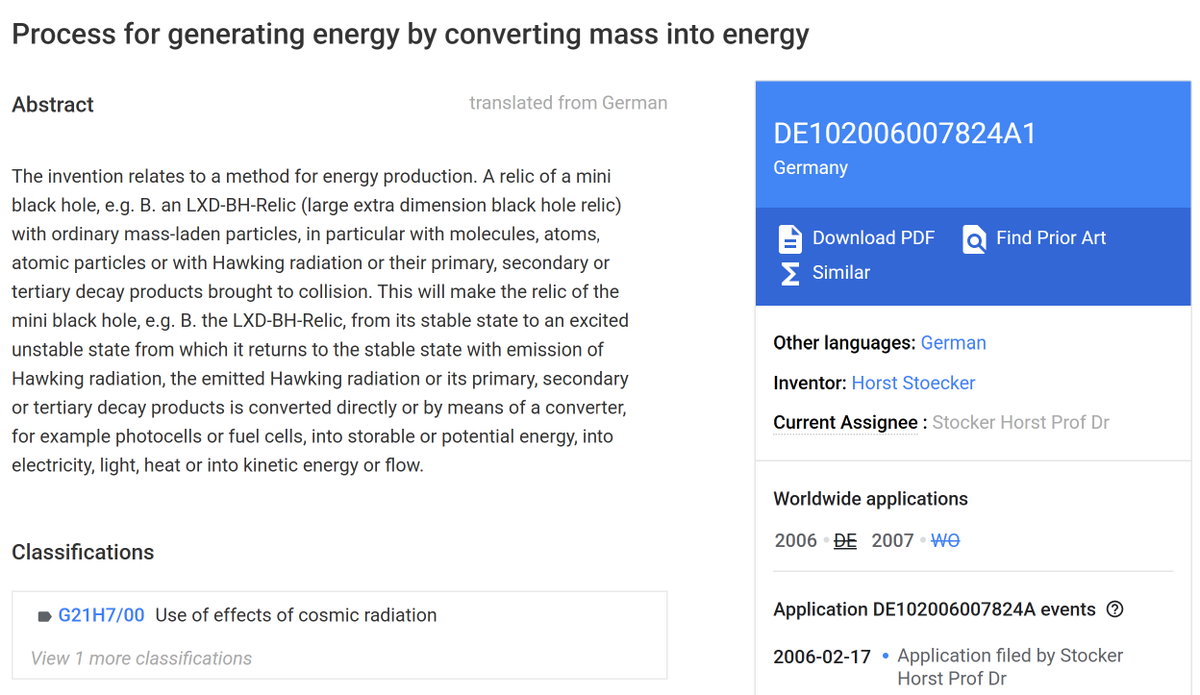
Patents, like peer reviewed publications, look impressive in CVs, and many institutions reward them. I have seen this with my own eyes, after my host institution offered a bonus for patent applications (not registrations!) my PhD-advisor promptly applied for a patent to convert garbage into energy with higher dimensional black hole relics (which, for all we know, don’t exist).
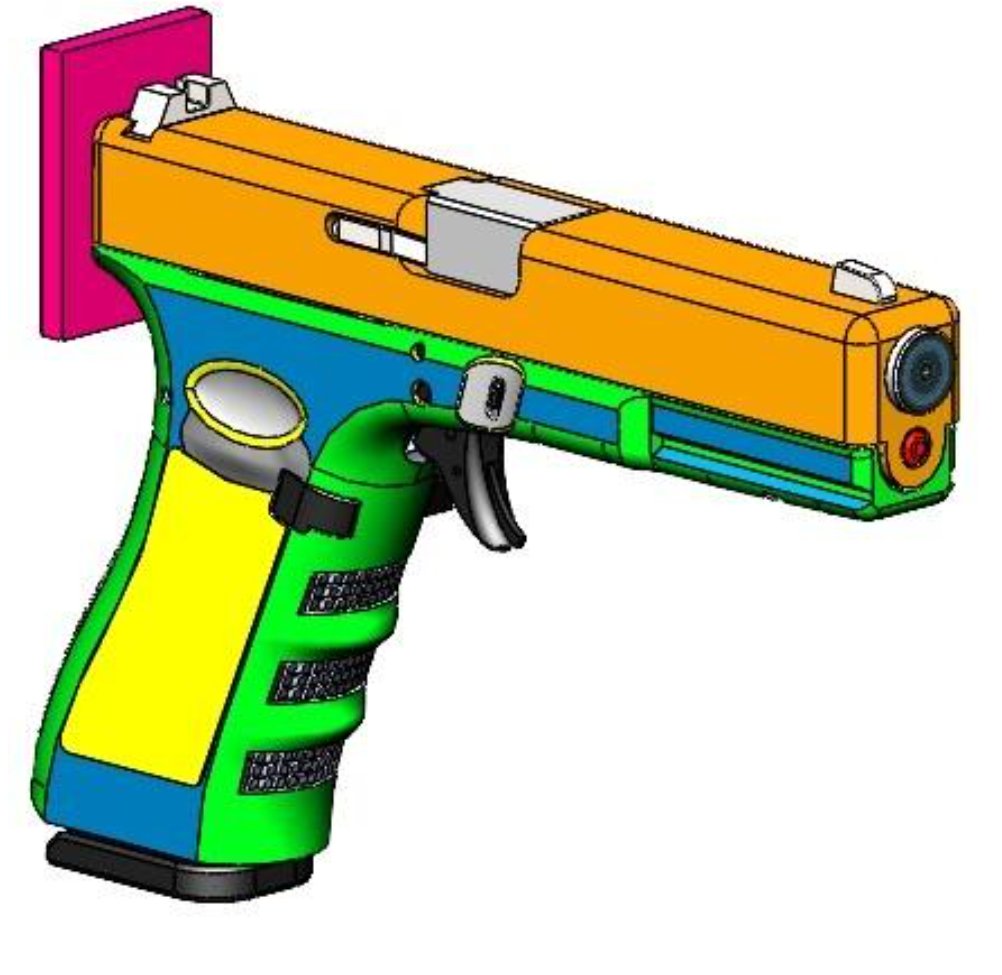
A research team with lead at Northwestern University in the United States reports a new type of academic fraud: fake patents. They have found multiple companies which sell credits on UK registered designs to academics, mostly in India, who can use them to boost promotion scores and institutional rankings.
UK registered designs are not technically patents. They protect appearance, not function, and are not checked for novelty before registration, which makes them fast and cheap to obtain. The companies sold these off for prices corresponding to roughly $20 to $400 per authorship. Many of the fake patents had long technical-sounding titles, multiple academic applicants, recycled images, and implausible products, including an alleged artificial intelligence skin-cancer device that appears to be a modified Glock pistol model (see image).
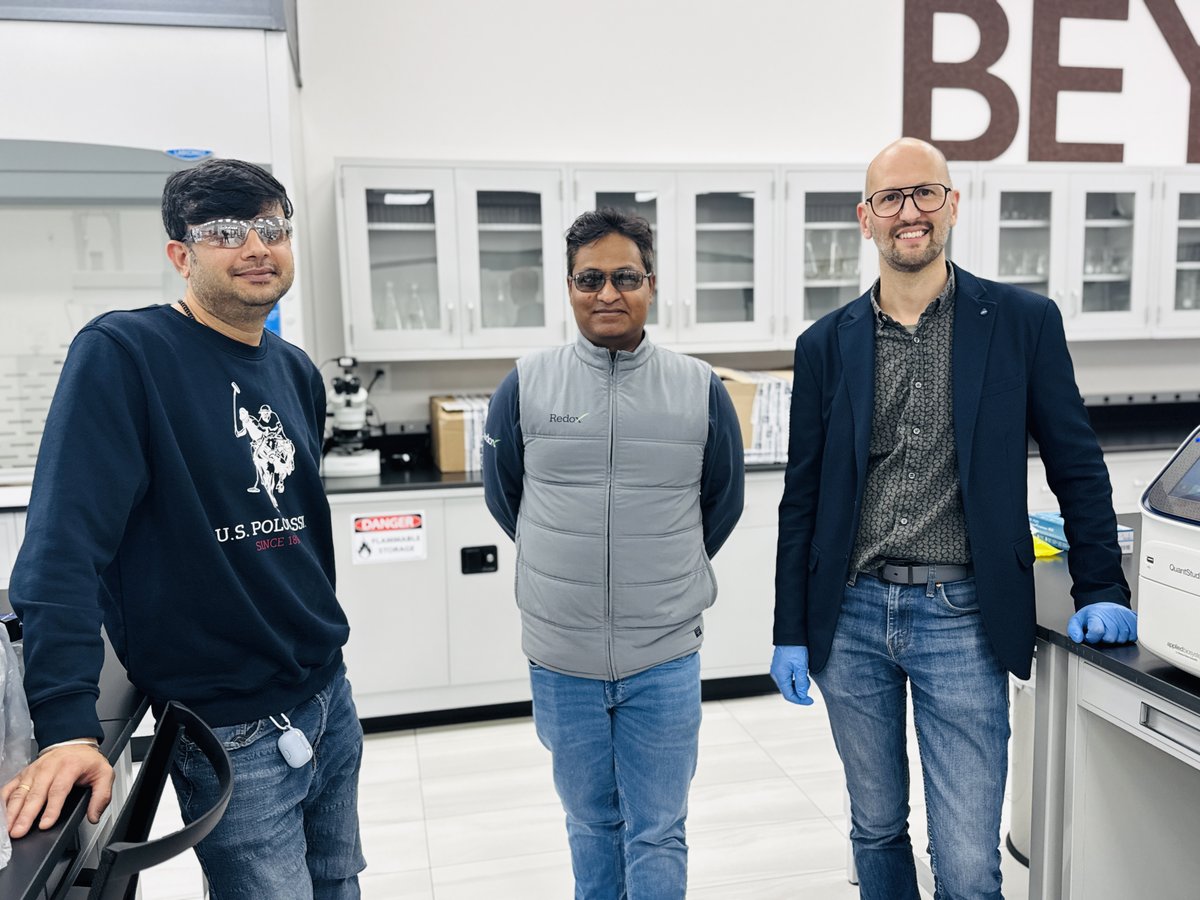
We will never stop seeking scientific advancement that help growers. Our latest advanced machine added is the QauntStudio 5, that helps us understand how plants react to our products at gene level. Thank you to Dr. Andrea Callegari of Thermo Fisher for helping with setup. Dr. Debatosh Das was our lead in getting the first samples ready, Dr. Karthic Mani also assisted #RedoxGrows
@qatarairways Hello, please help us with the Contact Us process for our booking as the website and phone number available on the ticket are both failing.
🌱 Our @redoxgrows latest Q&A is now live in the GATI Global Insight Series – Integrating Biologicals 2025 exploring key opportunities & challenges shaping biofertilizers for growers worldwide.
Read here: https://t.co/RMAz69dJSc
#Biologicals#AgTech#CropHealth#Biofertilizers
The model of gene expression taught in school is highly misleading!
Transcription factors are proteins that bind to DNA and then help repress, or activate, the expression of genes. Cells have hundreds of different types of transcription factors, each tuned to regulate different genes based on short snippets of DNA located near those genes.
The basic model, taught in school, says that these transcription factor proteins float around the cell and, when they bump into a DNA sequence, either latch onto it strongly (CORRECT SITE!) or fall off quickly (WRONG SITE) and keep searching. All the other DNA in a cell is basically abstracted away as unimportant or irrelevant; mere background noise.
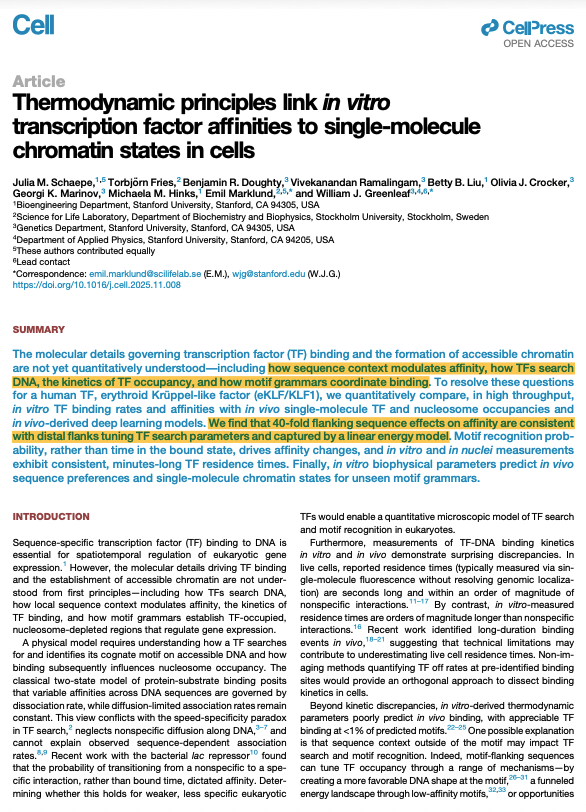
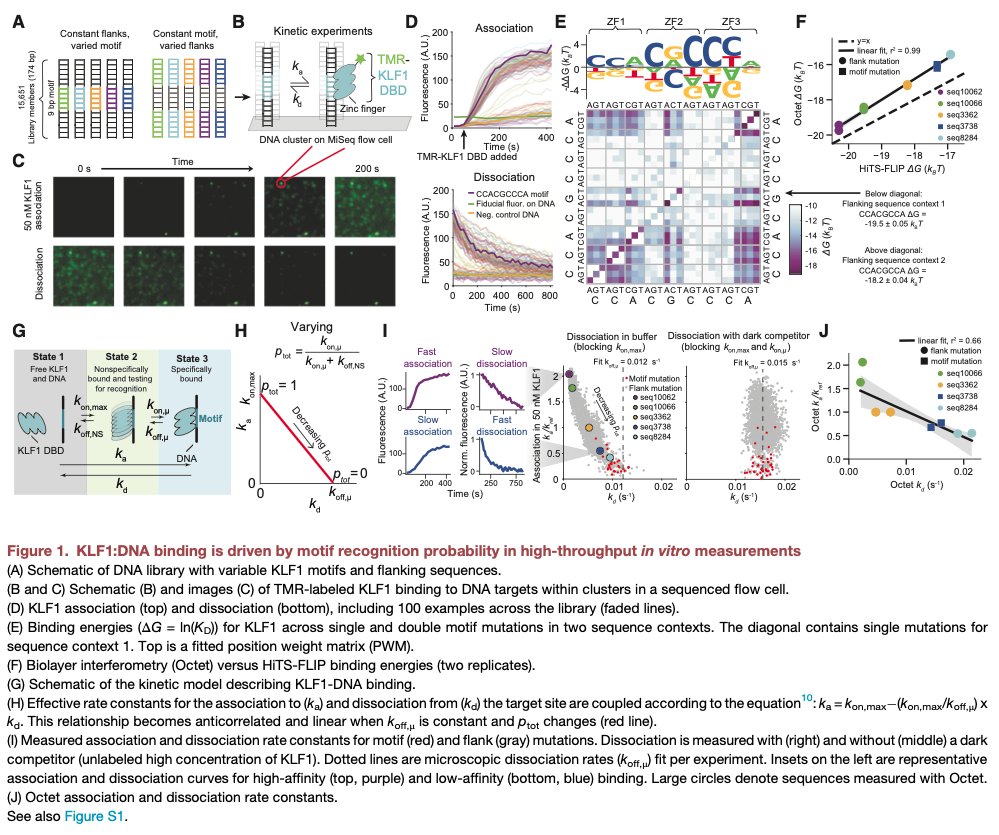
But again, this model is naive! And a new paper, published in Cell, beautifully shows how the sequences SURROUNDING a transcription factor's binding site also matter a great deal.
This won't be surprising to many biologists, as "cracks" in the standard two-state model began emerging decades(?) ago. Biologists have tagged transcription factors with fluorescent tags and then watched them move around living cells. And they have noticed that when transcription factors land in a "wrong" location in the genome, they skip or hop to a nearby location and repeat this until finally connecting with the "correct" sequence. So in other words, there are actually three states that a transcription factor can exist in: free-floating, "searching", or "bound."
(More technically, transcription factors first do a 3D search, then latch onto DNA and do a 1D search to find the correct location.)
For this new paper, though, scientists exhaustively quantified *how* the sequences flanking a transcription factor binding site influence the search of the protein.
They did a huge in vitro experiment, wherein they placed a specific transcription factor with a known binding site, called KLF1, in a huge library of 11,812 different DNA sequences. These sequences had mutated "core" binding sites and variations in the flanking sequences. They also prepared negative controls. Then, these researchers measured the binding kinetics of KLF1 with each sequence to understand which bases in the flanking sites impact the 1D search.
What they found is that KLF1 has a basically flat disocciation rate from its core sequence, but that the PROBABILITY that it finds this sequence depends a lot on the surrounding context. Even mutations located dozens of bases away from the core site matter a lot, either pushing KLF1 to "hop" faster to find the site, or "trapping" KLF1 and slowing down its search. These flanking sequences can cause up to a 40-fold variation in the affinity of a transcription factor for its target site!
This is just one small part of the paper, though, so I encourage anyone interested to read the whole thing. It is challenging throughout.
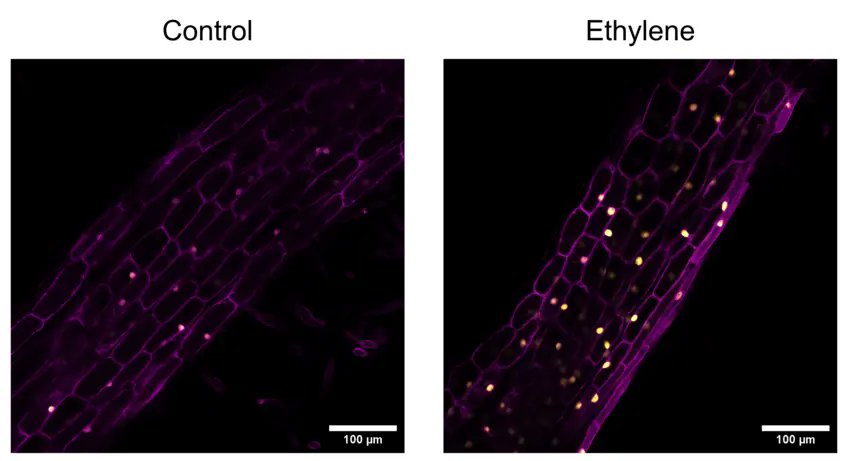
🌱 Hormones Decide Whether Plants Partner With Beneficial Fungi🍄
Under stress, ethylene boosts SMAX1 to block mycorrhizal symbiosis, while improved conditions and karrikin reduce SMAX1 to restore the fungal partnership.
Article: https://t.co/3f9aKW2GYB
📸 Confocal microscopy
We were honored to open the US Biostimulants Summit in Raleigh, NC, where our R&D Scientist, Dr. Debatosh Das, presented RDX-N®—our patented redox-active biostimulant that enhances nitrogen efficiency in crops. The Summit convened leading experts from the biostimulant industry.
This is my soybean field which was sown on June14. Now crop is ready for harvesting. I hope that I will get expected yield. I have not used any chemical fertilizer in this field.I believe that if soil is strong, then amount of chemical fertilizer will be less or not needed at all
Today we welcome our new President, Giles Oldroyd, PhD! A world-leading scientist with a global perspective, Giles is laser focused on plant-powered solutions to today’s challenges. Get to know Giles: https://t.co/mn0jSjZ7gW
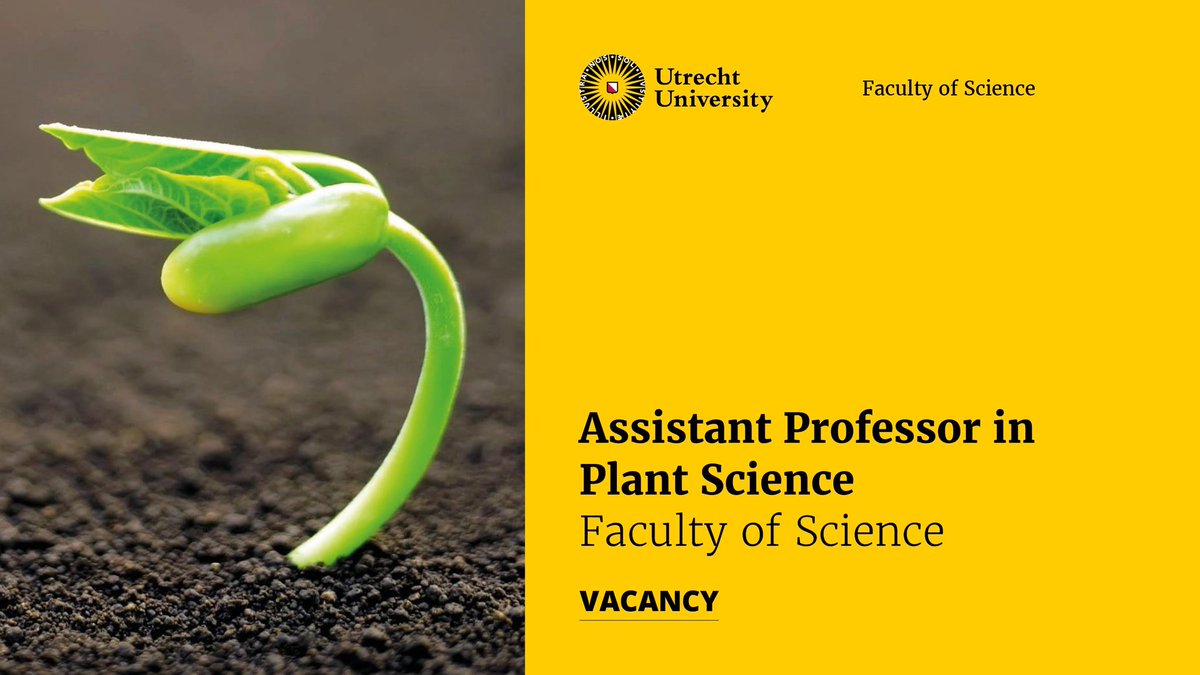
🚨🚨Job Alert!! Assistant professor vacancy ‘plant abiotic stress resilience’ in our group @uuplants @UUBeta Come for the science, stay for the amazing colleagues 🪴🪴🪴 😀More details here https://t.co/EnJPW7Drp6 Please share!!
American went to Costco and bought fresh wild sockeye salmon. The car ride home was about an hour, so the salmon started to get warm
As it got warmer, look at the amount of paradises that came out of the salmon…..
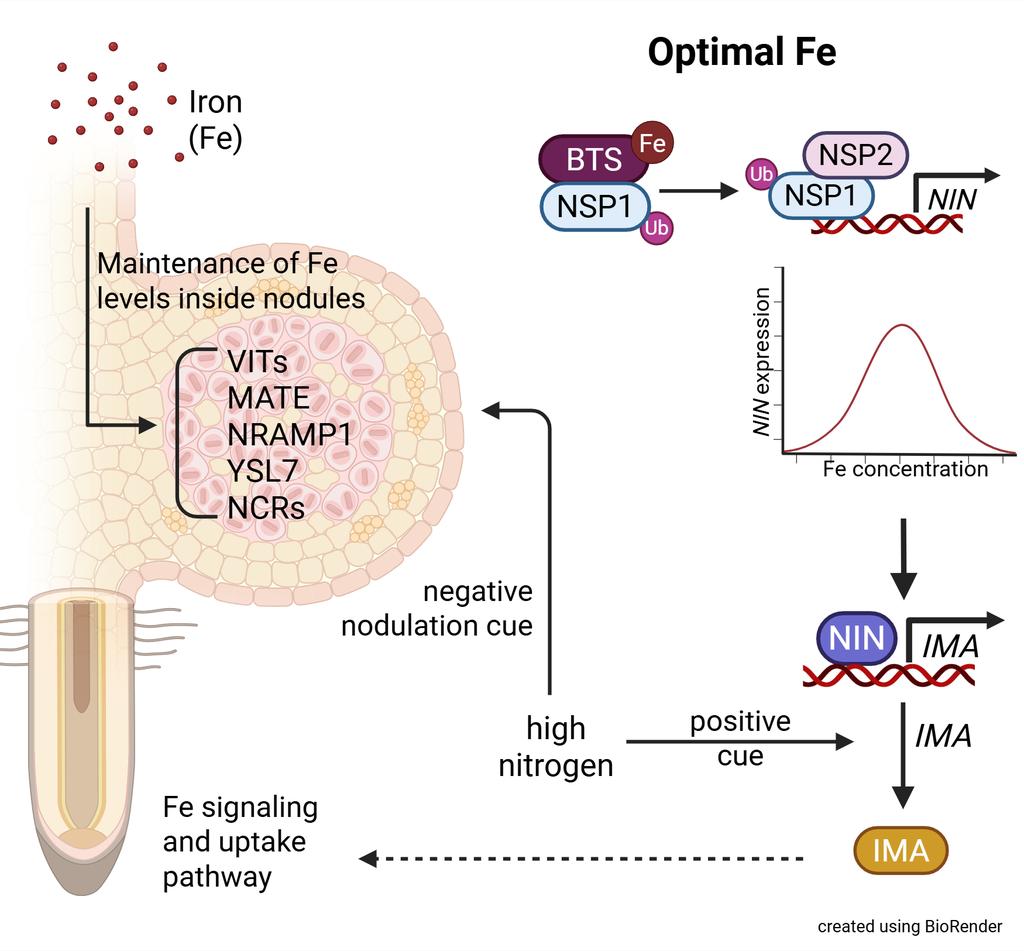
Functional divergence of BRUTUS in legumes may have evolved to optimize nodulation efficiency by linking it to iron availability.
Find our latest focused article from Geddes lab at @NDSU,
@BarneyGeddes
https://t.co/ARVnEDpxvb
🌿Excited to share our latest review
We explore how alternative splicing helps plants balance immunity and symbiosis with fungi.
🔗 https://t.co/wGwFOOIwBD
#Biological#Genetics#AgTech#SustainableAgriculture
These insights could help design sustainable agro-biotechnologies.
🦠💡 Are you using microbial biologicals effectively?
🌱 Optimal microbial support ⚖️ = Better crop performance 🌾 & soil health 🌍
🔬 Learn how to boost microbial survival & maximize impact in @RedoxGrows’ latest blog by me 👇
👉 https://t.co/bjFFDhU83b
#AMF#NitrogenFixation
🧪 H-85™ packs short-, medium-, & long-chain carbon + secondary metabolites to fuel soil and plants.
🌿 In hydroponic corn trials (no soil!), we saw 44% more biomass & 90% more root surface.
📊 See why it outperforms typical humics.
🚀 Try it: https://t.co/SNcG9kYqWT