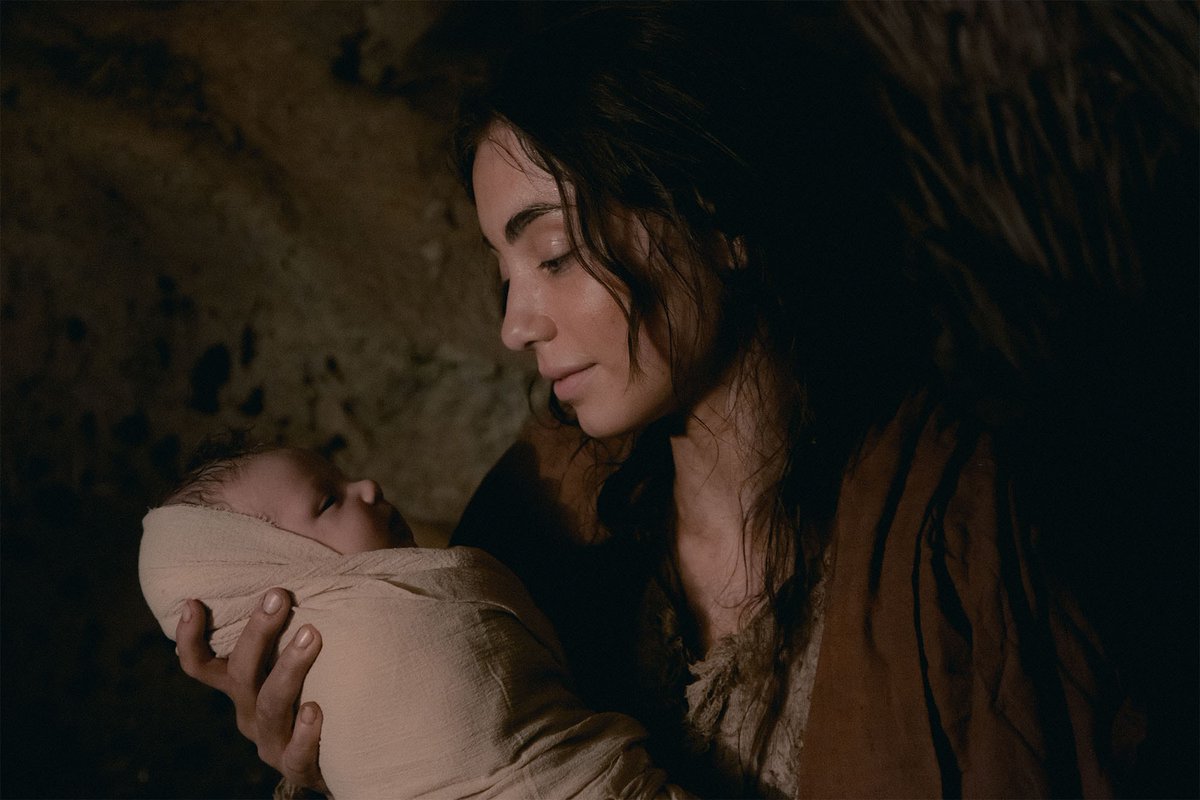
Earlier this month, The Church of Jesus Christ of Latter-day Saints released a video showing people across the globe viewing a special #LightTheWorld digital Christmas display in outdoor venues. Many of you may have already seen this video.
But what you probably haven’t seen is the full digital display—the actual video that people in places like England, Japan, and Australia saw on city streets. Today, I want to share what they saw with you.
How grateful I am for this sacred time of year to focus on the love and light of Jesus Christ. It is a blessing to be able to share it with all of God’s children—our brothers and sisters. I testify that Jesus Christ was born in a manger, that angels declared His birth, that He is our Savior and Redeemer, and that He lives today.
Yes, there is a difference between “weakness” and “weaknesses” in the context of Ether 12:27, and understanding this distinction can deepen our comprehension of the verse’s message.
The term “weakness” in this scripture refers to a broader, inherent condition of human frailty and imperfection. It encompasses the natural state of mortality, which includes tendencies such as pride, fear, doubt, selfishness, and susceptibility to sin. This weakness is a universal aspect of being human, designed by God to help us recognize our dependence on Him and cultivate humility.
When the Lord says, “I give unto men weakness,” He is speaking about this overarching condition of vulnerability and limitation. This weakness serves a divine purpose: it helps us turn to the Lord for strength and grace, as we cannot overcome it on our own.
In contrast, “weaknesses” refers to individual shortcomings, struggles, or specific areas where we fall short. These might include particular habits, temptations, character flaws, or skills we lack. While “weaknesses” are personal and varied from one individual to another, they are manifestations of the general “weakness” that all humans share.
For example, one person might struggle with impatience, another with dishonesty, and another with self-doubt. These are “weaknesses” in the plural, and they are unique expressions of the broader “weakness” that defines our mortal condition.
I think the Lord’s use of “weakness” rather than “weaknesses” in Ether 12:27 emphasizes that our entire mortal condition is divinely designed to lead us to humility and reliance on Him. He does not only address isolated flaws but the fundamental reality of our dependency on His grace. When we come unto Christ, He not only helps us improve in specific areas (“weaknesses”) but also transforms our entire nature so that our general “weakness” becomes a source of strength through Him.
This distinction reminds us that the purpose of recognizing weakness is not simply to fix a list of flaws but to draw nearer to the Lord and allow His grace to make us whole.
As Christmas approaches, I realize that some may have concerns and perhaps some anxiety about the future.
There may be a lot of “noise” in your life: more or less constant engagement online without downtime, without time to be quiet and reflect and think, without time to look inside and discern where you are and where you should be going.
You may be influenced by unrealistic expectations such as “perfection should be immediate” or “uninterrupted happiness and success should be the norm in life.”
I hope you will lay aside these misconceptions, dial down the “noise,” and take some time this Christmas season—at least an hour, if not more—to reflect on the wonder and the majesty of the Son of God. Let it be an hour of reassurance and renewal for you.
Take time to relax, be at peace, and see this little child in your mind. Do not be too concerned or overwhelmed with what is coming in your life. Instead, take a peaceful moment to contemplate perhaps the most serene moment in the history of the world—when all of heaven rejoiced with the message, “Glory to God in the highest, and on earth peace, good will toward men” (Luke 2:14).