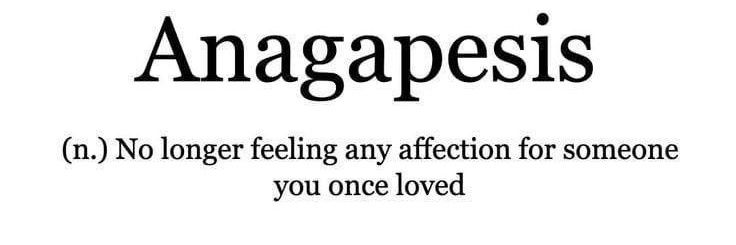
Two people can love each other
and still fail.
One needed reassurance.
One needed peace.
One kept asking.
One kept withdrawing.
Love was there.
Understanding wasn’t.
Some people DON'T want you to win, they want the version of you that still makes their life look like a choice. The second you stop being the contrast, the support DISAPPEARS.
There are men who will plan your birthday weeks in advance, making sure you feel loved, celebrated and appreciated. And then there are men who will make you cry on your birthday, leaving you wondering why someone who claims to love you could be so careless with your feelings. The difference is that one understands that loving you means caring about what matters to you, while the other leaves you questioning whether your happiness matters to him at all. Never convince yourself that wanting to feel special on your birthday is asking for too much. It’s not about expensive gifts or extravagant plans. It’s about thoughtfulness, effort and knowing that someone was excited to make you feel loved. There are people who will make you cry on days you should be celebrating and there are people who will go out of their way to make you smile. Never settle for someone who makes you feel guilty for wanting the kind of love that makes you feel cherished.
Do not tell people you are different. Show the artifact, number, or transformation that makes the difference visible. Concrete proof beats polished adjectives.
And suddenly…
You realized that some relationships don’t fail from lack of love, but from two people having completely different definitions of what love requires.
The people who scream you changed the loudest are usually the ones who benefited most from the old, easier to ontrol version of you. Good, stay changed.
Let them think you’re a little slower than you are. People relax when they don’t feel threatened, drop the act, and start showing their real patterns. That’s when you actually see who they are.
Not every betrayal involves cheating.
Sometimes, it is watching someone use the very things you trusted them with to hurt you.
Your insecurities become their weapons. Your private struggles become their ammunition. Your vulnerability becomes something they mock during arguments
Men will stay in a full relationship with you for five years, watch you build a whole life around them, and then hit you with "I'm just not ready for anything serious right now" the second you ask for commitment.
Don’t start telling people what you’re working on just because they’re being nice to you. The more opinions you collect, the quicker the whole thing loses steam.