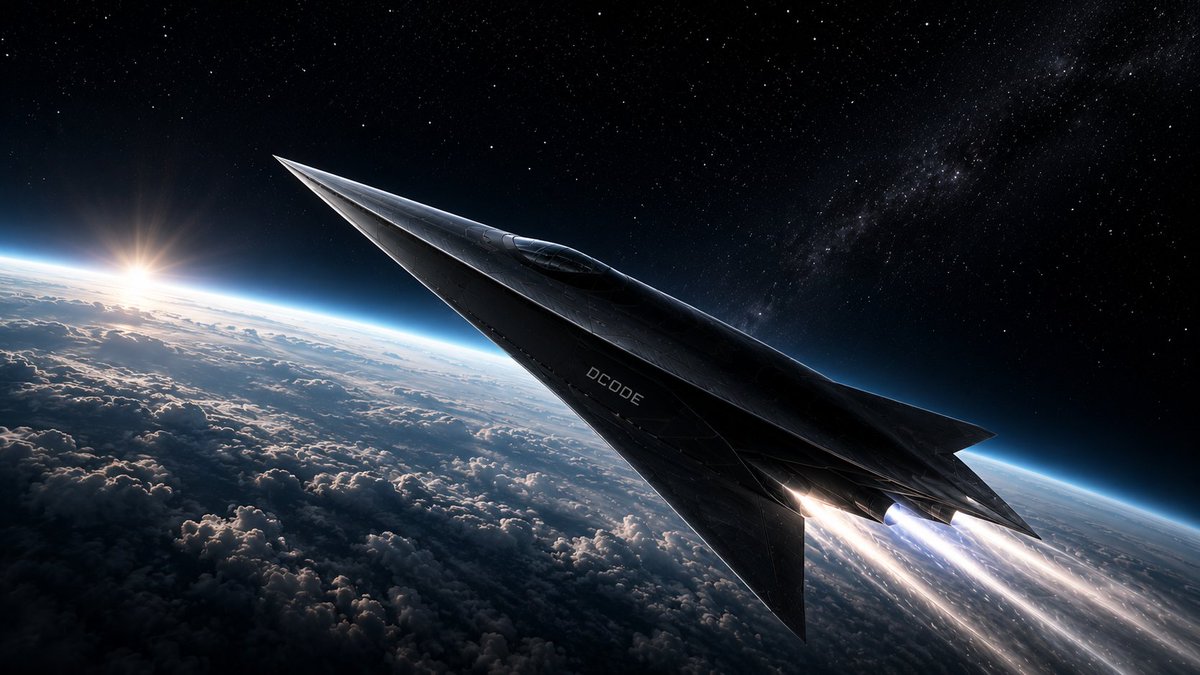
Humanity now places thousands of satellites around Earth to communicate, navigate, and connect. The question is not whether we can fill the sky with technology, but whether we can do so while preserving balance, responsibility, and wonder.
AI may become the intermediary between users and systems, assessing risk and escalating threats when necessary. With that capability must come responsibility, accountability, and human oversight.
@otokyo Material success can build a life, but meaningful relationships often help us understand ourselves. Love grows through patience, understanding, and mutual respect.
Wi-Fi. In healthcare, they can be part of Real-Time Location Systems (RTLS), helping locate patients, staff, and critical equipment throughout a facility in real time. Networking powers more than connectivity—it powers operations. #Networking#HealthcareIT#WiFi#RTLS
Companies like Dell Technologies are no longer just assembling office computers. They are helping build the actual physical AI infrastructure layer of modern society. With the introduction of AI, its incredible on how fast the industry infrastructure is changing into a new leap.
As AI demand grows, future data centers may move into space.
Why?
Natural cooling, near-limitless solar energy, and reduced strain on Earth’s power and water systems.
The challenge is cost, maintenance, radiation protection, and orbital infrastructure.
@realninawysocka Shake oil and water together.
They mix for a moment then separate again.
When change happens too much without balance, tension can grow for everyone.
Data centers aren't self-contained magic boxes, geography & climate still matter big time.
AI is driving insane demand, but building in cold climates (Nordics, Canada, northern US) slashes cooling costs by 30-40%+ via free air cooling. Hot spots? Brutal on power & water.
Eco-psychology / embodied cognition: Your nervous system is not isolated; it’s tuned to the rhythms of the living world. Nature acts like a mirror or amplifier for your mental state.