The DSCC is no longer posting on X due to ethical & safeguarding concerns, but the movement to Defend the Deep continues on Bluesky, LinkedIn and Instagram.
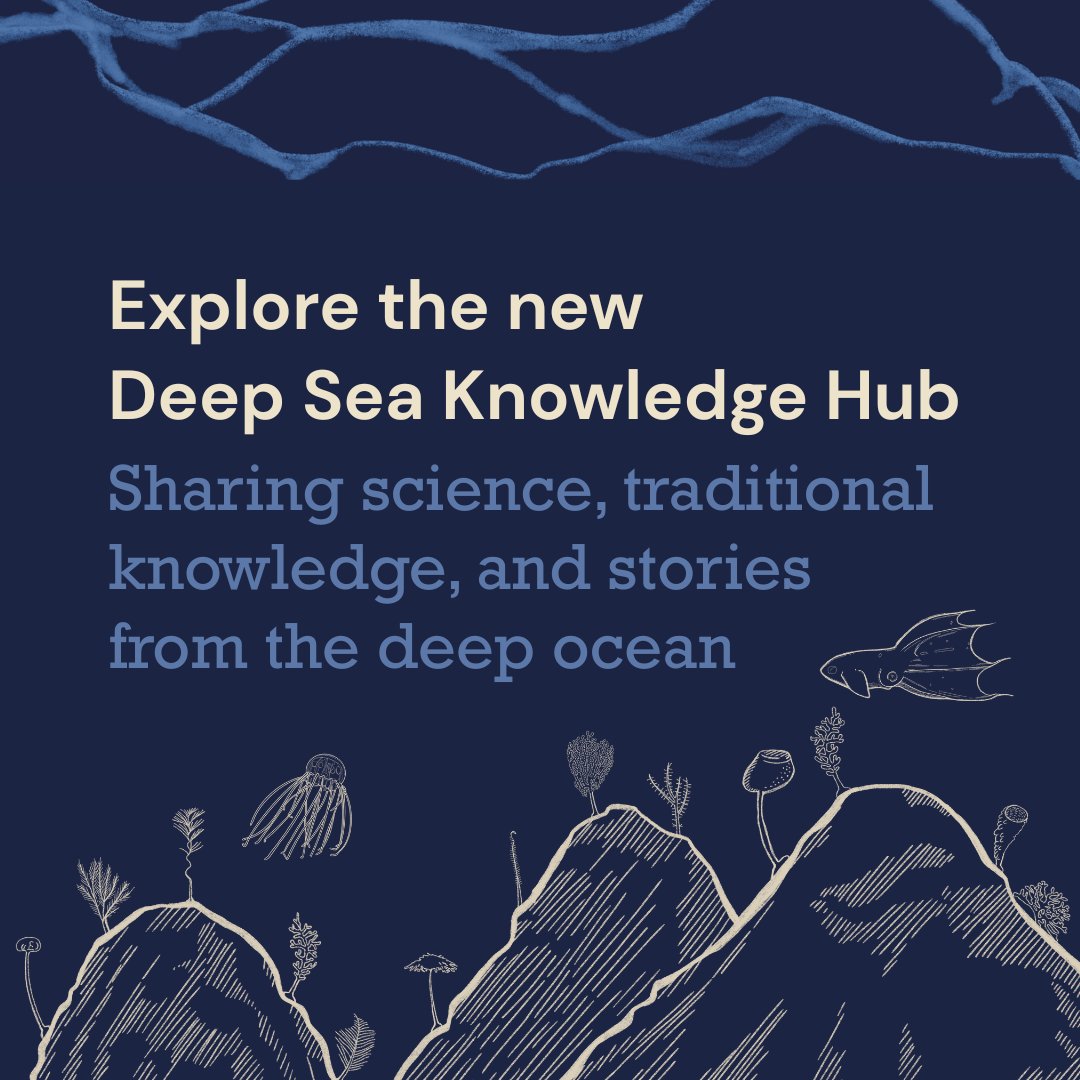
🆕 Today we are proud to launch the Knowledge Hub — a digital space to learn, share, and celebrate the vital role of the deep ocean for the Earth.
The deep sea is vital, mysterious, & vulnerable. Understanding it is key to protecting it.
Dive in: https://t.co/2GIK1kQ1Fw #DeepDay
New financial analysis highlights growing risks around The Metals Company’s #DeepSeaMining plans.
With no proven revenue or track record, deep-sea mining remains a speculative and risky bet.
https://t.co/b0cHME4gzk
Look at the pollution from a minor deep sea mining test with cloudy wastewater containing rock debris and sediment, pouring out from the side of the ship the will that will impact marine life Imagine the damage industrial Deep Sea mining will do
https://t.co/aGrHzbkJ2q
A call for the federal government to halt plans to lease some 35.5 million acres of sea floor east of the Mariana Islands got overwhelming support during Wednesday morning's public hearing at the Guam Congress Building.
https://t.co/QM05NJikWr
ROV pilots filmed this giant phantom jelly, or Stygiomedusa gigantea, at 253 meters during an ROV descent to explore the Colorado-Rawson submarine canyon wall. #ArgentinianDeepSeeps
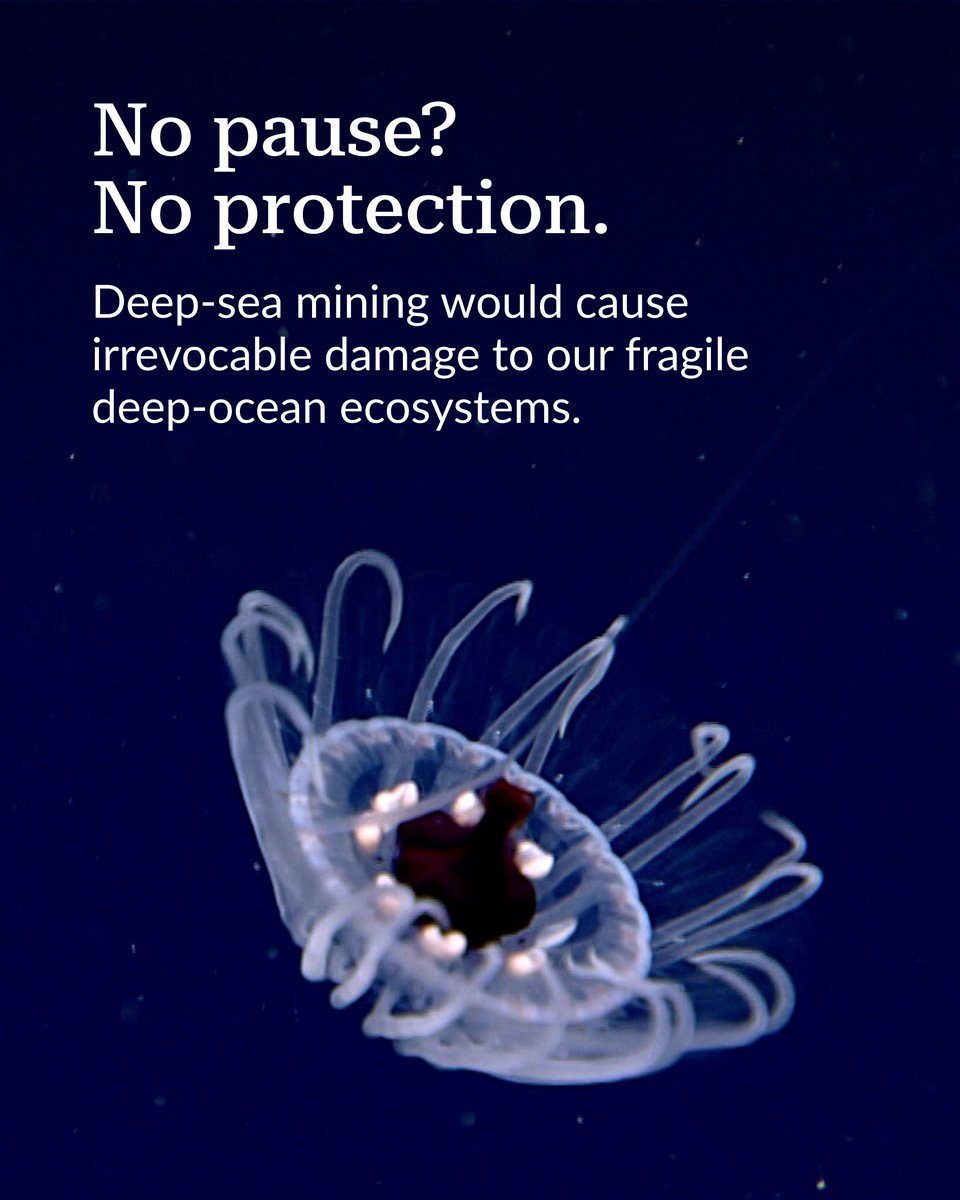
#DeepSea mining could severely harm marine biodiversity and ecosystems, but we still lack the knowledge and means to implement protections.
Our Issues Brief examines the potential impacts and what can be done.
➡️ https://t.co/BscccwjnKu
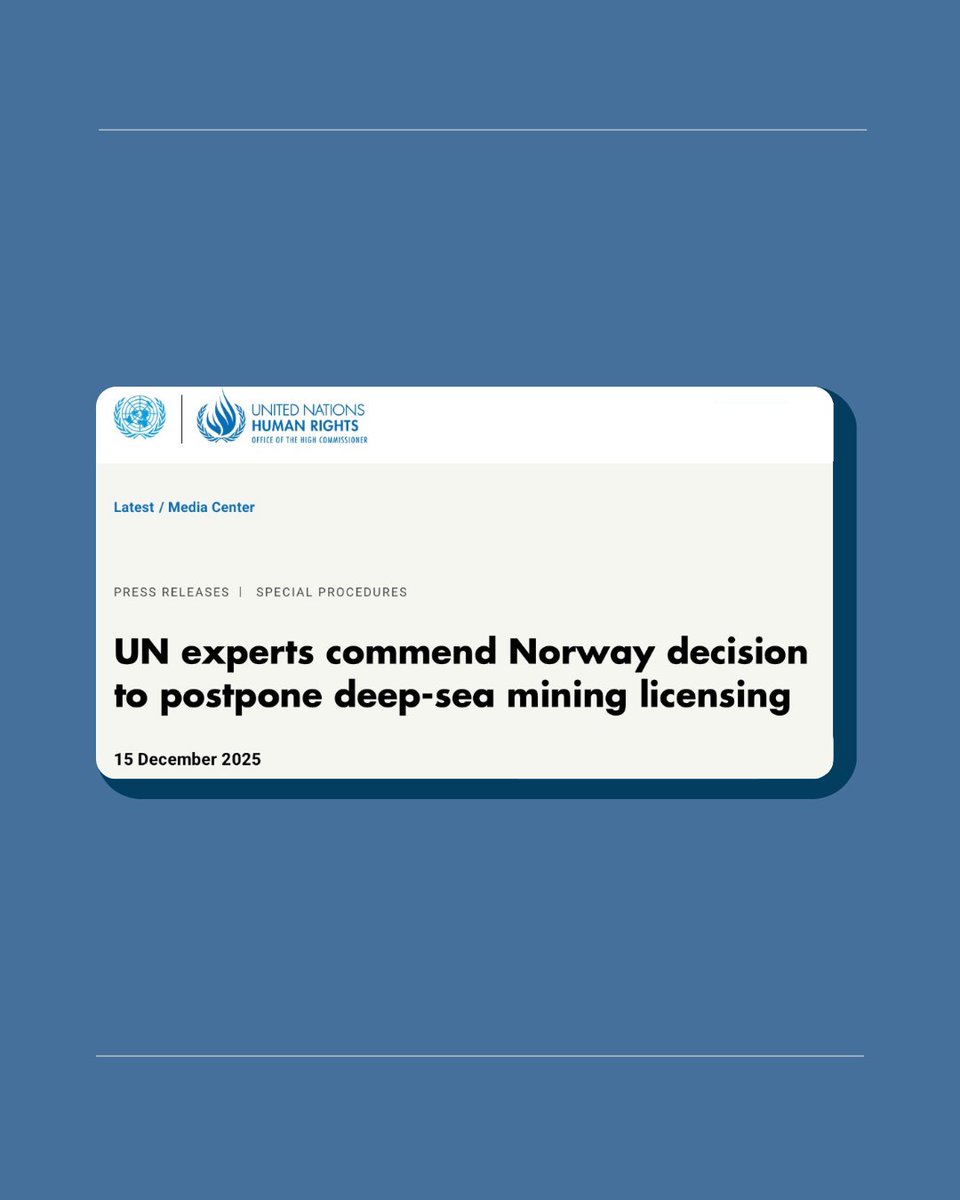
Independent @UN_SPExperts commend Norway's decision to postpone deep-sea mining licensing until at least the end of 2029.
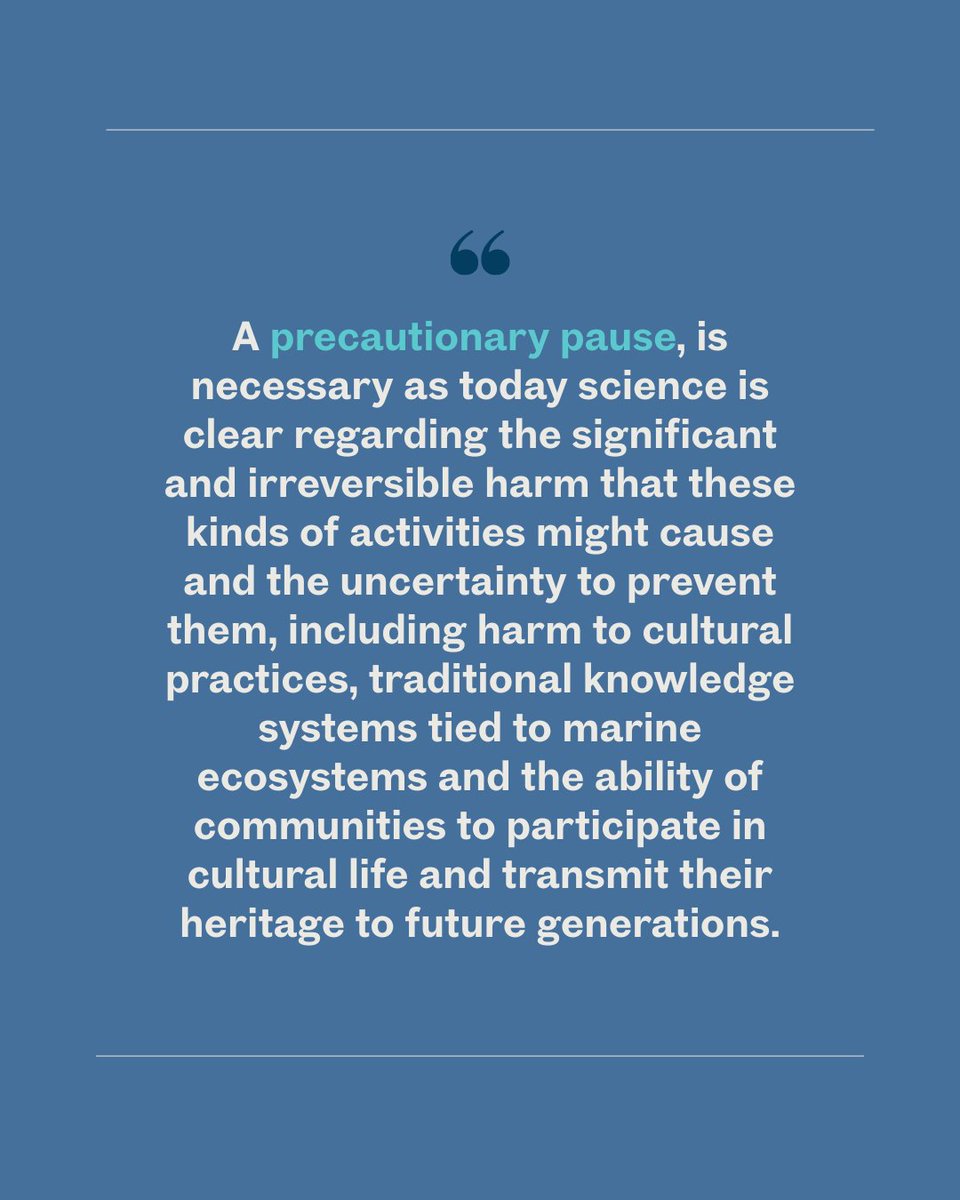
“Norway’s decision marks a major advance for ocean protection, environmental integrity, cultural identity and human rights.”
https://t.co/B49PFePZ4c
🌊 As UN SR on the human right to a clean, healthy and sustainable environment, along with @AlexXanthaki , SR in the field of cultural rights, and @AlbertBarume , SR on the rights of Indigenous Peoples, we commend #Norway decision to postpone deep-sea mining licensing.
#Norway’s decision to halt the issuance of any deep-sea mining licences until at least the end of 2029 marks a major advance for ocean protection, environmental integrity, cultural identity & human rights
https://t.co/xDlVSorurM
Deep sea mining companies are desperate to exploit minerals at the bottom of the Pacific ocean. To get their way, they’re making false claims about the economic and environmental benefits this destructive industry will bring.
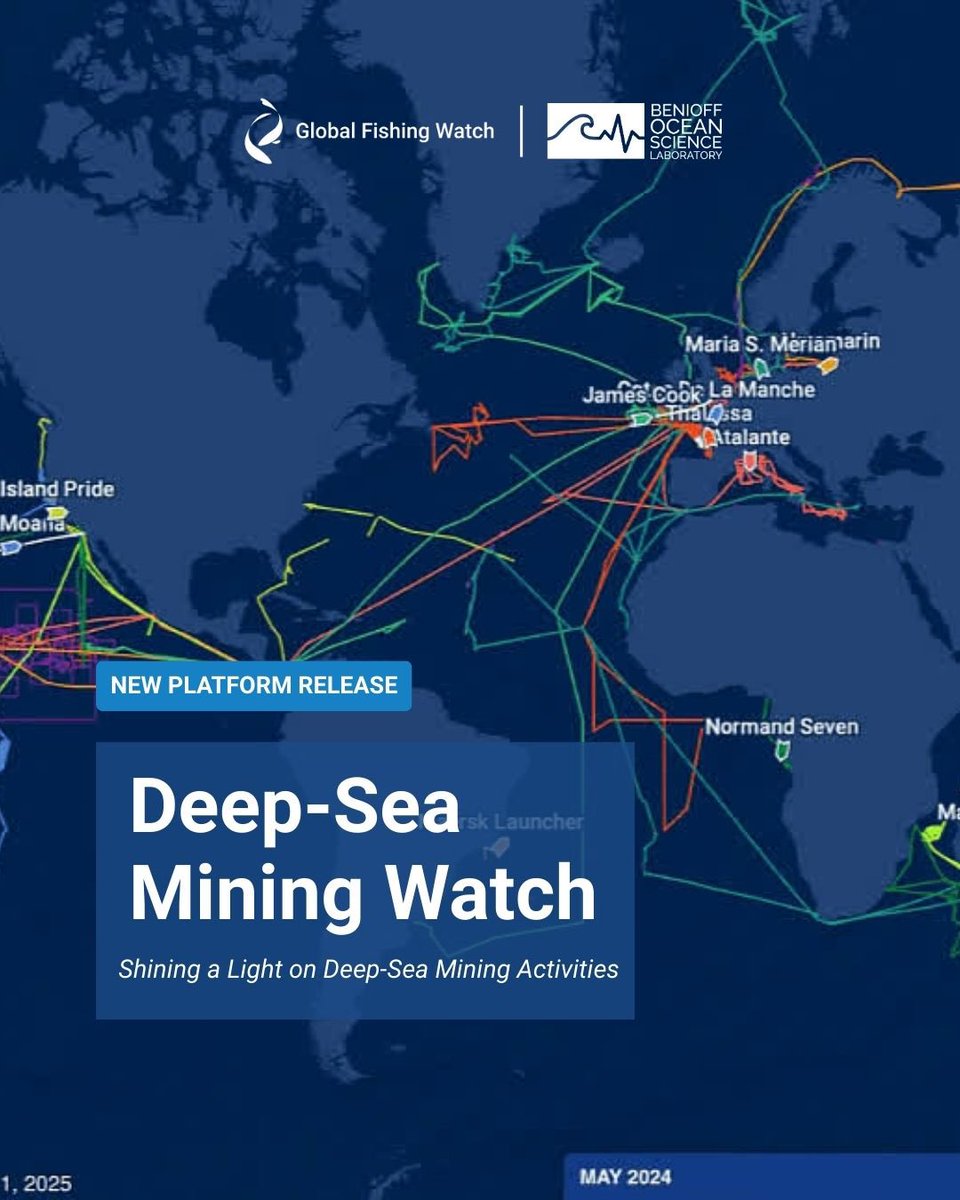
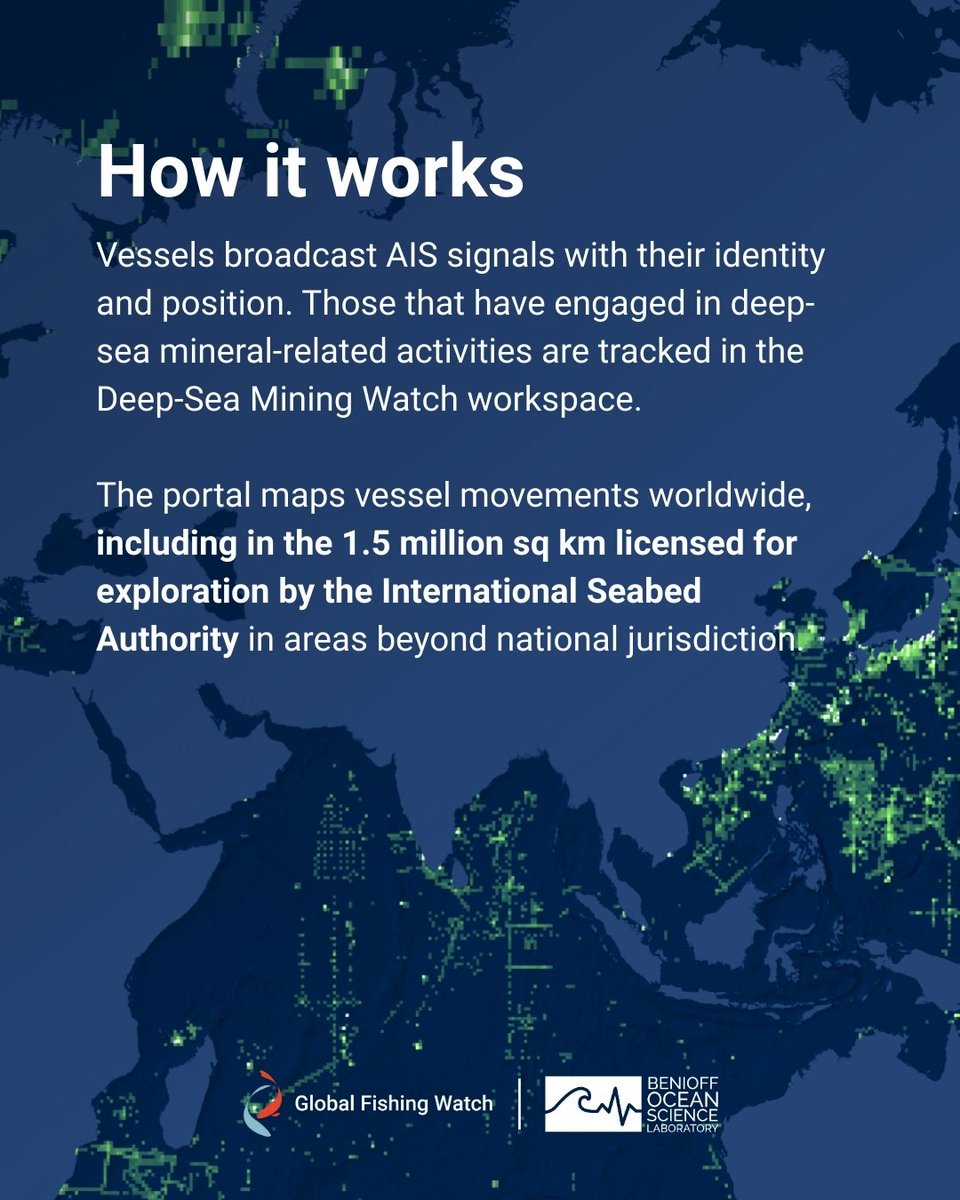
📣 BREAKING: Deep-Sea Mining Watch is LIVE. Developed by the @UCSBenioffOcean and powered by @GlobalFishWatch technology, this new public data portal maps vessel activity linked to deep-sea mineral exploration around the world.
Read the press release: https://t.co/3Ye1cVwS9Y
Explore the new portal → https://t.co/gCtxaW7nXH
Phys Org - Study measuring impacts of deep-sea mining machine finds abundance of animals at the site decreased by 37%
The reduction in abundance of animals caused a 32% reduction in species richness in the directly impacted regions.
https://t.co/wvUhBXOLJj
❌Deep Sea Mining tests impact over a third of seabed animals.
Machines mining minerals in the deep ocean have been found to cause significant damage to life on the seabed, scientists carrying out the largest study of its kind say.
https://t.co/M8KoK3DQX3
#deepseamining
NORWAY ABANDONS DEEP-SEA MINING IN THE ARCTIC UNTIL AT LEAST 2029 The @DeepSeaConserve Coalition (DSCC) welcomes the decision by the Norwegian Parliament to stop all plans for deep-sea mining in Arctic waters until the current parliamentary period ends. https://t.co/epPKPqQyHN
Newly elected Norwegian government ruled out deep sea mining licenses in Arctic waters until at least the end of 2029.
#DeepSeaMining🪸⛏️
https://t.co/7pla8Wr6dO
🎧 LISTEN: podcast highlighting #DeepSeaMining risks of plumes ⚠️ & noise 🔊 on migratory species such as whales 🐳 , dolphins 🐬 , skates & turtles 🐢, migratory seabirds 🪽 & eels 🐍 -& the marine life they depend on.
https://t.co/BcqqJ5PrAz
An deep sea encounter with a Big-Eye Jellyhead octopus (Cirrothauma cf. magna) seen in a timelapse at a depth of 4800m (15,750 feet).
📽: Deep Sea Research Centre
COP30 elevated the ocean, bringing it closer to the heart of the global climate agenda, but the deep sea – everything below 200 metres and making up roughly 90% of the ocean – stayed buried in the margins. https://t.co/Wo2jcVyyg6
The deep ocean is still mostly unexplored—and so are the risks of mining it. Without sufficient scientific knowledge, it's impossible to write rules that truly protect marine life.
If we can't measure the impact, we shouldn't take the risk. @deepseaconserve
We were at the @UN_FAO_GFCM annual meeting urging stronger deep-sea protection in the Mediterranean. Pilot projects show the costs for fishers are minimal, yet countries missed a key chance to act.
The EU must lead & extend the trawl ban to at least 800m by 2026. #DefendTheDeep