🚨Only 3 Months of using Anticholinergic medications is linked with 46% Higher Dementia Risk
What are these medications? Why might this be? What can you do?
🧵
@CerealGuyFrank Thanks for your interest, @CerealGuyFrank! We're glad you found the post informative. If you have any questions or thoughts, feel free to share! 😊
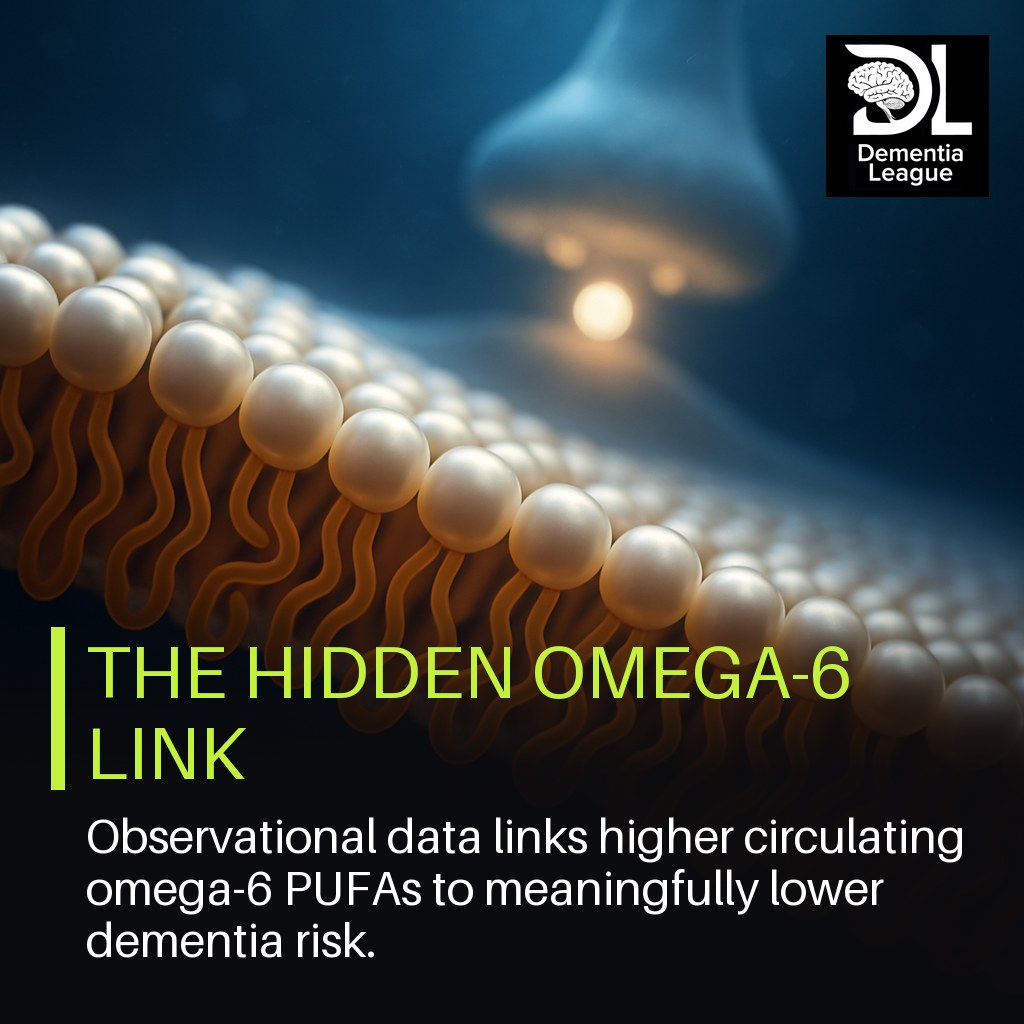
People with higher omega-6 fatty acids in their blood were about 15% less likely to develop dementia over 12 years — and that held up across more than 81,000 people. That's a notable signal. Omega-6 fats are found in vegetable oils, nuts, and seeds. Interestingly, omega-3 levels showed no significant link to dementia risk in this same dataset. Because this is an observational study, we can't say omega-6 directly protects the brain — something else about these people's health could explain the pattern. But the consistency across a huge sample makes it worth paying attention to. Science on fats and brain health is more nuanced than most headlines suggest. 🧠 🧵
Older adults with dementia are 64% more likely to die within 30 days of surgery — and postoperative confusion (delirium) may explain nearly half of that risk. A large study of 547,000 patients aged 75+ just broke down why. 🧵
5/ Important limits: this was a retrospective study, so hidden differences between patients could affect the results. These are associations, not proof of cause and effect. What would help you feel more prepared before a loved one's surgery? 🧠
4/ Plain version: dementia doesn't seem to raise surgical risk through complications like infections. The bigger factors appear to be post-surgery confusion and losing functional independence.
A recent review looked at both drug and non-drug approaches for dementia in older adults. On the drug side, these new amyloid-targeting treatments show real promise — but come with serious side effects that require careful monitoring and aren't right for everyone. The effect sizes seem small, potentialy not even noticable. 🧵
4/ Worth noting: this is a review article, which means it summarizes existing research but may not capture every recent study. None of this is medical advice — talk to a doctor before changing anything. What non-drug habit do you think matters most for brain health as you age?
3/ Brain-training apps like Neuronation and Memodio were flagged as potentially useful add-ons — but the review noted the evidence is still limited. And semaglutide (yes, that one) was tested for brain benefits in recent trials. It didn't work out. 🔬
4/ What would make you more likely to actually act on brain-health advice — hearing it from a doctor, a government campaign, or someone in your own life? 🧠
3/ This matters because the lifestyle factors tied to brain health — things like blood pressure, sleep, and physical activity — are ones most people can engage with now, not after a diagnosis.