@agronomistag@MikeGrunwald commercialization is also a huge hurdle to overcome. here is an example from over 25 years ago. in the greenhouse (not in the field), this one insertion got them a ~30-55% yield increase in potato. https://t.co/Vpme6b8HYe
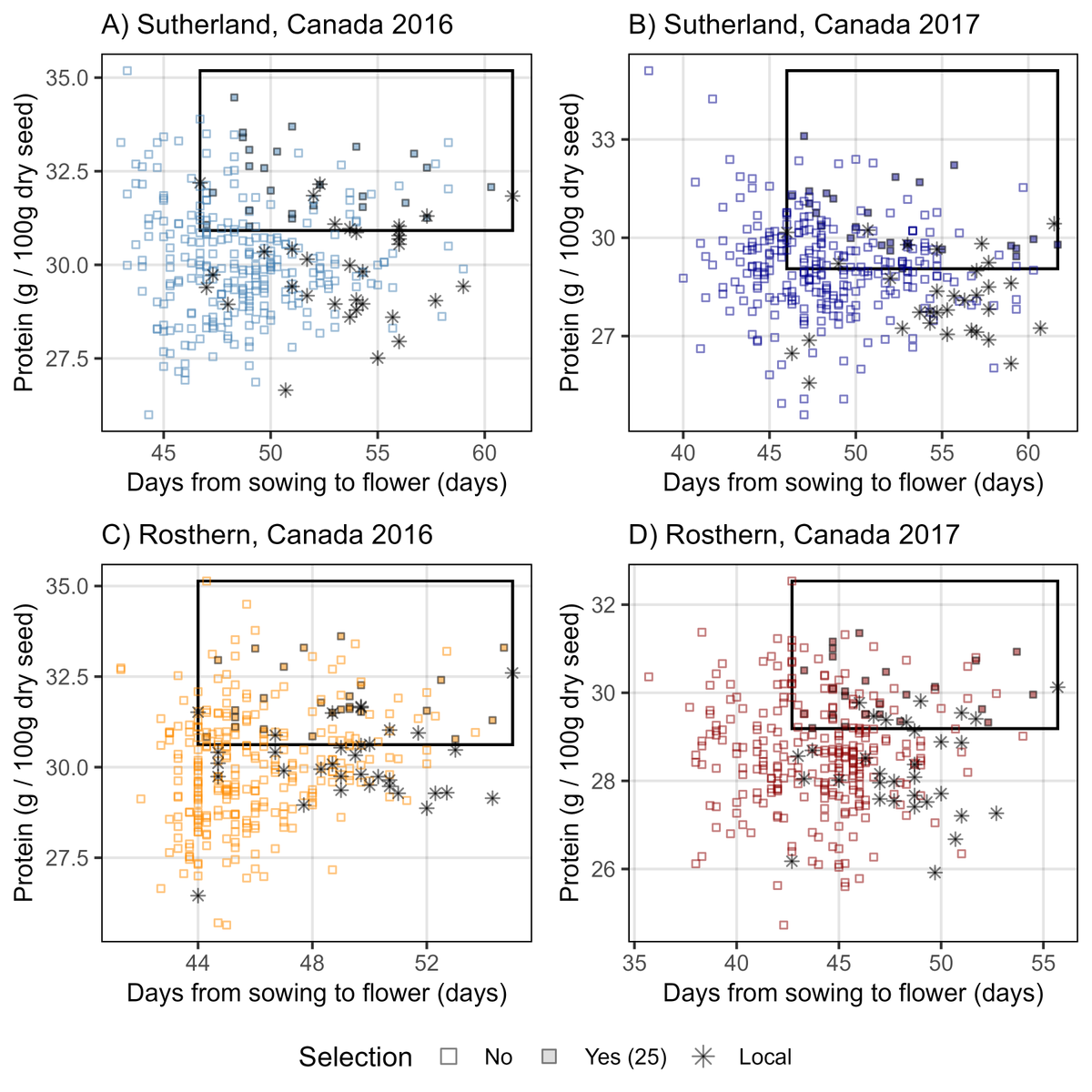
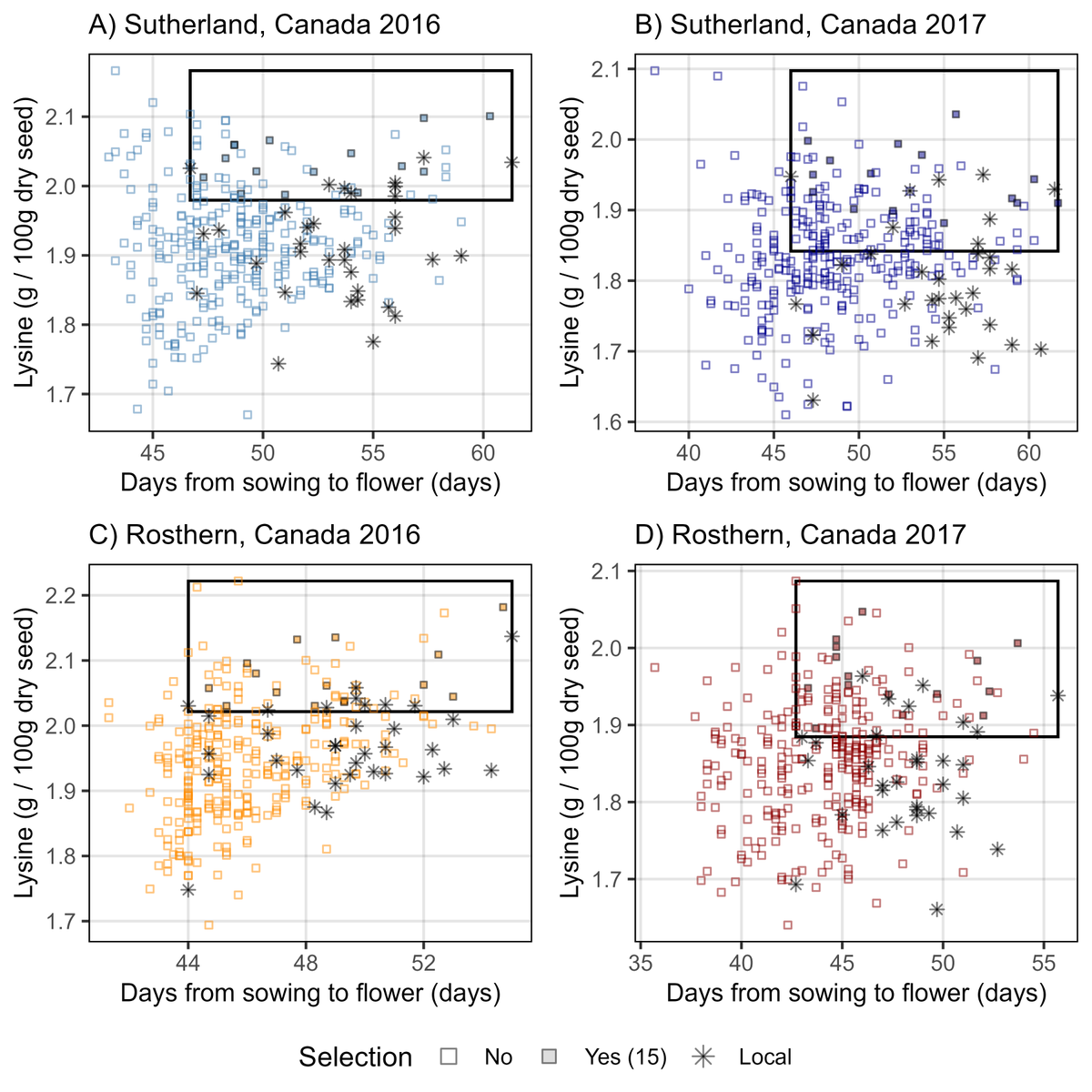
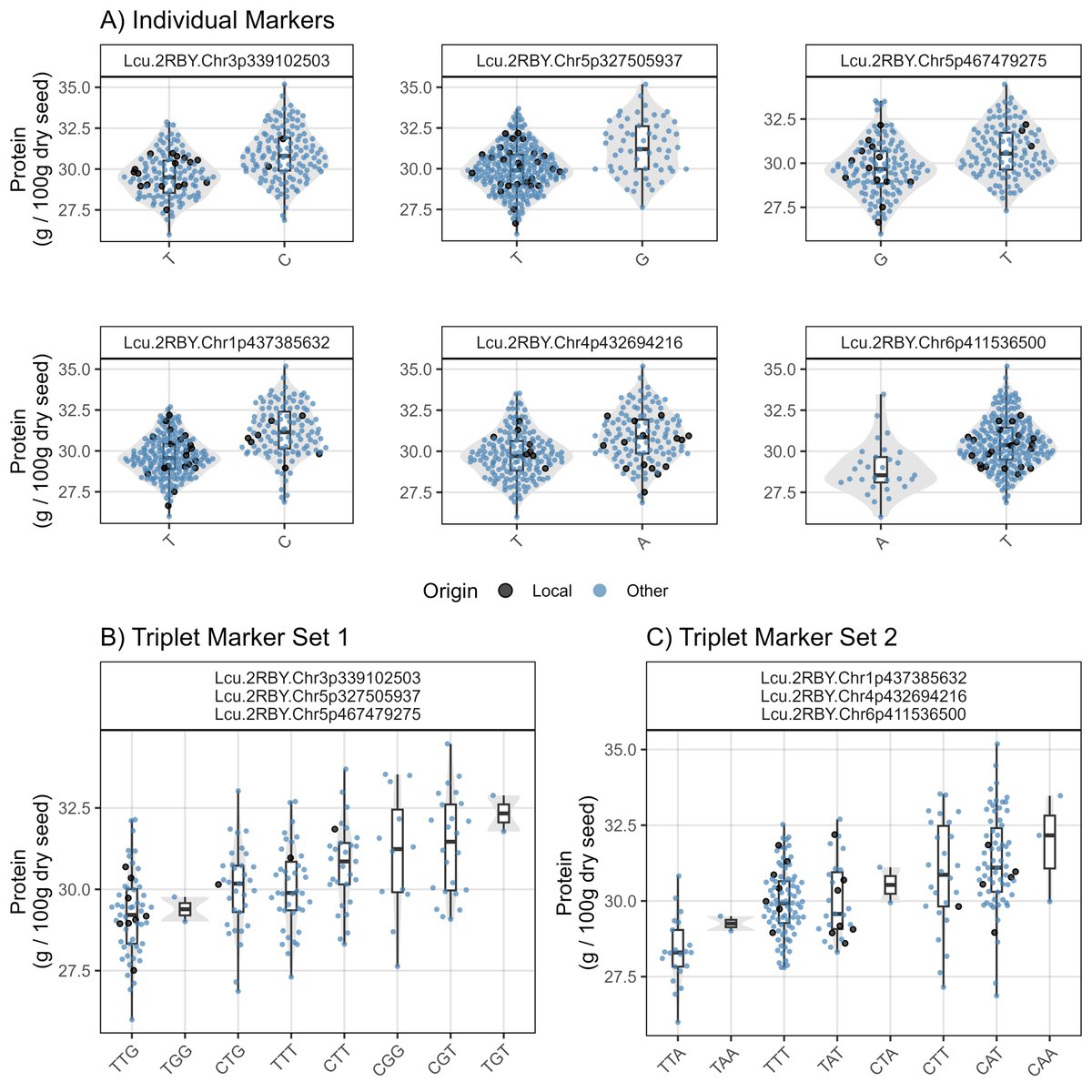
This information can be used to identify genotypes with increased protein or specific amino acid concentration along with appropriate phenology (the black box), and identify potential markers for use in MAS.
Breeding potential of cultivated lentil for increased protein and amino acid concentrations in the Northern Great Plains. Crop Science. (2025) 65(3): e70085.
https://t.co/c2yQGXvZWU
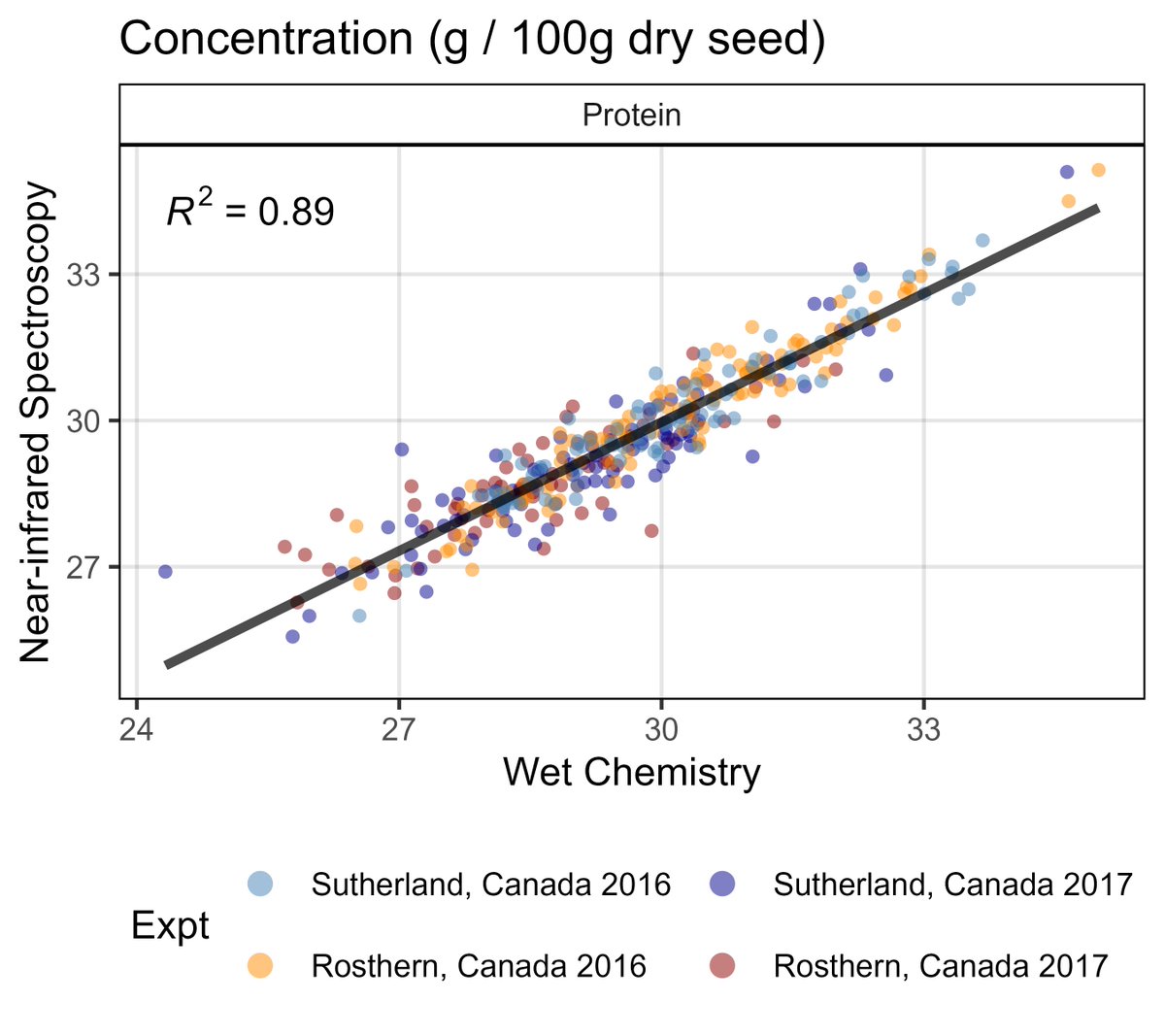
Using NIR, we can now phenotype lentil seed for protein and amino acid concentration in a high throughput and non-destructive method to evaluate large populations grown in multiple environments
@FashionableRes1@ClimateBen oh no! red is scary color. I should clarify that my optimism doesnt include countries that lack a proper government or are at war, which is unrelated to climate change. im only optimistic towards developing countries with a stable government.
@FashionableRes1@ClimateBen arguments from authority mean nothing to me. I am one of these "experts". I have a pieces of paper from universities that say so.
I havent cherry picked the data. you sent me the data. I simply looked at the trend among poor countries
@FashionableRes1@ClimateBen click the link you sent me and scroll down.
and yes, I made my conclusion by looking at their graphs of global food security index and saw an awesome trend upward in the majority of the poorest countries on earth. very good news. I predict it will be even better in the future
@FashionableRes1@ClimateBen its from the link you sent me. I suggest you read it.
I am optimistic because we have achieved awesome success improving global food security and all data suggests that we will continue to improve going forward. scientists are doing lots of cool and promising research.
@simonmaechling and you just confused it with a scientific discipline. ecology is not a religion, it is a field of biology. I would highly recommend you delete this tweet
@simonmaechling E.g. both germany and saskatchewan grow canola and wheat, the same crops, but they grow winter varieties and we grow spring varieties. By simply growing different varieties in different environments they require different inputs. The organic difference between us is meaningless
@simonmaechling FAO keeps data on what crops countries grow and how much acreage they have under organic. They also have data on input usage (fertilizers and pesticides).
Also just general common knowledge of agricultural practises across different regions will suffice.
@DavidKucher@AgBioWorld As you demonstrate, this is very easy to explain. Winter vs spring types. The problem is that ommiting inconvient data is extremely bad practise that must be called out. I find it very unsettling that the reviewers let this through.
@simonmaechling Just an FYI, but this is what we would call misinformation. It's an absurdly false statement and will mislead the public about agriculture
@simonmaechling Yes. Because they farm different crops which require different Inputs. This has nothing to do with organic, which is insignificant in crop acreage at the country level.
Unless you make a proper comparison with an actual "organic" country (where farmers cant afford pesticides)