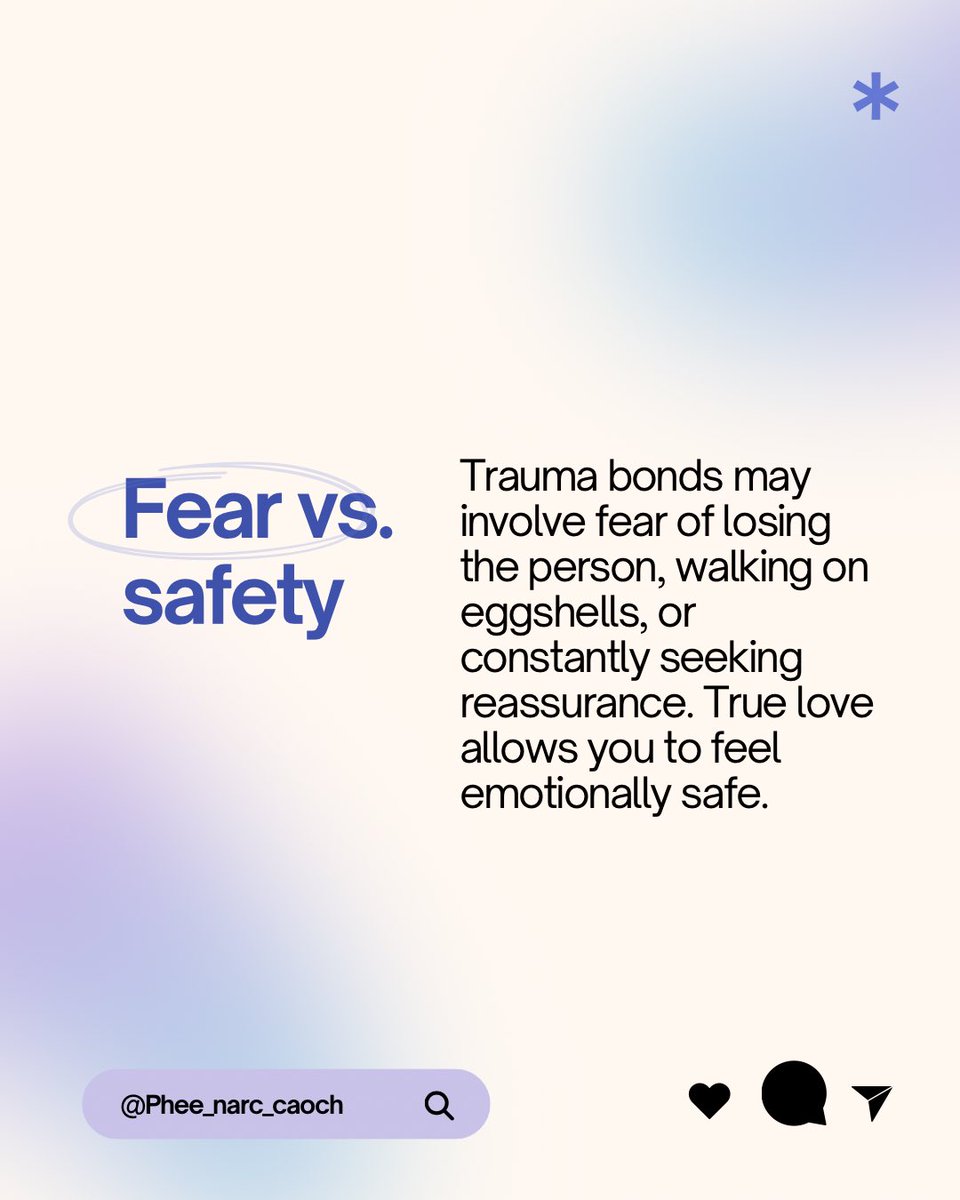
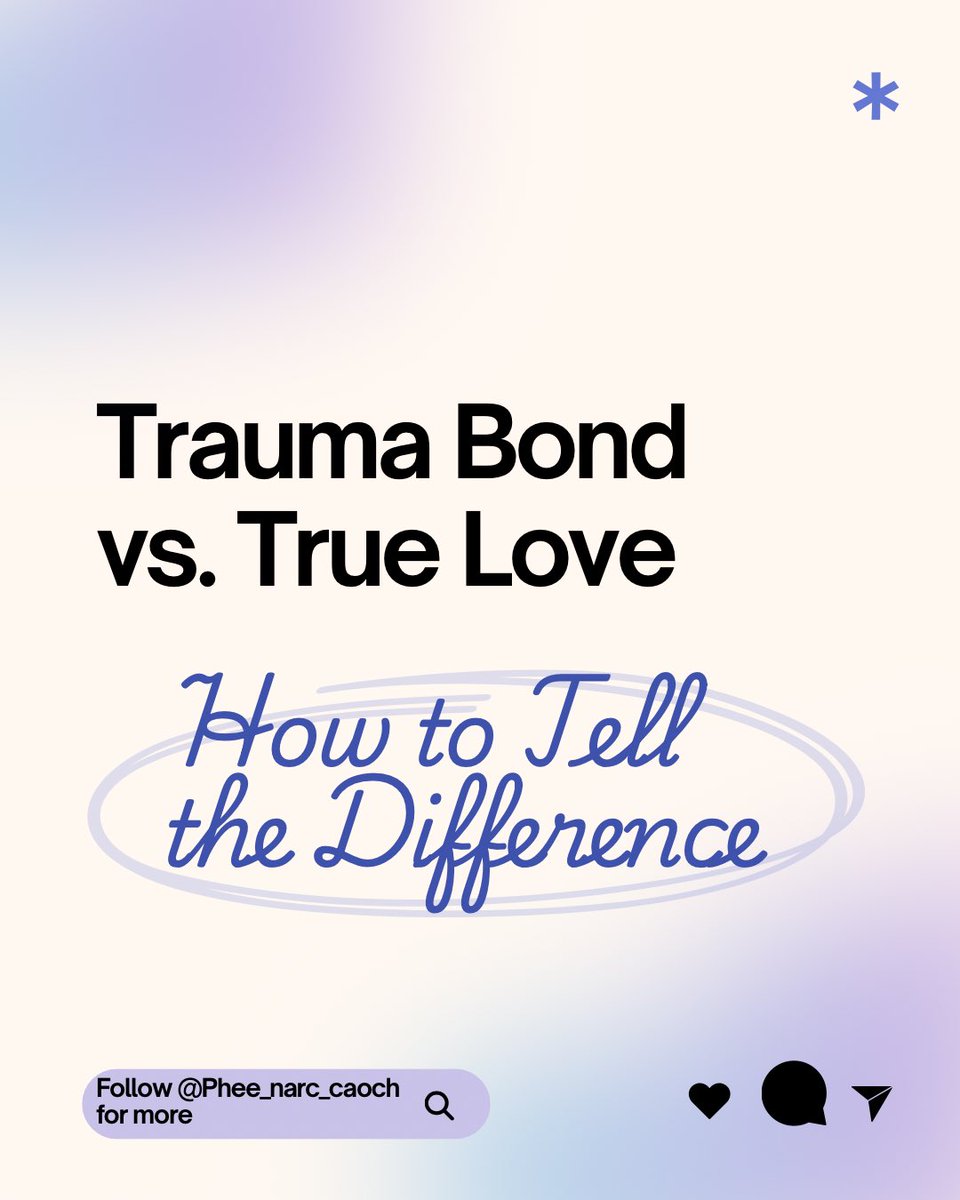
A trauma bond can feel intensely powerful, but it often comes with emotional highs and lows, fear, confusion, pain followed by temporary relief, and losing yourself to keep the relationship.
#mjakmiłość
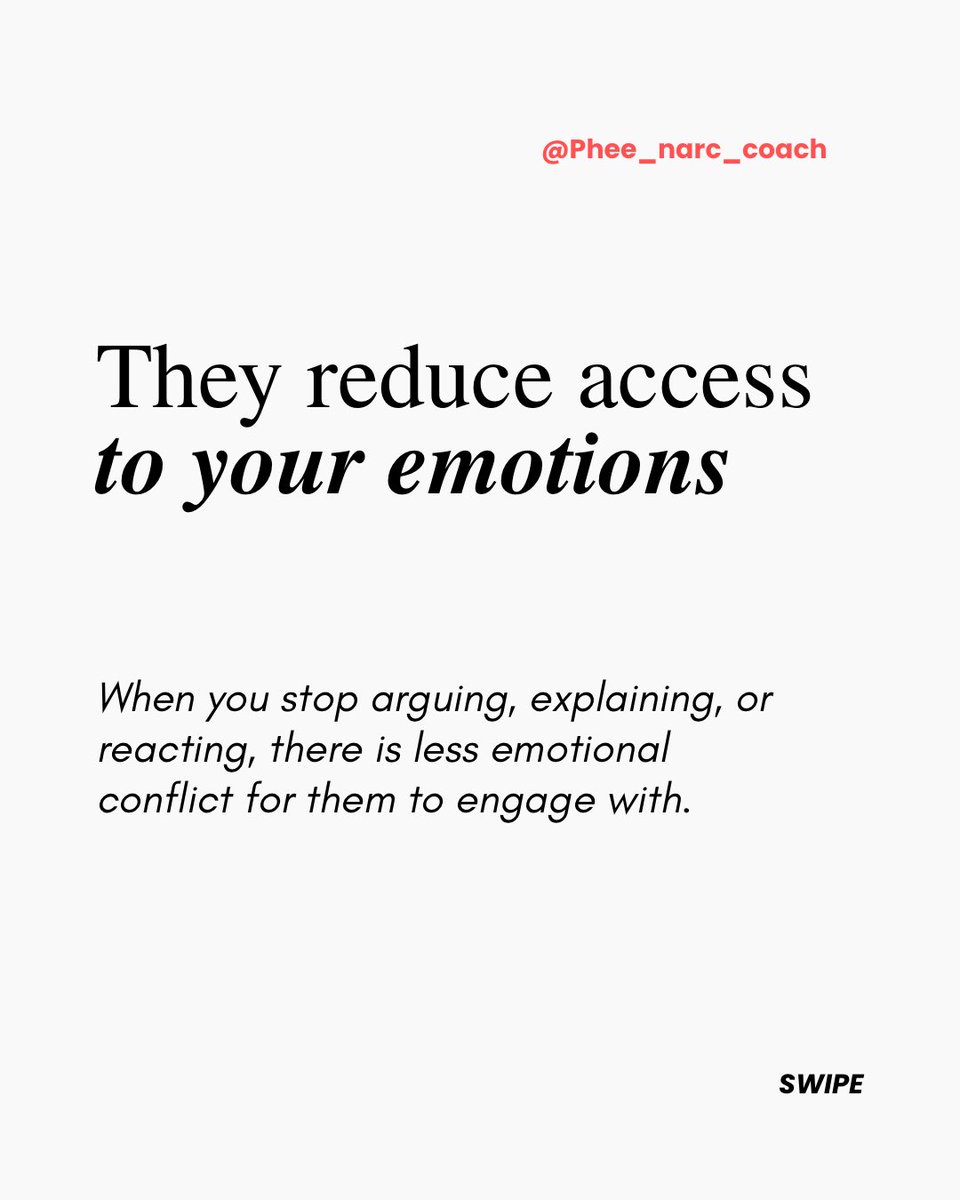
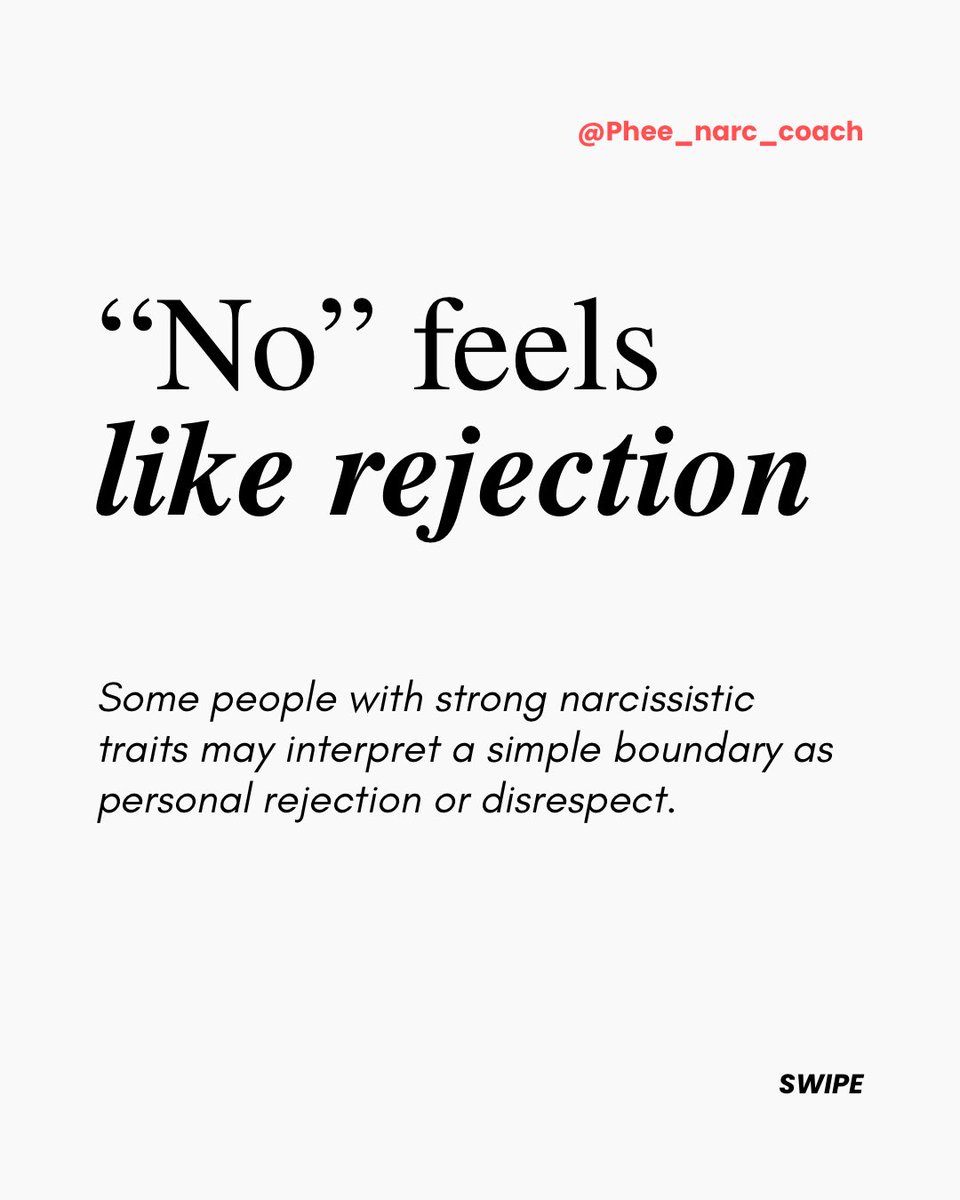
People with strong narcissistic traits may struggle with boundaries because limits can feel like rejection, reduce their access to your attention and emotions, and challenge a sense of entitlement or control.
#Narcissism#Narcissist#NarcissisticAbuse
Manipulative behavior can provoke you, deny what happened, shift blame, and turn your boundaries into evidence against you. Over time, constantly defending yourself can make you question your own behavior and wonder if you’re actually the problem.
#narcissist, #narcissism
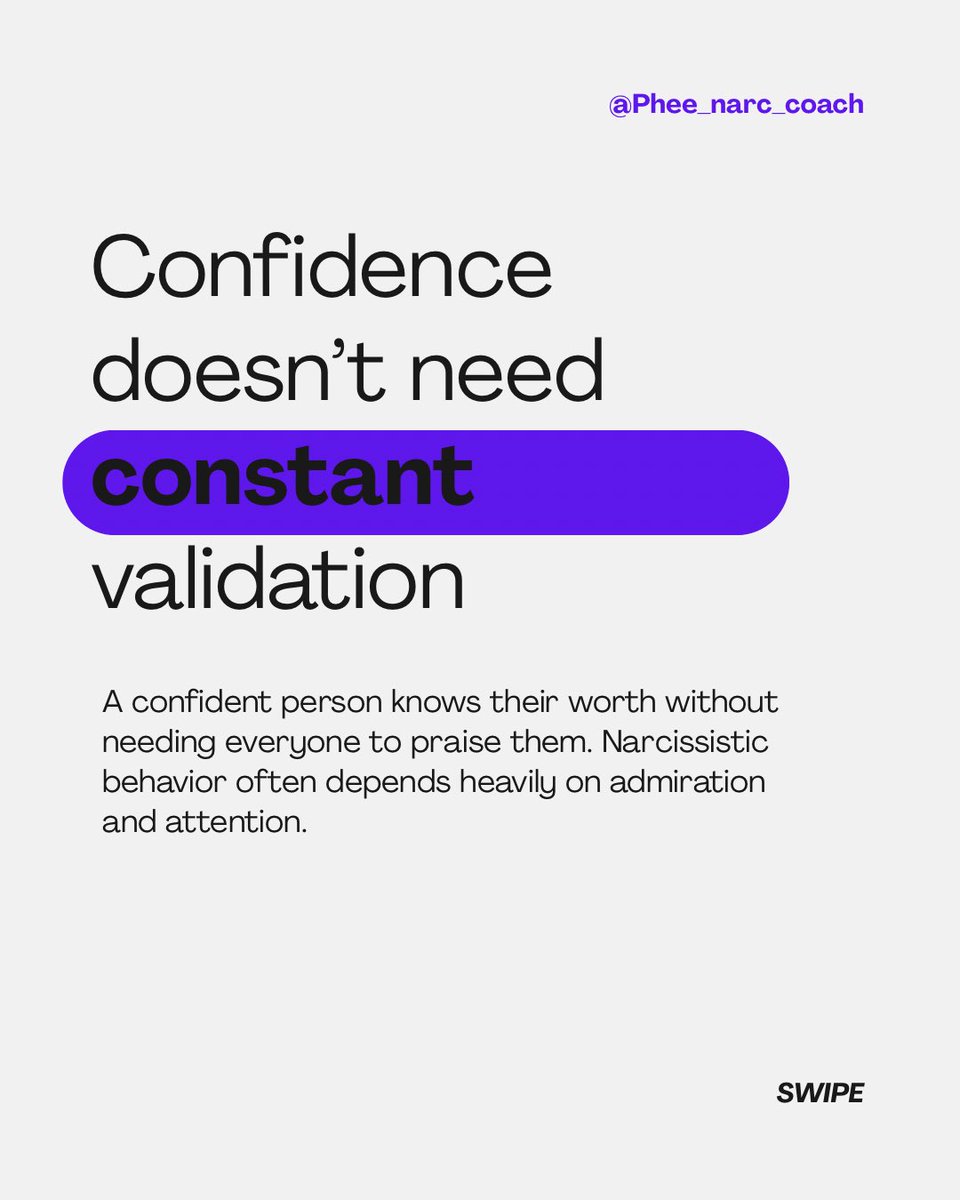
Confidence comes from knowing your worth without needing to prove it to everyone. A confident person can accept feedback, respect boundaries, celebrate others’ success, and take responsibility for mistakes.
#Relationships#MentalHealth#PersonalGrowth
When someone with strong narcissistic traits hurts you and then suddenly becomes the victim, it can be a way to avoid accountability and shift the blame.
#ستمبر_مزاحمت_عہد_ہمارا
When someone has strong narcissistic traits, they may feel both admiration and insecurity toward a confident, independent person. Your strength, success, and boundaries can trigger envy or make them feel less in control, leading them to criticize, belittle and undermine.
#self
People with strong narcissistic or controlling traits may use intimidation to create fear and discourage you from standing up for yourself. This can involve anger, threats, invasion,involving others in conflicts, or creating an atmosphere where you feel afraid to speak up.
#fyp
A person with strong narcissistic or controlling traits may test your boundaries to see whether you will actually enforce them. They might start with small violations, use guilt, become angry when you say no, pretend not to understand and give you the silent treatment.
#fyp
Manipulative people often control others by making them doubt their feelings, boundaries, and self-worth. They may tell you that you’re too sensitive, that everything is your fault, or that you can’t do better without them.
#fypシ゚viral#Narcissist#narcissisticabuse
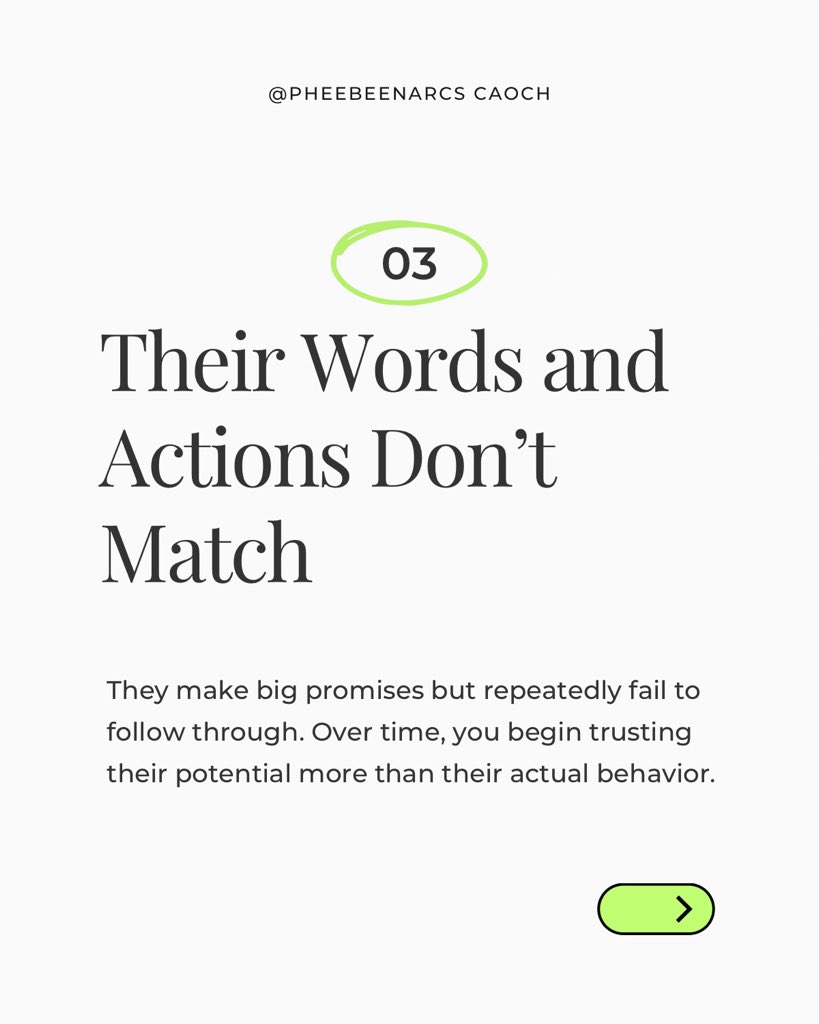
The biggest relationship red flags are often consistent patterns of unhealthy behavior rather than one-time mistakes. These can include refusing to take responsibility, ignoring your boundaries, making promises they don’t keep, isolating you from loved ones.
Changing narcissistic behaviors starts with recognizing them and making a genuine commitment to grow. This means taking responsibility for your actions, developing empathy, accepting constructive criticism, respecting other people’s boundaries, and building healthy self-worth.