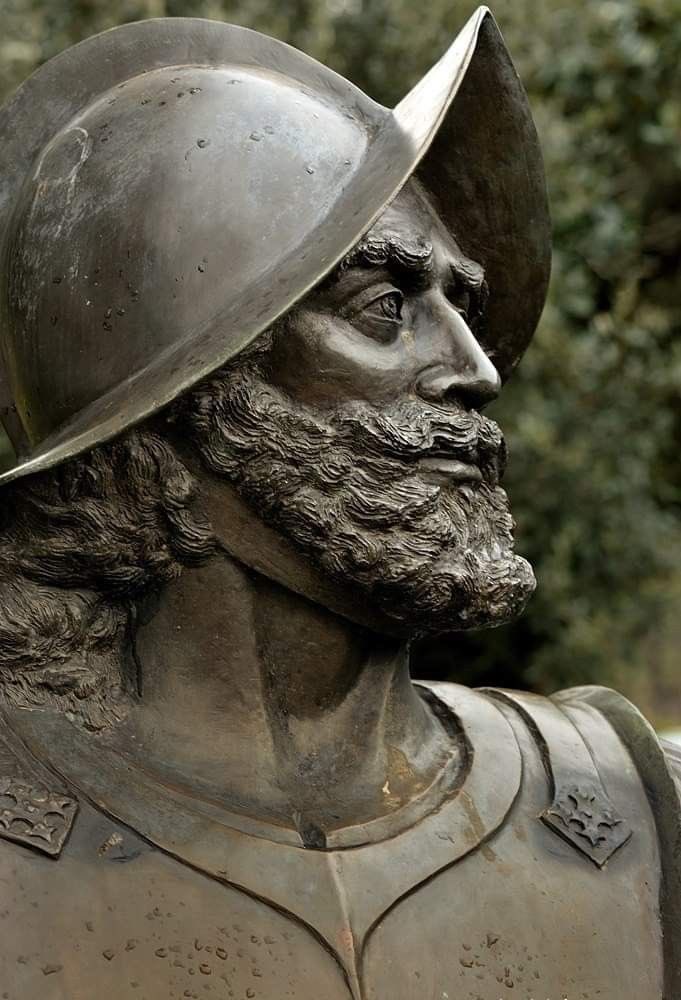
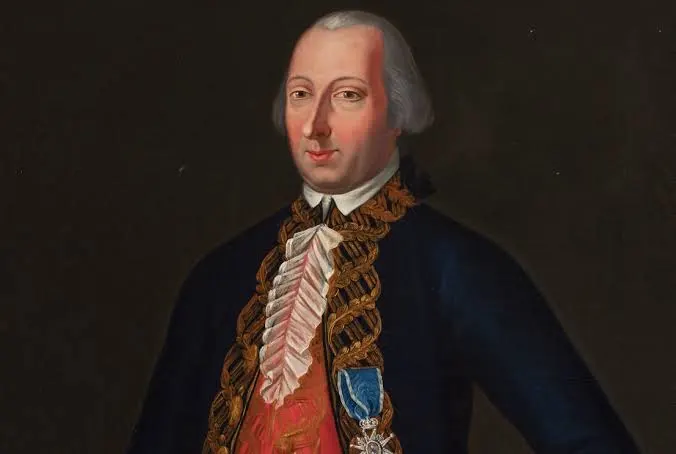
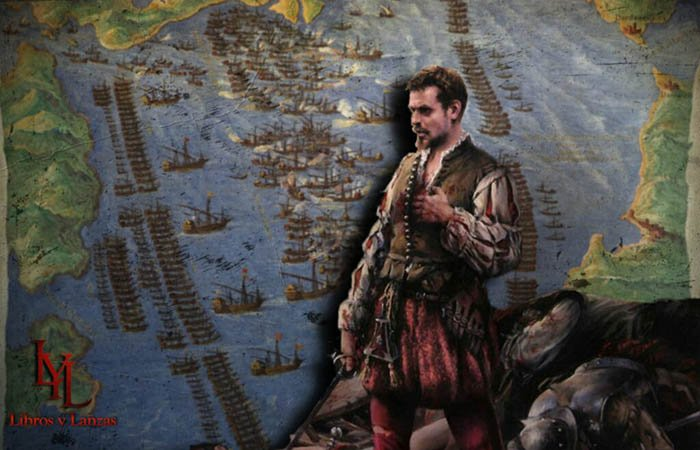
245 years ago today, a 35-year-old Spanish nobleman fired a single artillery shell that redrew the map of North America, broke British power in the Gulf of Mexico, and arguably saved the American Revolution. His name was Bernardo de Gálvez. He's not in your textbook. He should be.
When Spain entered the war against Britain in June 1779, the American cause was bleeding out. Washington's army was unpaid and shrinking. The Continental dollar was worth pennies. The British had taken Savannah and were preparing to take Charleston. France was helping, but France alone couldn't bankrupt the British Empire.
Spain could. And in New Orleans sat the man who would prove it.
Bernardo de Gálvez y Madrid was 33 years old, the governor of Spanish Louisiana, a battle-scarred career officer who had been wounded fighting Apaches in northern Mexico and Algerians in North Africa. The day he learned Spain had declared war, he didn't wait for orders from Madrid. He raised an army of Spanish regulars, Louisiana Creoles, free Black militia from New Orleans, Acadian refugees, German settlers, and Choctaw scouts, and he went on the attack.
In three months he took Manchac, Baton Rouge, and Natchez. The next year he took Mobile. The British presence on the Gulf shrank to one last fortress. Pensacola, the capital of British West Florida, defended by Major General John Campbell with 1,500 redcoats, the 3rd Waldeck Regiment of German mercenaries, loyalist battalions from Maryland and Pennsylvania, and a powerful alliance of Creek and Choctaw warriors led by the brilliant mixed-race chief Alexander McGillivray.
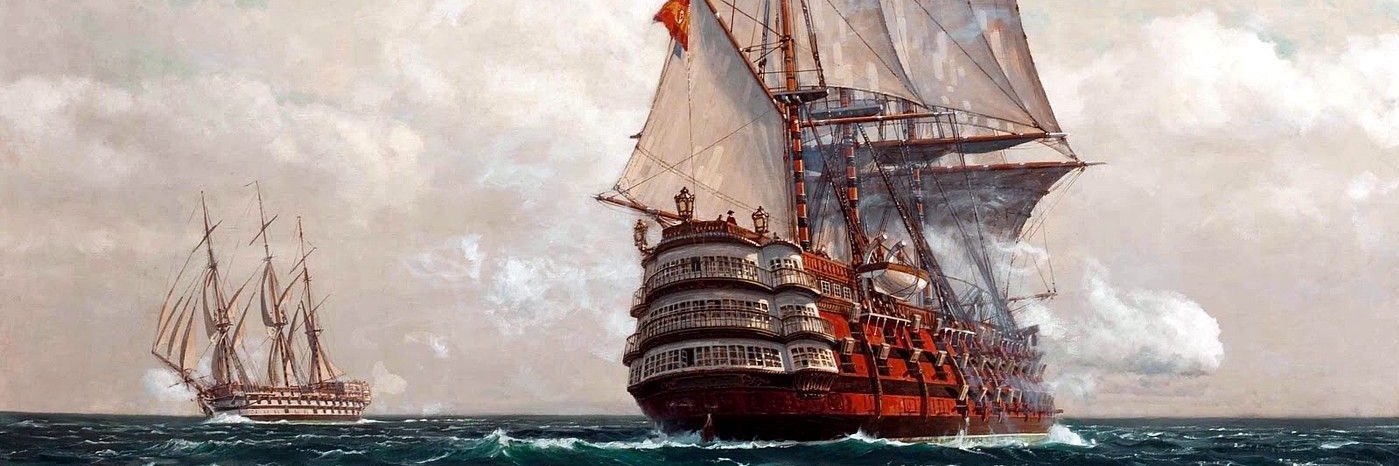
Gálvez arrived off Pensacola in March 1781 with 7,000 men and a fleet. The Spanish naval commander, Admiral Calbo de Irazábal, refused to enter Pensacola Bay. The entrance was narrow, raked by British guns at Fort Barrancas Coloradas, and treacherous with sandbars. So Gálvez did something insane. He boarded his own little brig, the Galveztown, hoisted his personal pennant, and sailed her into the bay alone, in full view of the British batteries, daring the Royal Navy to sink him. The British fired and missed. The Spanish fleet, shamed, followed him in. For this he was awarded the right to put the words "Yo Solo," meaning "I alone," on his coat of arms by the King of Spain.
The siege ground on for two months. Gálvez was shot in the abdomen and the finger directing artillery and refused to leave the field. The British defenses at the Queen's Redoubt, also called the Crescent, held against everything thrown at them. And then, on the morning of May 8, 1781, a Spanish howitzer crew lofted a shell over the parapet. It dropped, by pure luck or perfect skill, directly into the open powder magazine.
The explosion killed roughly 100 defenders in a single instant. Waldeck grenadiers, British regulars, loyalists, all gone. The blast tore the redoubt's wall open like paper. Spanish grenadiers and Louisiana militia poured through the breach within minutes and turned the captured British guns on the inner works. Campbell knew it was over.
The next morning, May 9, white flags went up. By May 10 the entire province of West Florida belonged to Spain. Over 1,100 British troops marched out as prisoners of war.
The strategic consequences were catastrophic for Britain. The Gulf Coast was lost. The Mississippi was a Spanish river from source to sea. Britain could no longer reinforce its southern armies by sea from the Caribbean, and the Royal Navy's Caribbean squadron had to be redeployed. Five months later, Cornwallis surrendered at Yorktown, in a siege funded in part by 500,000 silver pesos that Gálvez and the people of Havana raised in a matter of days to pay French Admiral de Grasse's fleet to come north.
Without that money, no French fleet. Without the French fleet, no Yorktown. Without Yorktown, no independence on those terms.
Gálvez was made Count of Gálvez and Viscount of Galveztown. The bay he charted in Texas still bears his name, Galveston. His portrait hangs in the United States Capitol by act of Congress. In 2014, he was made an honorary citizen of the United States, an honor given to only eight people in American history, including Lafayette, Churchill, and Mother Teresa.
He died of yellow fever in Mexico City at 40 years old, three years after the war ended.
Most Americans have never heard his name.
In 1588, while they were planning the Enterprise of China —invading Guangdong from the Philippines, marching on Beijing, Christianizing the Ming Empire, and then attacking the Ottoman Empire from the east— the Spaniards under Philip II were doing ALL OF THIS AT THE SAME TIME:
1) At war with England (preparing the Spanish Armada) and actively supporting the Catholic side in the French Wars of Religion.
2) Bleeding themselves dry in the Netherlands fighting the Protestant Dutch rebels (the Eighty Years’ War).
3) Maintaining naval and military pressure against the Ottoman Empire in the Mediterranean (Lepanto was still fresh).
4) Conquering and colonizing the Philippines from Mexico across the Pacific (Legazpi had already planted the flag)
5) Administering a colossal American empire: extracting silver from Potosí and New Spain, ruling from the Caribbean to the Andes with a handful of viceroys and soldiers.
6) Constantly fighting English and Dutch pirates preying on the Indies fleets.
7) Dreaming of reconquering North Africa, reaching Jerusalem, and completing the Crusade.
All of this with a relatively small peninsular population, an economy already straining under the immense effort, and a faith and ambition that bordered on divine madness.
Just Iberian testosterone.
Since ancient times, the Greeks believed the Strait of Gibraltar marked the edge of the world. There stood the Pillars of Hercules, carved with a warning: NON PLUS ULTRA, «no land lies beyond».
For millennia, that was the end of the map.
Until Spain arrived.
It looked past the limit imposed on mankind and chose to violate it, sailing where none were meant to go.
The warning was rewritten and became Spain’s national motto, perhaps the most Faustian of all nations:
PLUS ULTRA.
Further beyond.
>Cyberattacks power grid
>Radars all mysteriously stop working
>Drones blot out the sky
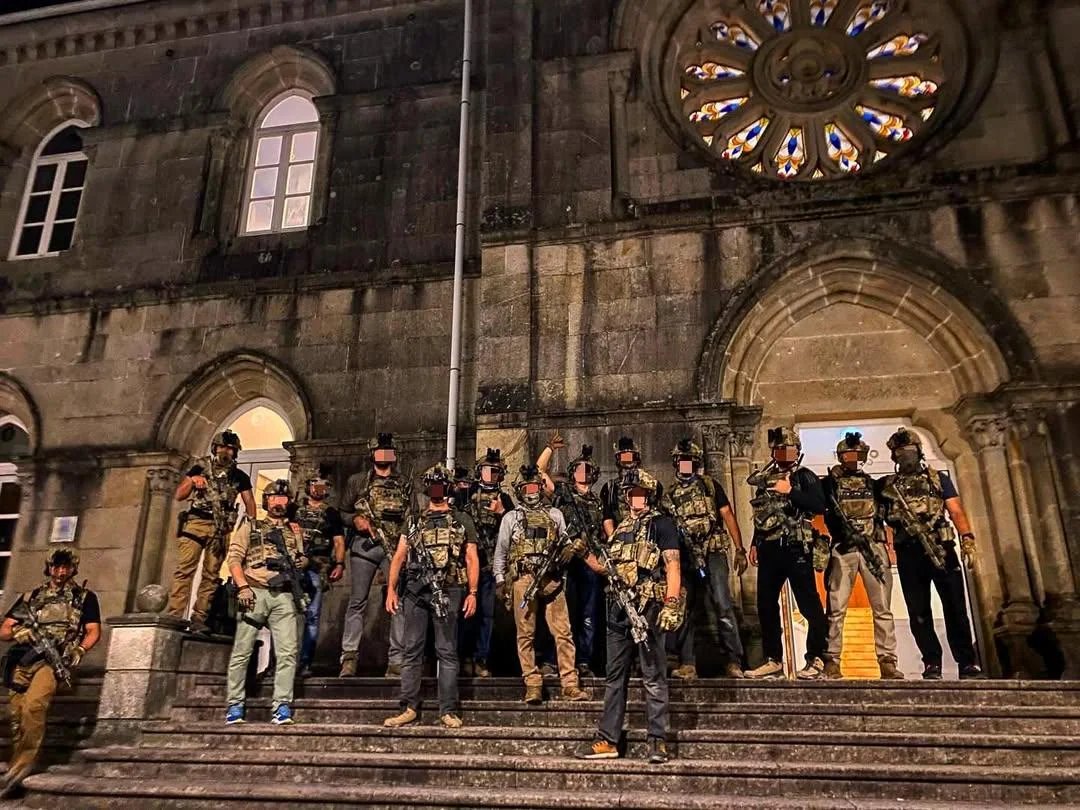
>Chinooks pull up
>US soldiers all have aimbots
>Maduro's security blasted with 200 db of Fetty Wap
>BleedingFromNose.jpeg
>It's all over in 3 minutes
How the US was moving in Venezuela:
The Spanish Armada did a real number on historiography.
If you speak English and you believe that Catholic Spain was horrifically evil, it's partially because the historical sources from the 16th century are shaped by Elizabethan propaganda.
This is called the "Black Legend" type of history.
It's probably why you think the Spanish Inquisition were killing millions of people, or they were burning scientists at the stake, etc.
En el desierto de Arizona hubo un lugar donde los temidos apaches se enfrentaron a un cuerpo militar único en el mundo. Se llamaban Dragones de Cuera y durante un siglo defendieron las fronteras del Imperio español en América. Tira del hilo 🧵👇🏽👇🏽👇🏽
10 documentos inéditos, descubiertos en diferentes archivos españoles, sobre los tercios españoles y sus soldados.
Os dejo un hilo con información y datos curiosos sobre los tercios que es hora de sacar a la luz.
🧵¡Dentro hilo!❌
1️⃣ El comandante del patrullero de la Armada en Ceuta nos cuenta la realidad del narcotráfico en el estrecho de Gibraltar. ¿Quieres saber lo que nadie te cuenta? ¡Tira del hilo!🧵👇
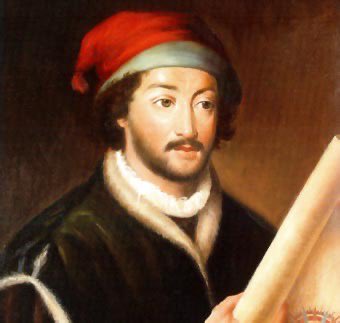
Tal día como hoy, 28 de febrero de 1510, falleció Juan de la Cosa, el mejor cartógrafo y navegante de su tiempo. Ejerció de espía al servicio de Castilla y participó en los primeros 7 viajes a América, incluido el de descubrimiento como maestre de la nao Santa María.
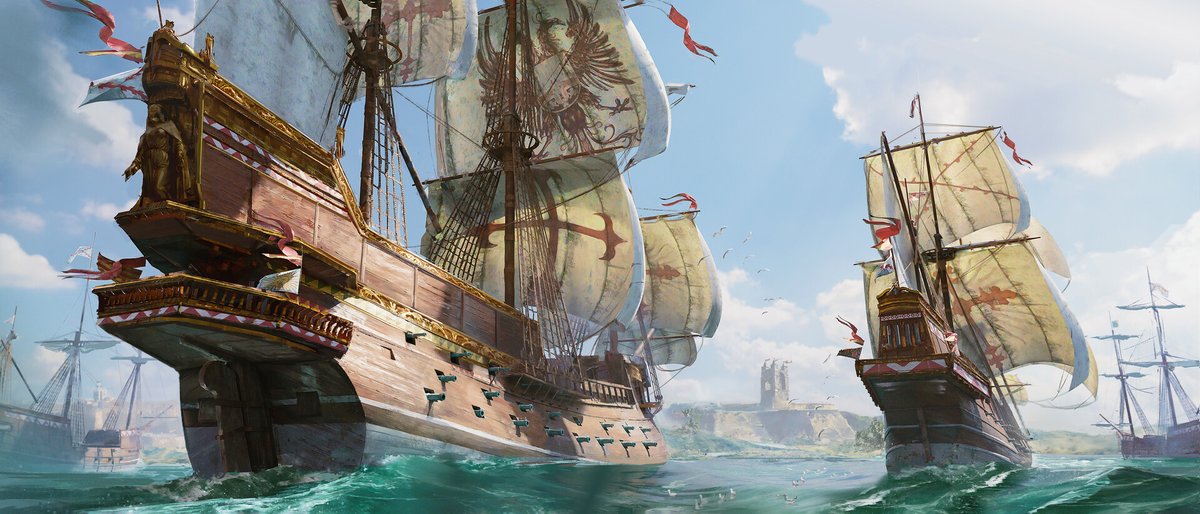
Los galeones españoles dominaron el océano.
¿Pero qué los hacía tan especiales?
¿Qué los diferenciaba del resto de embarcaciones?
🧵Te lo contamos en este hilo
7 de octubre. Aniversario de la batalla de Lepanto. La gran victoria de la monarquía de Felipe II contra el Imperio otomano, pero también por haber sido la jornada que le valió a Miguel de Cervantes el apodo de "el Manco de Lepanto".
Abro hilo 👇🧵
‼️ DECIR QUE EL NORTE RICO Y TRABAJADOR SOSTIENE AL SUR POBRE Y VAGO ES
1. Ser un xénobo.
2. No tener ni pajolera idea de historia económica.
Las CCAA no son compartimentos estancos que generan riqueza solo gracias a sí mismas, ajenas al resto del país.
Sigue 🧵👇🏻
Hoy voy a hablaros de uno de esos héroes que formaron parte de los tercios en sus inicios, un hombre que soltaba mandobles a diestro y siniestro y enviaba innumerables almas al cielo en el nombre de España. Se trata de Diego García de Paredes, "el Sansón extremeño".
Vamos al lío.
You've likely heard of much of his family:
- El Cid was his great-great-great-great grandfather
- Alfonso VIII (victor at Las Navas de Tolosa) was his grandfather
- Richard the Lionheart was his uncle
- St Louis IX was his first cousin
- Isabella the Catholic was his descendant
Los perros han sido los amigos más antiguos y leales del hombre desde hace más de 30.000 años.
Han protegido nuestro ganado, han rastreado a nuestra presa y, desde tiempos inmemoriales, nos han acompañado a la guerra.
Hoy quiero hablaros de Becerrillo, el perro perfecto.
Os voy a contar la historia de cómo, cuándo y porqué EEUU nace como país libre. Y en todo ello, poco o muy poco han tenido que ver los colonos de origen inglés. Todo eso se hizo gracias a un país que no aparece en sus libros de texto: se llama España.
Inglaterra y el resto de
¡TENEMOS GANADOR! Santiago Ramón y Cajal se corona como el mejor español de la historia con el 51,8% de los votos 🥳. ¡AJUSTADÍSIMO!
#ElMejorDeLaHistoriaFinal