Well fellow dairy farmers... the climate police have struck again! The next "voluntary" FARM program called "sustainability" is being implemented by our milk processor! I'm sure this is going to boost farmer income *insert sarcastic laugh*!
We're building a better environmental model: FARM ES is the U.S. dairy industry’s unified platform to track and aggregate on-farm environmental progress, with a suite of informational resources to support continuous improvement. https://t.co/SjHp2nHX3e
As ESG activists set their sights on American agriculture, states need to step up and protect the farmers who feed this country.
That's why Heartland Impact created the Farmer Protection Act. 🧑🌾
June Dairy Month Is a Time to Celebrate Wisconsin Farmers. Our farming families transformed rural communities, created local jobs, supported schools and small businesses, and helped establish one of the most respected agricultural industries in the world.
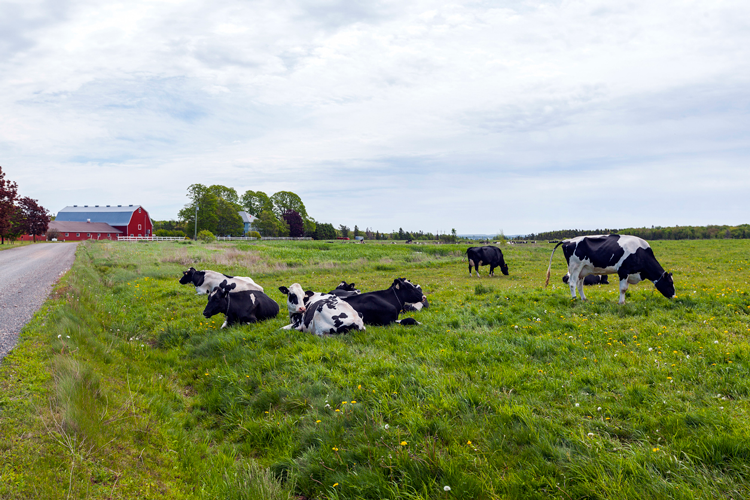
To highlight just how important dairy is to Wisconsin, here are some fun facts about "America's Dairyland, pulled from several agriculture and farming sources and publications from across the state (not AI). Shoutout to @NoahSabich 📸for this photo, + @DevaCowlover + my cousins (who operate a dairy farm in Dodgeville) -- thank you for all that you do!
-Today there are ~5,100 dairy farms in Wisconsin. Most of these farms are family owned and operated.
-Wisconsin is home to more than 1.27 million dairy cows. That means there are more cows than school children! Cows are milked 2 or 3 times each day.
-“America’s Dairyland” is the state’s official moniker stamped on state license plates since 1940.
-Wisconsin produces more cheese than any other state and is the only place outside of Europe with a Master Cheesemaker certification program.
-Dairy cows outnumber residents in many rural Wisconsin counties like Lafayette, Buffalo, Clark, and Kewaunee, (sometimes 4:1 or higher in some counties).
-Monroe is known as the "Swiss Cheese Capital of the USA."
-Plymouth, WI, the “Cheese Capital of the World,” produces 40% of U.S. cheese and is home to major companies like Sargento and Sartori. Its historic downtown features shops, eateries, and parks.
-If Wisconsin were its own country, it would rank as the fourth-largest cheese producer globally, just behind the U.S. as a whole, Germany, and France.
-The state produced roughly 3.64 billion pounds of cheese last year.
-It takes about 10 pounds of milk to make 1 pound of cheese, and 21+ pounds for 1 pound of butter.
-National Cheese Curd Day is celebrated on October 15 (unofficially popularized by places like Culver’s).
-Cheese curds became a cultural staple in the 19th century.
-Cheesemaking arrived around 1840, brought by immigrants from Switzerland, Germany. They found ideal conditions: rich farmland and plenty of milk. By 1922, Wisconsin had over 2,800 cheese factories.
-Wisconsin leads in many cheeses: Cheddar, mozzarella, brick, Muenster, etc.
-Wisconsin produces hundreds of varieties, styles, and flavors of cheese, earning a reputation for quality recognized around the world.
-It is the only state that requires a cheesemaking license. It is also home to the country's only Master Cheesemaker program. It takes over 13 years to complete, which is longer than it takes to earn a PhD.
-First Ice Cream Sundae: Two Rivers, Wisconsin, claims the invention of the ice cream sundae. In 1881, a local soda fountain owner was asked to put chocolate syrup over ice cream on a Sunday, breaking a local law against selling ice cream sodas.
-Several generations ago, at the Jefferson County Fair, it was a tradition for dairy exhibitors to parade their cattle on the racetrack in front of the crowd sitting in the long wooden grandstand on Sunday. It was the last day of the fair, a time to celebrate your accomplishments.
-The dairy industry emphasizes sustainability. Many farms use advanced practices for cow comfort, water recycling, energy, and soil health.
-In the 1860s and 1870s, mass soil depletion and insect infestations devastated the state's wheat crops. Farmers pushed for a shift to dairying, which saved the agricultural economy.
-In 1983, Wisconsin dairy farmers voted to create a milk marketing board to promote local milk to consumers. The rest is history!
-The University of Wisconsin–Madison established the very first dairy school in the nation in 1890.
-Colby Cheese: The mild, creamy cheese was invented in 1885 by Joseph F. Steinwand in the town of Colby, Wisconsin, located in Clark County.
-Brick Cheese: Created in the late 1800s by Wisconsin cheesemaker John Jossi, this uniquely shaped, semi-soft cheese is affectionately dubbed "married man's Limburger" because it offers a similar, yet much tamer, pungent flavor
-Dairy farms support thousands of jobs not only on farms, but also in food processing, transportation, equipment manufacturing, veterinary services, and local businesses.
Wisconsin's farmers have spent generations feeding our families, powering our economy, and preserving a way of life central to our state's identity. During June Dairy Month, let's celebrate their contributions and commit to standing with them so future generations can enjoy these traditions too.
@WiscoJay I have an authentic picture of him on my good friend's dairy farm. He also personally called me after my viral tiktok video to talk about dairy farm issues. I support him 100%!
A Wisconsin law firm walked USDA into a federal settlement in 11 months. On May 27, attorney Daniel Lennington told Brownfield Ag News the same firm is now preparing a case against the dairy checkoff. https://t.co/VWMfxfNz5a
Wisconsin FFA Foundation says initiative to create a specialty FFA license plate offers a visible, lasting way to invest in agriculture’s future. https://t.co/vYq5F1gYDO