New research just out shows Antarctic Peninsula fjords emerging from glacier retreat are far more important carbon sinks than previously estimated https://t.co/9O8gFTY0BT
@BAS_News@WWF_Antarctica@BangorUni@UniofExeter
Want to know more about how nature in polar oceans (blue carbon) helps fight back against climate change? Listen to British Antarctic Survey's David Barnes talking to Researchpod:
https://t.co/aDeE0Du3p4
How resilient is life in Earth's polar shallows? A decade after massive iceberg scouring nature 'bounces back' in Antarctica https://t.co/Zhbty5of33 @BAS_News@NERCscience@JNCC_UK@SAERI_FI
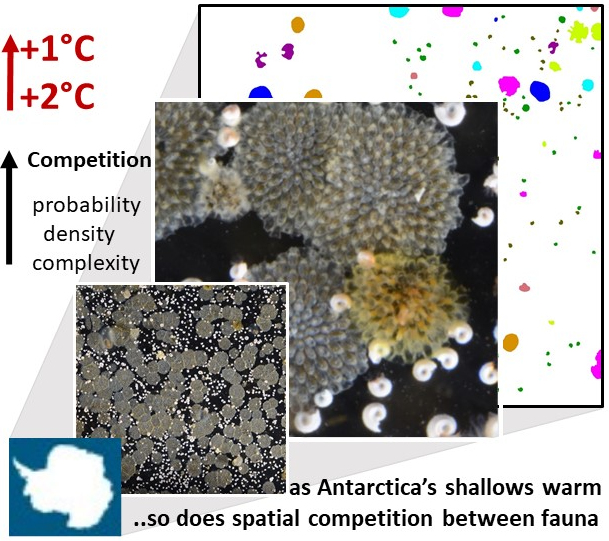
New paper https://t.co/RLrNy2sVHE showing what life in #Antarctica 's shallows may look like with 1°C #warming (30 years time?); tough and complex competition for space. #SouthernOcean@NERCscience
International teamwork across multi disciplines push for recognition and legal protection of growing #Antarctic#bluecarbon sinks; important negative (mitigating) feedbacks on #climatechange
International legal agreements could be used to protect Antarctica’s increasingly important role in carbon sequestration, according to a new IMAS @UTAS_-led study.
https://t.co/EAPcBh9kKI https://t.co/GjSsh3xBxY (Shutterstock image)
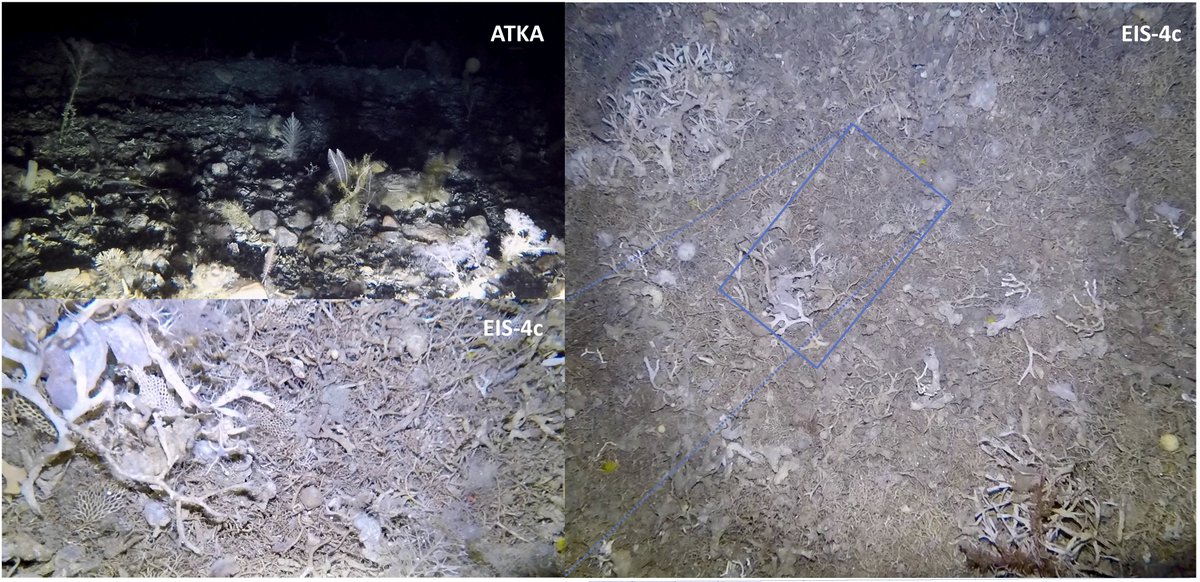
New paper compares blue carbon stock on #Arctic Barents Sea shelf with levels in West #Antarctic seas https://t.co/5s8GIR78aE T. Souster @polar_biology & D.Barnes (BAS) with J. Hopkins @NOCnews.
From @NERCscience grant ‘Changing Arctic Ocean seafloor’ #ChAOS project.
Here in the photos a moment of joy of David Barnes (@BAS_News ) shared with children and the view from up high in St St Helena's hills at St Pauls school
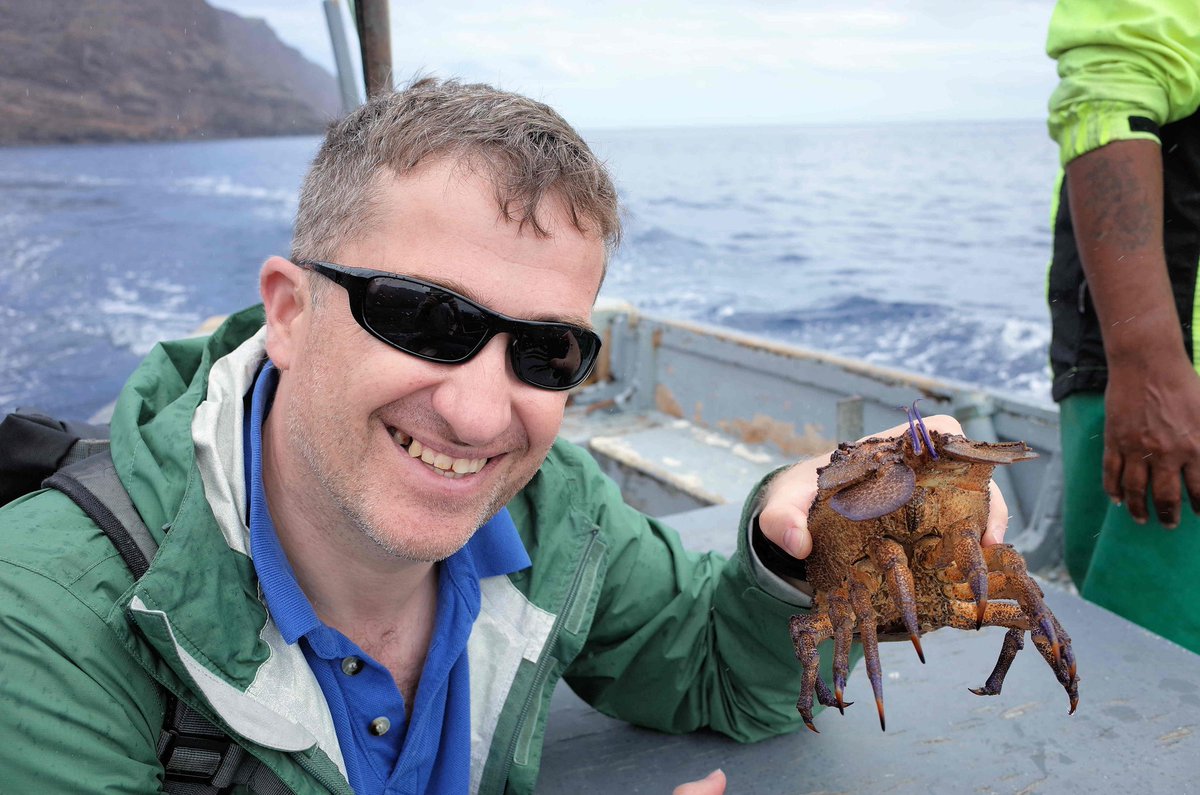
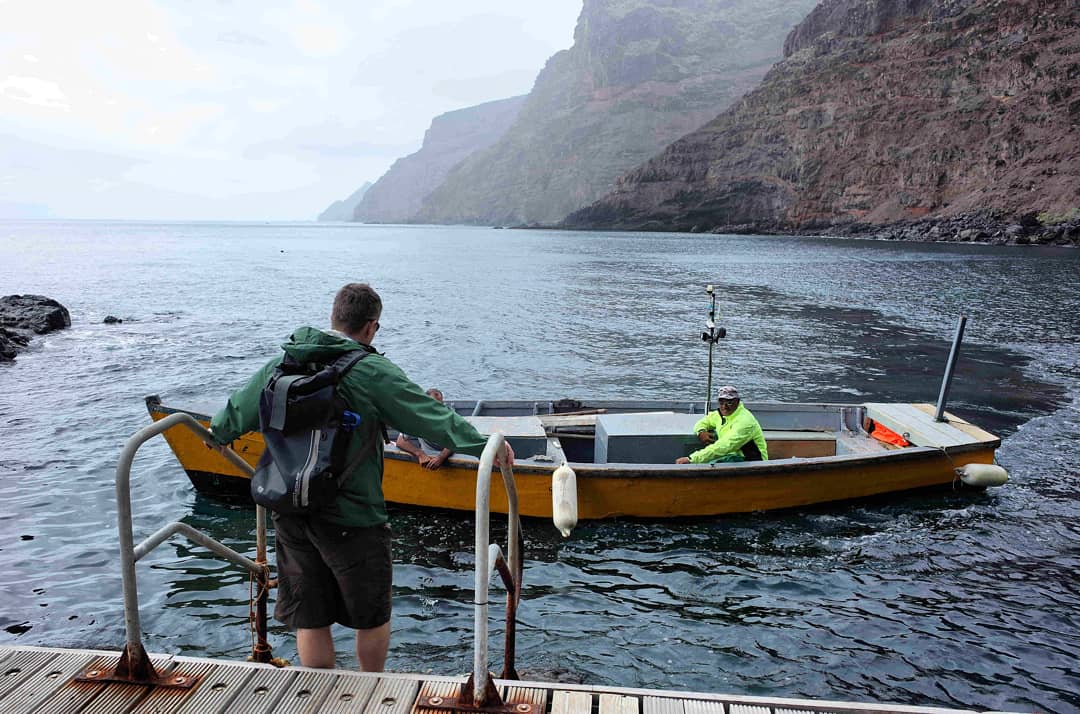
With no #schools work Simon and David from #DY100 set of for Lemon Valley. They looked through the common #species present and saw no species that should not be there (non indigenous pests), but a lot of #limpets, #seaurchins and #seastars. @BAS_News