கவலையே வேண்டாம்..!
உங்களின் 10-ம் வகுப்பு மற்றும் 12-ம் வகுப்பு மதிப்பெண் சான்றிதழ் சேதம் அடைந்திருந்தாலோ அல்லது தொலைந்துவிட்டாலோ மறுபிரதி (Duplicate) சான்றிதழ் பெற முடியும்.
விண்ணப்பம் மற்றும் முழு விவரம்: https://t.co/tbeugrliQp
10th விண்ணப்பம் 👉 https://t.co/nDwtFPyjTo
12th விண்ணப்பம் 👉 https://t.co/H59tHoemM3
மேலும் பள்ளிக்கல்வி துறை பல்வேறு விண்ணப்பம் மற்றும் தகவல் 👉 https://t.co/vhiv72vshX
#School #Lost #damaged #MarkSheet #Tamilnadu #Application
By Naturalisation
Citizenship of India by naturalization can be acquired by a foreigner (not illegal migrant) who is ordinarily resident in India for twelve years (throughout the period of twelve months immediately preceding the date of application and for eleven years in the aggregate in the fourteen years preceding the twelve months) and other qualifications as specified in Third Schedule to the Act.
Article 8 of the Constitution of India provides for the rights of citizenship of certain persons of Indian origin residing outside India.
Minor children whose both parents are Indian citizens.
Persons of full age whose both parents are registered as citizens of India.
Persons of full age and capacity who have been registered as an Overseas Citizen of India (OCI) for five years and residing in India for one year.
By Registration
Persons of Indian origin who are ordinarily resident in India for seven years.
Persons of Indian origin who are ordinarily resident in any country or place outside undivided India.
Persons who are married to a citizen of India and who are ordinarily resident in India for seven years.
A person born outside India on or after December 3, 2004, shall not be a citizen of India unless the parents declare that the minor does not hold a passport of another country and his birth is registered at an Indian consulate within one year of the date of birth or with the permission of the Central Government, after the expiry of the said period.
By Descent
A person born outside India on or after January 26, 1950, but before December 10, 1992 is a citizen of India by descent, if his father was a citizen of India by birth at the time of his birth.
A person born outside India on or after December 10, 1992, but before December 3, 2004, is considered a citizen of India if either of his parents was a citizen of India by birth at the time of his birth.
A person born in India on or after July 1, 1987, but before December 3, 2004, is considered a citizen of India by birth if either of his parents is a citizen of India at the time of his birth.
A person born in India on or after December 3, 2004, is considered a citizen of India by birth if both the parents are citizens of India or one of the parents is a citizen of India and the other is not an illegal migrant at the time of his birth.
India does not allow dual citizenship, and taking up the citizenship of another country automatically results in the cancellation of Indian citizenship.
The conditions and procedure for the acquisition of Indian citizenship as per the provision of the Citizenship Act, 1955 are given below:
By Birth
A person born in India on or after January 26, 1950, but before July 1, 1987, is a citizen of India by birth irrespective of the nationality of his parents.
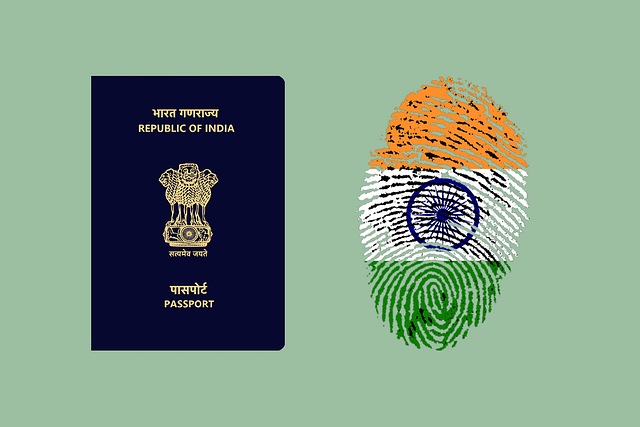
Indian citizenship
🧵🧵
The conditions and procedure for the acquisition of Indian citizenship: Explanation
According to the Ministry of Home Affairs, there are four ways in which Indian citizenship can be acquired: Birth
Descent
Registration
Naturalisation
The provisions are listed under sections 3, 4, 5(1) and 5(4) of the Citizenship Act, 1955.
𝗪𝗵𝗮𝘁 𝗶𝘀 𝗔𝗿𝘁𝗶𝗰𝗹𝗲 𝟭𝟰𝟮?
•𝑨𝒃𝒐𝒖𝒕:
✓𝐀𝐫𝐭𝐢𝐜𝐥𝐞 𝟏𝟒𝟐 provides discretionary power to the Supreme Court as it states that the SC in the exercise of its jurisdiction may pass such decree or make such order as is necessary for doing complete justice in any cause or matter pending before it.
𝗖𝗼𝗻𝘀𝘁𝗿𝘂𝗰𝘁𝗶𝘃𝗲 𝗔��𝗽𝗹𝗶𝗰𝗮𝘁𝗶𝗼𝗻 :
•In the early years of the evolution of Article 142, the general public and the lawyers both lauded the SC for its efforts to bring complete justice to various deprived sections of society or to protect the environment.
✓The Cleansing of Taj Mahal and justice to many undertrials is a result of the invocation of this article only.
𝗖𝗮𝘀𝗲𝘀 𝗼𝗳 𝗝𝘂𝗱𝗶𝗰𝗶𝗮𝗹 𝗢𝘃𝗲𝗿𝗿𝗲𝗮𝗰𝗵:
•In recent years, there have been several judgments of the Supreme Court wherein it has been foraying into areas which had long been forbidden to the judiciary by reason of the doctrine of ‘separation of powers’, which is part of the basic structure of the Constitution. One such example is:
•The ban on the sale of alcohol along national and state highways: While the notification by the central government prohibited liquor stores along National Highways only, the Supreme Court put in place a ban on a distance of 500 metres by invoking Article 142.
#UPSC #UPSCPrelims2024 #bpsc #SupremeCourtofIndia
#WATCH | பெருந்துறை அருகே நடைபெற்ற கொங்குநாடு மக்கள் தேசிய கட்சியின் மாநாட்டில் ஒரே நேரத்தில் வள்ளிக்கும்மி ஆடி அசத்திய 16 ஆயிரம் பெண்கள்
40 ஏக்கர் பரப்பளவில் அமைக்கப்பட்ட மைதானத்தில் 16,000 பெண்கள் வள்ளி கும்மி ஆடிய நிகழ்வு கின்னஸ் சாதனையாக அங்கீகாரம் பெற்றது
#SunNews | #KMDK | #Erode | #ValliKummi
#WATCH | "கொங்கு நாட்டில் உள்ள ஜவுளி தொழில் நலிவடைய ஒன்றி�� அரசின் தவறான பொருளாதார கொள்கையே காரணம்"
- கொங்குநாடு மக்கள் தேசிய கட்சியின் மாநாட்டில் ஈஸ்வரன் பேச்சு
#SunNews | #KMDK | #Erode