CDAT PROJECT SUPPORT THEM WITH QUALITY SEEDS AND WERE CONNECTED TO RELIABLE BUYERS. NOW, THEIR INCOME HAS DOUBLED FIVE TIMES
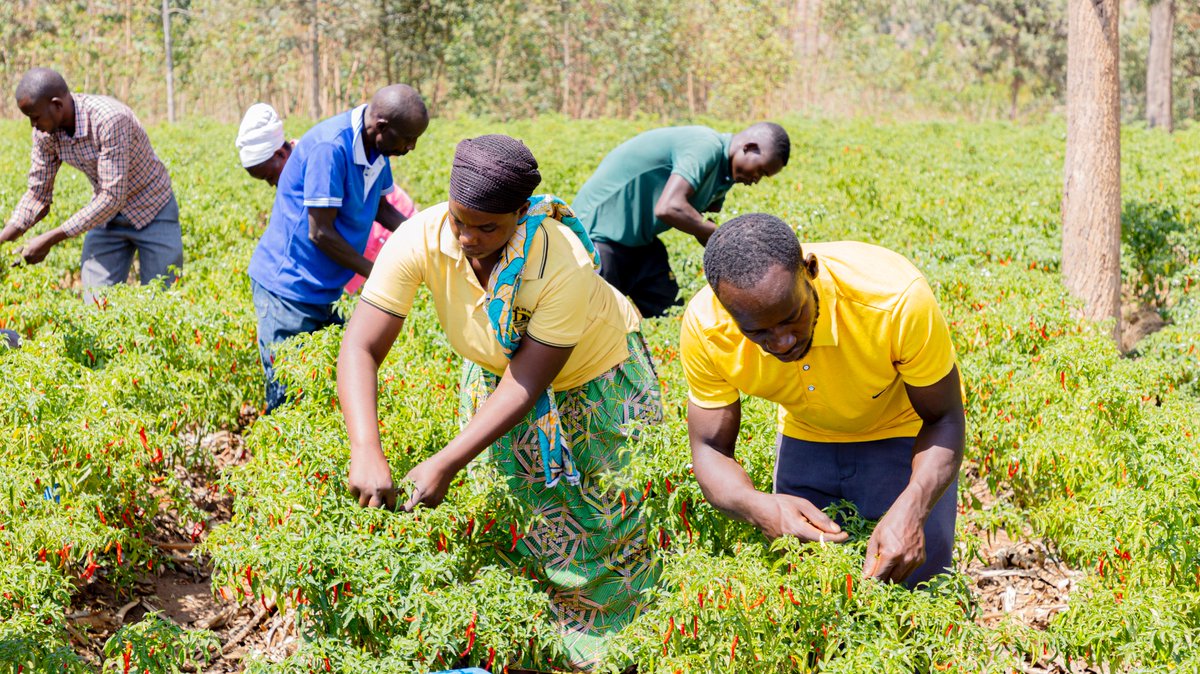
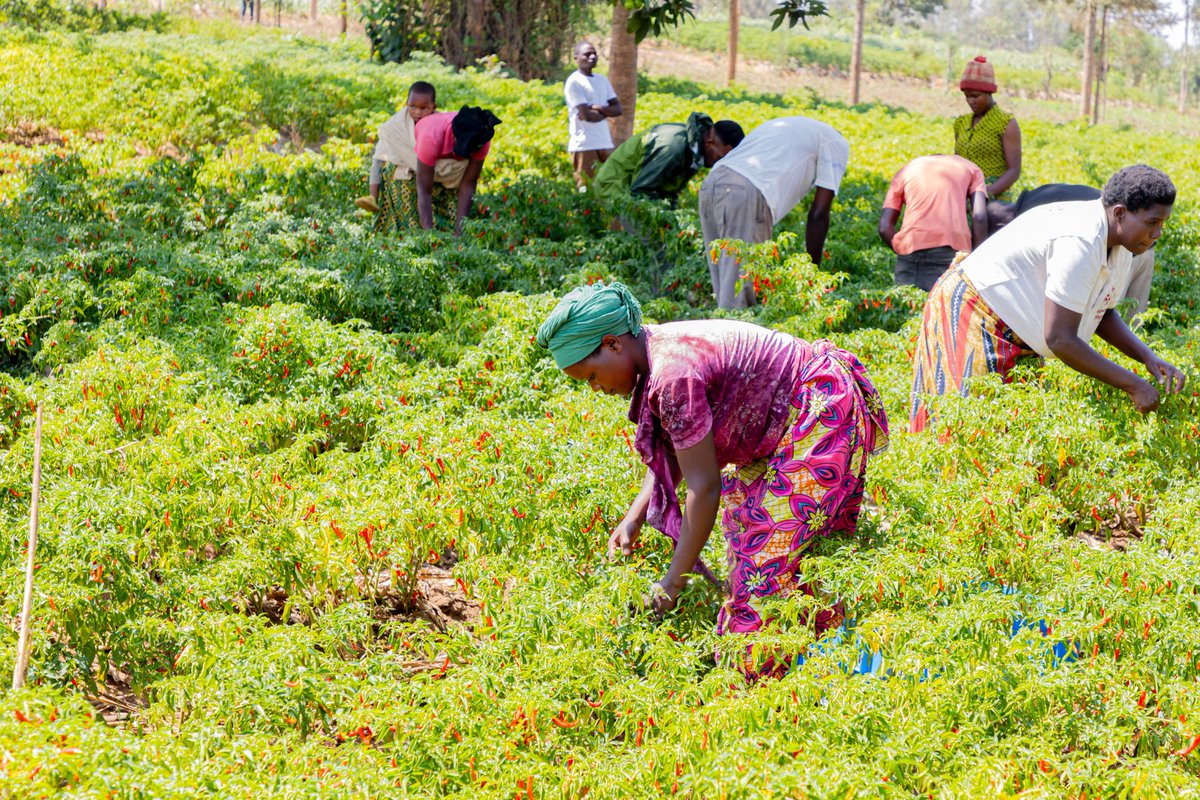
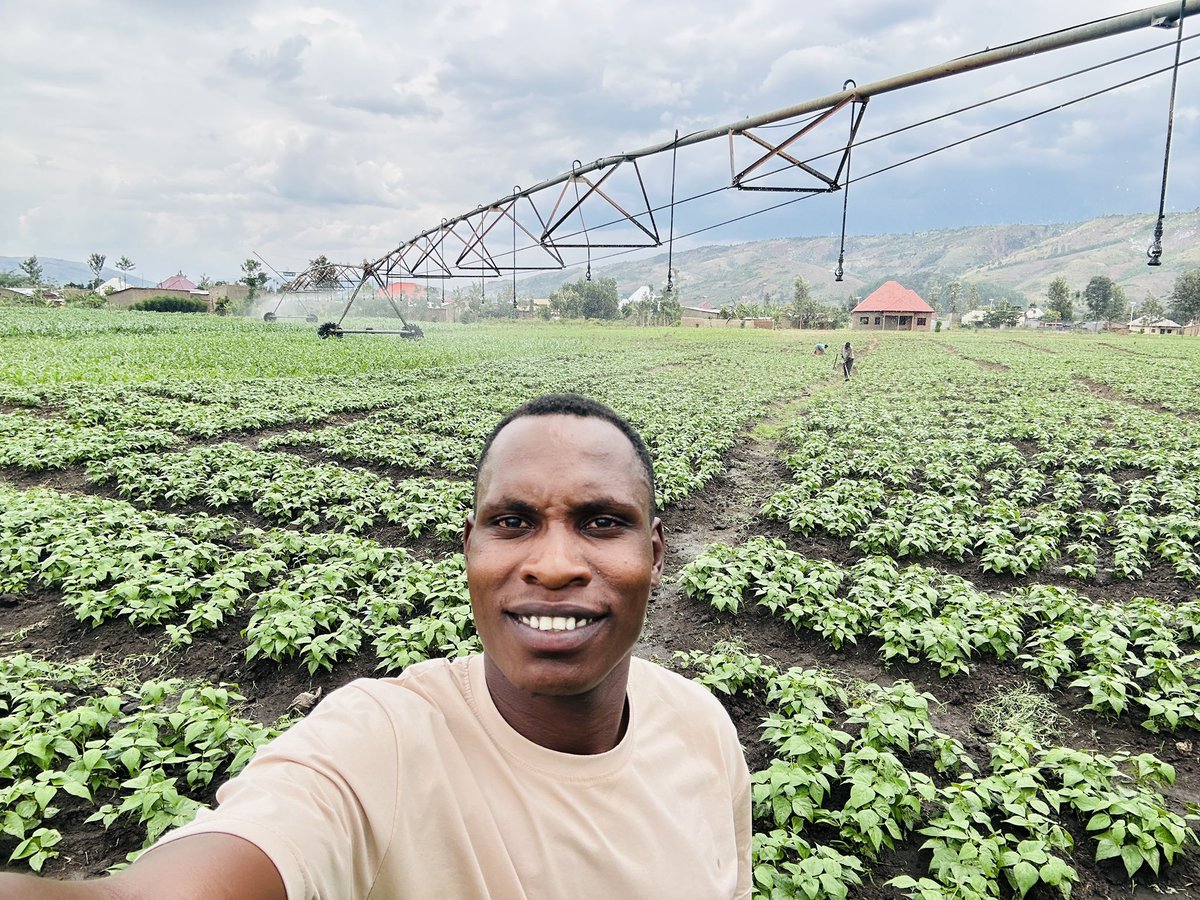
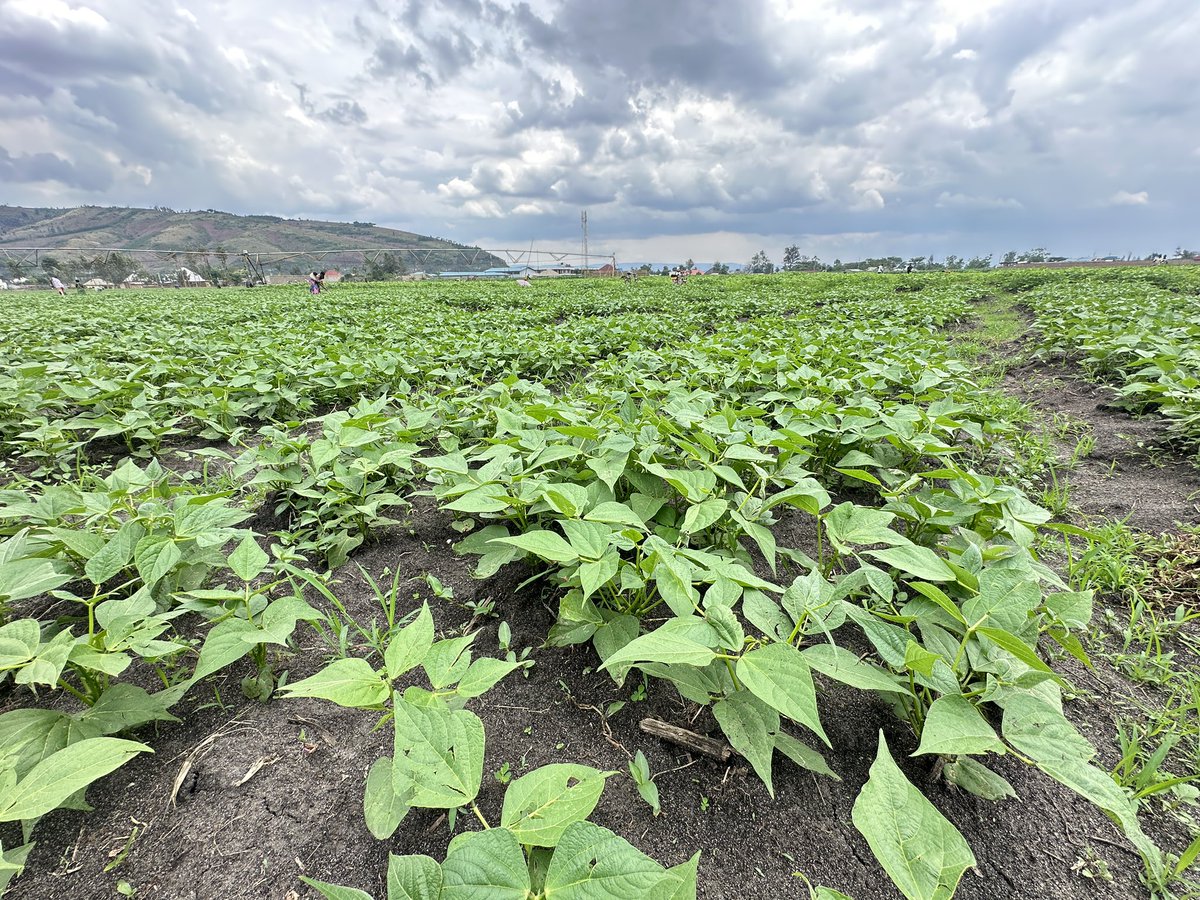
IZMGM Cooperative operates in Mareba Sector, Bugesera District, with 470 members, 282 women and 188 men. The cooperative manages agricultural activities across approximately 210 hectares, of which 40 hectares are dedicated to vegetable production.
The cooperative grows a range of vegetables, including chili on 15 hectares, tomatoes on 5 hectares, French beans on 2 hectares, as well as other vegetables.
Before receiving support from the Commercialization and De-Risking for Agricultural Transformation (CDAT) Project, IZMGM Cooperative faced several challenges that limited its productivity and profitability.
Farmers generally cultivated individually, with each member choosing what to grow. At times, they struggled to find buyers because they did not have reliable markets for their produce. As a result, some farmers were forced to sell at low prices or risk losing part of their harvest.
CDAT supported the cooperative through technical training, learning visits, access to quality seed, market linkages, training in organic fertilizer production, and improved crop management from planting through harvesting.
NTABANGANYIMANA Beather, President of IZMGM Cooperative, explains how the project helped farmers transition from individual production to collective farming and marketing.
“The CDAT Project provided us with training, learning visits and quality seed, and connected us with buyers. Previously, every cooperative member cultivated individually. CDAT helped us work together as a cooperative so that we could produce larger volumes, making it easier to access buyers.”
This collective approach has also contributed to a significant increase in the cooperative’s reported income.
“Before CDAT came, the cooperative generated no more than RWF 5 million per season, partly because each member was selling individually. After coming together and working as a cooperative, we are now generating up to RWF 32 million. This has been supported by the buyer that CDAT helped us access, who purchases our produce at a better price.”
The improvement has also been noticed by buyers.
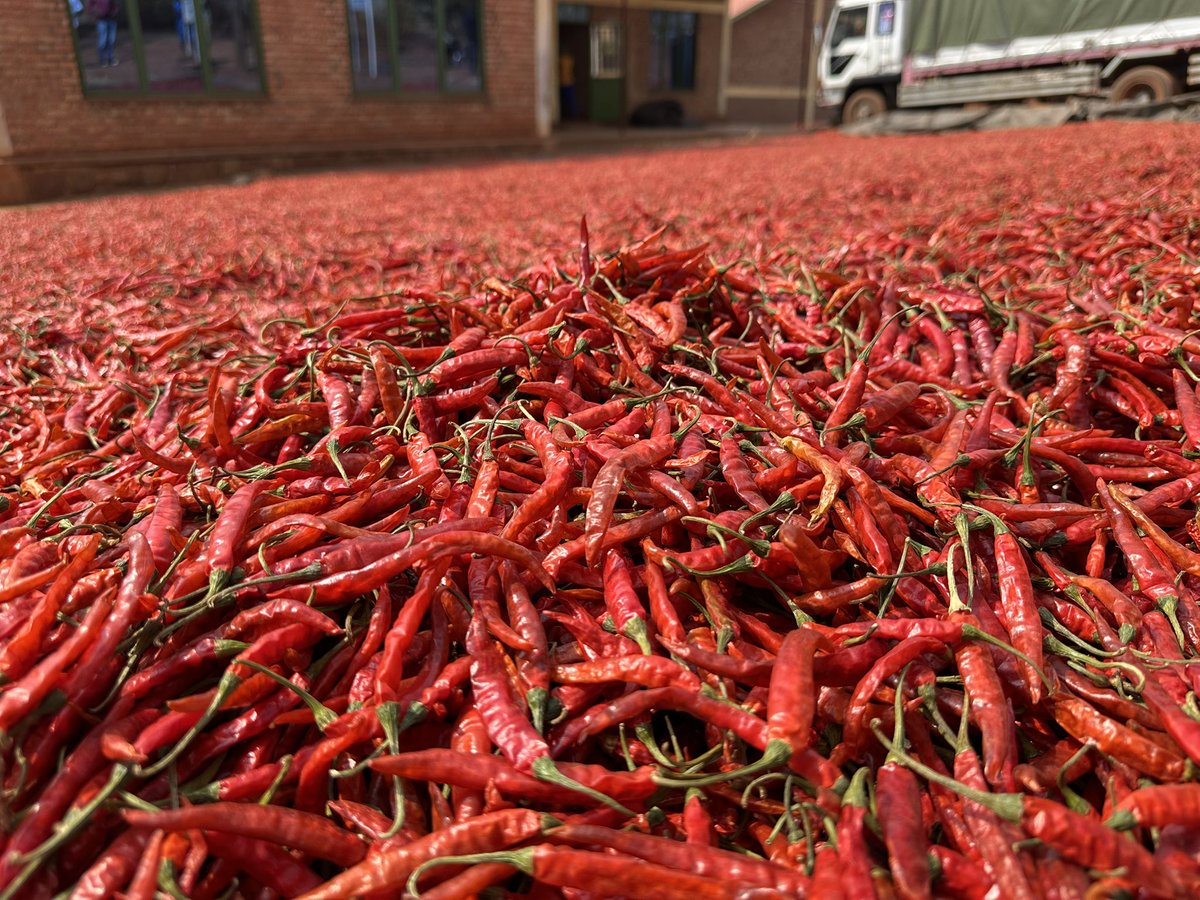
Samuel NSHIMIYIMANA, an employee of a company that purchases chili from IZMGM Cooperative, explains the difference he observed before and after the cooperative began working with CDAT.
“Before CDAT started working with this cooperative, they were using a chili variety that was not well suited to the market and did not produce high yields. Some farmers would also use seed from different sources without knowing its quality. After CDAT came, they provided quality seed that produces better yields and is well accepted by the market.”
This highlights the importance of linking quality seed, production practices and market demand. Producing more is valuable when the crop also meets the requirements of buyers and consumers.
For NDAHERANWA Gilbert, a farmer from Mareba Sector and a member of IZMGM Cooperative, improved knowledge, quality seed and market access have changed the scale of his chili farming.
“I had the opportunity to receive training from the CDAT Project. After the training, we were provided with quality seed that produces higher yields. When I started, I cultivated five ares and harvested about 50 kilograms. Later, I expanded my farm, and I am now cultivating 12 ares, from which I harvest around 200 kilograms.”
For Gilbert, having a reliable market has been just as important as increasing production.
“Previously, I would harvest my produce and struggle to find someone to buy it. When I found a buyer, I often had to sell at a low price, which reduced my profit. Today, I appreciate the support from CDAT because I have access to a market. My produce no longer goes to waste, and I am able to sell it at a better price.”
The income generated from chili farming has enabled him to invest beyond crop production.
“Through the income I have earned from chili farming, I have been able to start some livestock farming, including pigs, chickens and goats. I have also renovated my house using income generated from chili production.”
The experience of IZMGM Cooperative demonstrates how collective action, quality inputs, technical knowledge and reliable markets can contribute to agricultural commercialization.
The cooperative’s journey has moved from farmers producing individually and struggling to find buyers toward a model where members work collectively, produce marketable volumes, access quality seed and connect with buyers.
For farmers like Gilbert, this transformation is not only reflected in kilograms of chili harvested, it is reflected in livestock investments, improved housing and greater economic opportunities for farming households.
IZMGM’s story shows that when farmers organize, improve their production practices and connect to reliable markets, agriculture can become a stronger pathway to income generation and rural development.
#CDATProject
Cc;
@RwandaAgri@RwandaAgriBoard@SRwamulangwa@umflora@T_Ndabamenye@solangeuwituze@WorldBankGroup@GAFSPfund@MRugamba@MutangwaSarah@HITIMANAJean@EzraByiringiro
CDAT PROJECT SUPPORT THEM WITH QUALITY SEEDS AND WERE CONNECTED TO RELIABLE BUYERS. NOW, THEIR INCOME HAS DOUBLED FIVE TIMES
IZMGM Cooperative operates in Mareba Sector, Bugesera District, with 470 members, 282 women and 188 men. The cooperative manages agricultural activities across approximately 210 hectares, of which 40 hectares are dedicated to vegetable production.
The cooperative grows a range of vegetables, including chili on 15 hectares, tomatoes on 5 hectares, French beans on 2 hectares, as well as other vegetables.
Before receiving support from the Commercialization and De-Risking for Agricultural Transformation (CDAT) Project, IZMGM Cooperative faced several challenges that limited its productivity and profitability.
Farmers generally cultivated individually, with each member choosing what to grow. At times, they struggled to find buyers because they did not have reliable markets for their produce. As a result, some farmers were forced to sell at low prices or risk losing part of their harvest.
CDAT supported the cooperative through technical training, learning visits, access to quality seed, market linkages, training in organic fertilizer production, and improved crop management from planting through harvesting.
NTABANGANYIMANA Beather, President of IZMGM Cooperative, explains how the project helped farmers transition from individual production to collective farming and marketing.
“The CDAT Project provided us with training, learning visits and quality seed, and connected us with buyers. Previously, every cooperative member cultivated individually. CDAT helped us work together as a cooperative so that we could produce larger volumes, making it easier to access buyers.”
This collective approach has also contributed to a significant increase in the cooperative’s reported income.
“Before CDAT came, the cooperative generated no more than RWF 5 million per season, partly because each member was selling individually. After coming together and working as a cooperative, we are now generating up to RWF 32 million. This has been supported by the buyer that CDAT helped us access, who purchases our produce at a better price.”
The improvement has also been noticed by buyers.
Samuel NSHIMIYIMANA, an employee of a company that purchases chili from IZMGM Cooperative, explains the difference he observed before and after the cooperative began working with CDAT.
“Before CDAT started working with this cooperative, they were using a chili variety that was not well suited to the market and did not produce high yields. Some farmers would also use seed from different sources without knowing its quality. After CDAT came, they provided quality seed that produces better yields and is well accepted by the market.”
This highlights the importance of linking quality seed, production practices and market demand. Producing more is valuable when the crop also meets the requirements of buyers and consumers.
For NDAHERANWA Gilbert, a farmer from Mareba Sector and a member of IZMGM Cooperative, improved knowledge, quality seed and market access have changed the scale of his chili farming.
“I had the opportunity to receive training from the CDAT Project. After the training, we were provided with quality seed that produces higher yields. When I started, I cultivated five ares and harvested about 50 kilograms. Later, I expanded my farm, and I am now cultivating 12 ares, from which I harvest around 200 kilograms.”
For Gilbert, having a reliable market has been just as important as increasing production.
“Previously, I would harvest my produce and struggle to find someone to buy it. When I found a buyer, I often had to sell at a low price, which reduced my profit. Today, I appreciate the support from CDAT because I have access to a market. My produce no longer goes to waste, and I am able to sell it at a better price.”
The income generated from chili farming has enabled him to invest beyond crop production.
“Through the income I have earned from chili farming, I have been able to start some livestock farming, including pigs, chickens and goats. I have also renovated my house using income generated from chili production.”
The experience of IZMGM Cooperative demonstrates how collective action, quality inputs, technical knowledge and reliable markets can contribute to agricultural commercialization.
The cooperative’s journey has moved from farmers producing individually and struggling to find buyers toward a model where members work collectively, produce marketable volumes, access quality seed and connect with buyers.
For farmers like Gilbert, this transformation is not only reflected in kilograms of chili harvested, it is reflected in livestock investments, improved housing and greater economic opportunities for farming households.
IZMGM’s story shows that when farmers organize, improve their production practices and connect to reliable markets, agriculture can become a stronger pathway to income generation and rural development.
#CDATProject
Cc;
@RwandaAgri@RwandaAgriBoard@SRwamulangwa@umflora@T_Ndabamenye@solangeuwituze@WorldBankGroup@GAFSPfund@MRugamba@MutangwaSarah@HITIMANAJean@EzraByiringiro
Farming without a clear market can leave farmers with products but limited bargaining power. Identify potential buyers and understand their quality, quantity, timing, and pricing requirements before production.
Agriculture is becoming more complex, and old practices may not solve every new challenge. Keep learning, test improved approaches, and adapt your farming system to changing conditions.
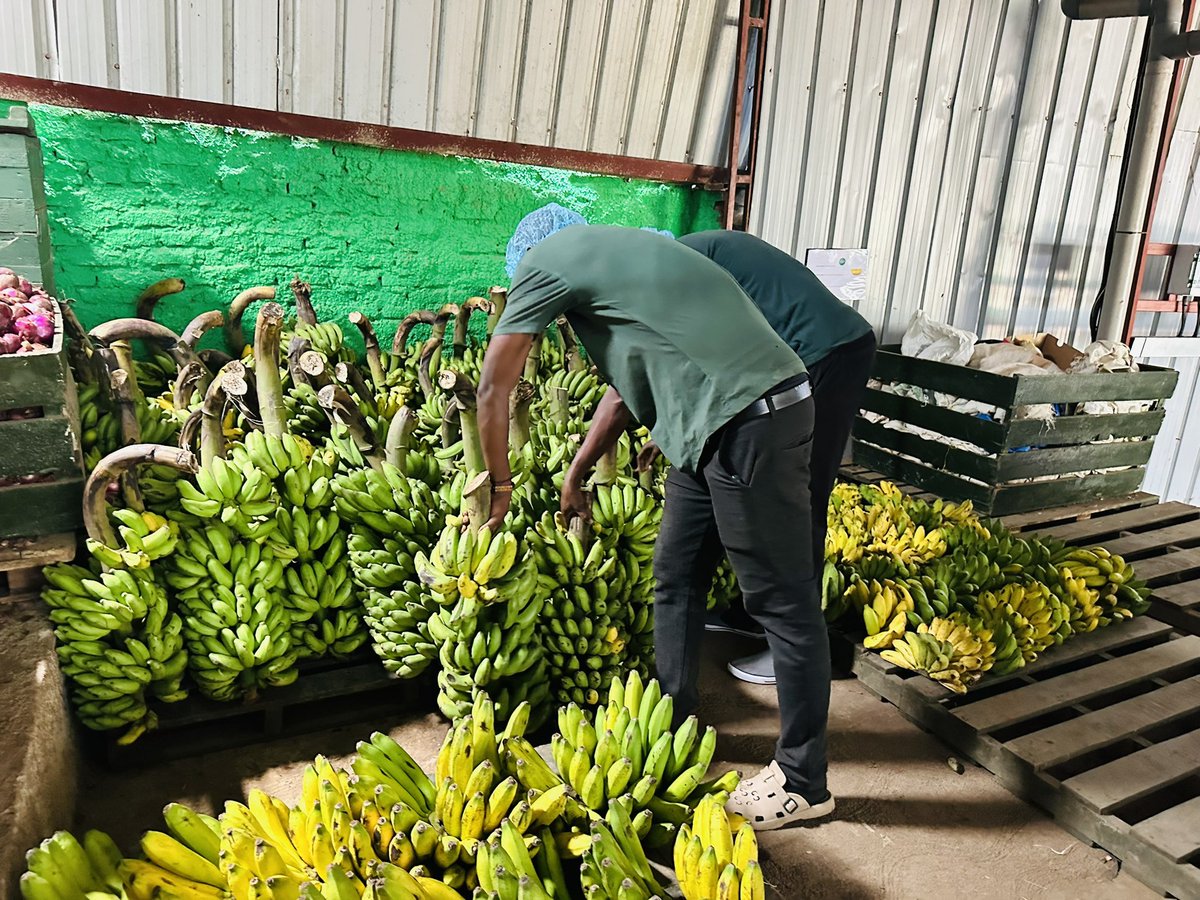
I always smile when I see agricultural commodities moving from farms to markets. It shows the power of our farmers, their hard work, and their dedication to feeding our communities.
Many farmers focus on increasing yield but overlook production costs. A bigger harvest does not automatically mean bigger profit, track every expense and calculate your real return
Unpredictable rainfall can disrupt an entire production season. Don’t depend entirely on rainfall; improve water harvesting, irrigation, soil moisture conservation, and drought-resilient practices.
Limited access to technology can slow agricultural progress. Start with technologies that solve a real farm problem, such as efficient irrigation, improved storage, digital market tools, or better record-keeping.
Farmers can lose significant value when they harvest without considering maturity and market requirements. Learn the right harvesting stage and handle produce carefully from field to market.
Unpredictable rainfall can disrupt an entire production season. Don’t depend entirely on rainfall; improve water harvesting, irrigation, soil moisture conservation, and drought-resilient practices.
Declining soil fertility can slowly reduce farm productivity. Instead of continually pushing the soil, invest in soil health through organic matter, crop rotation, erosion control, and balanced nutrient management.
Producing a quality crop is only half the journey. Without reliable buyers and good market information, farmers may struggle to capture the value of their production. Plan the market alongside production.