ESCRITOR (Pontevedra, 1977).
16 libros publicados como autor.
50 libros como coautor.
Doctor en Ciencias de la Comunicación
Historiador de cine.
CULTURA.
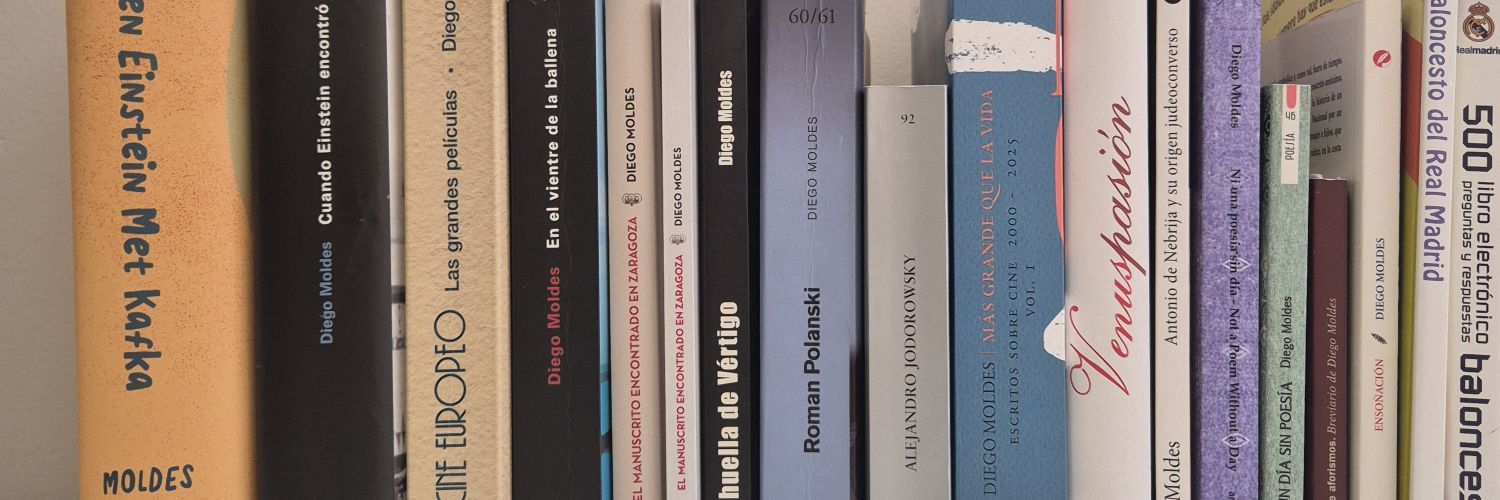
Todos mis libros publicados en España y Estados Unidos entre 2004 y 2026.
https://t.co/nWefxREv2J
https://t.co/TBmkq24It0
https://t.co/aiGLLjNQKZ
https://t.co/gjOLMFbvwR
https://t.co/yg7qwQkEaZ
https://t.co/4OYJAlurKP
https://t.co/5ccsZEPjUH
https://t.co/dBbRTQJWry
Acabo de leer que Juancho Armas Marcelo cumple 80 años este mes.
Las letras y la cultura española le deben un homenaje. Gran escritor, gran divulgador de la literatura española y un puente cultural entre España e Iberoamérica.
Es, además, un gran conversador, de una fina agudeza.
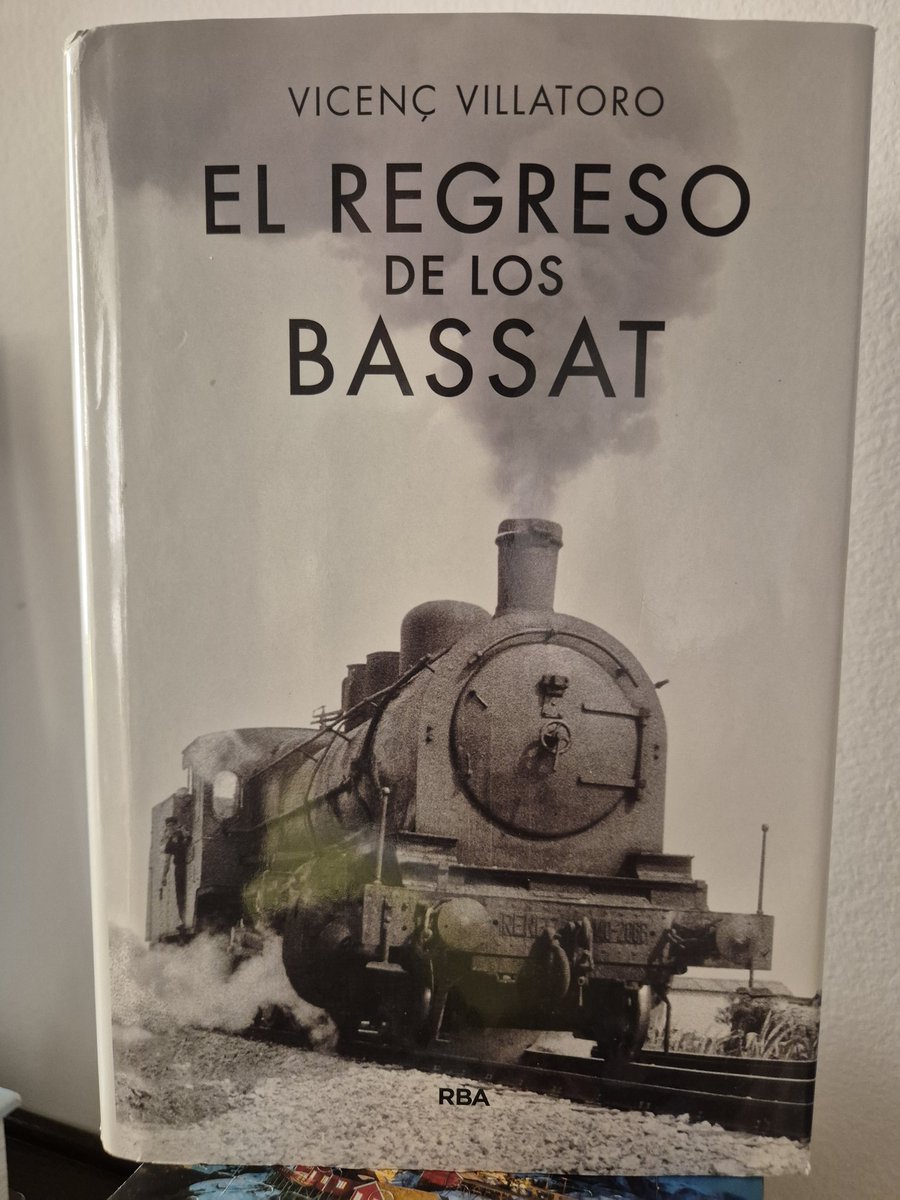
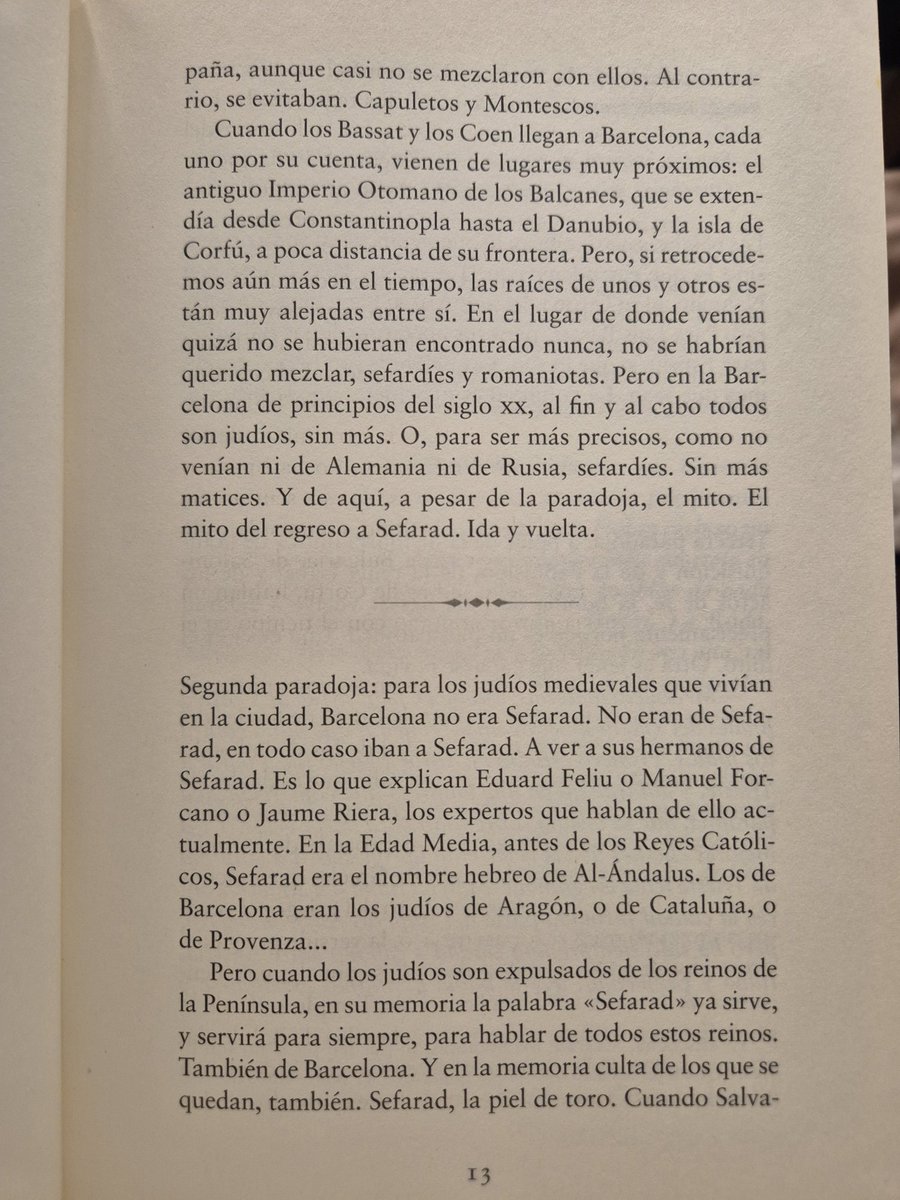
«El regreso de los Bassat» (@RBALibros, Barcelona, 2016) un libro interesantísimo sobre una saga familiar que recomiendo en su décimo aniversario.
Corfú, Trieste, el Imperio Otomano, España, Cataluña, el mito de Sefarad... Un itinerario vital múltiple y apasionante.
Acabo de leer que Juancho Armas Marcelo cumple 80 años este mes.
Las letras y la cultura española le deben un homenaje. Gran escritor, gran divulgador de la literatura española y un puente cultural entre España e Iberoamérica.
Es, además, un gran conversador, de una fina agudeza.
He estado en el Sáhara, el Caribe y Oriente Próximo, en Sevilla, Córdoba y Zaragoza en pleno julio, pero los sitios donde más calor he pasado en toda mi vida, especialmente de noche, han sido Suiza y Suecia. No es broma.
Hemos visto durante decenios a los europeos cuestionar nuestro estilo de vida. Que si la siesta a la hora de más calor del día, que si las persianas, que si los toldos, que si cenamos de noche a la fresca...
Hoy en Francia se quedan sin mantas térmicas para tapar las ventanas, ya llevan más de 1000 muertos por el calor y están apagando las centrales nucleares porque apenas las pueden mantener refrigeradas.
En Alemania y Bélgica saltan las vías de tranvías porque el asfalto se está dilatando, en toda Europa hay desabastecimiento de ventiladores y se están habilitando "espacios fríos" en bibliotecas y iglesias para que la gente se refugie...
En Dinamarca han reventado literalmente el récord de temperatura más alta desde que hay registros. 37 grados Celsius... ¡En Dinamarca!
En Alemania ya se nota una reducción considerable en la productividad laboral y los supermercados están ampliando sus horarios para que la gente no tenga que salir de casa con la "calorina". Se están acortando jornadas laborales y suspendiendo clases en los colegios, porque allí los colegios no acaban como aquí...
Curiosamente, están adaptando sus horarios y costumbres a lo que España lleva haciendo toda su vida.
Curiosamente ahora mismo es muy posible que España, Portugal e Italia sean los países europeos más adaptados en infraestructuras y servicios a la nueva realidad.
Y no será que no se lleva décadas avisando que esto iba a pasar. El cambio climático ya no es una amenaza, es una realidad. Ahora ya forma parte de nuestra rutina, de nuestro día a día y ahora es cuando se empezará a hacer algo. Pero ya es tarde.
A partir de ahora, cuando alguien os diga que Europa está en peligro y que hay que rearmarse, por favor, mandadlo a la mierda y compraros un abanico.
Wes Anderson on why he loves "Murmur of the Heart" (1971) & the s€duct!ve quality of it despite its taboo subject:
"I LOVE French movies. I've got a strong prejudice in favour of them. A lot of my favourite directors are French, in particular Truffaut, Renoir and Louis Malle - and 'Murmur of the Heart' (1971) is probably my key Louis Malle movie. My first information on it was in a book of collected reviews by the critic Pauline Kael. But the first time I saw it was when it was re-released in America in the mid-Nineties. I was really ready for it - and I was blown away.
"To me, that [!nc€st] aspect of the story never feels appalling. The stuff between him and the mother feels more kind of romantic almost - but also taboo and scary in a way, which makes it even more s€duct!ve. It's forbidden - you feel like they're crossing into very dangerous territory. But the way it's handled in the movie is somehow just right. You know it's not traumatic - it ends up being an expression of how close they are, and how connected they are, and the movie is about that relationship.
I love Laurent because he's a combination of something I end up being drawn to in movies, somebody who's kind of brilliant in a way. He's younger than his brothers, but he's advanced beyond them. He's reading Camus and so on, and they make fun of him for being this kind of bookish person, and he has some jazz records that he loves - I like those aspects of his identity. But he's also got a really rebellious side, and I like the relationship between him and his brothers - I really think it's funny, and there's this kind of good wildness to it.
"I also love the mother. In Antonioni's 'L'Avventura' (1960), as Anna, Lea Massari was totally cold and highly strung. But in 'Murmur of the Heart' she's very warm and sweet and romantic, and so appealing.
With 'Rushmore' (1998), what I pictured making was a movie about someone at that age, the sort of movie that's only made in France, and a movie of the kind that I most admire by Louis Malle and Francois Truffaut - especially 'Murmur of the Heart'. What the movie ended up being, though, is I don't know what.
Anderson could scarcely be more candid about his passion for Malle, who died in 1995. When Rushmore was released on a special-edition DVD, the studio held a party in New York in its honour.
"They wanted us to screen 'Rushmore' and I just refused. I said, I've seen the movie too many times, everyone at the party's already seen it, so let's screen 'Murmur of the Heart' instead. It's a movie that I feel very comfortable being associated with, because I feel so connected to it."
("Film-makers on film: Wes Anderson", Mark Monahan, The Telegraph, 2002)
P.S: Remembering the great Italian actress Lea Massari on her 93rd birthday!
Víctor Erice explains how "Spirit of the Beehive" (1973) which was to be about 'Frankenstein' changed to a Civil War story:
"How do you arrive at a story? Chance intervenes. I believe a great deal in chance. I’d received a proposal to make a film about 'Frankenstein', but actually in that genre. It was to be a completely commercial project. I was desperate to make my first film and I’m very obedient, so I started writing a conventional Frankenstein movie. But then chance intervened in my favour because that kind of film needs a lot of sets, and well-known actors, and the producer had to admit he didn’t have enough funds. So I then proposed a Spanish version of Frankenstein – not so extravagant, without big sets, only four weeks filming.
He liked that idea. But now I found myself with a major problem. I wasn’t sure what to do. On my work desk I had a picture I saw every day, which I’d cut out, from Whale’s 'Frankenstein' (1931): the moment when the monster and the child are together. Then I realised that everything I needed was there in that image. So I called upon my own personal experiences. But I felt that the identification with the child – and with the film – would be far greater if the child was a girl. And so gradually the story began to unfold."
(Víctor Erice's interview with Geoff Andrew, 2004)
P.S: Happy 86th birthday, Víctor Erice!
Escritores en rumano, que he leído y recomiendo vivamente:
Mircea Eliade
Mihail Sebastian
Vintilă Horia
Norman Manea
Ana Blandiana
Mircea Cărtărescu.
¿Cuáles habéis leído? ¿Cuáles recomendáis?
@CulturaRumana@RumaniaenEspana
En la etapa de #Barcelona mis librerías favoritas eran Laie @laietana y, de todas ellas, la que más me acogía era Laie de Pau Clarís.
El marcapáginas, de 2012, aún me acompaña 10 años después.
Ahí compré libros de Norman Manea, George Steiner, Juan Eduardo Cirlot y muchos otros
25 años del estreno en cines norteamericanos de “A.I. Artificial Intelligence”, el proyecto que acarició Stanley Kubrick desde los 70s y que pasó a Steven Spielberg.
De mis películas favoritas de Spielberg ❤️
Stop scrolling—we’ve already planned your movie night. 🎬
Every Wed in your inbox, you'll get trusted recs, reviews, and interviews on Latino independent films.
Subscribe now so you don’t miss future editions. 📩
🔗 https://t.co/gQqwys0PyY
Lo que Mel Brooks quiere decirnos es que lo que nos hace humanos no es la perfección biológica o intelectual sino la empatía, el arte que proviene del alma y, especialmente, la capacidad de reírnos de nosotros mismos. por @DiegoMoldesGonz
https://t.co/H84FhLQgH2
Feliz #Orgullo 🏳️⚧️🏳️🌈
Gracias a todas las drags queen, travestis, y artistas queers como Ocaña, que han hecho de este mundo un lugar más feliz y del activismo un arte.
Happy #Pride 🏳️🌈🏳️⚧️
#DíaDelOrgulloLGTBIAQ+ #LGTBIAQ+
🎥 “Ocaña, retrato intermitente” (Ventura Pons, 1978).
"Cornucopia de aforismos" de @DiegoMoldesGonz está imparable: lo recomiendan los amigos de La Estación Azul (https://t.co/Ch9ASXuTIh), lo lee el mismísimo A. Jodorowsky (adjuntamos foto) y los tenemos en nuestra caseta (la 178) de la @ferialibromad
¡No os quedéis sin él!
Lo mejor de haber escrito este artículo en @JotDownSpain sobre #MelBrooks es haber pasado el mes de junio volviendo a ver sus películas. Espero que os interese leerlo. Feliz domingo.
https://t.co/Gwpp8vtMYA