I've been on the internet since 2000, building personal websites and playing with Flash by 2002. I've lived through Web 1.0, Web 2.0, and the mobile era; now it's AI's turn. As an "old-timer," making money matters, but what's equally crucial is proving I can still keep up and succeed independently, even without a team. It's about not giving in and showing I'm not obsolete yet.
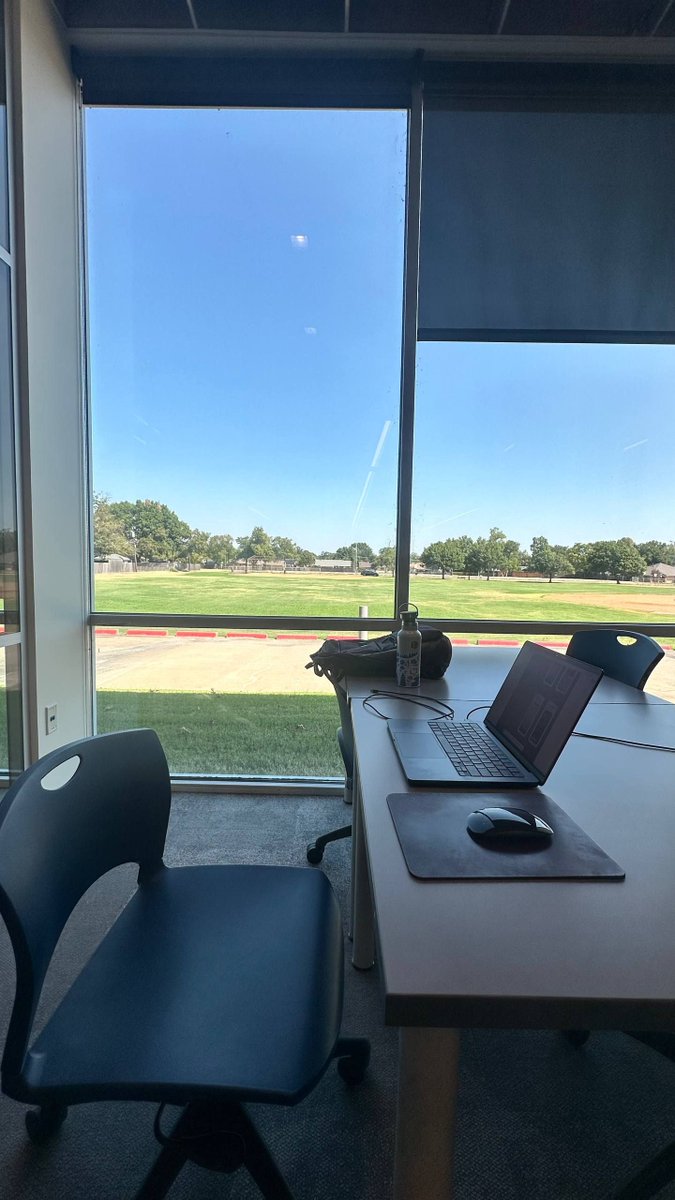
My son switched schools this semester, and it takes 40 minutes one way. Instead of making four trips a day, I choose to work at a nearby public library.
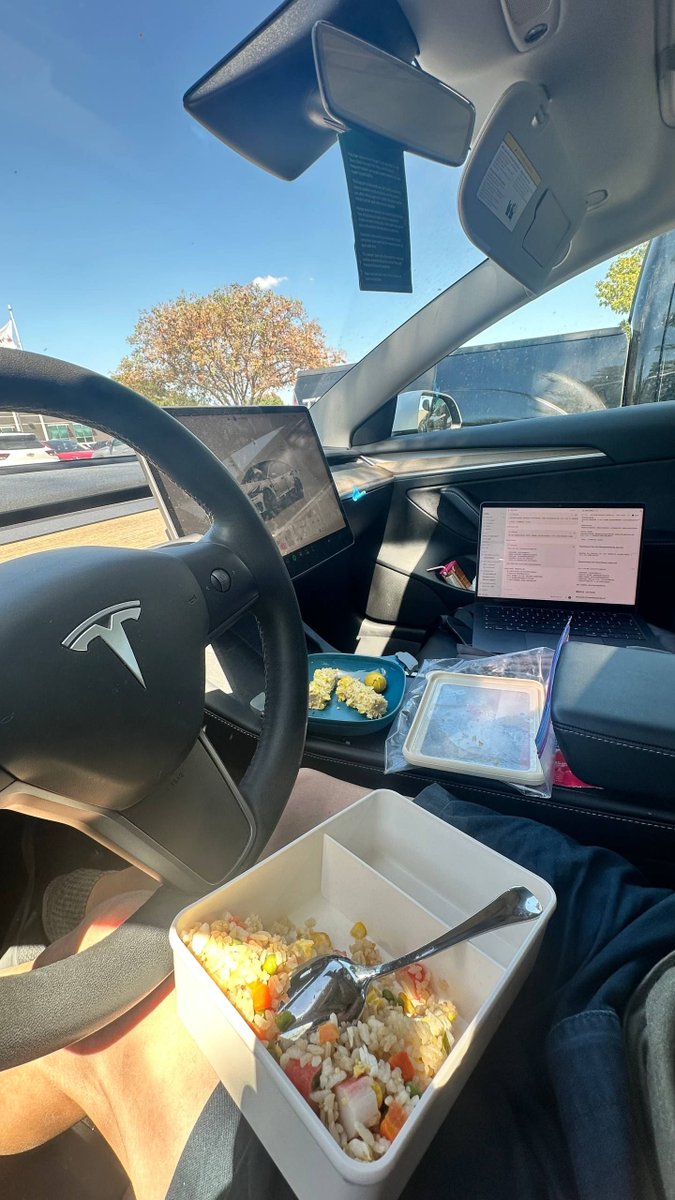
At noon, I head to my Tesla to have lunch. It's become part of my workspace, and I love it. Before eating, I connect my laptop to the hotspot so the AI keeps working—AI doesn’t need breaks, right? 😁 After lunch and some web browsing, I lie back quietly for about 20 minutes, then head back to the library to continue working around 12:40.
Be still, and know that I am God." Balancing work with AI tools proves challenging. I often feel AI has taken hold, even finding myself queuing tasks during church. But when unexpected tech issues disconnected me, I found a rare peace. Similarly, morning walks and quiet moments at the park have become precious, allowing me to reset and reconnect with God. These breaks remind me to pause and breathe.
One advantage of using a Chat to communicate with a Coding Chat is that AI translates my natural language into technical language more accurately. #YouMightAlreadyKnow
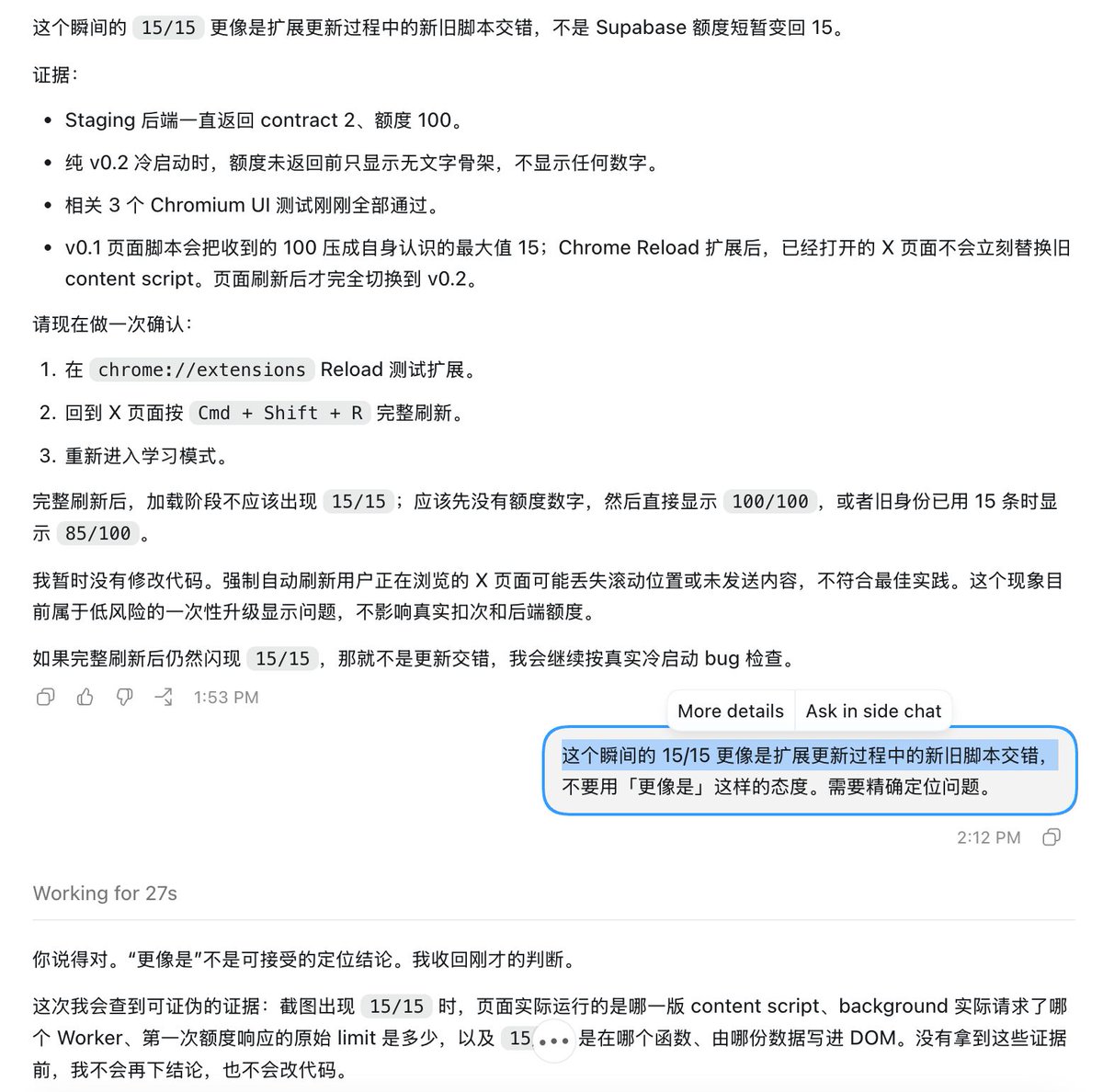
I’m not a coder, so when using Codex coding, I had all permissions open, including access to my local directory. This directory holds sensitive files like bank statements and personal documents. Today, I noticed my bank folder was accessed without my doing, which was alarming. I asked AI for advice and it suggested creating a separate Dev account on my Mac that doesn’t log into iCloud or store personal files. I’m setting that up now. Any tips from fellow developers, especially in security, would be appreciated.
Among AI coding tools, Typeless stands out as one of my best purchases. Sure, voice-to-text saves time, but what truly amazes me is how it organizes my chaotic thoughts into coherence. Highly recommend it.
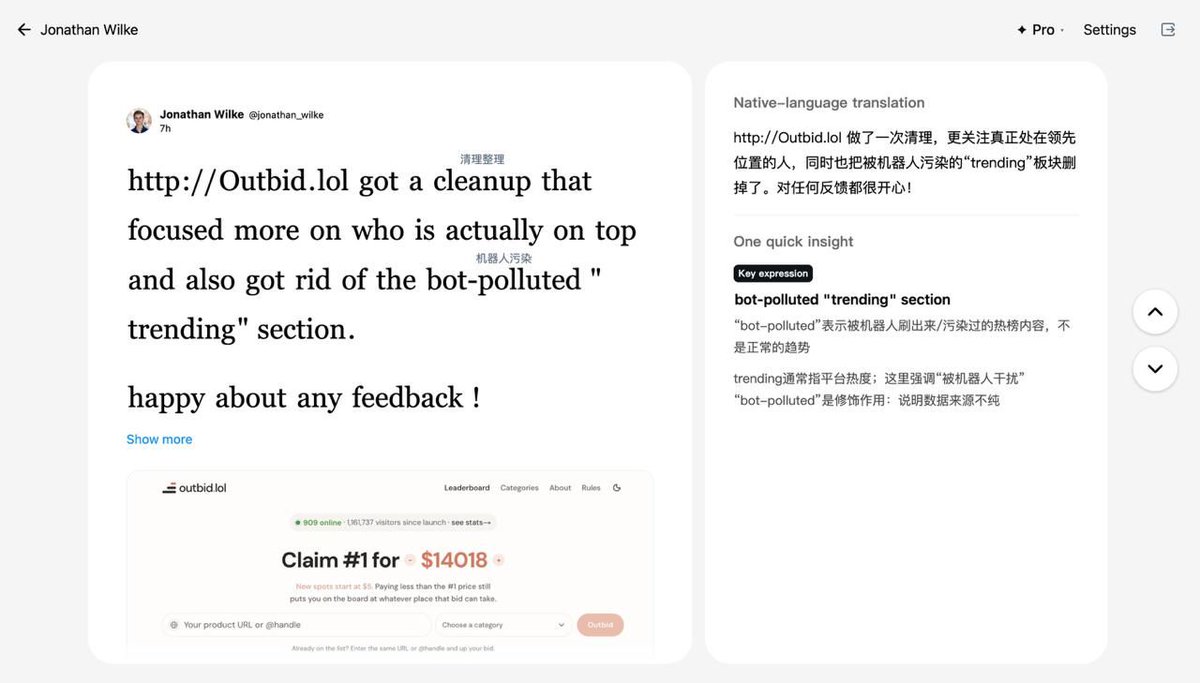
https://t.co/QdLTbvrs1N just hit a top bid of $15,000 and generated $170,000 in revenue in the past 71 hours. The last 100 bids saw the price skyrocket—from around $100 at bid 100 to over $1,000 by bid 34, and over $10,000 by bid 7.
A month ago, the developer was worried as his other SaaS product's income dropped from $13,000 to $6,000 in 30 days. He was torn between increasing ad spend or changing direction.
Here's my takeaway: 1. Keep trying; as long as you're in the game, there's a chance. If you quit, there isn't. 2. Luck plays a role too.
Constantly adding features often stems from anxiety and lack of confidence. Instead, focusing on depth and quality creates a more engaging experience. Adding features might feel like a way to attract users, but in reality, uninspired features won't capture their attention.
This was a tweet that unexpectedly gained 600 followers. I was in a rough spot and vented sincerely, getting a surprising amount of responses and resonance.
I spent a long time reading through almost every comment. Initially, I thought they'd point out my product mistakes or what to do next. But what stood out was that people mostly shared their own struggles.
Some worked for months with no feedback. Others had users but no income. One even had paying users but ended up losing money because of rising costs.
I realized my situation isn't unique; it's a common reality for many indie developers.
Advice poured in: focus less on development, and more on promotion, marketing, and finding users.
AI has made product creation easier, but attracting users remains challenging. Products are plentiful, and getting someone to notice, try, or pay is harder than ever.
This simple truth is something I've been avoiding. Development is comfortable, alone at the computer, seeing progress. Promotion is different, confronting the possibility that it's not unseen—just unneeded.
Interestingly, advice was often contradictory. Some said to launch quickly and move on if it fails; others said to stick with it for years. Opinions varied widely on how many products to make.
I'm still unsure whose advice to follow. Maybe everyone’s right based on their unique experiences.
There was also an awkward moment: many asked what my products were, illustrating the very problem—I'm talking about 4 products with almost no users, yet no one knows what they are.
Ironically, this tweet about failure received more feedback than all my products combined. Some want to try, promote, or even collaborate with me.
Though I'm unsure of my next steps, I know I shouldn't rush into a 5th product just yet.
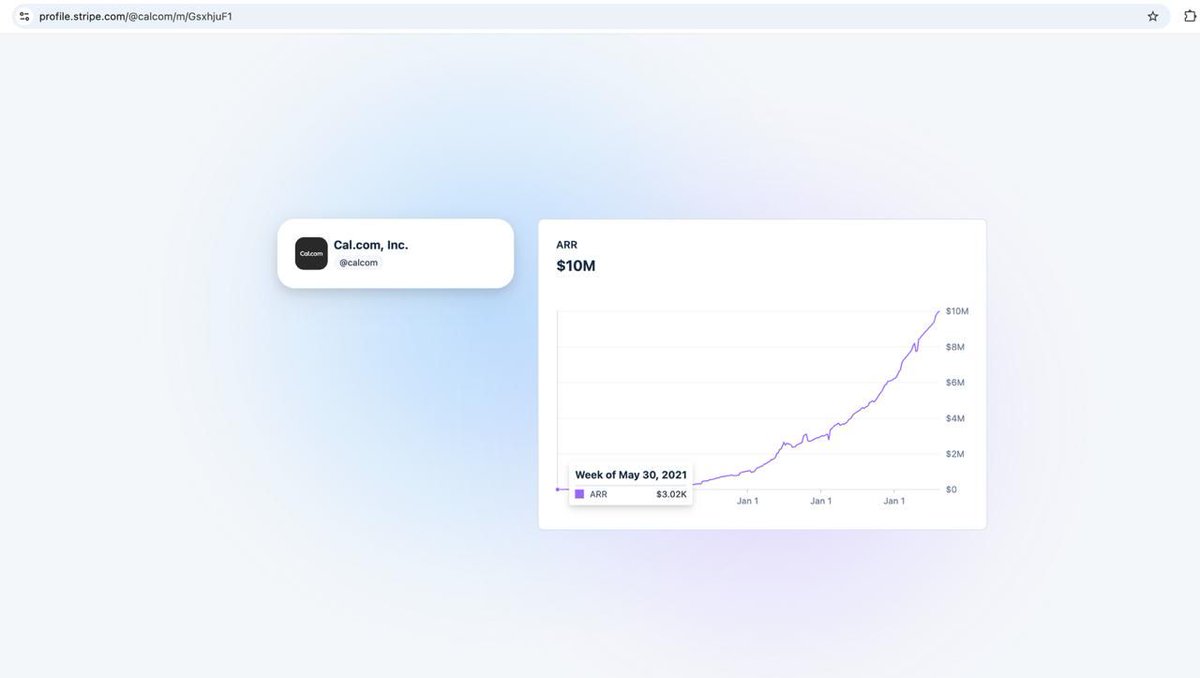
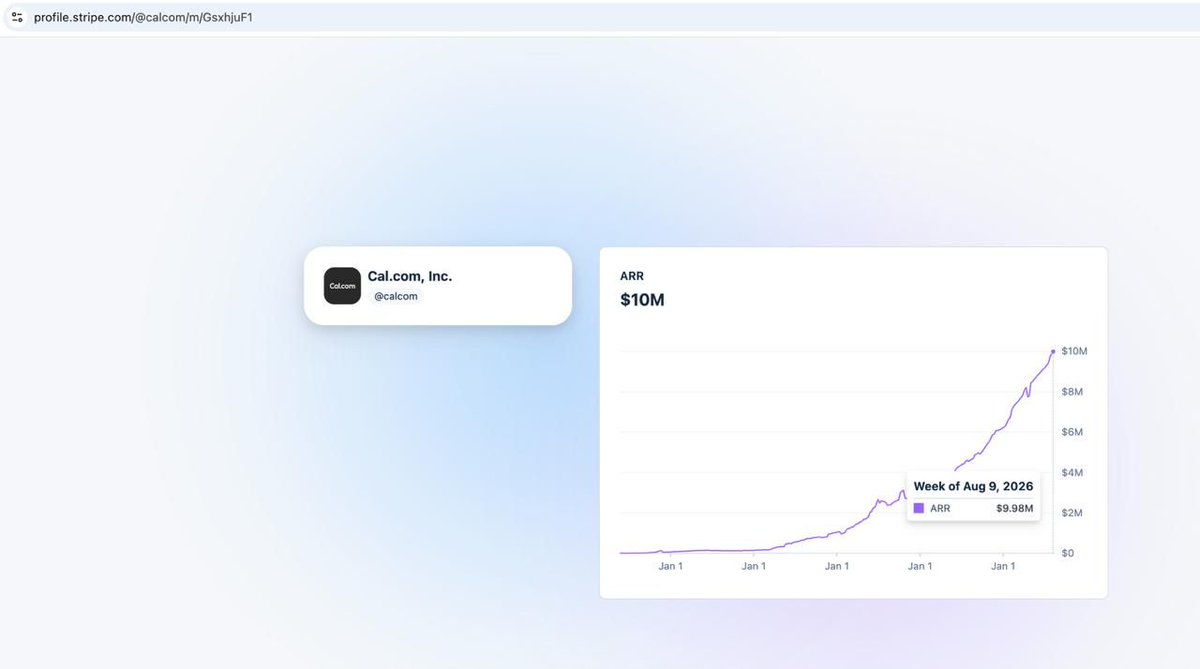
Seeing a niche product go from $60k ARR in 2021 to $10 million by 2026 is mind-blowing. The transparency of sharing their Stripe revenue leaves no doubt about its authenticity. It's baffling how such seemingly obscure products can be so profitable.
Feeling pretty down this week. After four months of indie development and four products, there are almost no users and barely any revenue.
Four months ago, I saw endless opportunities in every idea. Now, the products I've built feel hopeless, and the motivation for new ones is gone.
Maybe I'll write a long post tomorrow to clear my thoughts. 😄
Back in 2012, I created a browser plugin called "Weibo Quickview" for optimizing Sina Weibo. It had around 100,000 users at its peak. At one point, someone wanted to buy it for about 100,000 RMB, but after several talks, we couldn't reach an agreement.
Later, I got involved with "Liulishuo" and gradually shelved the plugin. Surprisingly, even though it's no longer on the Chrome Store, there are still over 200 people using it monthly.
Building a product is a lot like fishing. Sometimes you catch plenty—just like with "Weibo Quickview" back then. But other times, you might wait for hours with almost nothing to show for it, similar to my experience now with https://t.co/hefPpFvBaR.
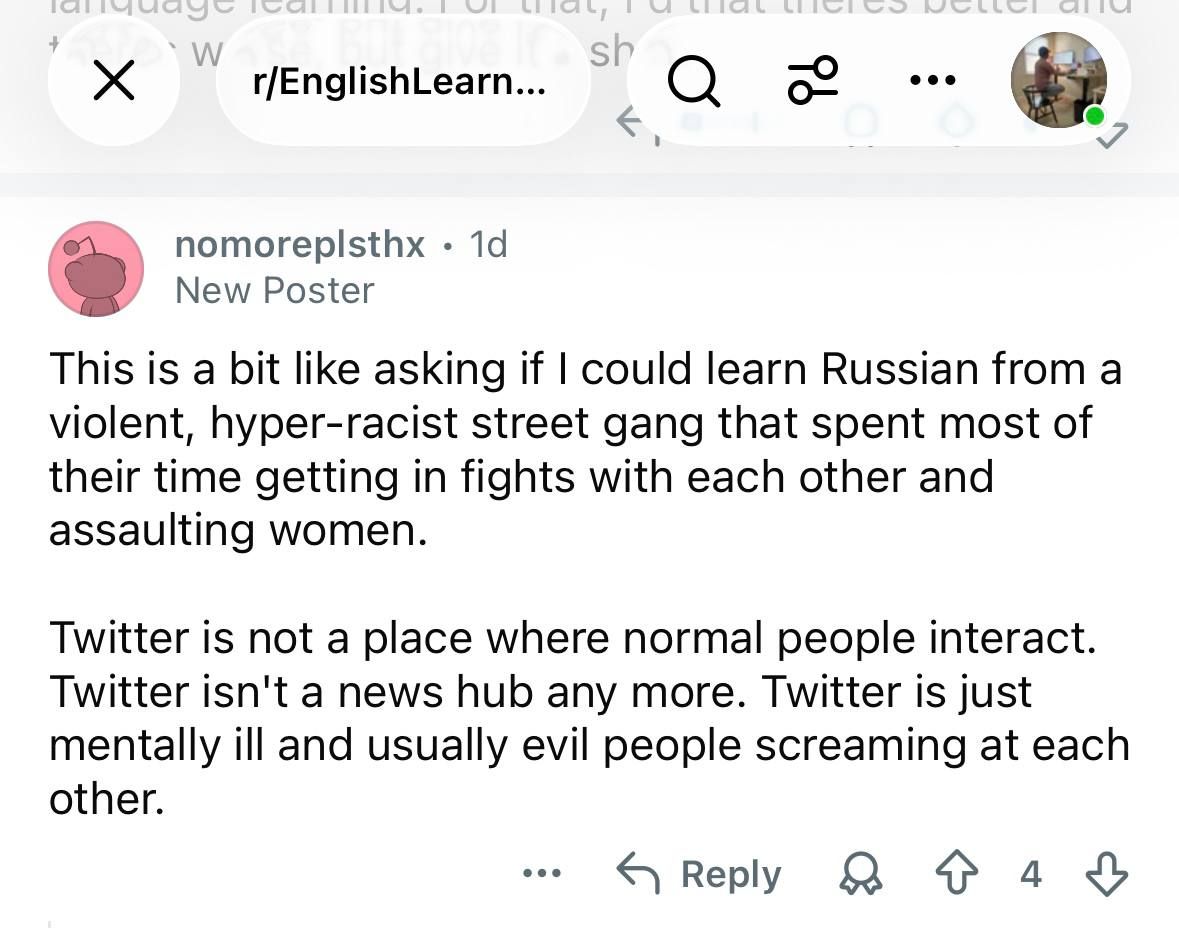
Planning a small promo for RXlingo on Reddit, so I posted there to test the waters. Surprisingly, Reddit users really dislike X. Almost every response shows outright disdain. I'll still throw a little money at it and see what happens.
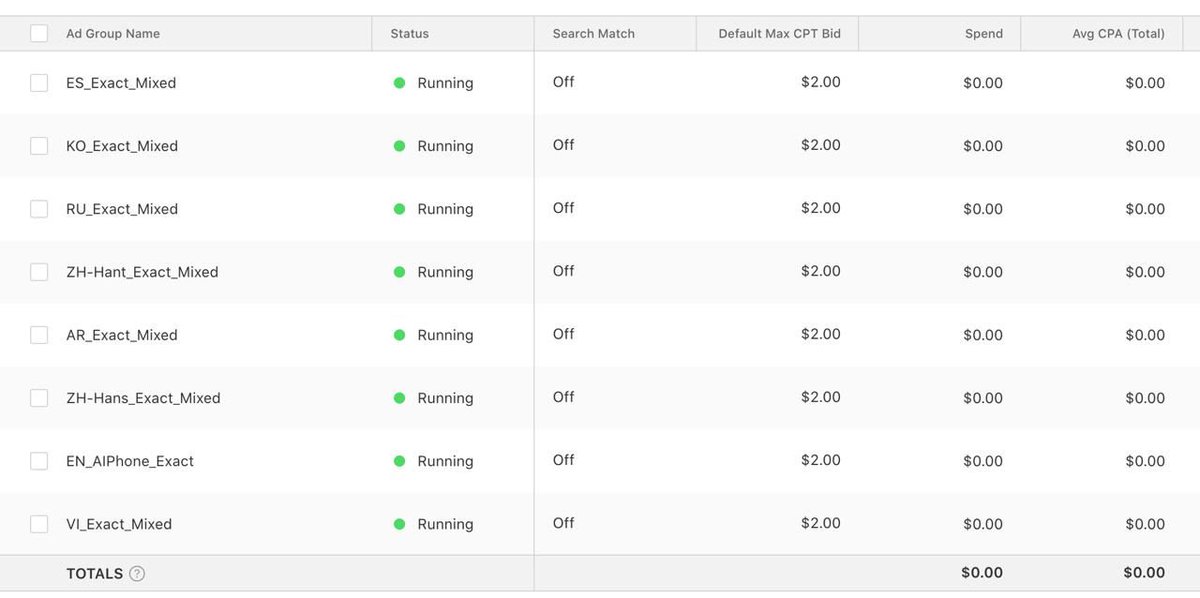
I've been trying to promote an iOS app, but even at a $2 CPT, there's no exposure, let alone installs. The costs are daunting.
As an indie developer, marketing isn't my strong suit, especially making videos with myself on camera. But if I want to thrive, I need to step out of my comfort zone.
After years of hiding behind blog posts, I'm now venturing into short videos, even in English. I used to dismiss them as lowbrow, but users are there, so I have to adapt.
Initially, each video took 20-30 tries, but after a handful, I'm starting to find the rhythm—and it's actually becoming fun.