If you plan on planting large bulbs this fall, like daffodils, tulips, and hyacinths, spacing should be about 6 inches apart. If you are adding minor bulbs to the garden, such as crocus, squill, and snowdrops, plan on spacing these about 4 inches apart.
Spring bulbs will soon be appearing at your garden retail shop. Be prepared. Walk around the garden looking for spots you know could have used a little more color this past spring. Make a note of these areas for planting this fall.
Mid-summer is when all your garden plants require an extra measure of care to keep them looking their best. Ensure non-stop begonias are out of direct sunlight, kept watered, fertilized, and well-groomed by removing spent flowers and unsightly leaves.
July is the time to give dahlias a little TLC. To guarantee that plants remain healthy and produce an abundance of beautiful blooms, this month is the time to make sure that you take care of the following:
Stake
Pinch
Fertilize
Water
Weed
Insect Control.
If you adore gladiolus, there may still be time to plant your favorites this summer. Glads take anywhere from 60 to 90 days to bloom, so check the “days to flower” of your varieties to ensure that you still have enough time to enjoy these dazzling bloomers this year.
Like the edible varieties, ornamental Alliums emit a strong odor that many garden pests, including moles, voles, mice, rabbits, and deer, find offensive. Alliums will keep unwanted visitors from wreaking havoc on your prized plants.
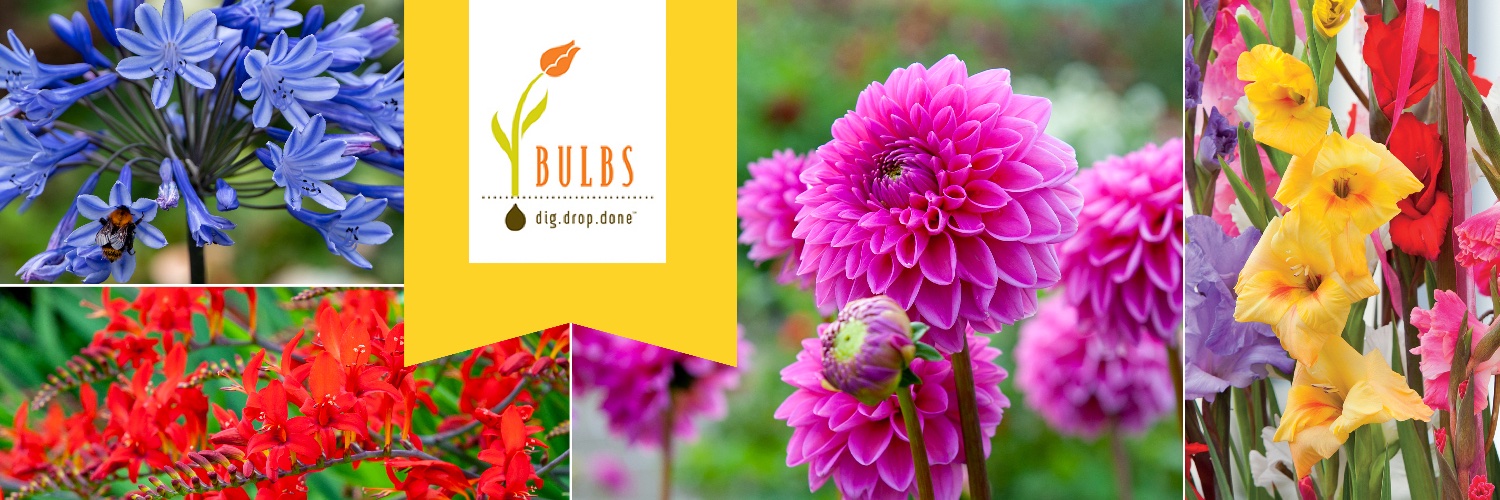
Crocosmia is an exceptional cut flower and is best planted in large drifts, where it can give the effect of a flowering shrub. Ensure it receives at least one inch of water per week and remove spent blooms to keep it flowering and looking its best all summer.
If you’re looking for a pollinator magnet for a damp garden area, like a rain garden, be sure to include Turk’s Cap Lily. This exotic-looking, native, heirloom lily features unique downward-facing flowers beloved by bees and butterflies. Hardy in zones 3 - 8.
Let's get up close and personal with Liatris. Commonly called ‘blazing star’ or ‘prairie feather,’ this summer flowering bulb is native to eastern North America. It is spring planted, returning year after year with its rich purple spikes perfect for cut flower arrangements.
White flowers reflect the moonlight making them easily appreciated during the darkest hours. A white flowering garden is also simple to create and maintain when designed using bulbs. It’s as easy as Dig. Drop. Done!
All bulbs that are grown in the ground may be grown in containers. This excellent space-saving idea allows you to employ your balcony, porch, and patio as garden space that is beautified by bulbs and easily maintained with minimal bending and kneeling.
Cultivating a pollinator garden? Be sure to include canna lilies. These tropical-themed beauties are beloved by bees, butterflies, and hummingbirds. Grow cannas in pots, beds, and borders… anywhere you desire dramatic summer color and a flurry of pollinators.
Tuberous begonias are known for their dazzling colors that add a radiant glow to the shade garden. Their brilliant double-petaled blooms can range from 2 to 6 inches across and last several weeks during the summer months.
Cannas are an excellent bulb choice for summer color. There are many varieties with outstanding, colorful, decorative foliage that look just as good when not flowering and will bring a festive, tropical look to your outdoor space.
Let's get those Dahlia started! Plant after all danger of frost has passed in full sun with rich, well-draining soil. Plant tubers on their side, 4 inches deep, with the eye facing upwards. Do not water the tubers after planting; wait until you see the first sign of growth.
Many bulbs are excellent pollinator attractors. Camassia, a native plant with white, blue, or purple flower spikes on 2-foot-tall plants, will lure both mason and bumble bees to the garden. Why not try a few?
#digdropdone#camassia#nativeplants#pollinators#bees
One of the most unique, stunning, and easy-to-grow summer flowering bulbs is the Peacock Orchid or Acidanthera. The Peacock Orchid is grown like gladiolus, requiring full sun and well-drained soil. Plant a handful every two weeks for blooms all summer long!
Allium, or ornamental onion, comes in a variety of colors, inflorescence size and shape, and plant height. One of our favorites is Mt. Everest, with its baseball size white blooms. This plant grows to a whopping three feet tall, creating an exclamation point in the landscape.