We are very excited to announce the release version of Digichem 7.0 🎉 To celebrate, we're offering 1 month completely free to all new users. Head to https://t.co/V5kPuaCyXT to manage your computational chemistry workflow and accelerate your research #digichem
Do molecules have a natural orientation?
We scientists certainly think so! But convincing a computer is much more complicated.
Here's some of the ways we're tackling this problem in @DigichemProject, read more here:
https://t.co/gRo2neTDi7
Great to see everyone at ICEL 2026 last week! If you didn't get a chance to catch our poster presentation you can find it here (and don't worry, our free trial offer is still open https://t.co/8xiYtZtxQD)
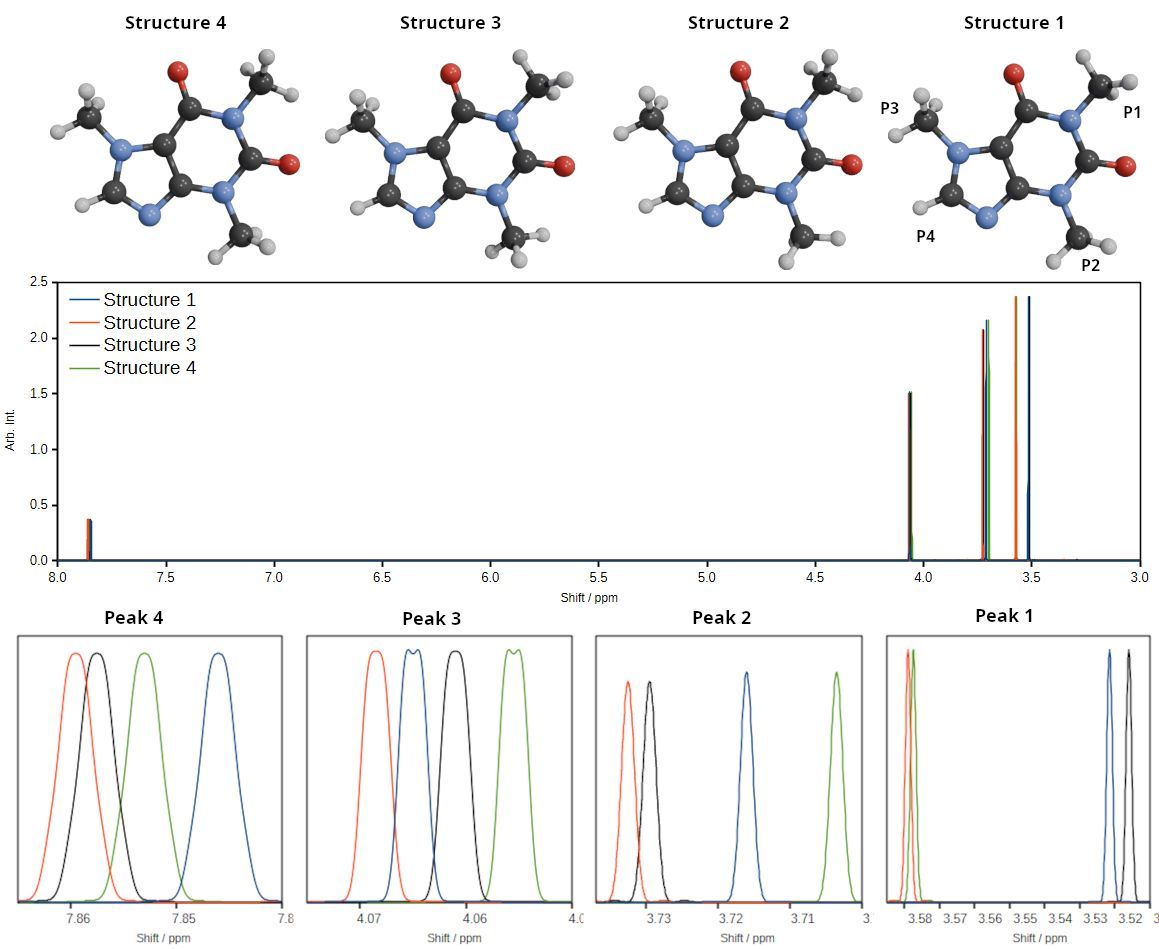
Four DFT NMR calculations based on an initial conformer search of Caffeine. Even relatively minor structural changes (just CH3 rotations here) can lead to measurable changes in properties under the right conditions!
The latest Digichem release is out now https://t.co/V5kPuaC18l ! Version 7.4 adds support for conformational searching using the CREST and CENSO engines of the Grimme group. See how it impacts the excited states of a classic emitter below!
@dil_exe Happy new year! Hmm good question, anything up to 1000 atoms (ish) is comfortably within normal DFT capability, beyond that you tend to need specialist DFT methods but these can go up to 3000 atoms or so! So for a protein on the smaller end definitely!
Happy new year all! (We're not late are we?) Anyway to celebrate we've released Digichem 7.3, aka the NMR release! Head to https://t.co/dAxIwC7LWl to start running Digichem NMR simulations using Gaussian, Orca, Turbomole, and PySCF.
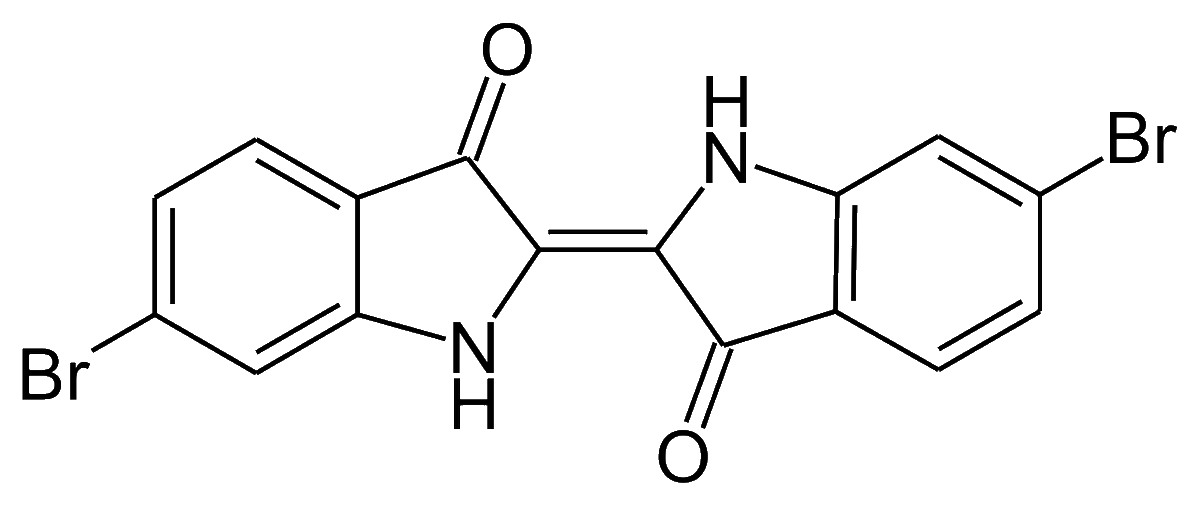
6,6-Dibromindigo is an important historical dye that famously could only be harvested from sea snails, making it extremely valuable. Fortunately, synthetic dyes have now largely replaced it, leaving the snails to do important snail things! Calculated with #digichem 7 and #blender
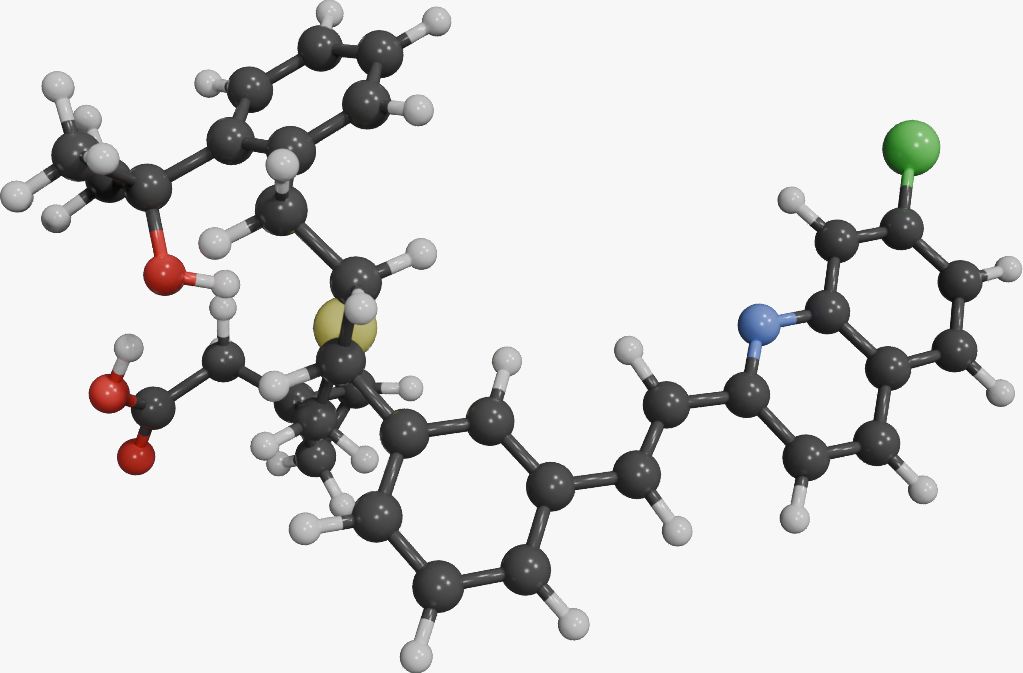
An important drug molecule for sufferers of asthma, Montelukast is one of the medications used for long-term treatment of this respiratory condition. Here, we have a peak at the molecule's structure in 3D. Calculated with #digichem7 and #blender.
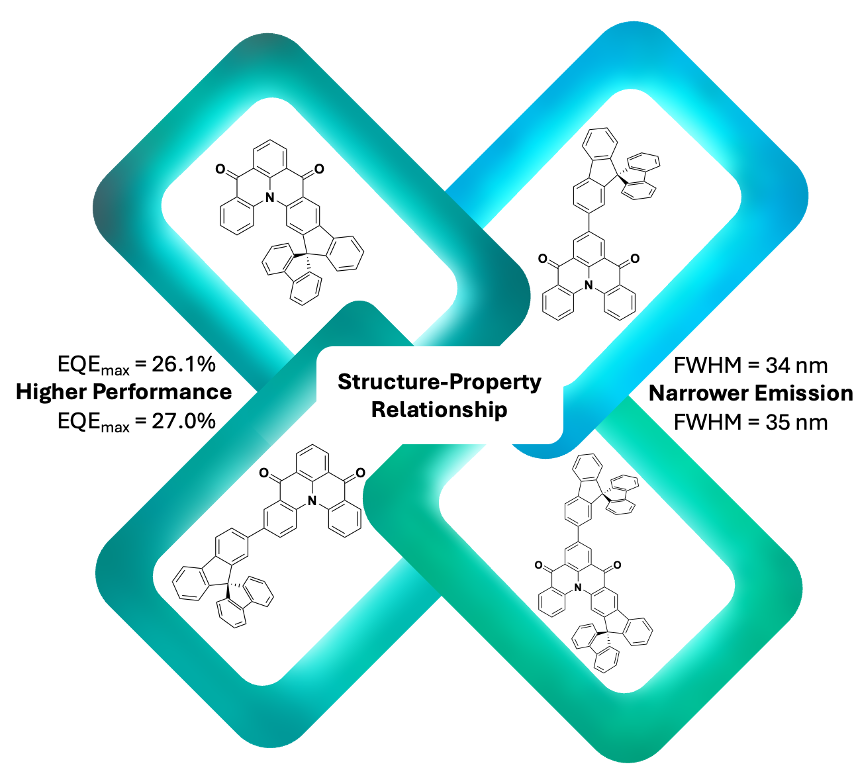
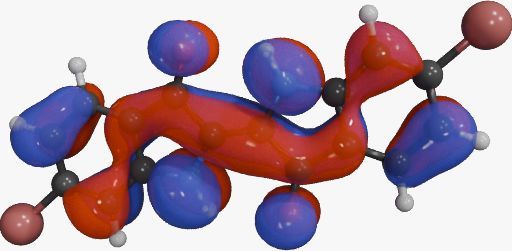
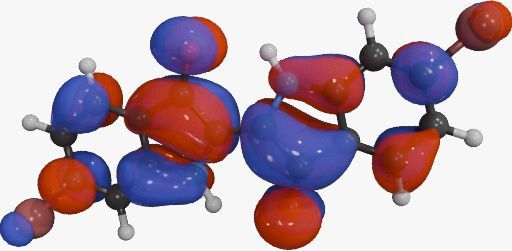
On today's episode of🔎Digiwatch:🔎 Detection of explosive compounds using organic emitters in this contribution from the Turnbull and @ezc_group groups, featuring frontier molecular orbital calculations from Digichem. Read the full paper here: https://t.co/Xiz4lAjJNT!
Today we're having a look at the structure of Raltegravir, an important anti-viral medication used in the treatment of HIV/AIDS. Calculated here in 3D with #Digichem 7 and #blender.
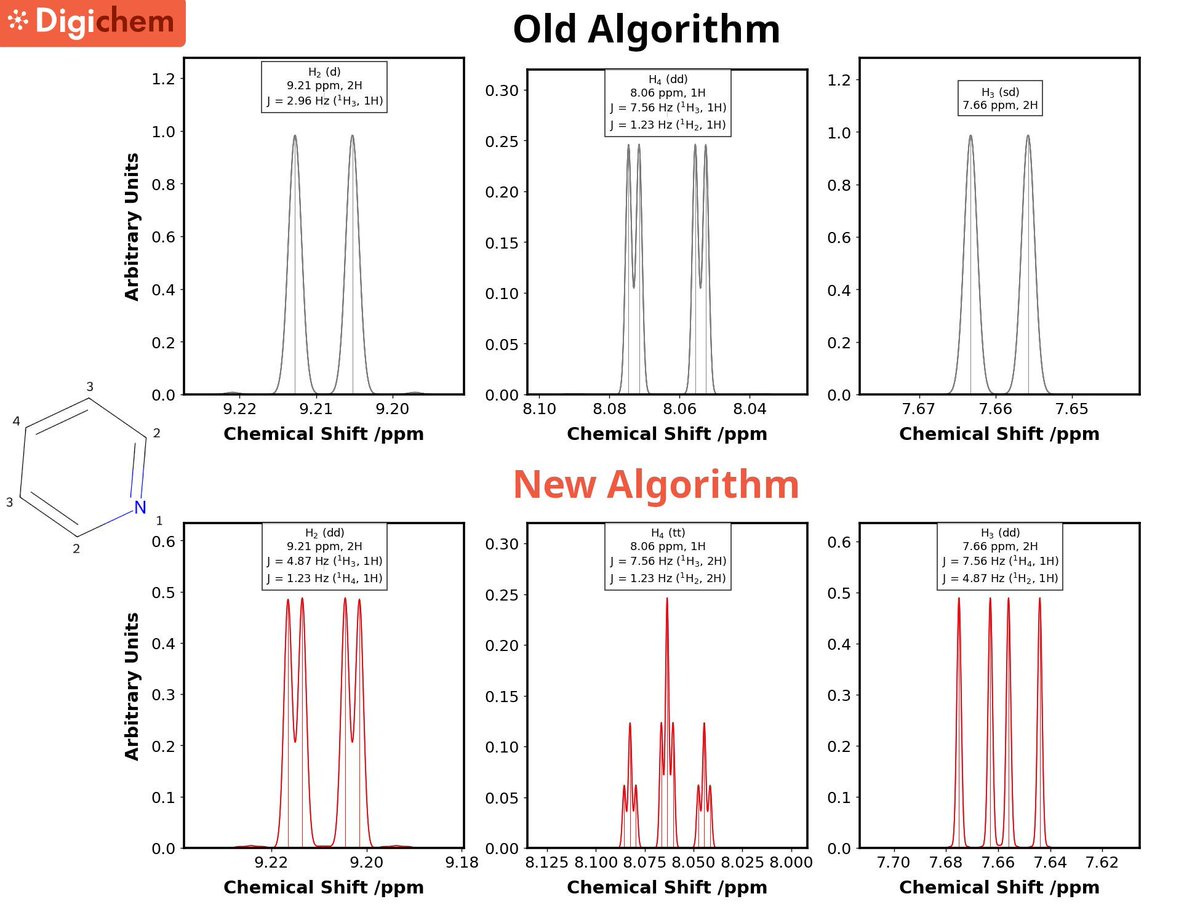
A sneak peak of some of the NMR upgrades scheduled for Digichem 7.3, featuring a new algorithm for the detection of spin-spin coupling around symmetric rings. Thanks to Pyridine for modelling for us today and highlighting the big change this makes!
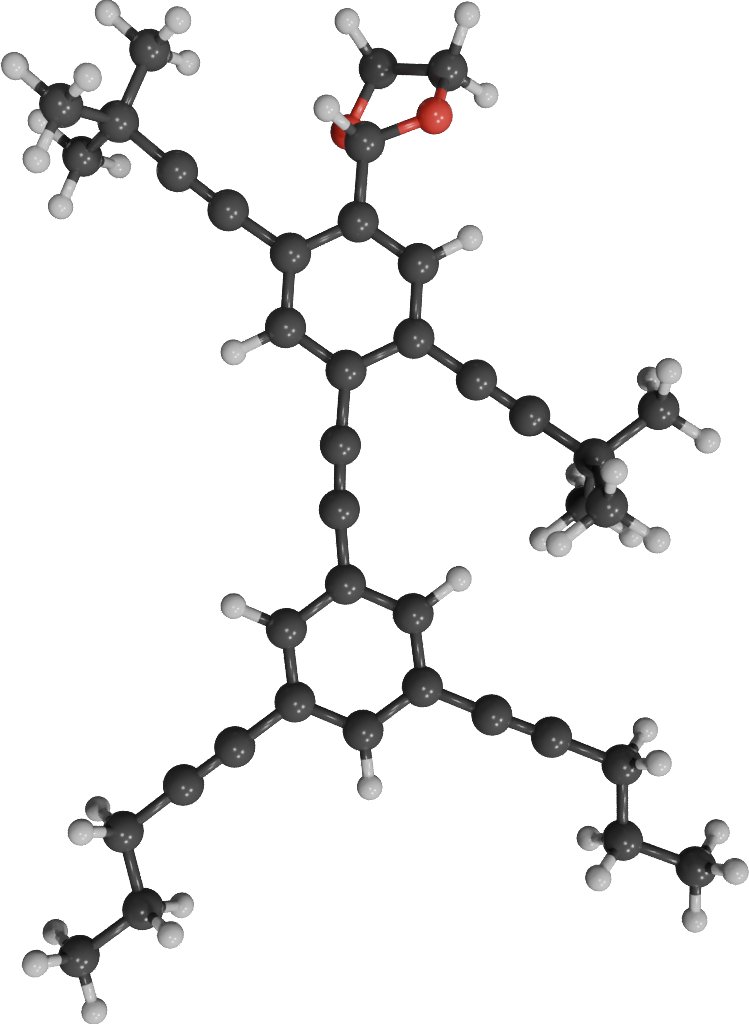
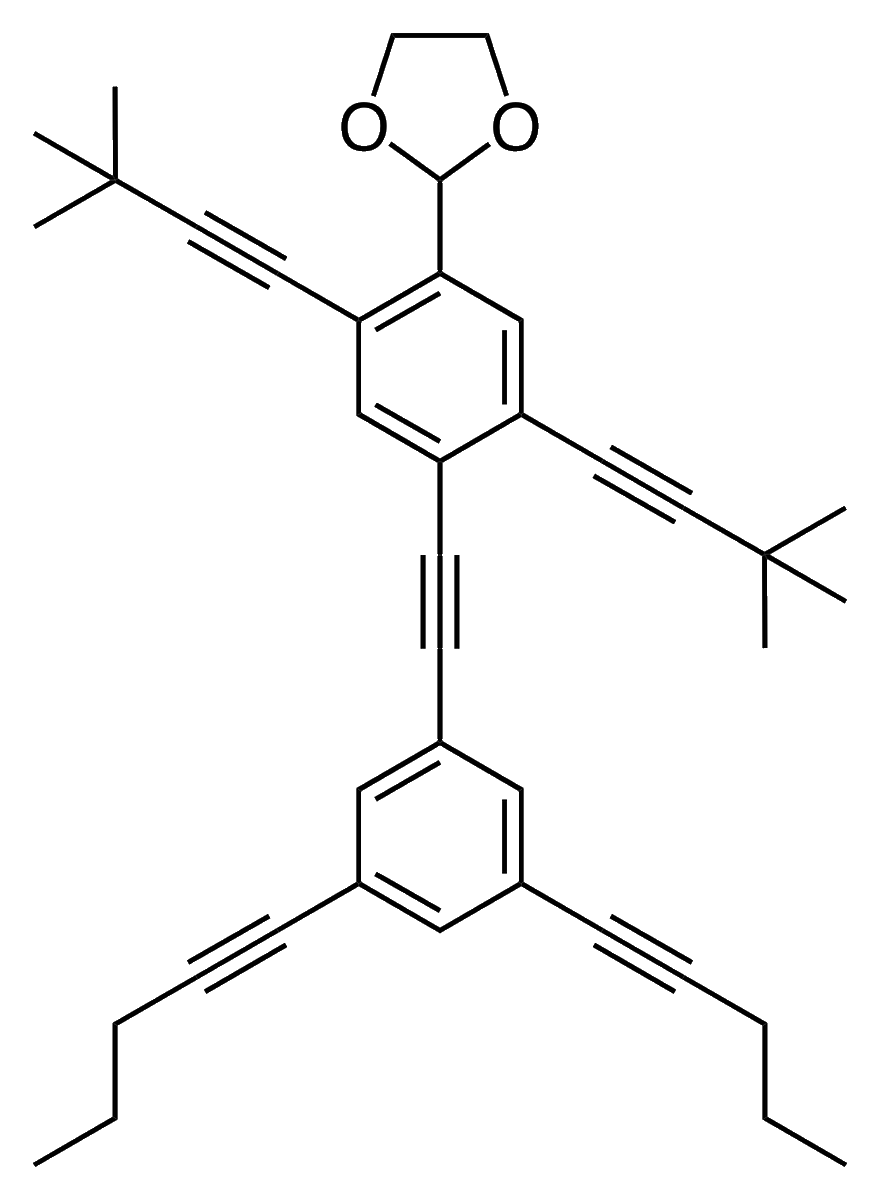
Everyone, please say hi to NanoKid! This intrepid little fellow is a member of the NanoPutians; molecules designed by the @DrJamesTour group to look like people (mostly for educational purposes, but surely also for fun!). Calculated here in 3D with #Digichem 7 and #blender.
Happy update day Digichemers! v7.2.0 is out now, featuring a host of improvements and bugfixes. Not got your copy yet? Sign up for the free 1-month trial today! Did I mention it's free? https://t.co/AjFeK7ea73
PS, you can read the patch notes here: https://t.co/MMoeOXHreS
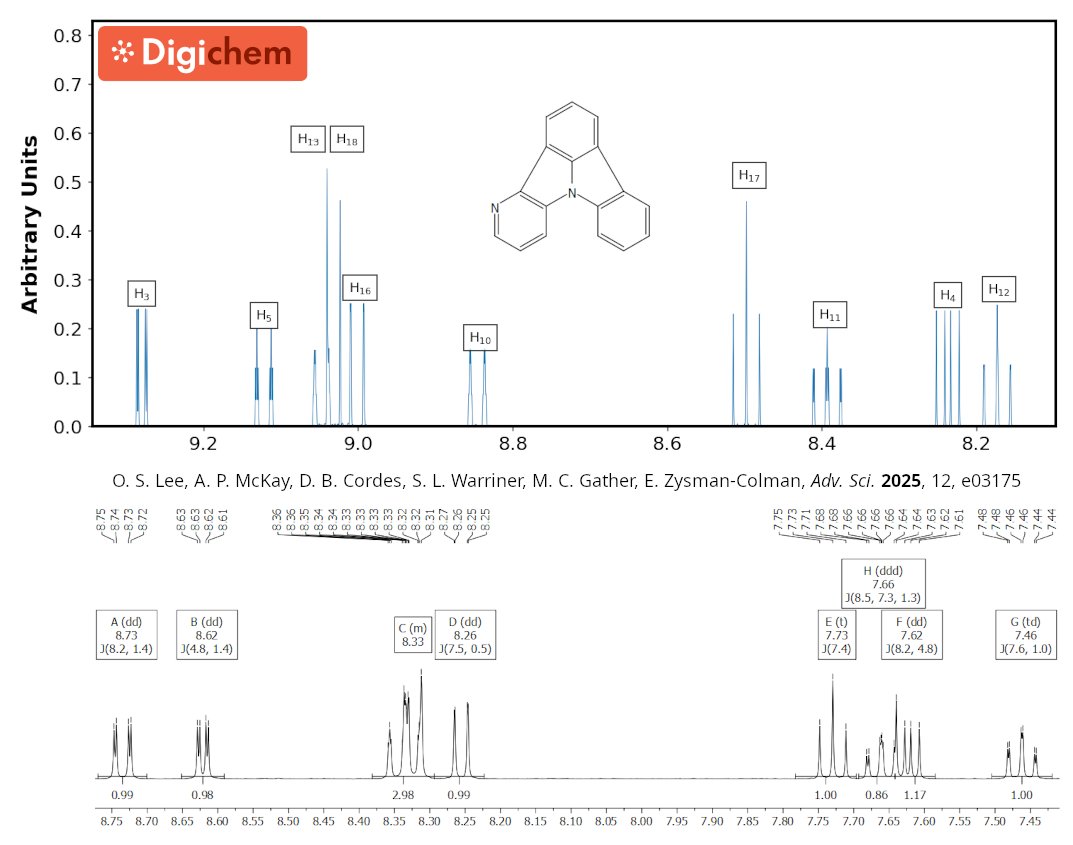
A quick showcase of Digichem's NMR prediction capabilities, here recreating an experimental 1H NMR spectrum in DMSO using the Orca calculation engine. Not bad for a first try!
Experimental spectrum is published here: https://t.co/BK03nAhqoB
After being blown away by our last entry in this cool molecular series, we're back once again with another propellane! With it's greater blade area, [2.2.2]propellane is a real breath of fresh air, and we're big fans! Rendered with #digichem 7 and #blender.
On today's episode of🔎Digiwatch:🔎 A very cool paracyclophane bridged emitter for circularly polarised light from the Pal, Zhang, and Zysman-Colman groups. Featuring Digichem powered calculations of electronic excited states, read the full paper here: https://t.co/77b4qQBGVe
Out now: Digichem 7.0.3! This minor bugfix version fixes the default rendering engine being set to VMD (even when it wasn't available). The #Blender based Batoms renderer is now correctly set as the default, but of course you can manually change if you like (see attached image).











![DigichemProject's tweet photo. After being blown away by our last entry in this cool molecular series, we're back once again with another propellane! With it's greater blade area, [2.2.2]propellane is a real breath of fresh air, and we're big fans! Rendered with #digichem 7 and #blender. https://t.co/fbHysicmdv](https://pbs.twimg.com/media/G5owEB_WYAAq_zH.jpg)
![DigichemProject's tweet photo. After being blown away by our last entry in this cool molecular series, we're back once again with another propellane! With it's greater blade area, [2.2.2]propellane is a real breath of fresh air, and we're big fans! Rendered with #digichem 7 and #blender. https://t.co/fbHysicmdv](https://pbs.twimg.com/media/G5owDycXYAACwqg.jpg)
![DigichemProject's tweet photo. After being blown away by our last entry in this cool molecular series, we're back once again with another propellane! With it's greater blade area, [2.2.2]propellane is a real breath of fresh air, and we're big fans! Rendered with #digichem 7 and #blender. https://t.co/fbHysicmdv](https://pbs.twimg.com/media/G5owDnXWoAA_sPZ.jpg)