Digital Futures Lab is a multidisciplinary research collective that examines the complex interaction between technology and society in the global south.
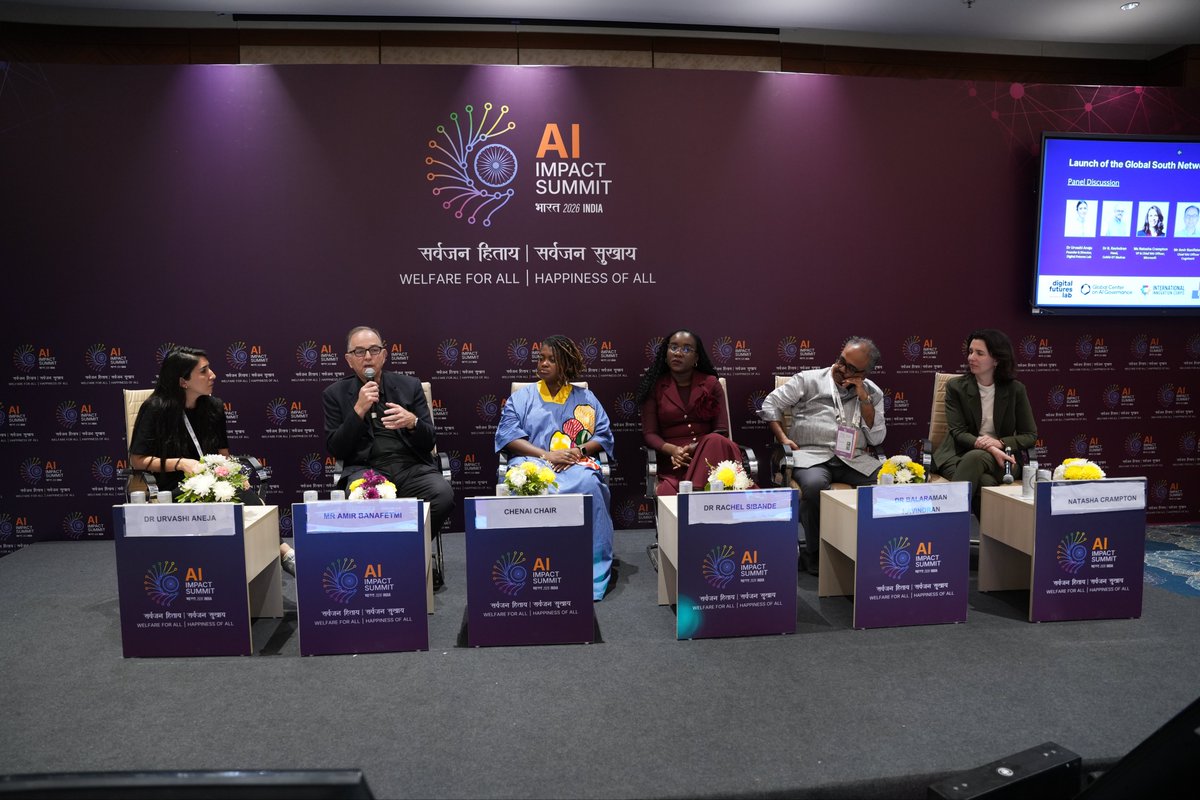
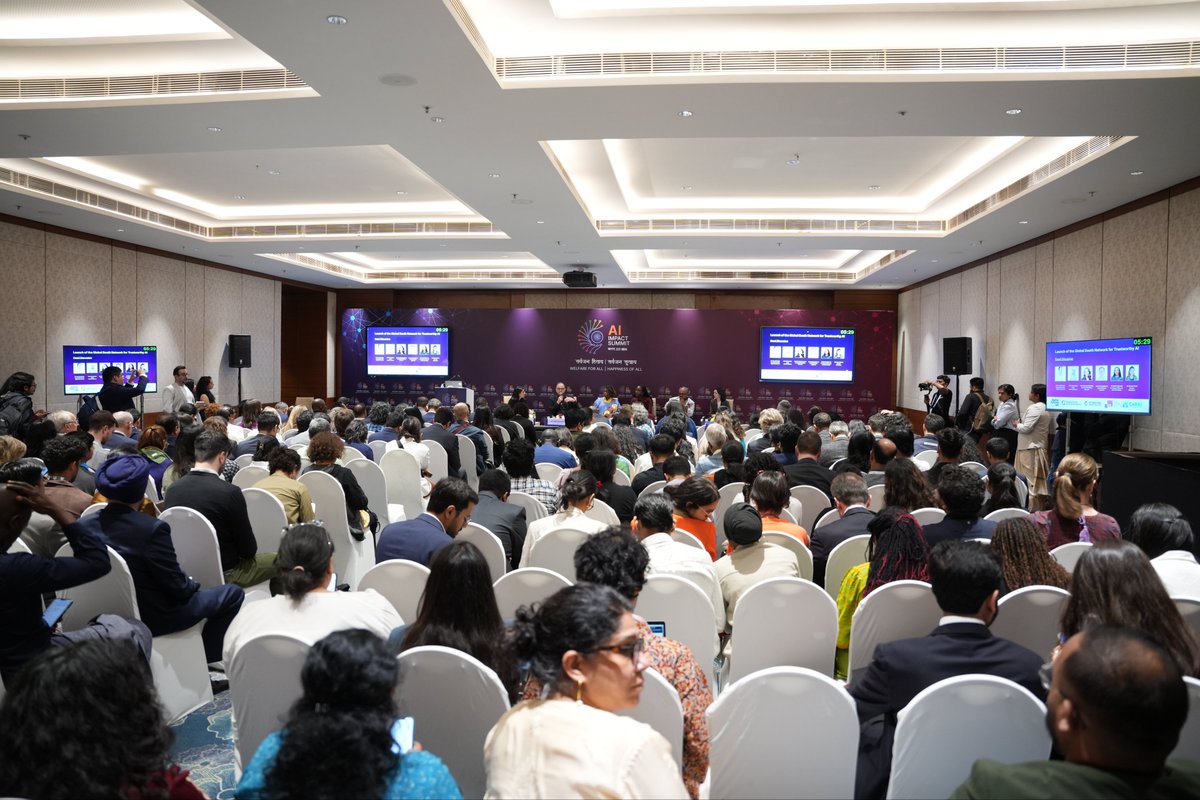
Two weeks since the launch of the Global South Network for Trustworthy AI at the IndiaAI Impact Summit 2026 — and we’re still energised by the response from leaders across government, industry, philanthropy, and civil society.
Why does this network matter? 🧵
7/7 Jointly published with the FAIR Forward – Artificial Intelligence for All initiative (implemented by GIZ and funded by the German Federal Ministry of Economic Cooperation and Development (BMZ)), @nasscom , & the IndiaAI Mission.
The full report: https://t.co/yYsU0bJdGb
6/7 The state is one of India's largest tech buyer. Those choices shape the market.
→Prefer open-source AI in procurement, with context-sensitive exceptions where justified.
→Let teams prove fitness through pilots.
→Require transparency baselines for public sector AI.
5/7 As a standard-setter, the state must define what “open source” actually means in AI:
→ Set minimum openness thresholds for public AI systems
→ Prevent “open-washing” in publicly funded projects
→ Develop India-specific licensing frameworks
4/7 As a promoter, the state can expand who participates in AI development by:
→ Prioritising compute access for open source projects
→ Establishing long-term grants for open datasets and tools
→ Extending small enterprise support to open source AI firms
3/7 The state isn't one thing. It plays three roles, and each one matters.
→ Promoter
→ Regulator & Standard Setter
→ Procurer & User
Here's what each requires 👇
2/7 Open-source AI can democratise tech — lowering barriers, enabling local innovation, and reducing Big Tech dependence. For India, it’s a path to real AI autonomy. But this future isn’t automatic; it depends on deliberate state action.
Should court judgements be generated by AI?
🔘 Yes, data is more objective than humans
🔘 No, too much is at stake
🔘 Depends on the safeguards
Our report (launching today!) maps frameworks for courts adopting AI — rights, risks and tools.
Replies welcome. 👇
#HappeningToday
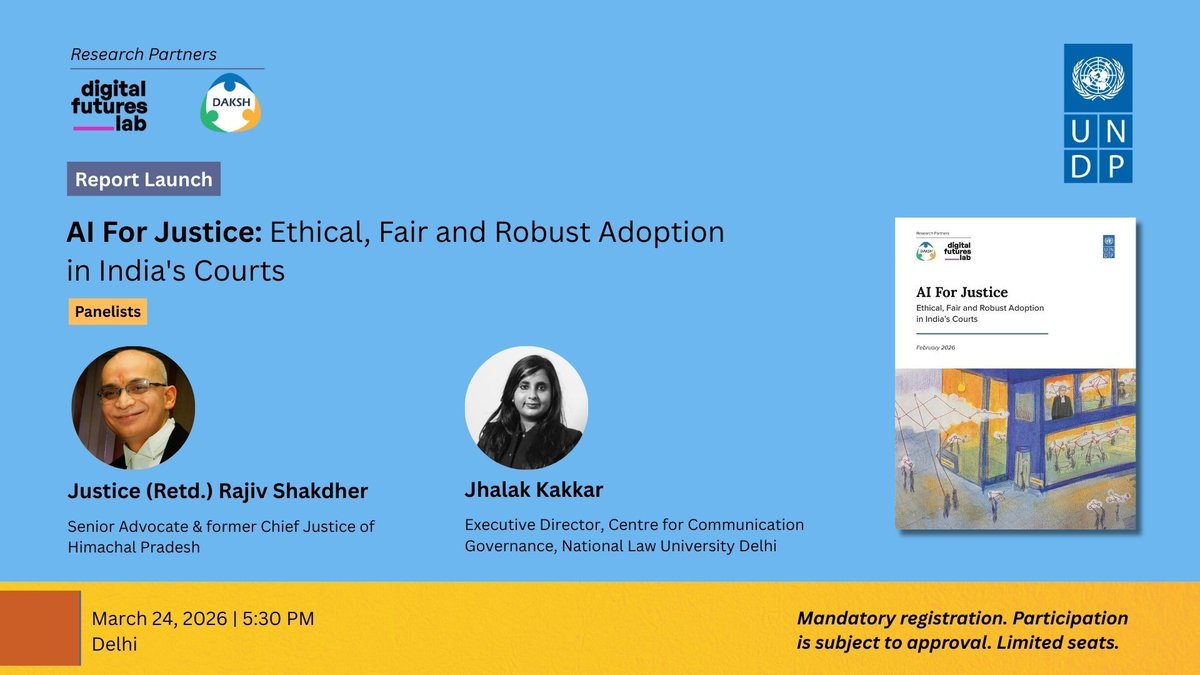
Our ED @JhalakKakkar will be speaking on the panel today, at the launch of the “AI for Justice: Ethical, Fair and Robust Adoption in India’s Courts” report by DAKSH in collaboration with Digital Futures Lab, supported by the United Nations Development Programme (UNDP in India).
@daksh_india@DigiFuturesLab@UNDP_India
4/4 We'll be unpacking this live on March 24 with two panellists: Jhalak Kakkar (NLU Delhi) and Justice (Retd.) Rajiv Shakdher.
Registration is mandatory. Seats are limited. 👉 https://t.co/VXbX8PlftX
1/4 The Supreme Court of India flagged it earlier this year: AI-generated fake citations in judgments. An "institutional concern" with a direct bearing on judicial integrity.
AI in courts isn't a future scenario. It's the present.
3/4 Our report names four things most court AI adoption is missing:
- Readiness assessment before deployment
- Rights-based risk identification
- Independent technical evaluation
- Post-deployment monitoring
2/4 Here's why our March 24 report launch with DAKSH & UNDP matters. 🧵
Transcription that mishears. Translation that flattens nuance. Summarisation that drops context. In a courtroom, these aren't just errors. They affect real outcomes.
AI is already in India's courtrooms. The question is whether that adoption is happening responsibly.
With @daksh_india & @UNDP, we're launching a report that offers practical answers.
📅 March 24, 2026 | 📍 New Delhi
Register for the launch 👇🏽 https://t.co/zjEP8rE7lA
At Digital Futures Lab, we’re excited to help grow this coalition and contribute to shaping a stronger conversation on AI trustworthiness in the Global South.
More to come. 🌍
Watch the launch event here: https://t.co/BOcdEQQGq1
Two weeks since the launch of the Global South Network for Trustworthy AI at the IndiaAI Impact Summit 2026 — and we’re still energised by the response from leaders across government, industry, philanthropy, and civil society.
Why does this network matter? 🧵
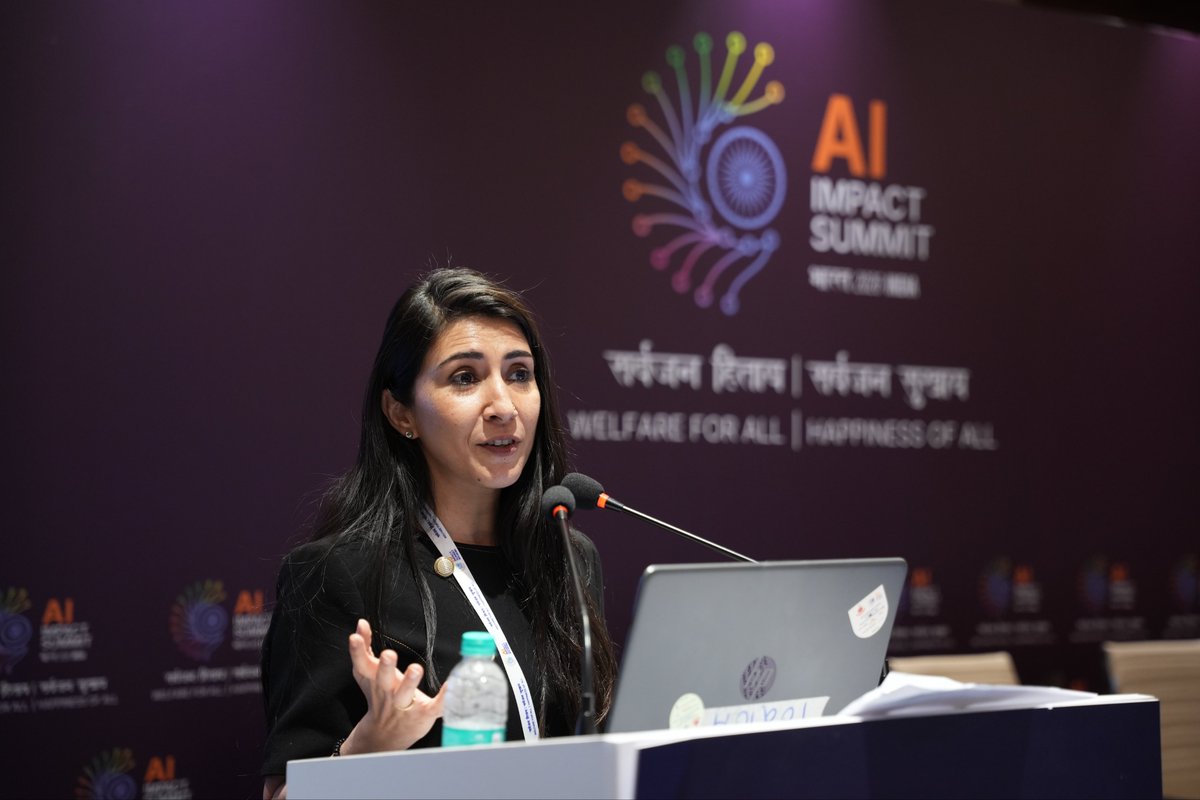
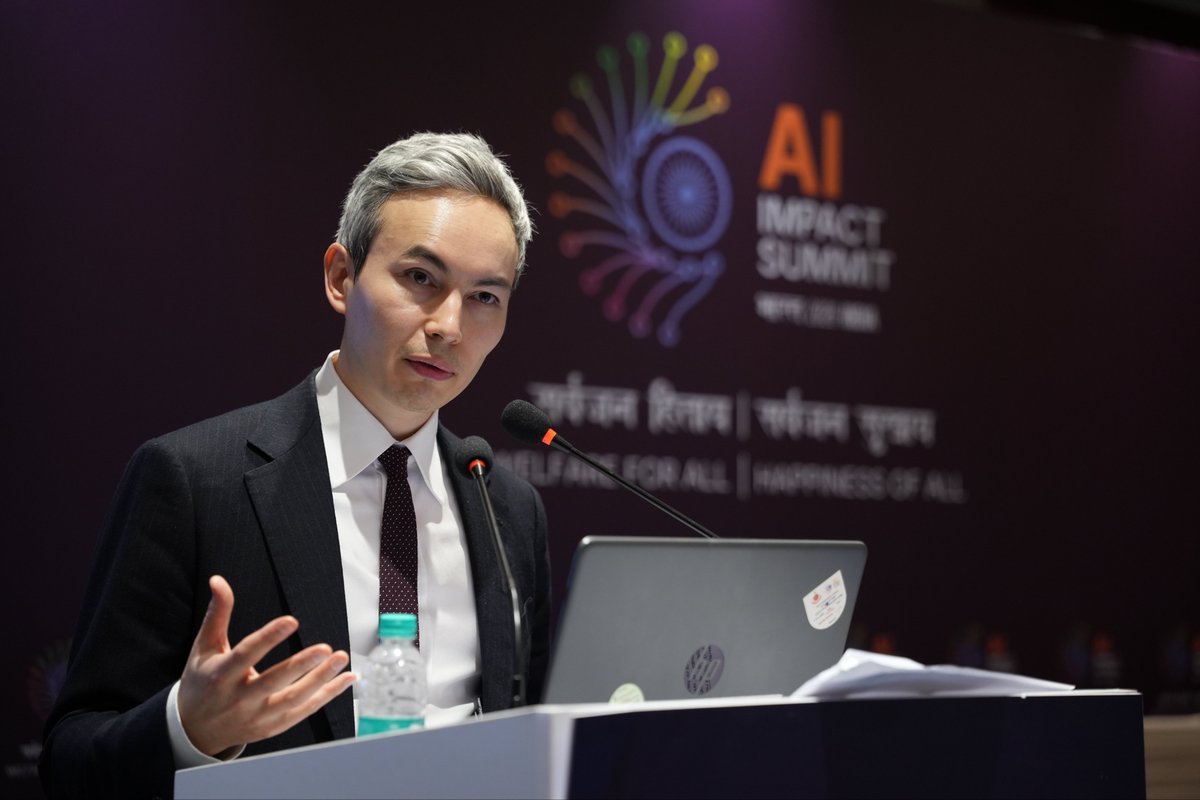
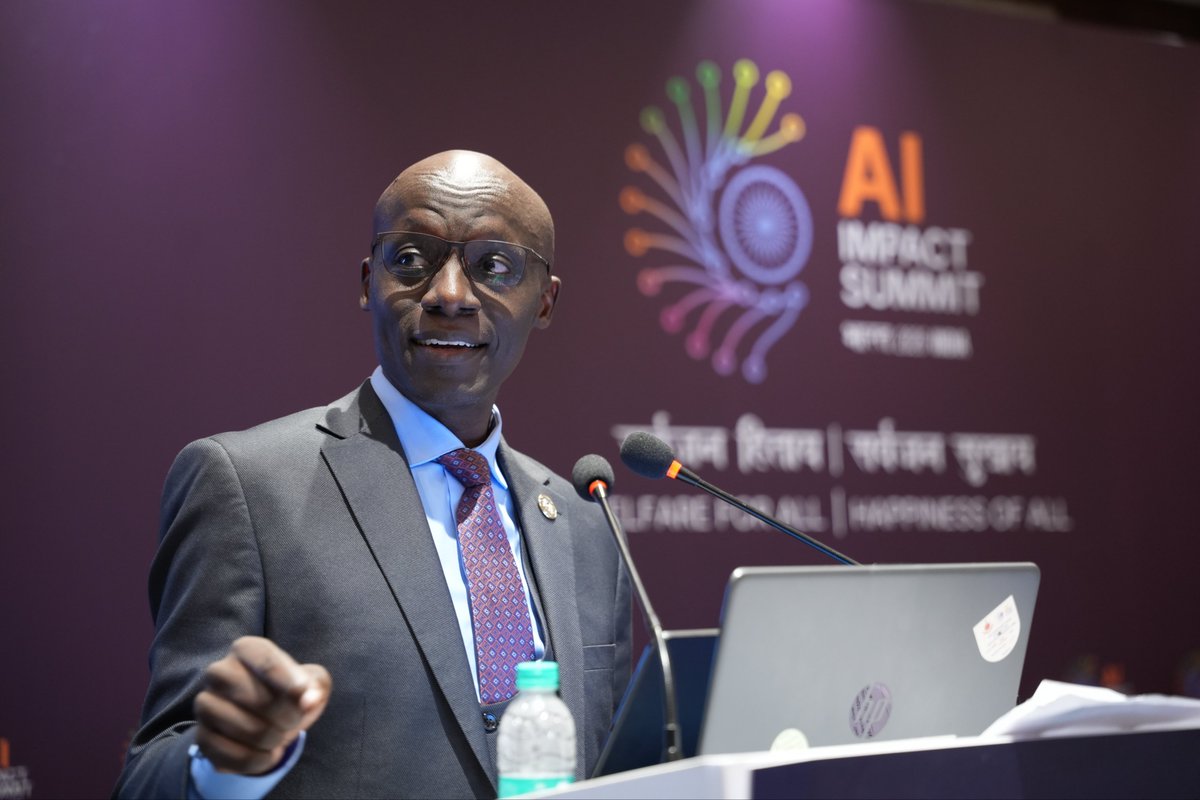
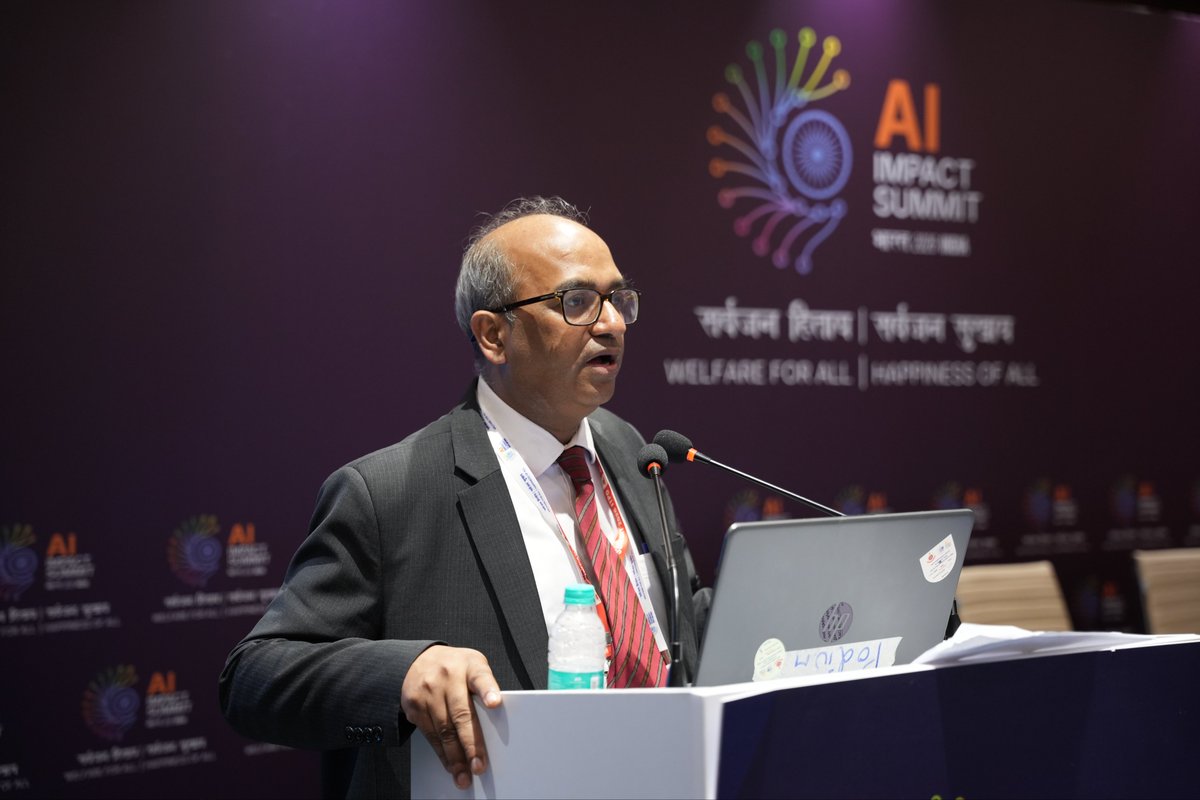
We were honoured to hear keynote remarks from Mr Abhishek Singh (@GoI_MeitY), Ambassador Philip Thigo (Republic of Kenya), and Mr Quintin Chou-Lambert (@UN), alongside a distinguished panel of experts across philanthropy, civil society, and industry.
By unpacking these relationships, the brief highlights the opportunities that open approaches to AI can create for India’s ecosystem, particularly around innovation and participation.
#OpenSourceAI
A key contribution of our new policy brief on advancing open source AI in India is the Component–Outcome Matrix to unpack what “openness” in AI actually means.
🔗 https://t.co/YjaiNpiQPH
Instead of asking simply “Should AI be open?”, the matrix helps frame a more useful question:
Which components should be open — and what outcomes might that enable?