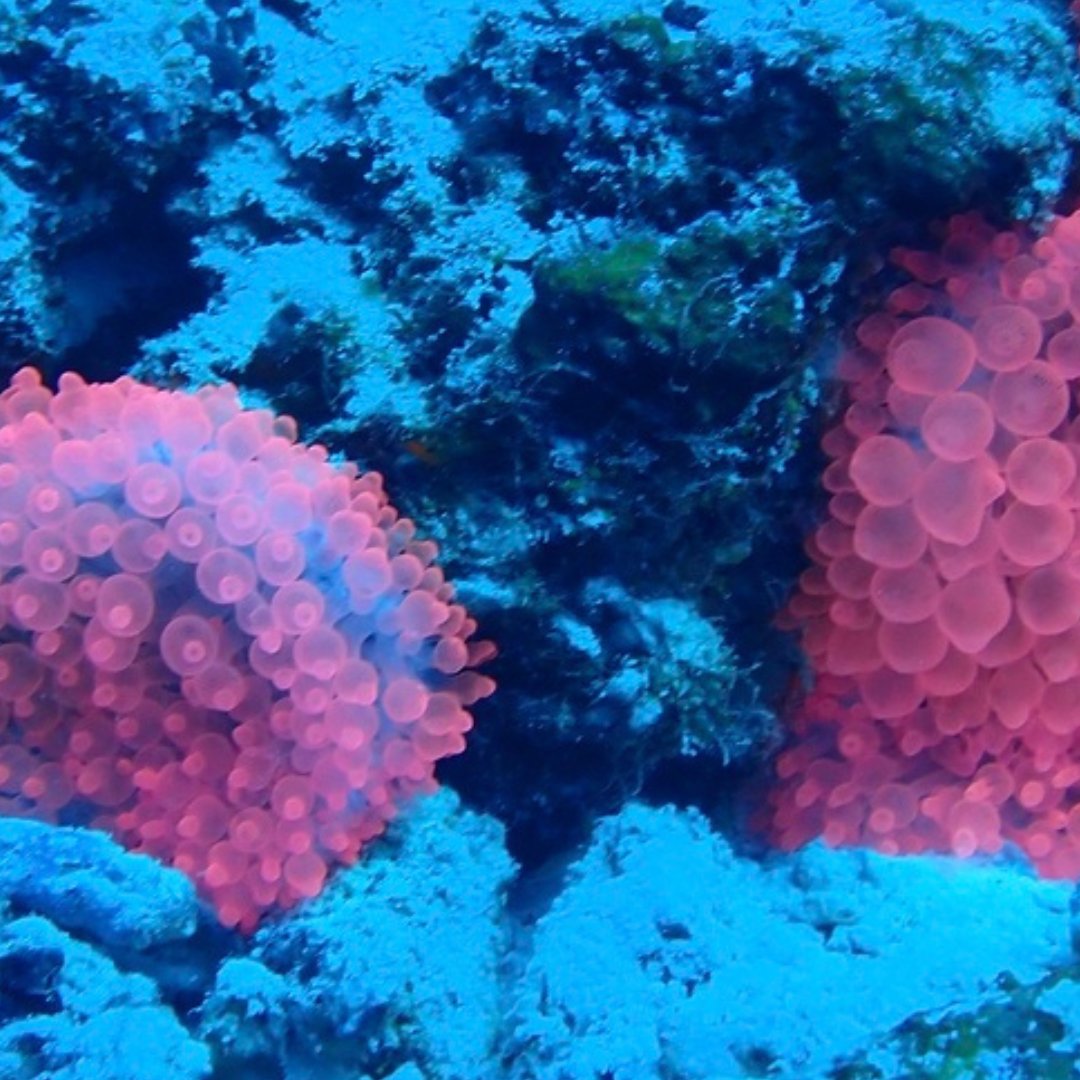
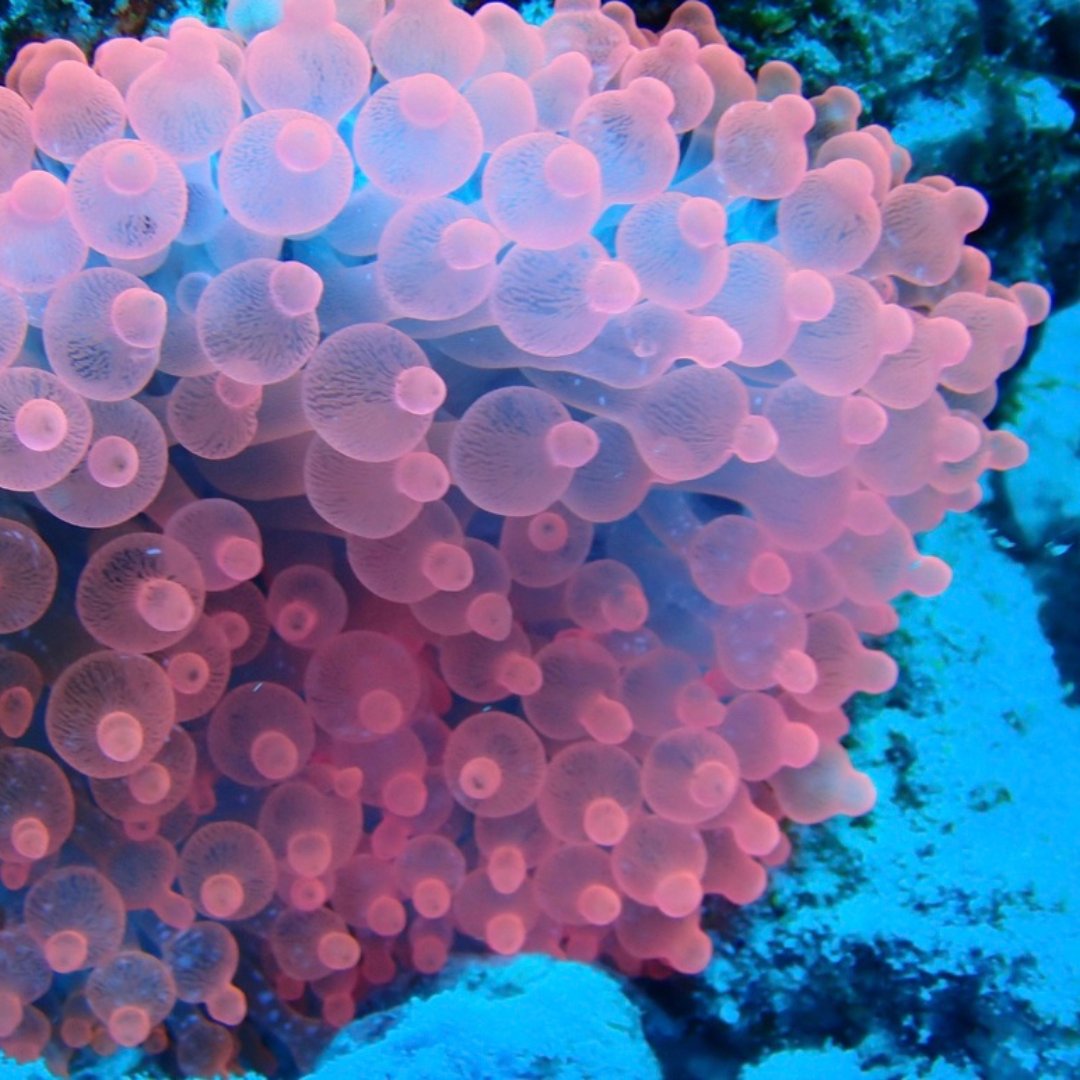
Ever wondered where Nemo lives? 🐠 In the Indo-Pacific, clownfish live with Entacmaea quadricolor (bubble-tip anemones). The anemones shelter the fish, & the fish provide the anemones nutrients and defend them from predators & parasites. Nature’s teamwork—mutualistic symbiosis!
You're currently looking at Phylliroe bucephala — a parasitic sea slug that lives its life in the open ocean — and the colorful stuff is its guts (and their contents).
📷 alaineden on iNaturalist
📍 Guadeloupe
🔗: https://t.co/mhM0cH2Ypv
#ObservationOfTheDay
We're hiring! iNaturalist is searching for a Senior Staff Mobile Engineer team to lead the continued development of our cross-platform applications. Learn more: https://t.co/1Ad678MyFi
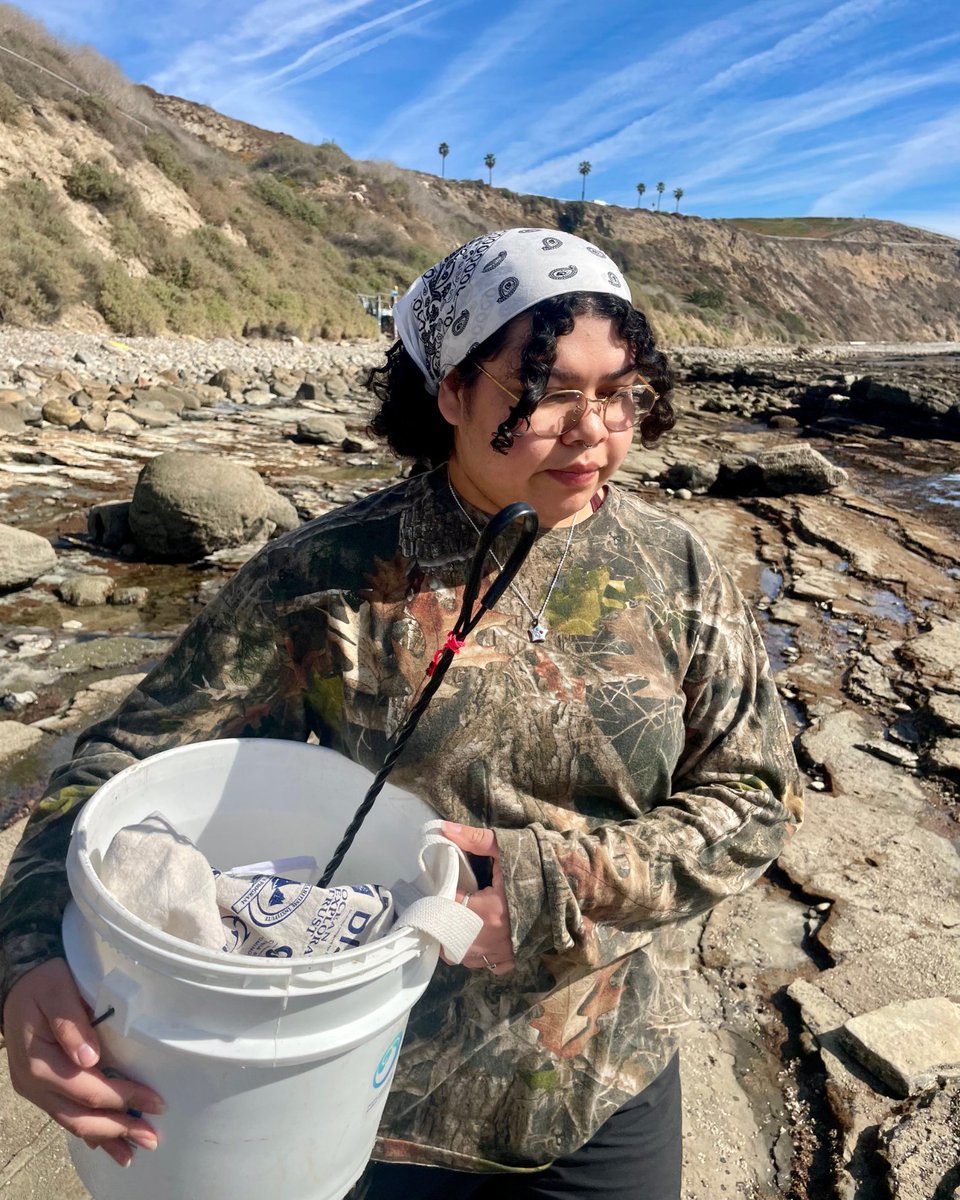
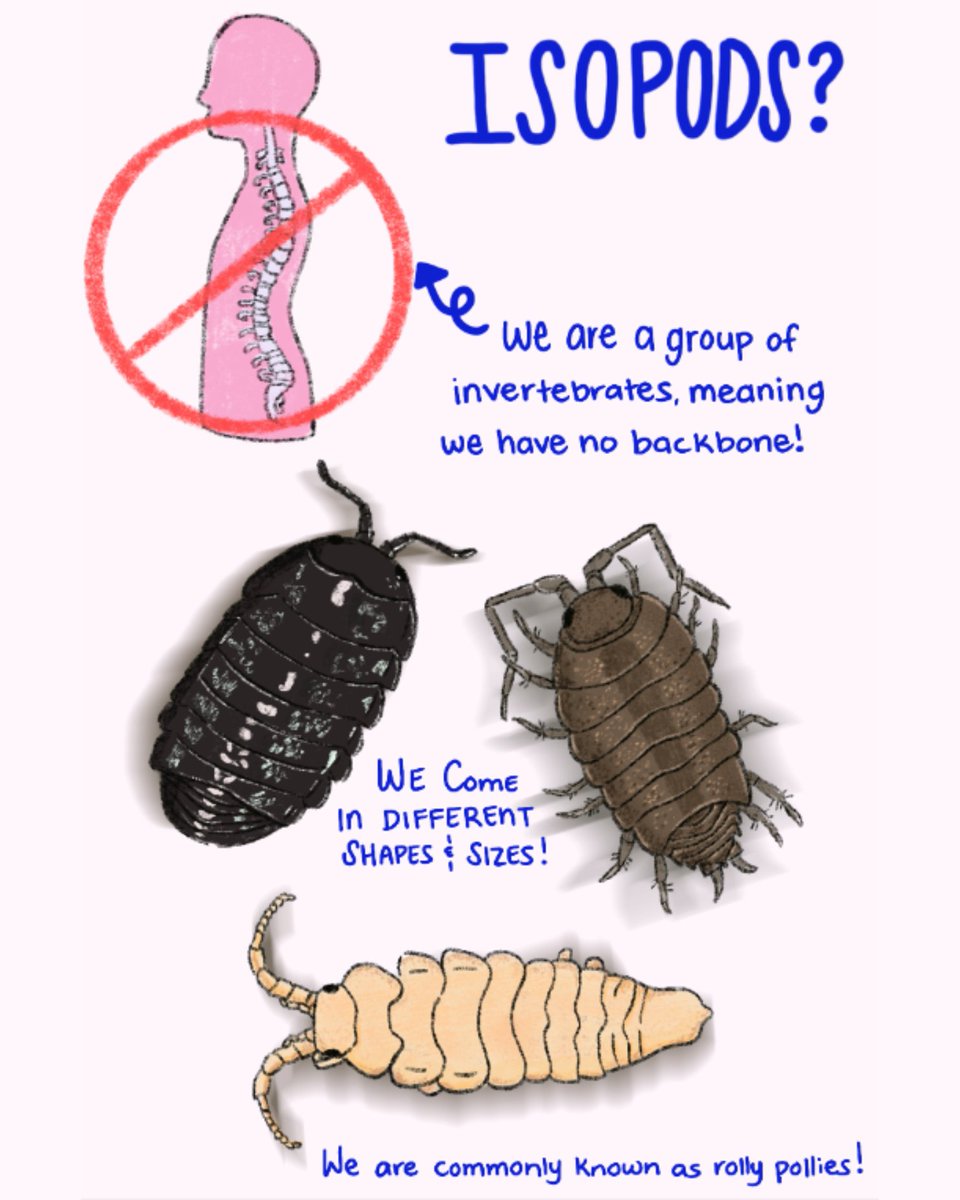
Naomi Rodriguez @NHMLA uses integrative taxonomy to better ID marine isopods—tiny but vital players in marine ecosystems—tackling the challenge of consistent species IDs for this group. She also made a zine to bring isopods to life!
https://t.co/NziRM5nVif
#WednesdayWisdom
It's #WormWednesday 😌🪱
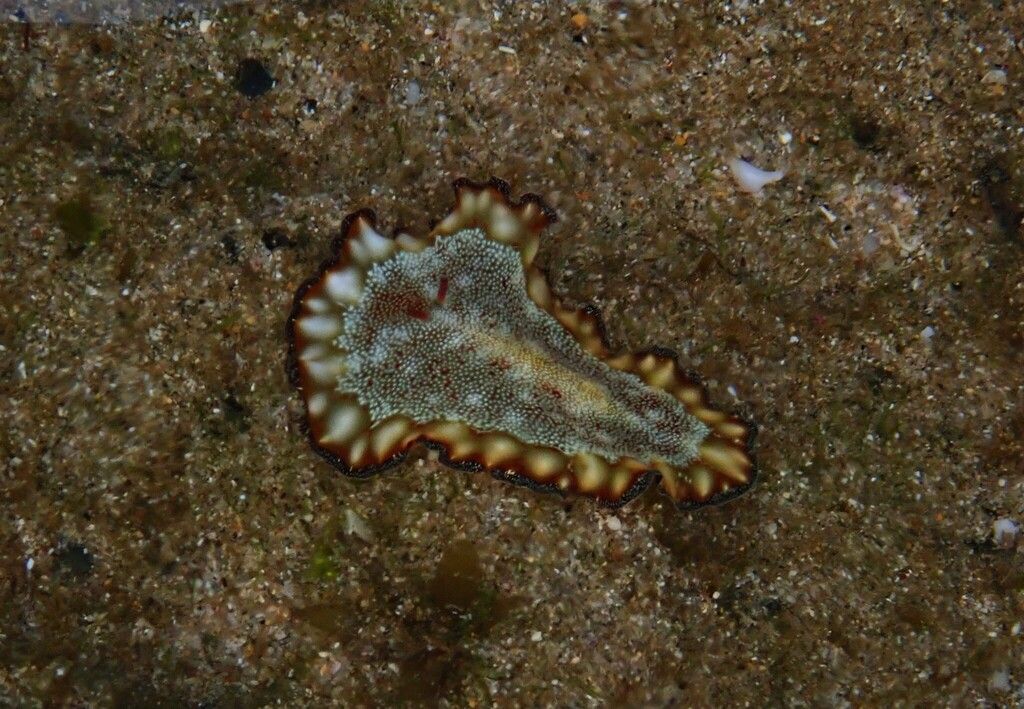
Here's a very good flatworm, possibly in the Genus Paraplanocera.
📷 adrian2370 on iNaturalist
📍 Australia
🔗: https://t.co/ALCbOtX4ZZ
#ObservationOfTheDay
#FridayFunFact Sea urchins have no eyes, bones, heart, or brain — yet they can still sense light! Their whole body acts like one big eye as they use their tube feet & spines to detect changes in light & navigate their surroundings.👁️
Heliocidaris australiae, found off Australia.
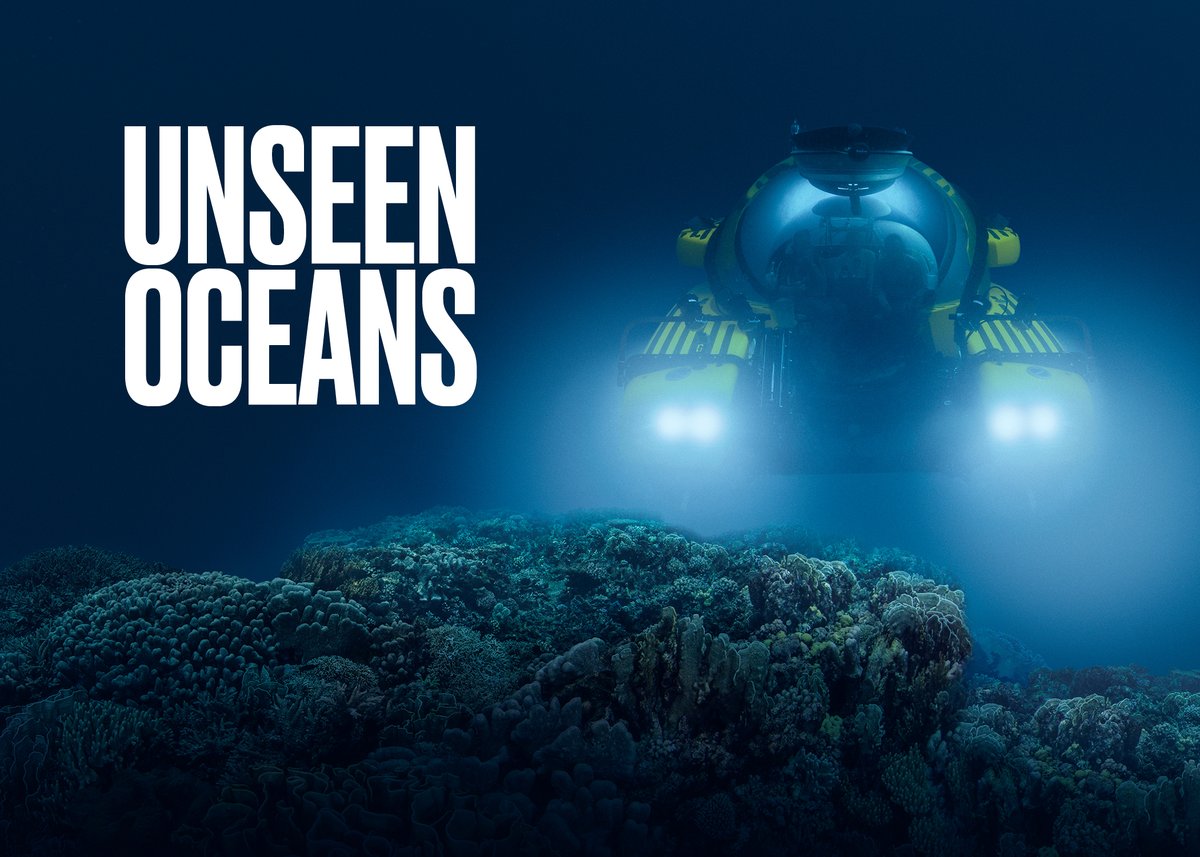
In #UnseenOceans:
🪼 Encounter glow-in-the-dark fish and plankton.
🪼 Pilot through the depths in an interactive submersible game.
🪼 Meet real-life seahorses, eels, and jellies up close.
Plan your visit. 🌊 https://t.co/WK1M8meJhi
Understanding a new phylum: the Micrognathozoa were discovered only 25 years ago - NHM's Christopher Laumer with colleagues @uni_copenhagen@MCZHarvard@UniBarcelona explore biology, evolution and distribution
https://t.co/K6tNQ5YsPk
As of 2025, there are over 8 million estimated species on Earth, over 2 million species described so far, and over 500,000 species documented on iNaturalist.
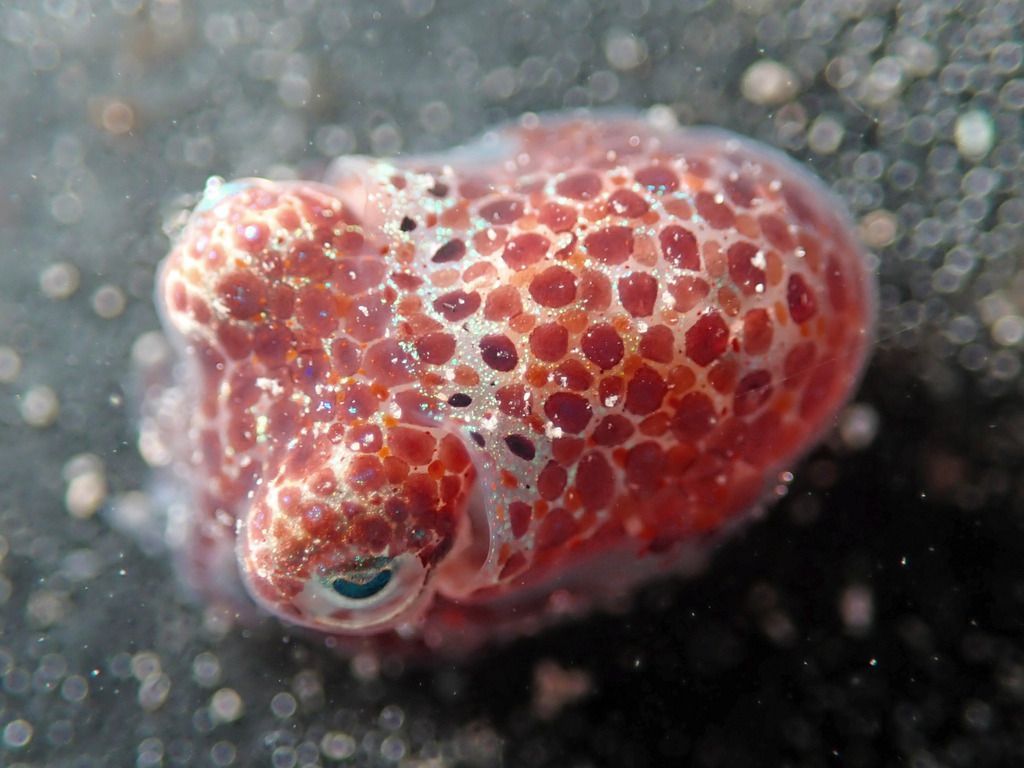
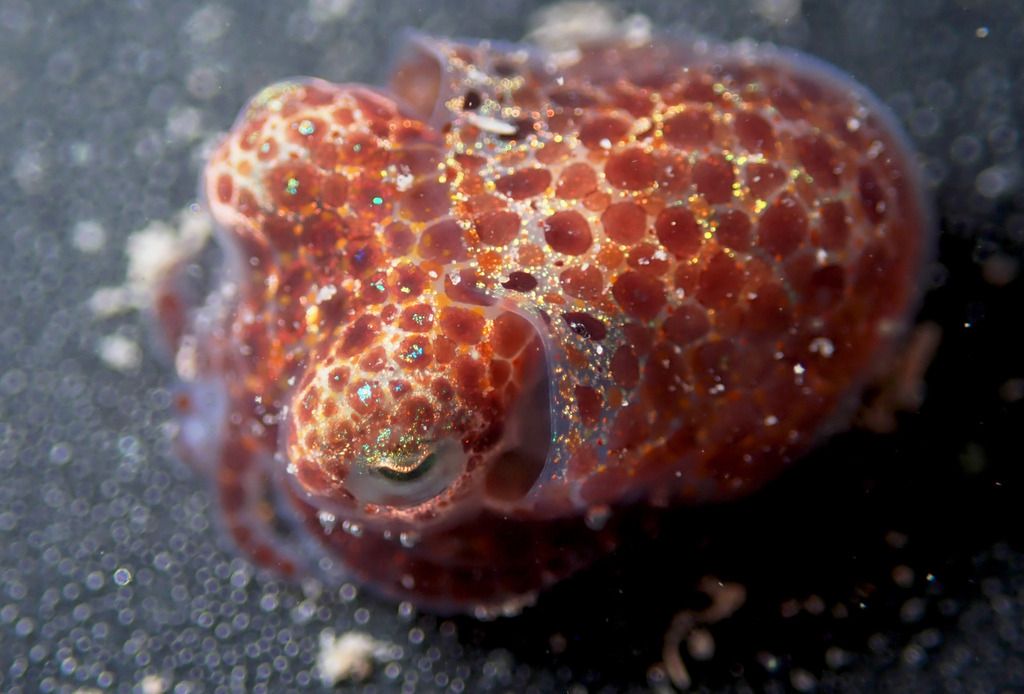
Atlantic Bobtails (Sepiola atlantica), like many squids in the same family, have a specialized light organ that helps them camouflage & evade predators as they hunt at night.
📷 unorthodox_sketch on iNaturalist
📍 United Kingdom
🔗: https://t.co/1BARMiYDzd
#ObservationOfTheDay
🪸 An innovative approach to #CoralReefRestoration: Gel! A new substance designed by Scripps Oceanography & @UCSDJacobs scientists improved coral larvae settlement by up to 20X! Learn more about SNAP-X & how it's helping corals thrive. ⬇️ 🌊 @ReefEngineers
https://t.co/tV2U6C9FS5
🌊 If you frequent #SanDiego tidepools, you've probably spotted these delightful locals. Meet the #SeaHare! Charlotte Seid, manager of the Benthic Invertebrate Collection at Scripps Oceanography, shares more about these cool creatures for @sdut. ⬇️
https://t.co/5FzItkFuqv
Get to know Mandë Holford @scimaven, incoming Curator of Malacology and @HarvardOEB professor, and her research on venomous sea creatures.
Harvard builds a new lab for venomous sea creatures https://t.co/ow08qG2Tgs via @BostonGlobe
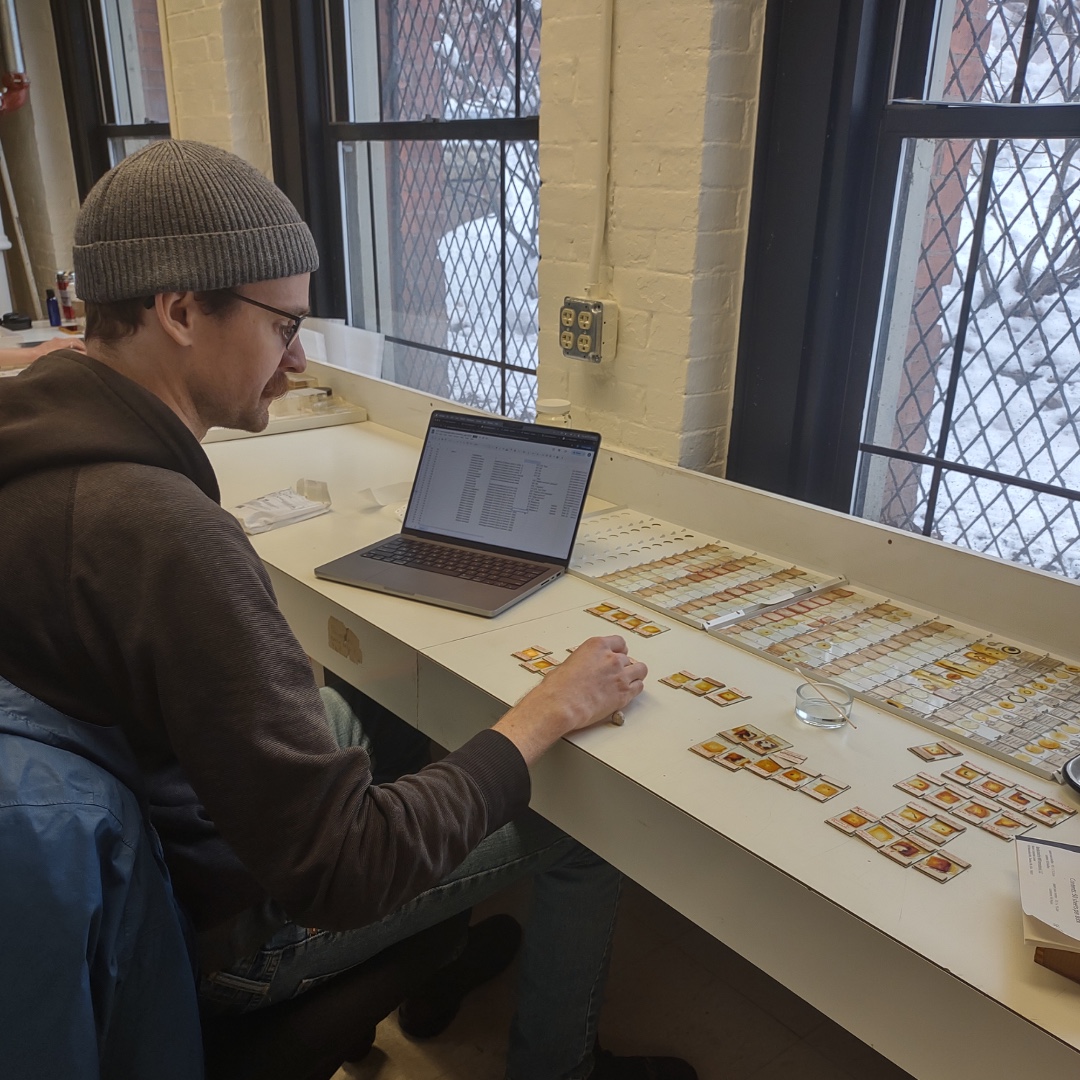
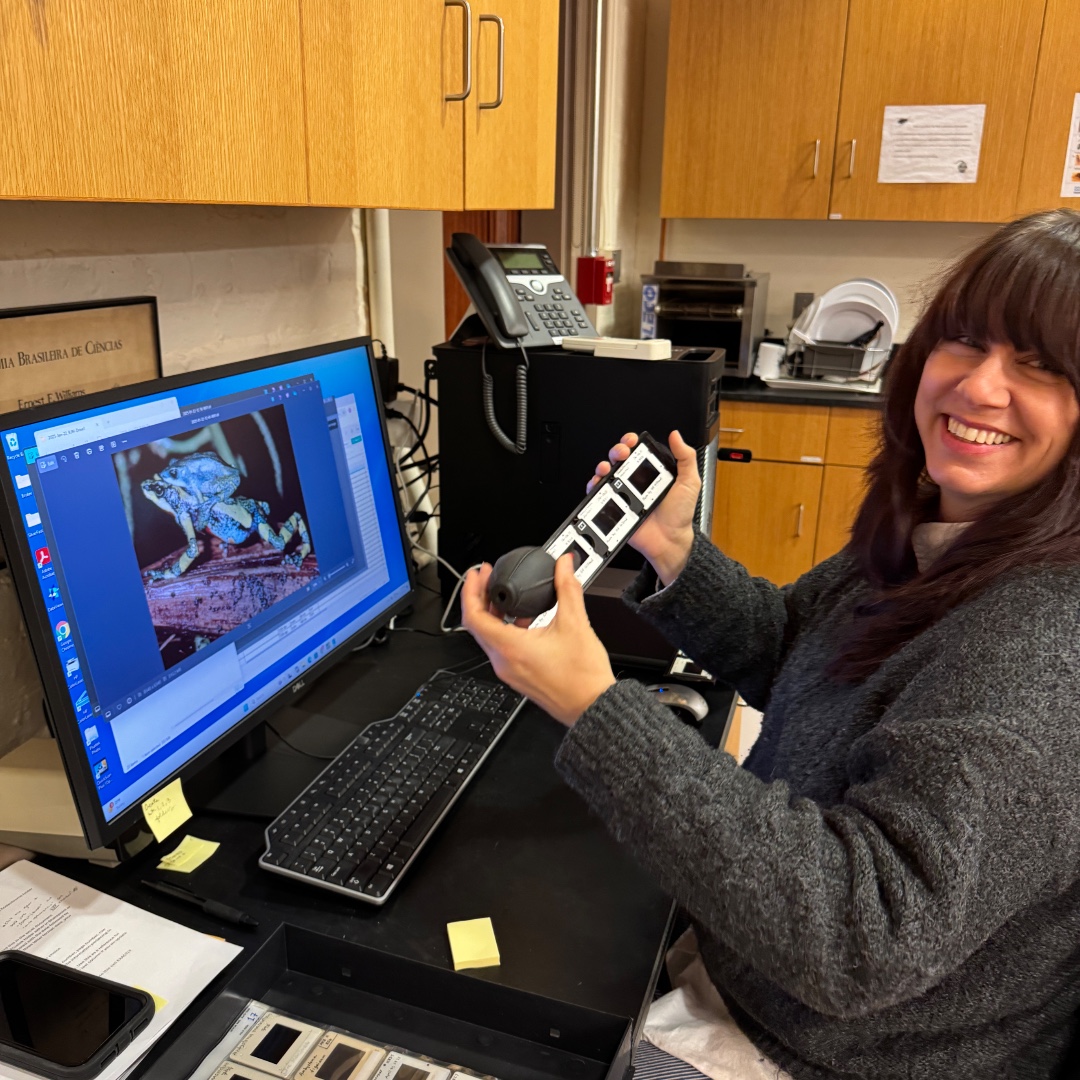
In January, MCZ collections hosted students from the @HarvardExt Museum Collections Care course. Students worked with many MCZ collections on a variety of projects.
Five new species of squat lobsters have been described by @paularodflo, former Biodiversity Postdoctoral Fellow. Munidopsis giribeti is named to honor MCZ director and @HarvardOEB professor @ggiribet's inspirational passion and dedication to invertebrates. https://t.co/QBHMNXRRVZ
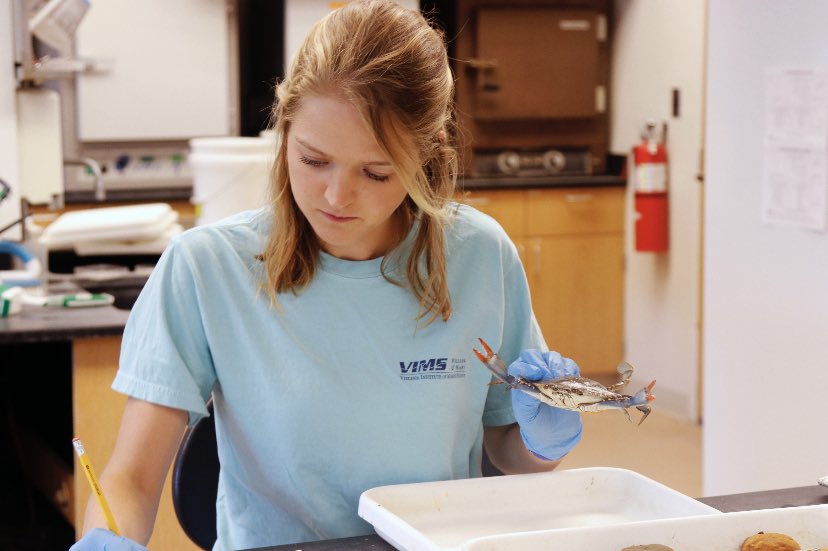
Alex Schneider is a SWMS@VIMS student co-lead! She loves being a part of SWMS@VIMS, connecting with members, and elevating the voices of women in marine science! Alex is a PhD candidate at studying female blue crab reproduction! @akschneider10@VIMS_Grad_Dean#FeatureFriday