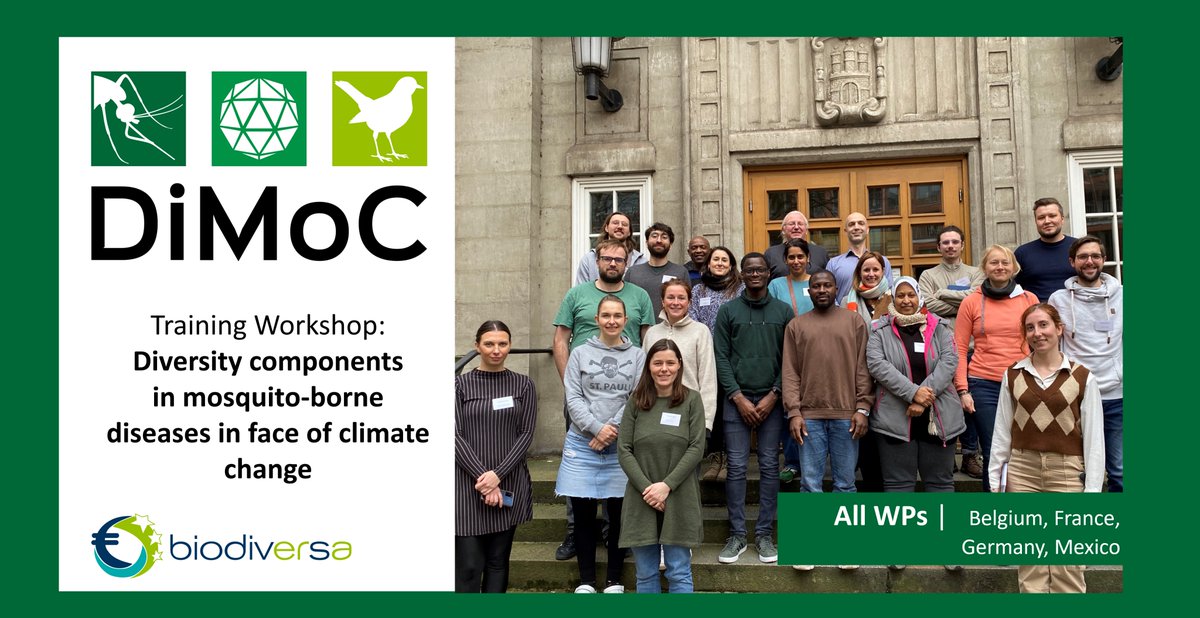
We are very happy to announce that 15 participants and 14 lecturers from 7 countries are meeting @BNITM for the #DiMoC@BiodiversaPlus Training workshop on mosquito identification, modelling species distribution, One Health concept in experimental setups and vector control.
Very happy to share our research on the phenotypic insecticide resistance status of the Culex pipiens complex: a European perspective
Just published!
@DiMoC11@ITMantwerp
https://t.co/GZzIqIdsxV
Members of the #DiMoC project funded by @BiodiversaPlus brought in the perspective of mosquito-borne diseases at the Symposium on "One Health: Why Biodiversity is important?" part of #sfe2gfoe2022 - Thank you @eu_forest for organizing this informative event.
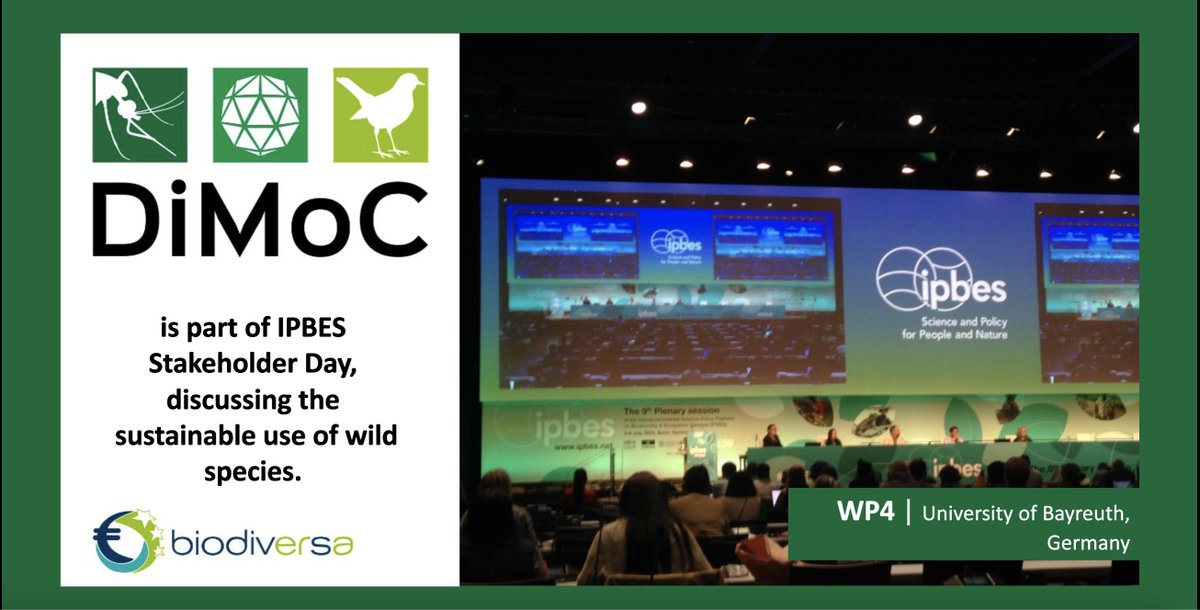
The sustainable use of wild species is important to maintaining healthy populations and in turn also human health will be positively affected. Members of the #DiMoC Project funded by @BiodivERsA3 participate in todays #IPBESstakeholder Day.
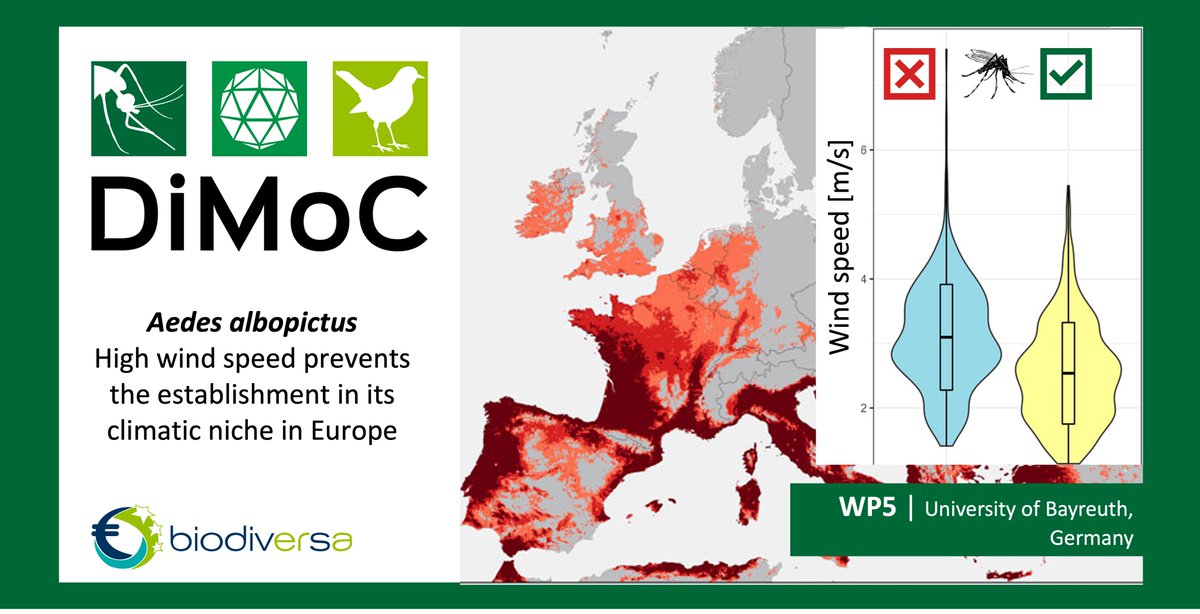
Research published in @FrontEnvSci: High wind speed prevents the establishment of the disease vector mosquito #Aedesalbopictus in its climatic niche in Europe. Author team from @BayreuthBiogeo at @unibt in #DiMoC Project @BiodivERsA3: https://t.co/npO1i0mB9A
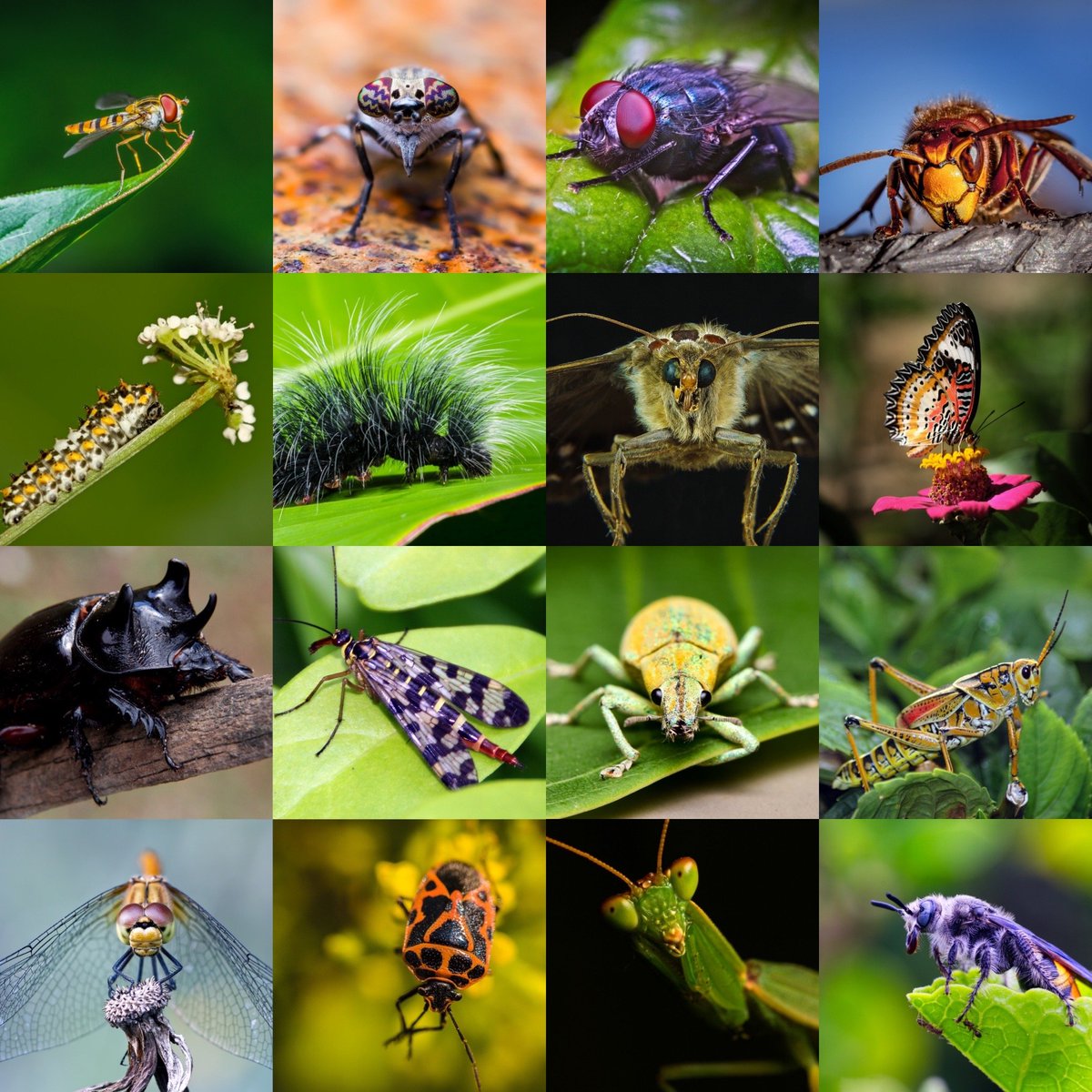
Insects account for an estimated 75% of animal life on Earth and are an invaluable and integral part of all life on our planet.
🐝🐛🦋🐞🐜🪰🪲🪳🦟🦗🕷️
Let’s appreciate and protect insects #ForNature and for ourselves.
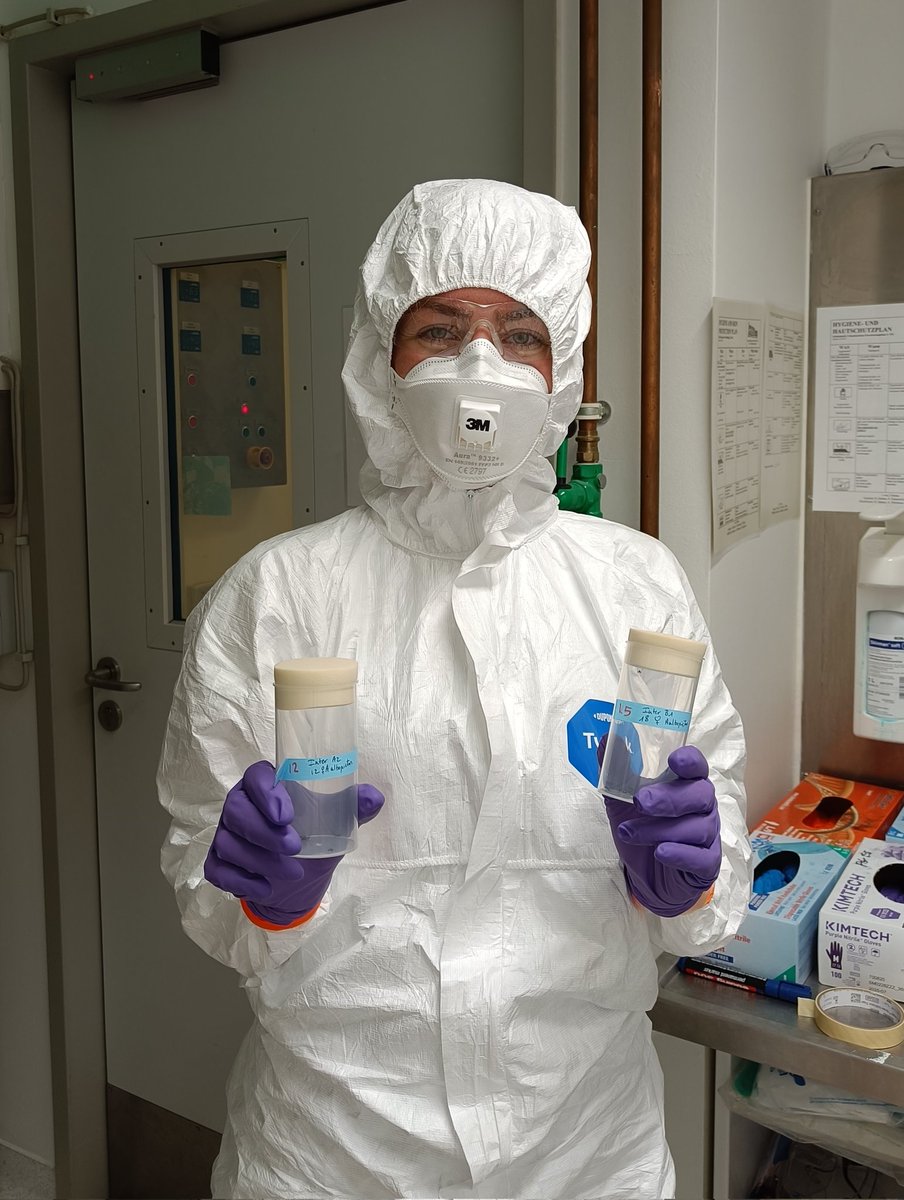
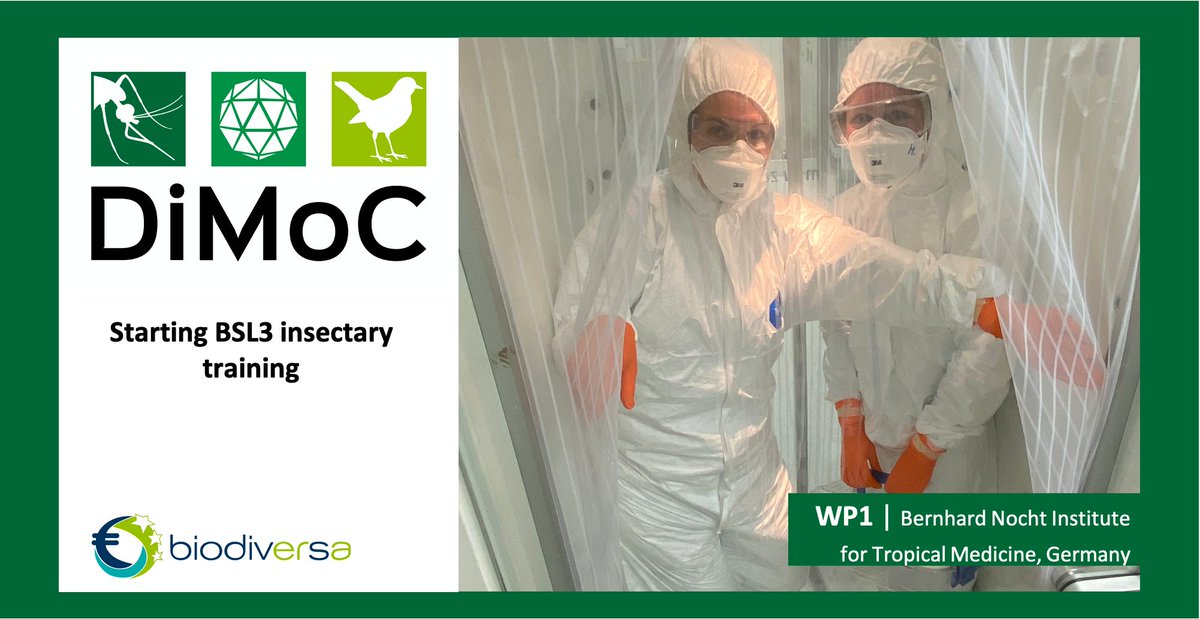
The training in biosafety level 3 insectary recently started for #DIMOC partners at @BNITM_de. Ready to take off for further vector competence studies of #Aedesalbopictus and Culex pipiens funded by @BiodivERsA3.
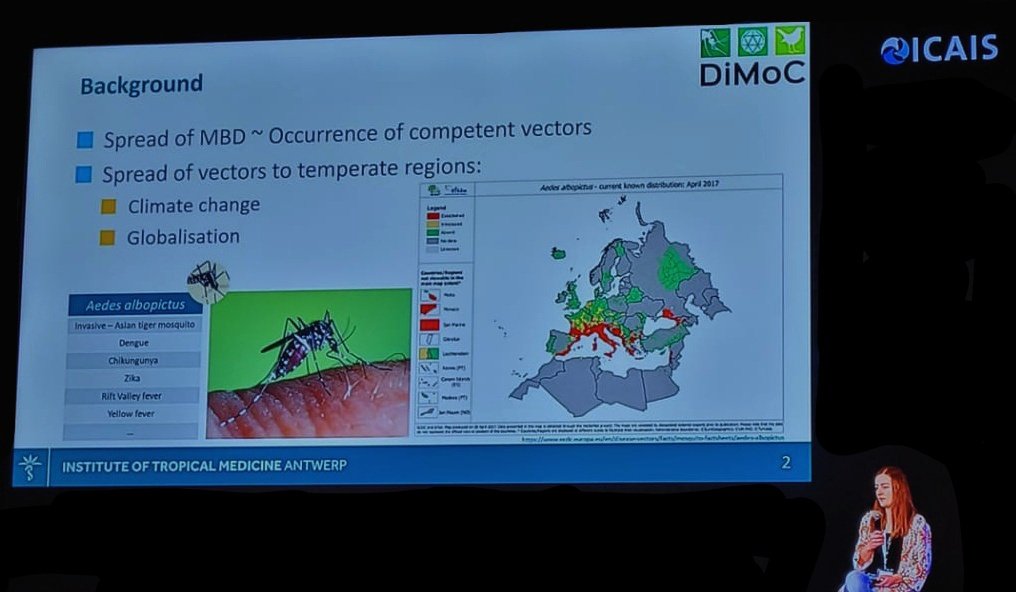
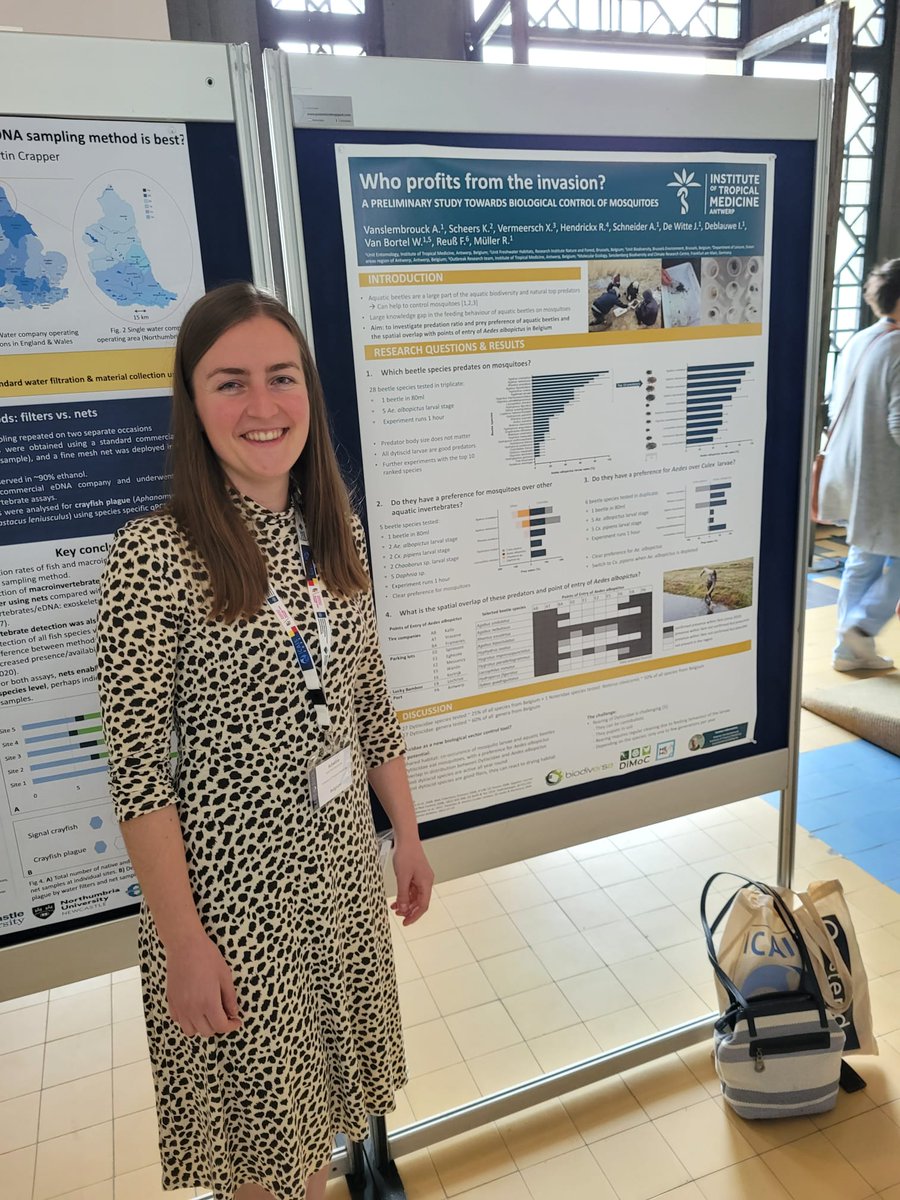
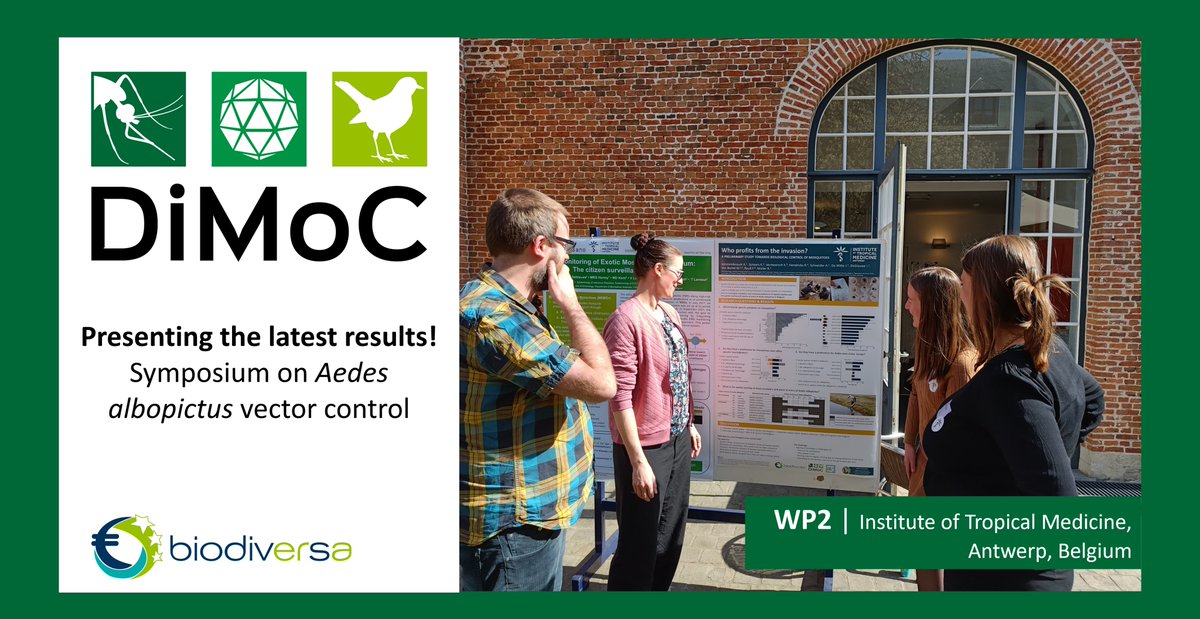
Very happy to present our research on Dytiscidae as possible biological control for #Aedesalbopictus during the #icais conference on aquatic invasive species in Oostende!
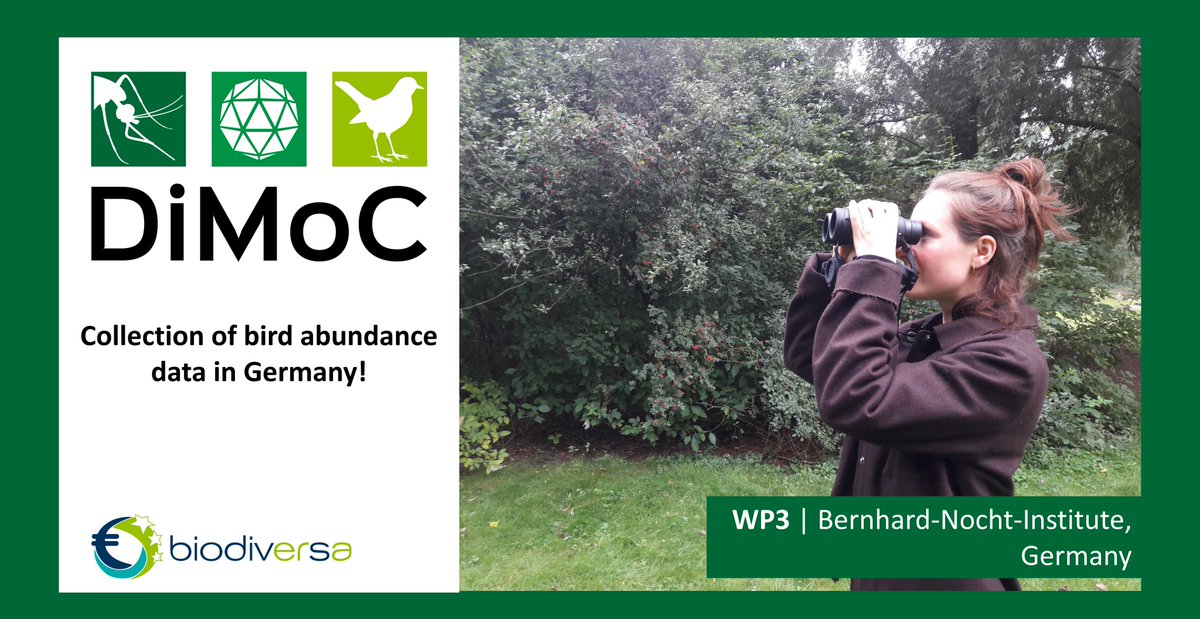
Collecting bird abundance data to further understand the connection between host-diversity and the circulation of Usutu virus or West Nile virus in Germany.
Now in autumn the host diversity decreases as many birds migrate to the South.
@BNITM_de @BiodivERsA3#birds#diversity
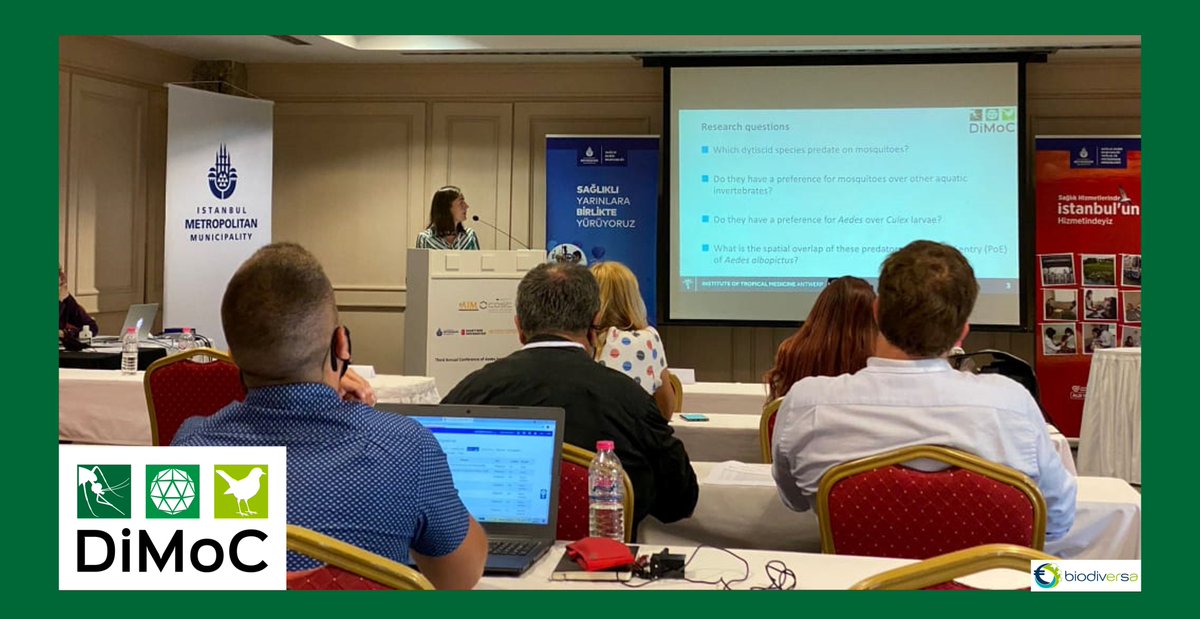
Impressions of @AdwineV from the 3rd AIM-COST conference live in Istanbul last week.
It was a great opportunity to meet scientists from all over the world and share the latest mosquito related research.
@ITMantwerp#DiMoC#BiodivERsA3
#DiMoC sees strengthening communication about and raising awareness of mosquito-borne diseases as important missions!
Hence, we are happy that @AdwineV from our project team is currently taking part at the 3rd AIM-COST Annual Conference in Istanbul.
https://t.co/bfphYne3UO
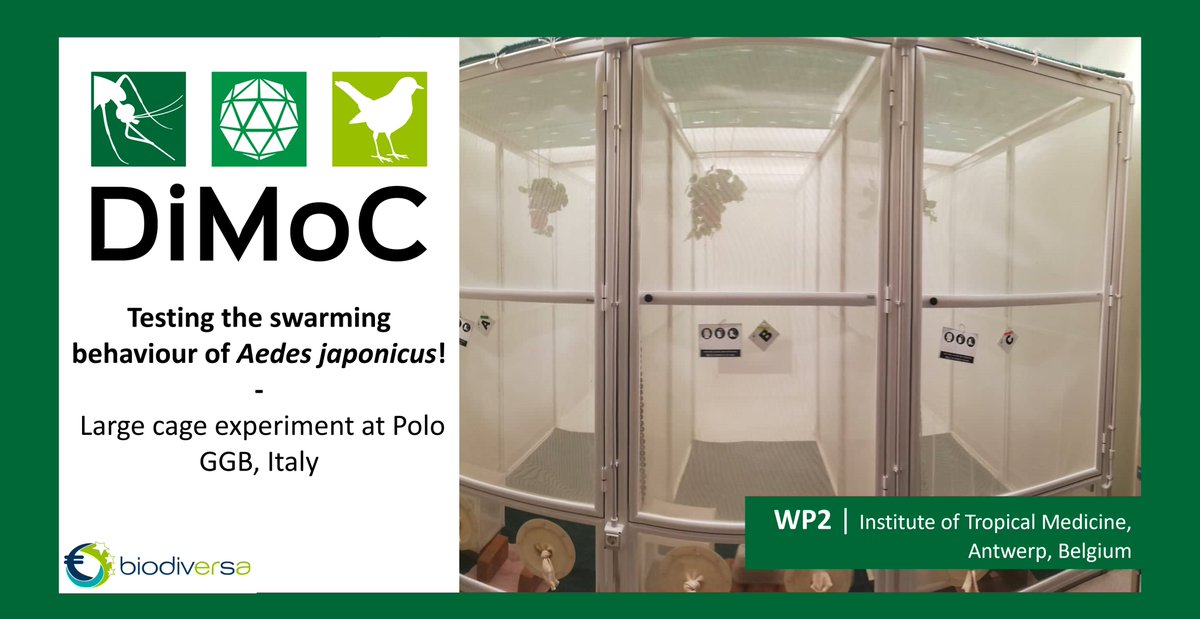
Preparing the cages to make it as cosy as possible for our bush mosquito @PoloGGB@ITMantwerp
Via @infravec2, we can collaborate with PoloGGB and use their CL2 large cages to test the swarming behaviour of Aedes japonicus.
#DiMoC#BiodivERsA3
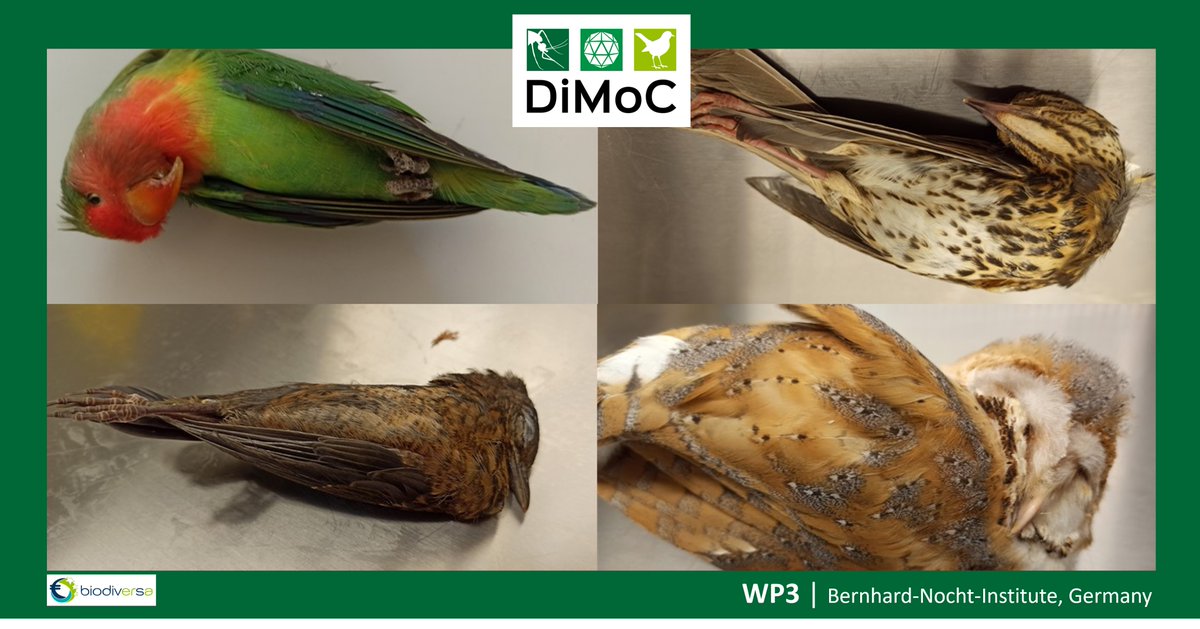
News from Germany @BNITM_de
Although the summer temperatures are moderate, dead birds submitted by citizens indicate the circulation of Usutu virus and West Nile virus also in 2021!
#DiMoC@BiodivERsA3
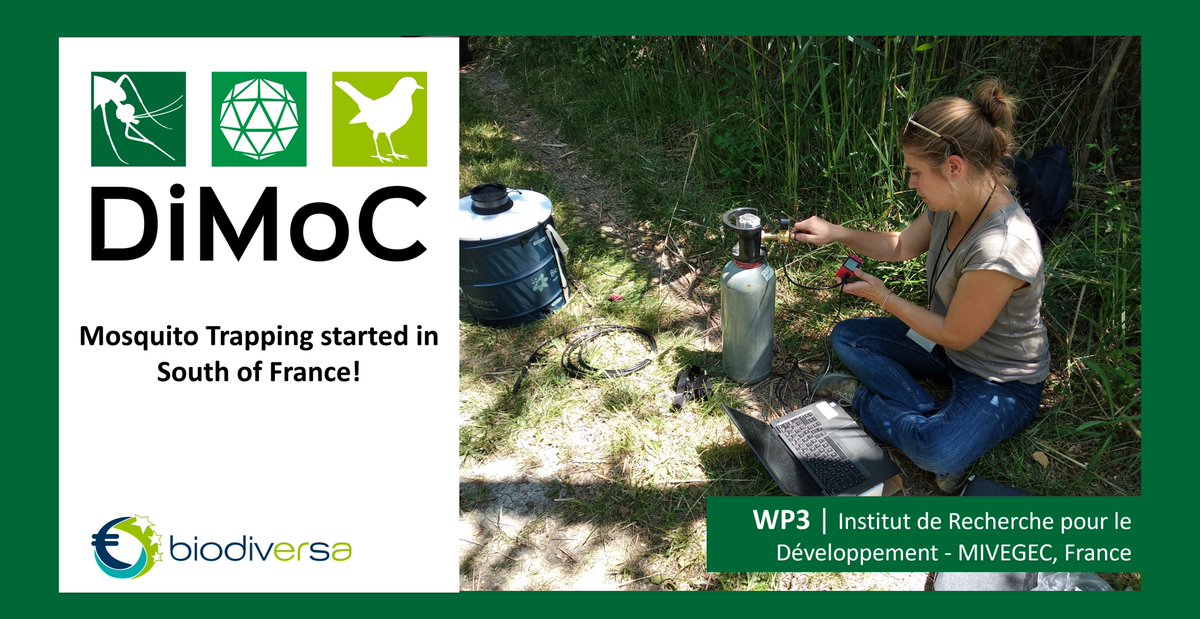
News from the field - mosquito trapping has started in June in South of France! @MarieMarieOlive@MIVEGEC
We use BG sentinel and resting traps to identify the distribution of different mosquitoes in the field locations of Camargue, France.
#DiMoC#BiodivERsA3
Watch the opening video of #IPBES8, highlighting challenges, achievements & progress of @IPBES since the last Plenary Session in May 2019
The video is now available w/ subtitles in 6 languages:
🟢English
🟣Spanish
🟡French
🟤Arabic
🔵Chinese
🟠Russian
👉https://t.co/kLyxrYGHzp