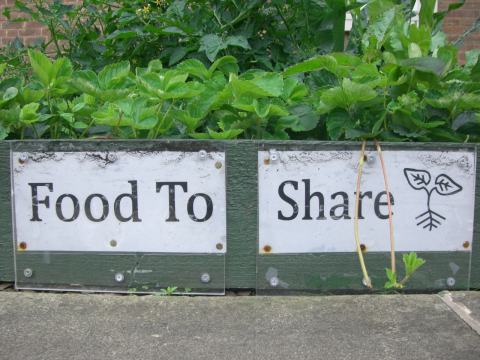
In 2008, a group of friends in a small Yorkshire town decided to start planting food in unused public spaces.
The town is Todmorden, population about 15,000, tucked into a valley between Burnley and Halifax. The group is Incredible Edible Todmorden. Their motto is "if you eat, you're in."
Today the railway station beds grow herbs. The fire station is surrounded by fruit trees. The canal towpath is lined with edible plantings. The forecourt of the local police station has been transformed into what's now called "possibly the finest and greenest looking police station in the UK," with a small library of crime novels installed for good measure. Everything is free to harvest.
They have no paid staff, no buildings, and no public funding. They've operated this way for almost two decades. Their guiding principles: "believe in the power of small actions," "kindness underpins everything we do," and "it's sometimes better to ask for forgiveness, not permission."
Over the years they've added a Tool Library, a Makery, and little free libraries scattered around town. They host visitors from around the world (they call it "vegetable tourism"). Their gardening Sundays have grown from four or five people to forty or fifty.
The model has been replicated in over 700 projects worldwide and continued to spread.
🇮🇹 The speech that all of Italy heard. And that the world must hear.
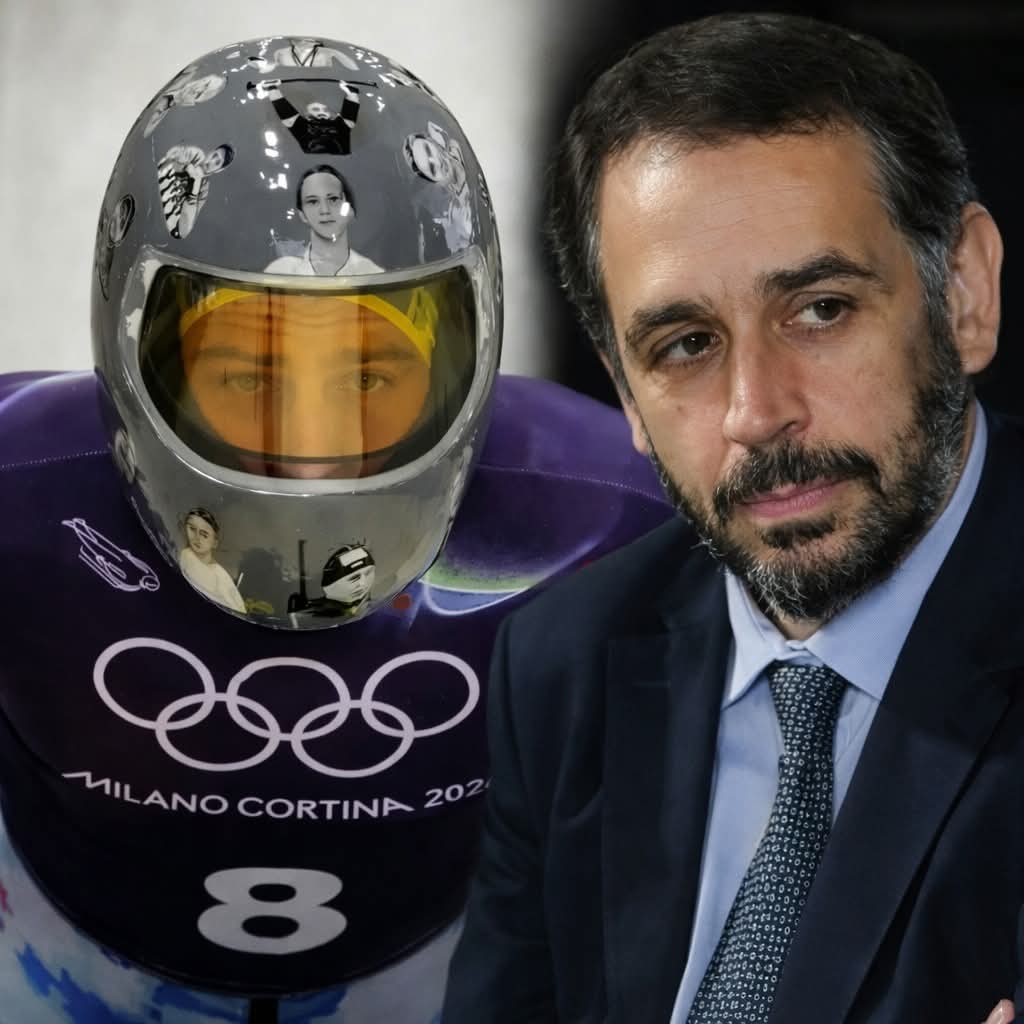
In a country that will host the Olympic Games, Italian Senator and Vice President of the Human Rights Commission Filippo Sensi took the floor and said what should have been said out loud long ago.
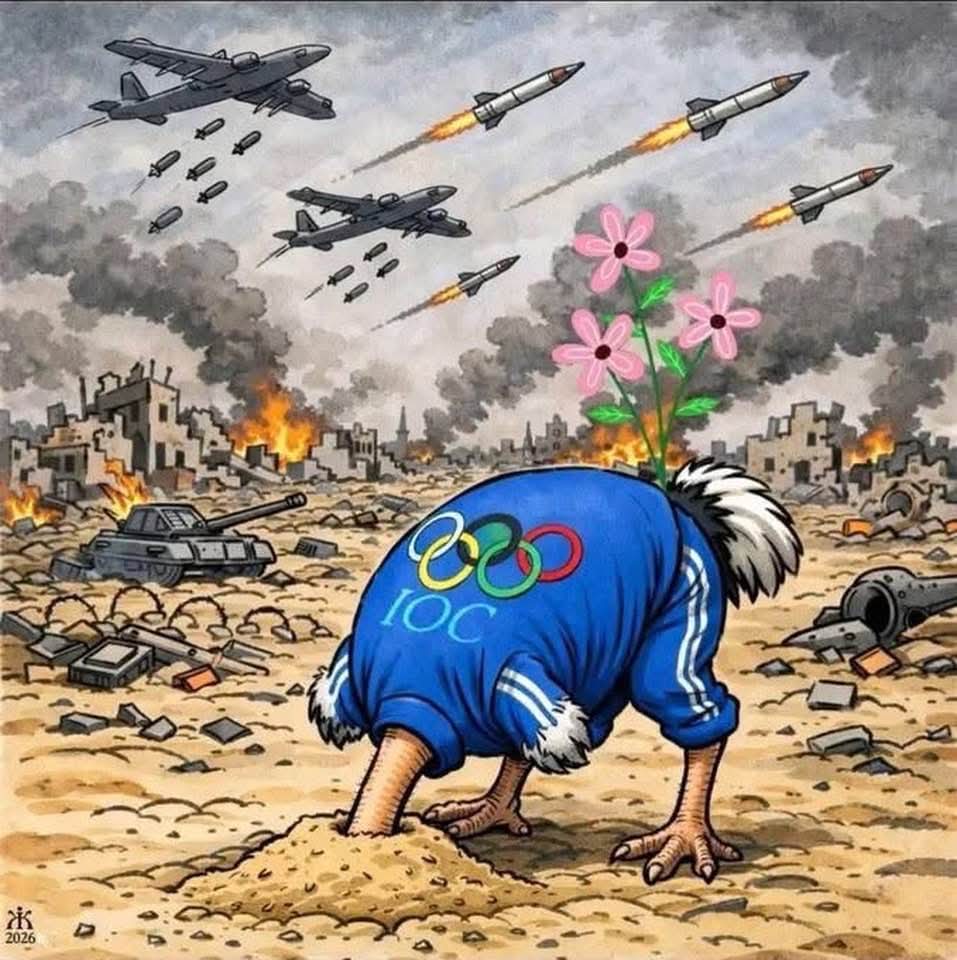
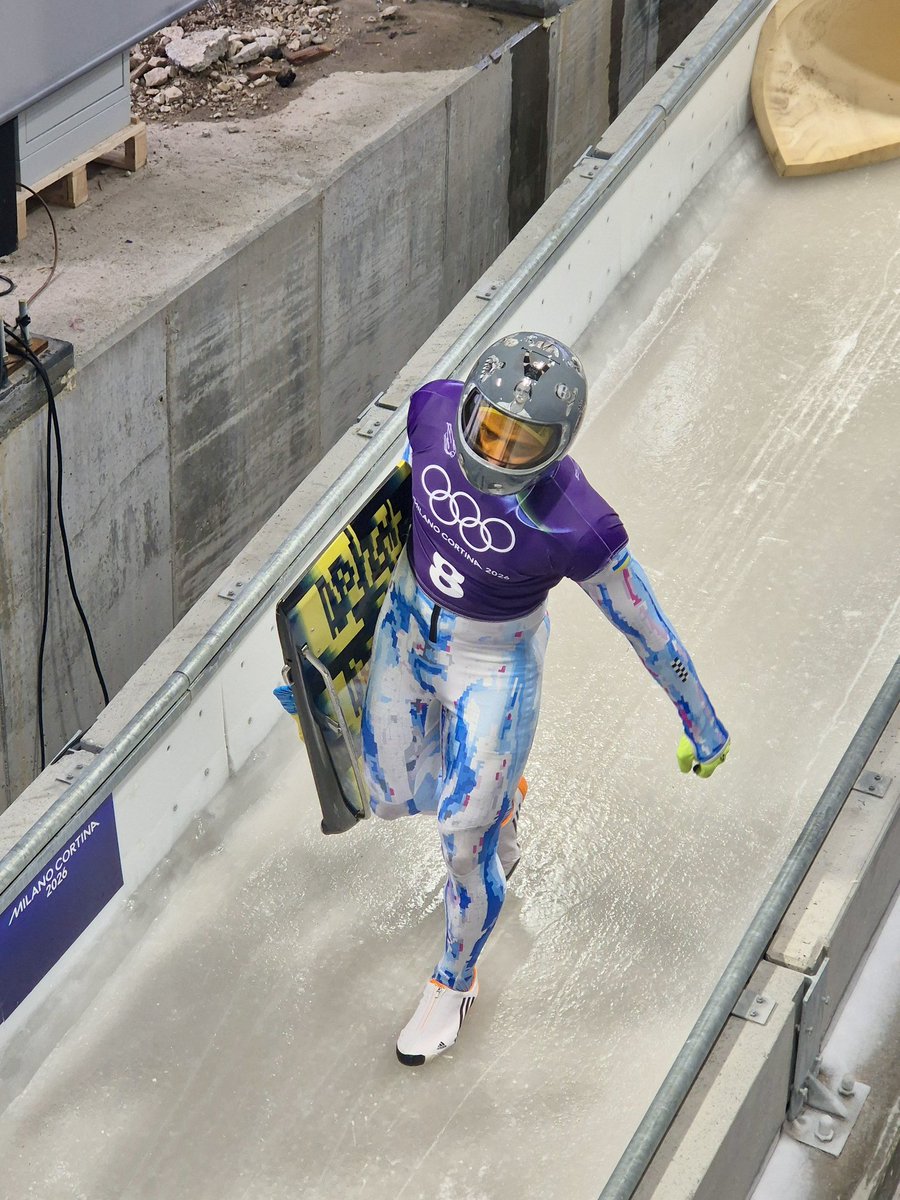
He called it a disgrace that the International Olympic Committee disqualified Ukrainian skeleton athlete Vladyslav Heraskevych.
Not for doping.
Not for violating fair play.
But for… memory.
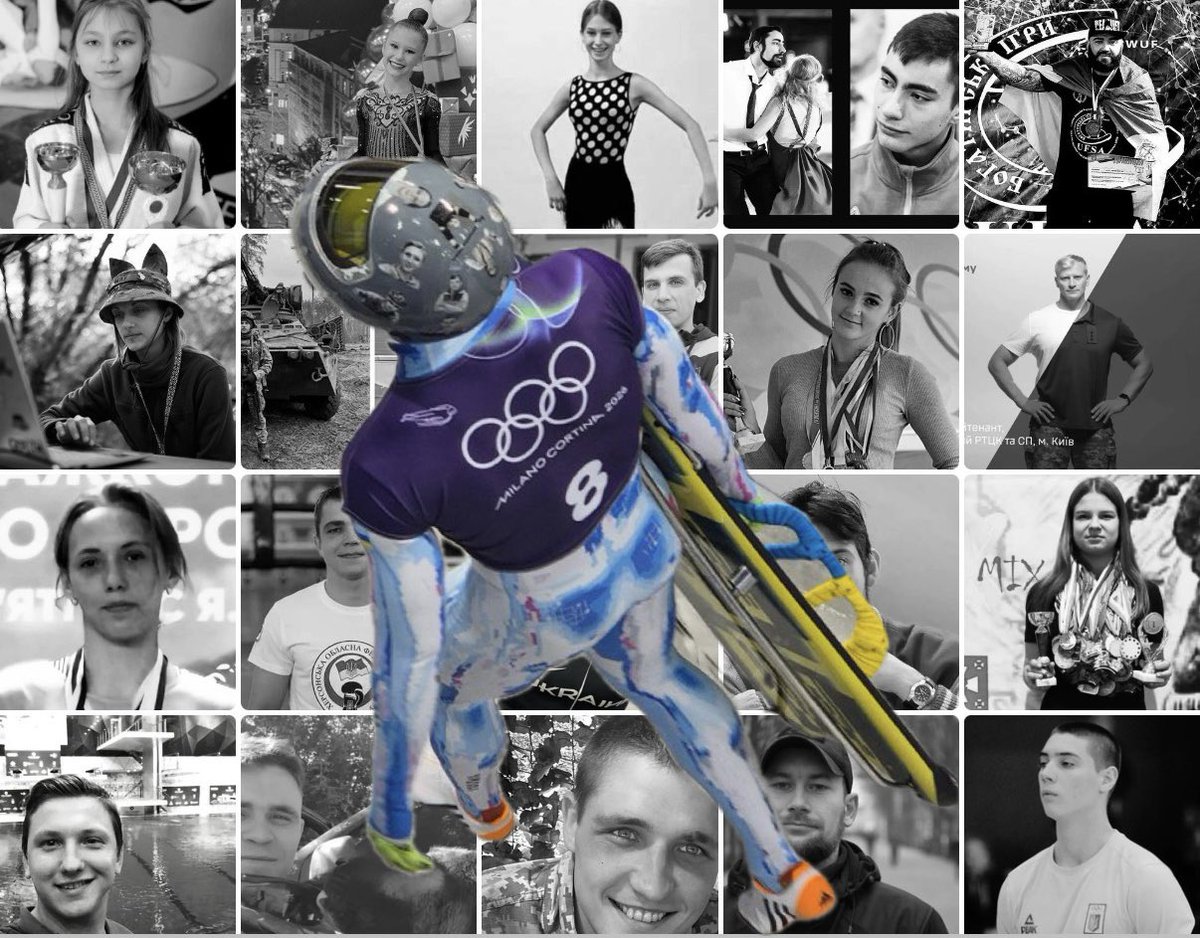
For a helmet bearing the faces of Ukrainian athletes — his friends, colleagues, champions — killed by Russia.
The IOC stated that the helmet “did not comply with regulations.”
And then Sensi asked a question that brought silence to the chamber:
Does aggressive war comply with regulations?
Is there a separate technical protocol for it?
The correct angle of a missile strike?
The permissible size of a crater?
An athlete prepares for the Olympics for years.
A Ukrainian athlete trains between air raid sirens, in shelters, under news of the dead.
He overcomes fear, exhaustion, and loss.
And he steps to the start line not only for a medal — but for the right to exist.
And he is suspended… for remembering.
Because memory is the most dangerous substance. It is hard to add to a prohibited list. But apparently, someone would very much like to.
The senator named names. Just a few among more than 650 Ukrainian athletes killed by Russia:
▪️ Yevhenii Malyshev, 19, biathlete — killed in Kharkiv.
▪️ Mariia Lebid, 15 — missile strike in Dnipro.
▪️ Dmytro Sharpar, 25, figure skater — killed in Bakhmut.
▪️ Volodymyr Androsiuk, 22, track and field athlete — also Bakhmut.
▪️ Daria Kurdel, 20 — missile strike in Kharkiv.
▪️ Alina Perehutova, 14 — standing in line for water with her mother in Mariupol.
▪️ Maksym Halinichev, 22, boxer — killed defending Luhansk region.
▪️ Viktoriia Ivashko, 9, judoka — missile strike in Kyiv.
▪️ Kateryna Diachenko, 11, gymnast — airstrike on Mariupol.
▪️ Karina Bakur, 17, world kickboxing champion — shielded her father with her body.
These were the faces Heraskevych wanted to carry with him to the start line.
So that they would ���compete” alongside him.
So that their dream would not die with them.
And for that, he was punished.
Because it turns out that the faces of murdered athletes violate regulations.
But their absence on the track does not.
In his speech, Sensi said the most important thing:
The Olympic Committee did not lose an athlete.
It lost its most valuable medal — its conscience.
Sport without memory is just a show.
Sport without humanity is just decoration.
Sport that fears truth is not about peace.
The Olympic movement was born from the ideals of honor, dignity, and unity.
Yet today Ukrainian athletes must prove not only their strength — but their right to remember their fallen.
And if memory becomes a violation of regulations — then the problem is not the helmet.
The world must hear this.
Because silence is also a position.
And indifference is also a choice.
Memory cannot be disqualified.
And conscience cannot be added to a prohibited list.
🇺🇦 We remember every one of them.
And we will not allow their names to be erased.
🧵The best response to the bogus decision by the IOC @Olympics to ban the helmet of @heraskevych and silence the memory of Ukrainian athletes murdered by russia, is to see their faces, learn their names and share it with the world!
They want it gone, we’ll show it everywhere!🇺🇦
I want to thank everyone for all the support we’re receiving. There really is an incredible amount of it.
For me, the sacrifice of the people depicted on the helmet means more than any medal ever could - because they gave the most precious thing they had.
And simple respect toward them is exactly what I want to give.
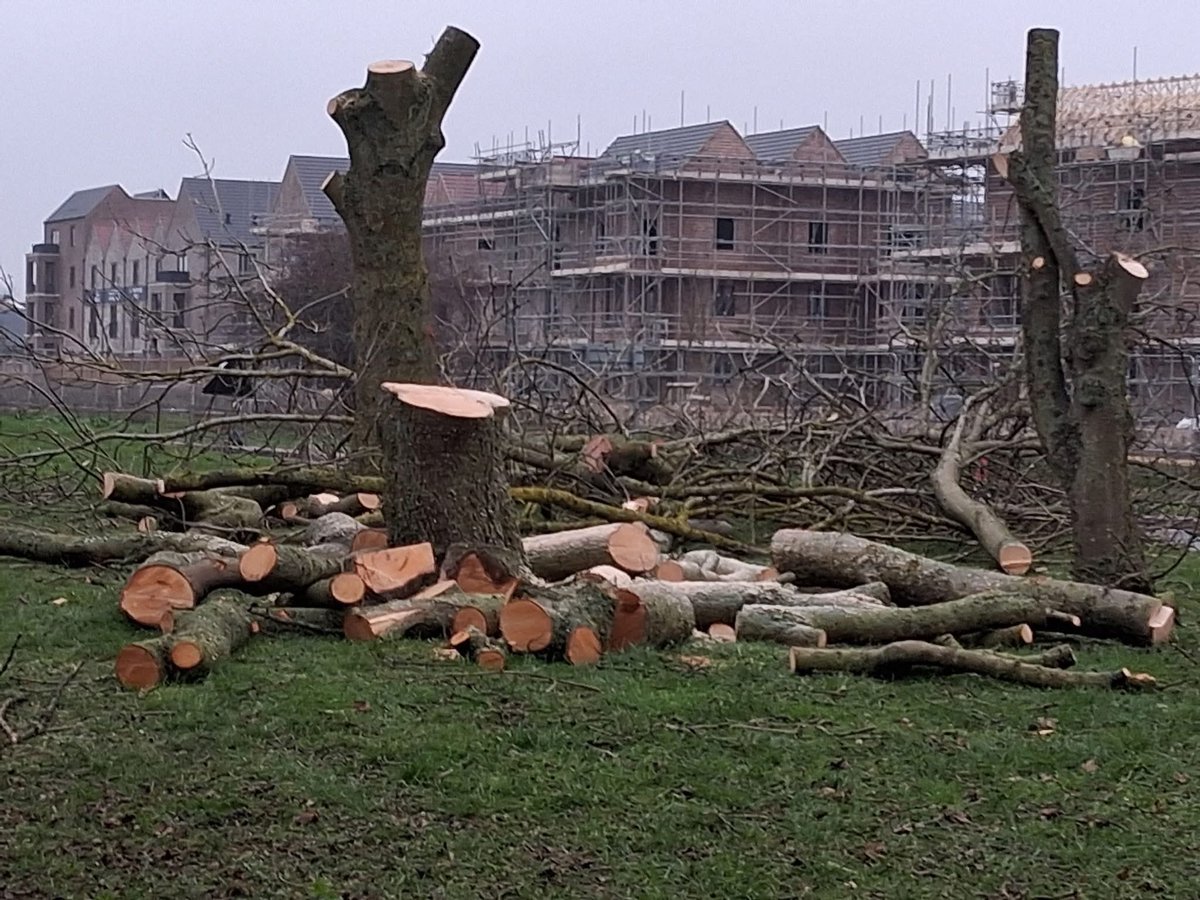
@Fluffy_LeMonde It’s happening all over the country. This is on the edge of Teversham village, near Cambridge. Sheer desecration. There were white throat, blackcaps and a linnet seen in the area when it was surveyed by the BTO. It seems wildlife doesn’t count. They just don’t care 🥲🥲🥲🥲
Jason Colacino & Katie Boyle – Honky Tonk : Their flawless partnership, smooth elastic moves, and infectious explosive energy turn this into an timeless classic – still hailed as one of the absolute best dance videos ever for West Coast Swing lovers!