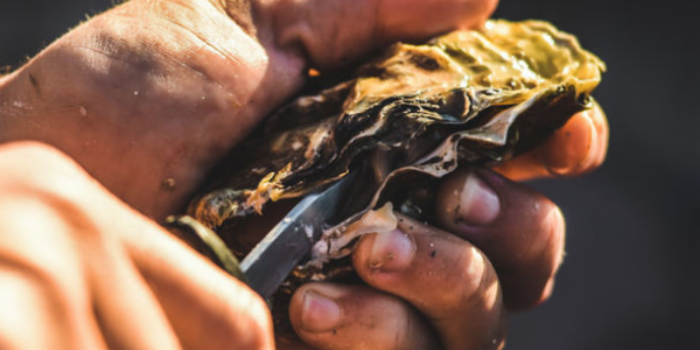
Several of Shakespeare’s food-related idioms are still popular today. How did Shakespeare use these idioms, and how do we use them? Read more on the @OxfordWords blog: https://t.co/z3gngbpbYF
I was so so lucky to be one of six student @Stemettes selected to take part in the 24-hour global hackathon @DeutscheBank, creating an app for @CureLeukaemia. Most importantly, I was in Team ‘She Hacks’, the only fully female group, amongst such talented #WomenInTech!
'Trauma is the suffering of survival'
#WWIAftermath opens on 5 June at Tate Britain. Meet the artists who confronted the traumatic realities of the conflict head on: https://t.co/rhx0VVP4yh
#MentalHealthAwarenessWeek
Sir William Orpen, Zonnebeke 1918
#dldart
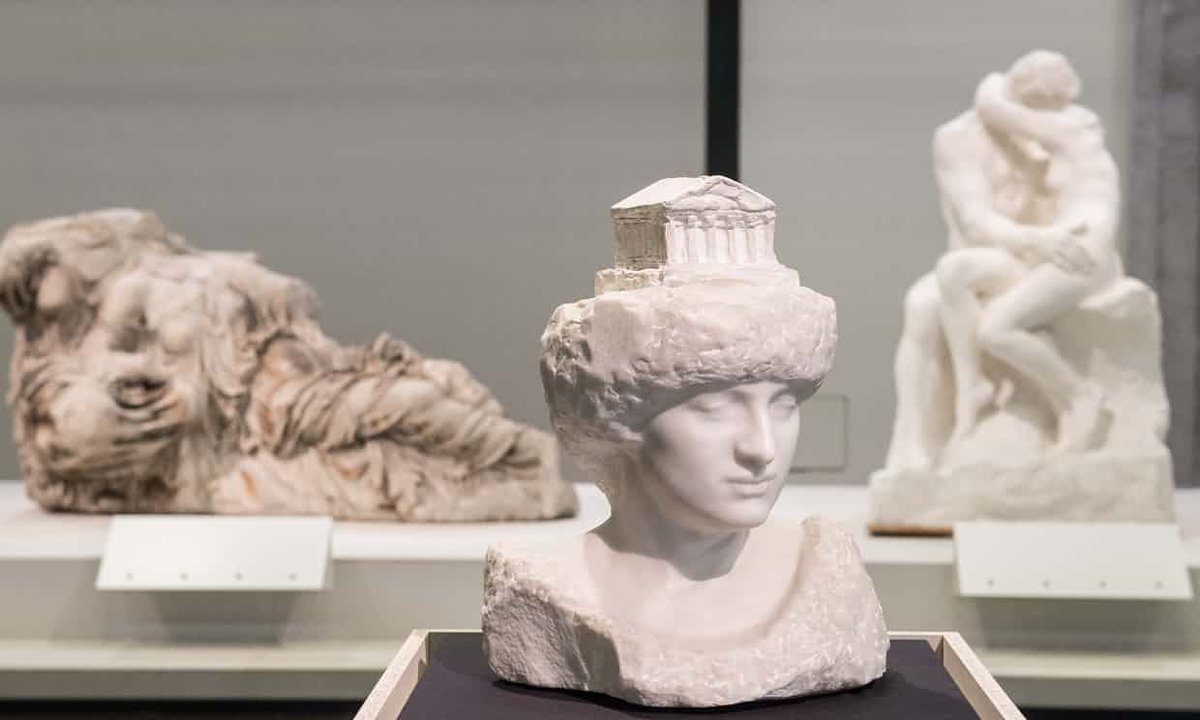
'Astonishing, ravishing, sublime' – Rodin and the Art of Ancient Greece review.
British Museum, London
The Frenchman made some of the best loved sculptures in the world. But his magnificent work is still no match for the...
https://t.co/CQx92for3y
“Poetry is the breath and finer spirit of all knowledge; it is the impassioned expression which is in the countenance of all Science.”
Wordsworth, born on this day in 1770, on the shared heart of poetry and science https://t.co/gcLwEJEneP #NationalPoetryMonth
René Descartes, considered the father of modern philosophy, was born #OnThisDay in 1596. Departing from intellectual tradition, Descartes wrote in French, not Latin, so that all who had "good sense" could read his work and learn to think for themselves. https://t.co/R1ozr6xp64
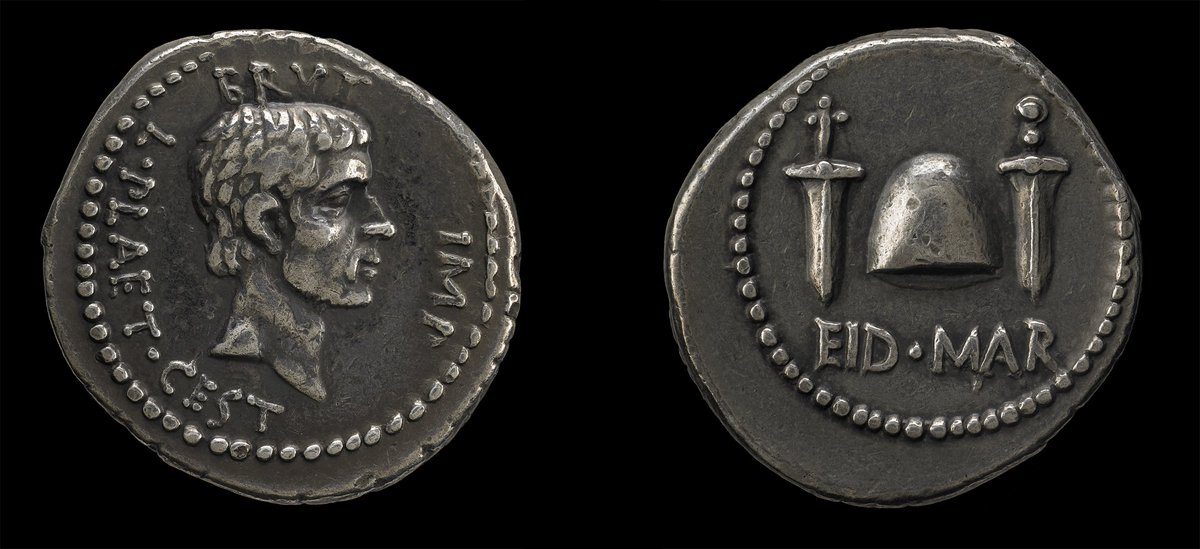
March 15 was, for the Roman Republic, the Ides of March: the day on which Marcus Brutus and others assassinated Julius Caesar, plunging the state into civil war #dldhistory#dldclassciv#dldenglit#shakespeare https://t.co/s314Buvc8B