@KarlstanV For DRAFTING, I do best super early in the morning, when creative brain is awake but logical editing brain is still too asleep to cause a ruckus.
For REVISION, I like to work in the early afternoon. Logical analysis brain is in full swing, and I have a few solid hours to work.
@KarlstanV For DRAFTING, I do best super early in the morning, when creative brain is awake but logical editing brain is still too asleep to cause a ruckus.
For REVISION, I like to work in the early afternoon. Logical analysis brain is in full swing, and I have a few solid hours to work.
@JCKang804 I did, several years back! And I meant to do a similar review for Masters of Deception - but it was so good I forgot to take notes, and then I had nothing pithy to put in the review.
Plan to re-read my copy of Bk2 and do it right this time :)
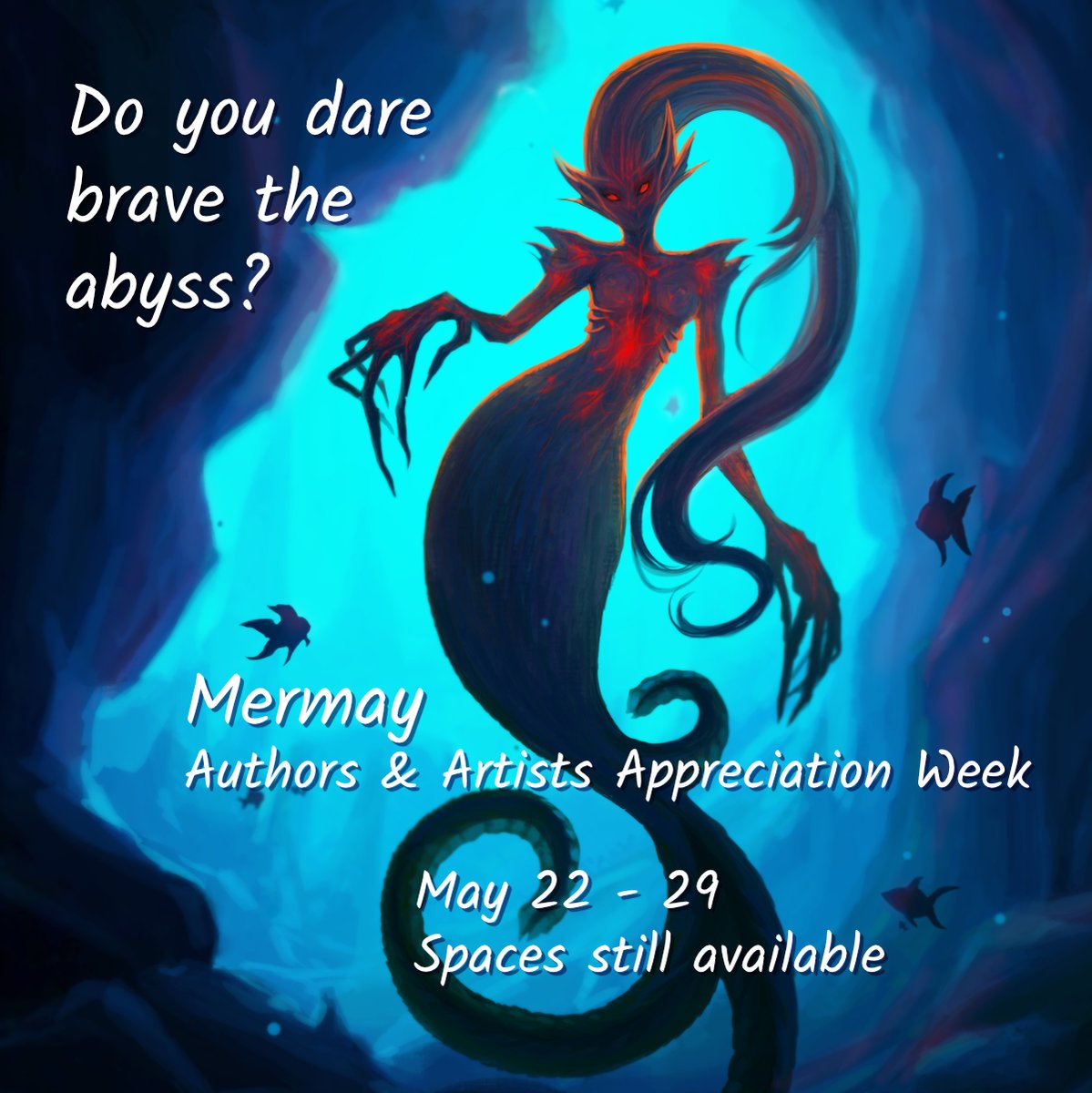
Are you an author or artist with a completed work about merfolk? Join us in our upcoming dive to the deepest realms of underwater fantasy.
PM me for details.
#mermayauthorsartists
@RSHopson The best way these days is to google the agents of big names in your genre, especially comps you are similar to. Then research the lower level agents at that same agency. They have more time and attention for new authors but have the connections with the big name agents too!
@RSHopson From there, get your manuscript as close to publish-ready as you can. Once you're there, get a beta reader. They provide reader-perspective feedback (how the story feels, where they got confused, etc). Incorporate that feedback! Then submit to agents or do self-pub as desired.
@RSHopson The best advice I've seen (and what works for me personally) is to set it aside for a while. Celebrate your achievement!
Then do your own revision pass(es). Fix up story, style, and grammar. If you aren't confident in your story, get an alpha reader to help pinpoint issues.