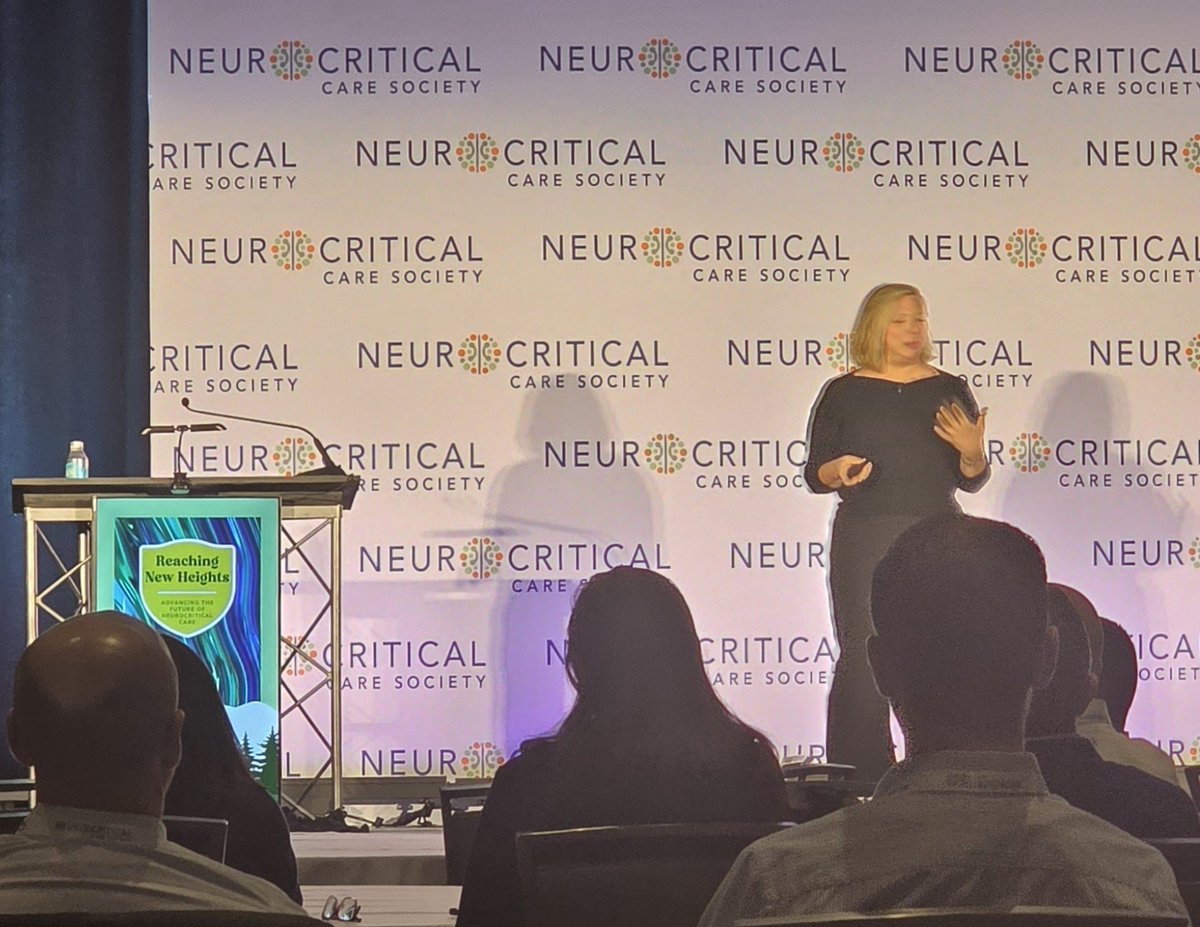
It was great seeing Dr. Lisa Meeks speak at #NCS2026
We have a long way to go addressing ableism in medicine. Education and awareness is an important first step! @neurocritical@DocsWith
📣 New research on disability, depression & help-seeking in #residency from the @InternHealth study:
Full article: Disability, mental health symptom recognition, and treatment-seeking in resident physicians with depressive symptoms https://t.co/8dsru4C8SI
Physicians are often expected to hold everything together—making vulnerability and disclosure especially difficult.
Our #Disclosure Series explores what it means to disclose, the fears that shape those decisions, and what happens when you do.
🎧 Listen https://t.co/uJt8ZkpbWQ
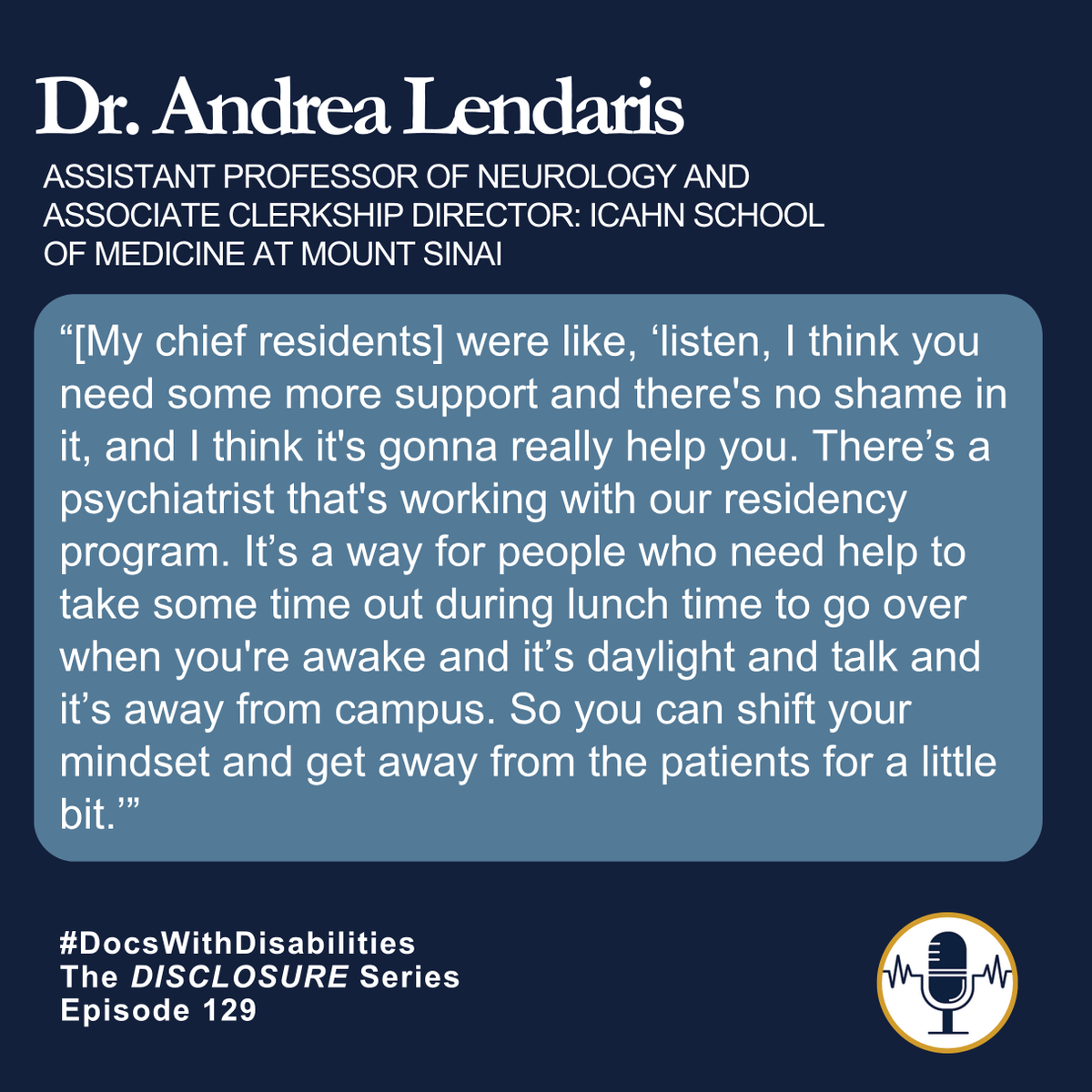
💙 In Episode 129 of the @DocsWith#DisclosureSeries, Dr. Andrea Lendaris shares how chief residents recognized she needed support, reminded her there was "no shame in it," and helped connect her with the resources she needed.
🎧 https://t.co/uJt8ZkpbWQ
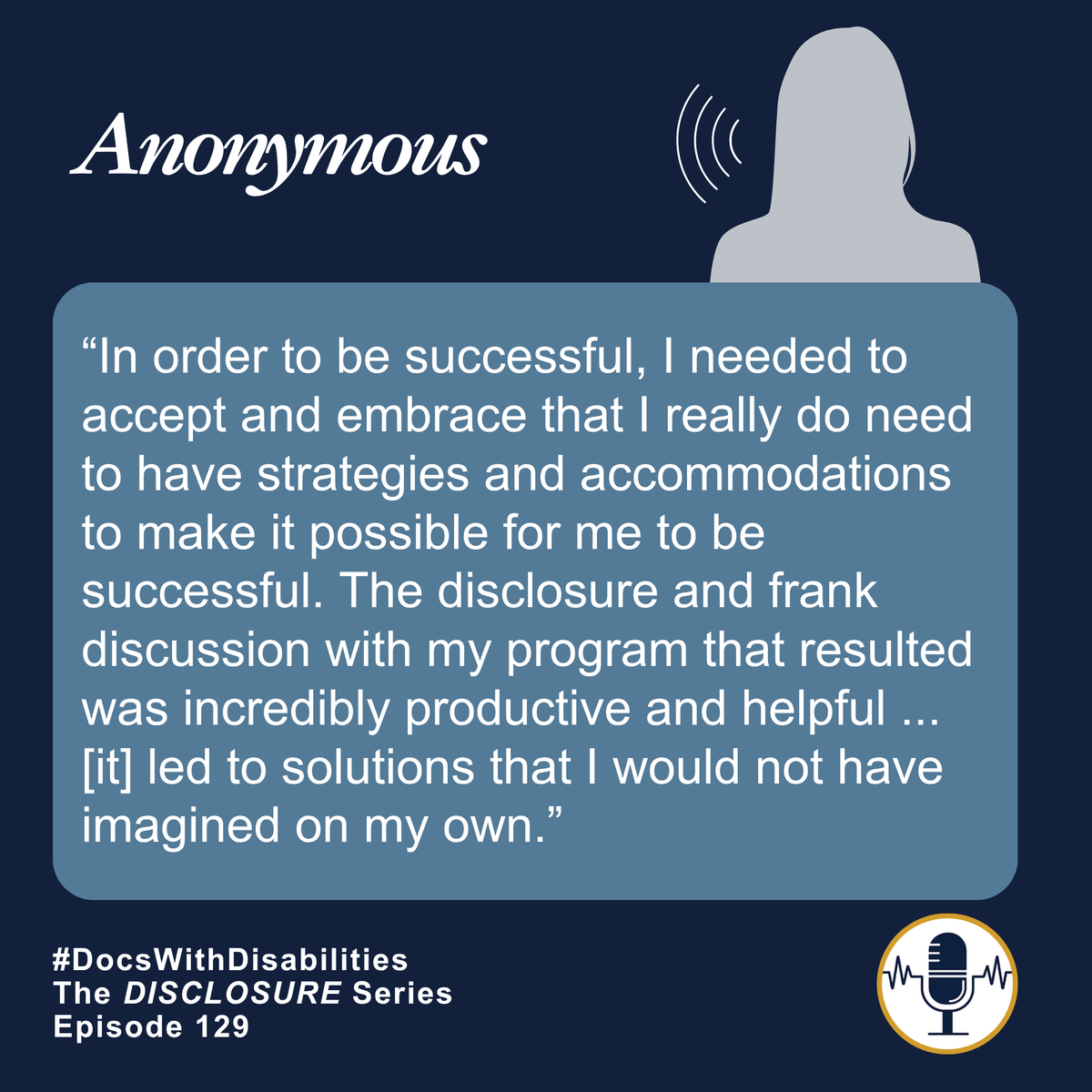
Many medical students who identify as disabled aren't diagnosed until after they begin medical school. A diagnosis can bring clarity—but also difficult questions about disclosure, stigma, and accommodations.
🎧 https://t.co/uJt8ZkpbWQ
#DocsWithDisabilities#Disclosure
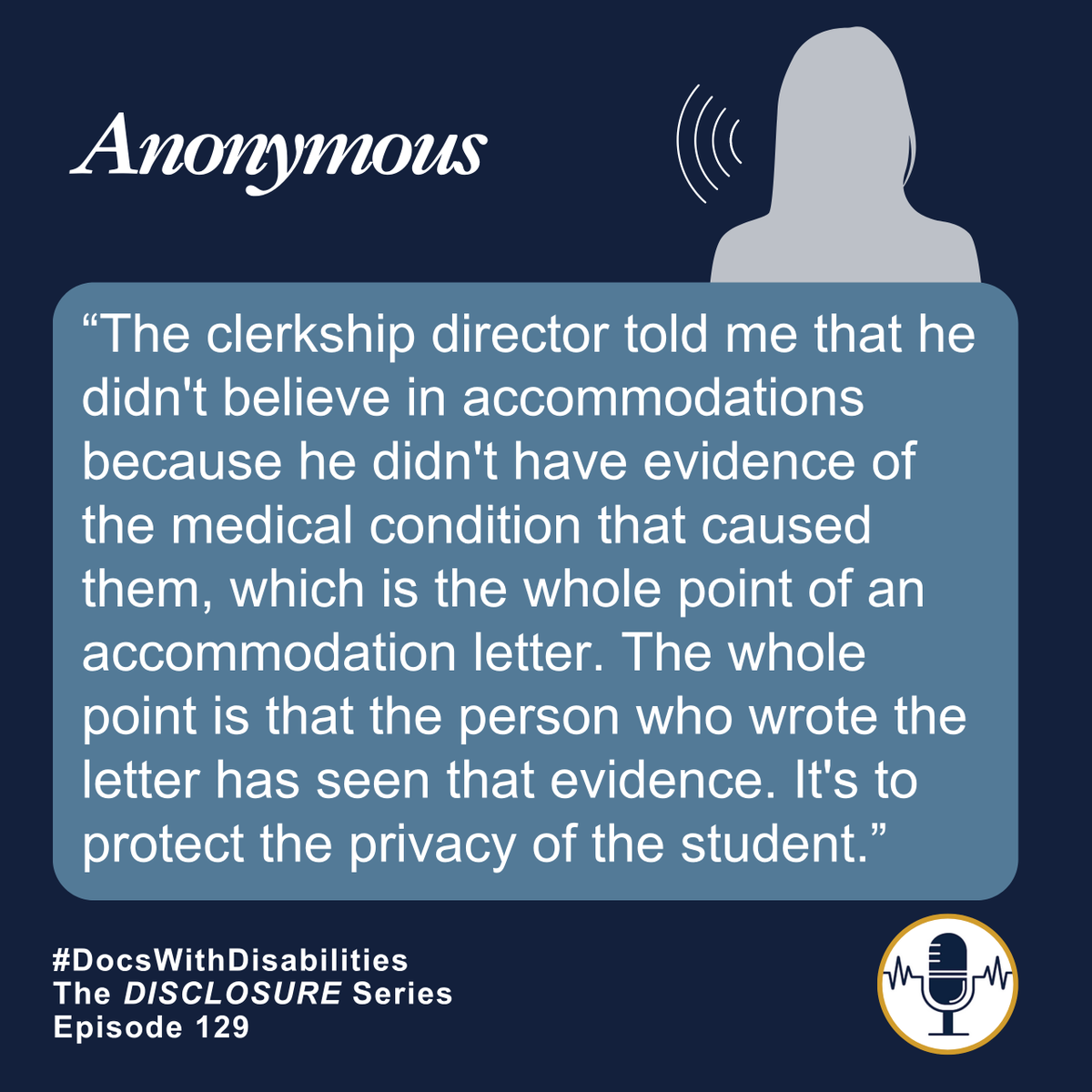
Accommodation letters exist to protect privacy while providing equitable access—not to invite repeated scrutiny or personal judgment.
🎧 Hear one learner's story in Episode 129 of the #DisclosureSeries:
https://t.co/uJt8ZkpbWQ
#DocsWithDisabilities#MedicalEducation
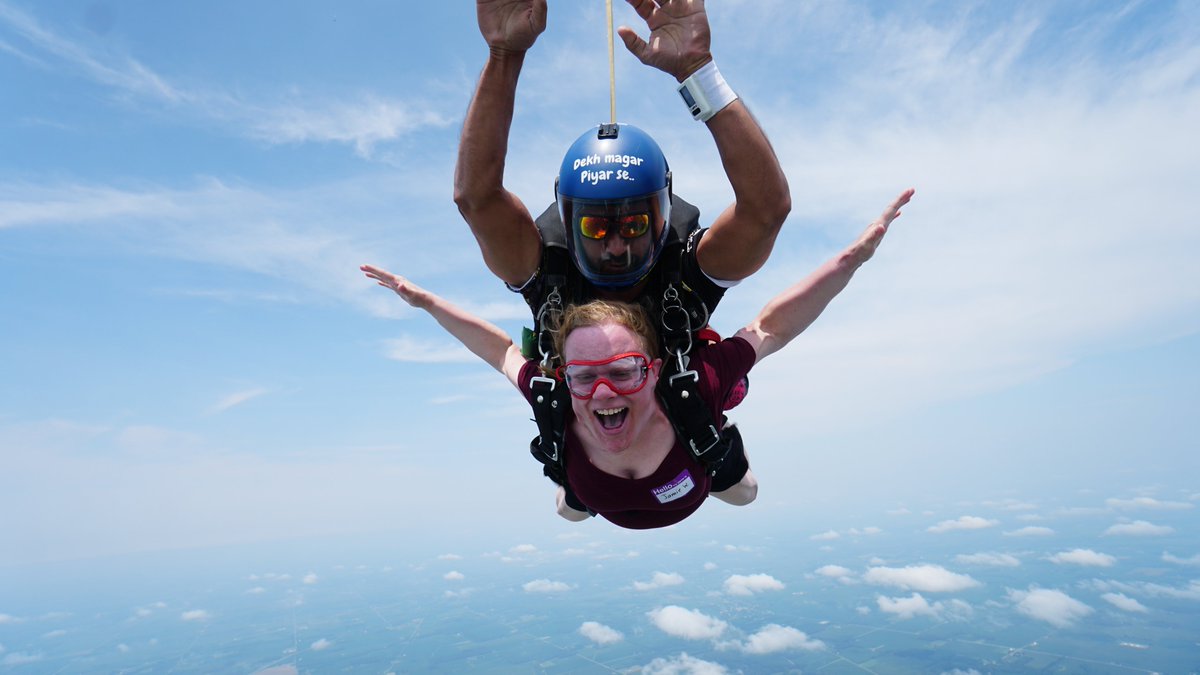
Skydiving with a shunt? • People have asked what it was like skydiving with a shunt and intracranial pressure issues. First, I did check with my doctor before going. Always check with your healthcare team for your individual circumstances. This is my personal experience.🧵 1/6
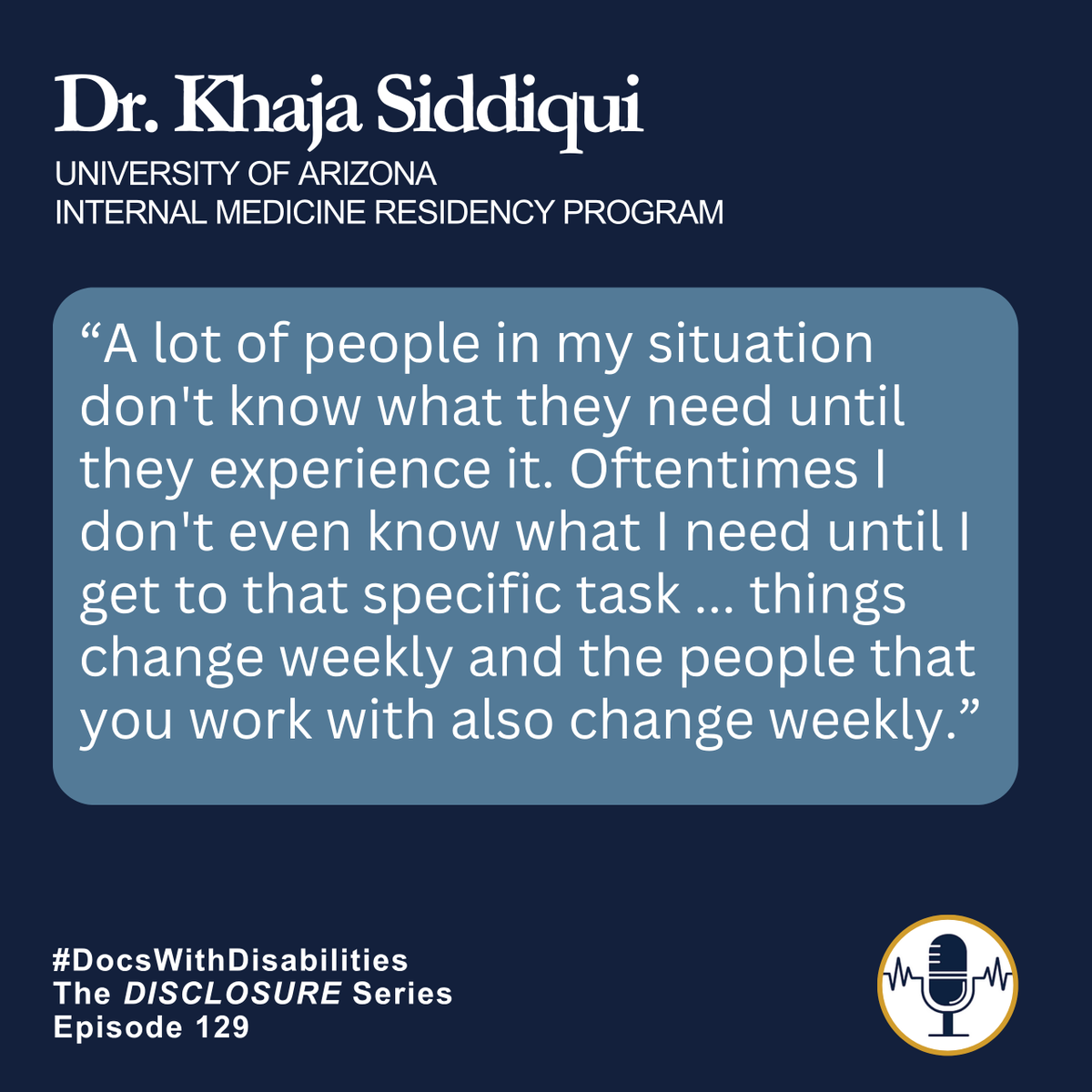
🩺 Medicine changes every week. So can access needs.
Creating equitable learning environments means recognizing that accommodations aren't a one-time decision—they're an ongoing process.
🎧 Episode 129 of the @DocsWith Podcast DISCLOSURE Series:
https://t.co/uJt8ZkpbWQ
Sometimes the smallest act makes the biggest difference.
A pre-clerkship conversation about accommodations, goals, and clinical sites transformed one student's entire experience.
Inclusion starts with listening. 💙
🎧 Episode 129: https://t.co/uJt8ZkpbWQ
#DocsWithDisabilities
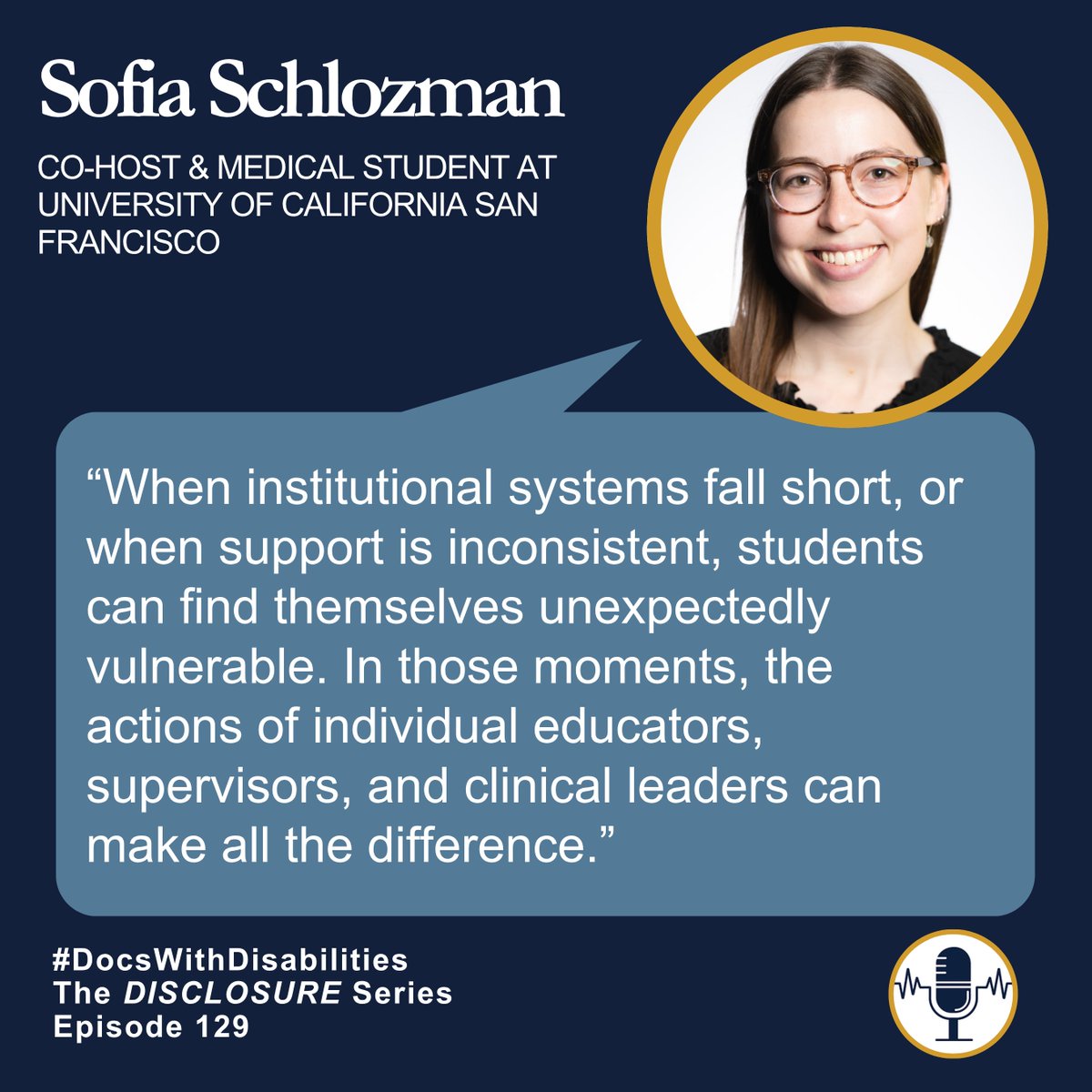
Disclosure is shaped by the environment around it.
Sofia Schlozman reflects on why consistent accommodations, supportive educators, and inclusive leadership can make all the difference.
🎧 https://t.co/uJt8ZkpbWQ
#Disclosure#DocsWithDisabilities
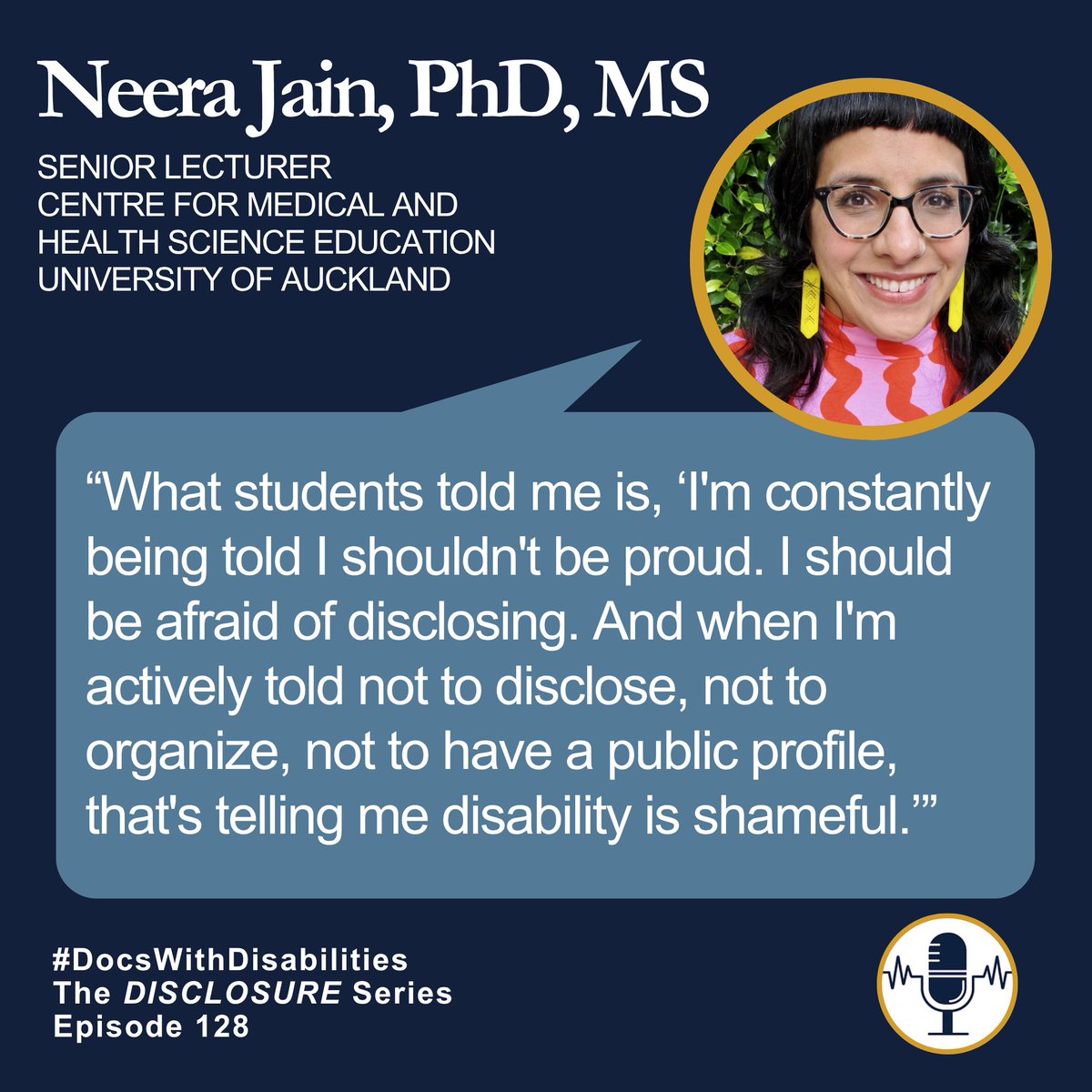
"Don't be proud."
"Don't organize."
"Don't have a public profile."
Too many disabled learners in medicine still receive these messages. The message underneath? Your disability should stay hidden.
🎧 Listen & share: https://t.co/8me3BsHAyL
1/ 🚨 A major shift in disability inclusion in medical education.
The NMC has released the Guidelines on the Assessment of Persons with Benchmark Disabilities for Admission to the MBBS Course, 2026.
Here are the key changes. 🧵
Visibility changes culture.
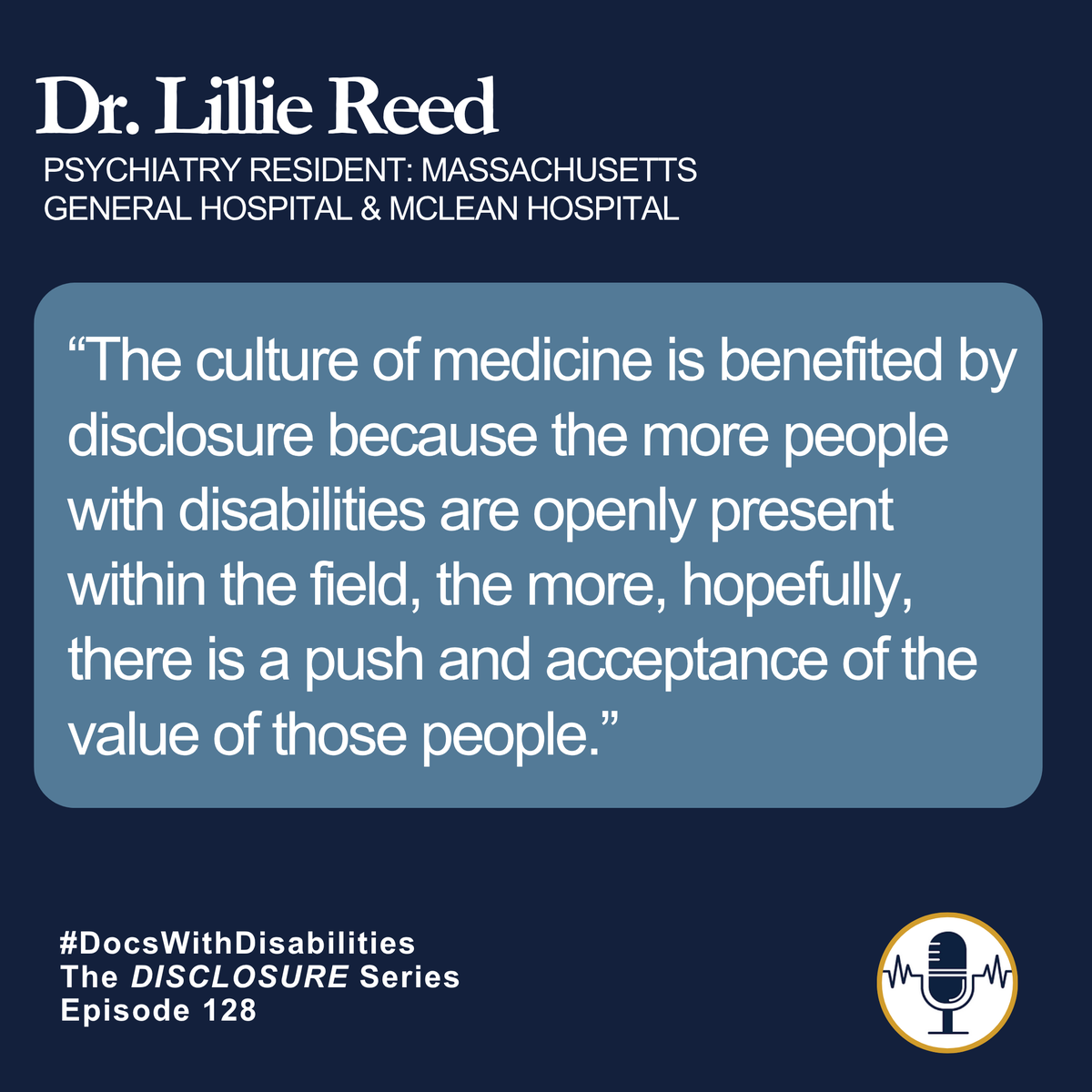
In Part 2 of the @DocsWith Disclosure Series, Dr. Lillie Reed shares why disability disclosure matters—not just for individuals, but for the future of medicine.
🎧 or 📕https://t.co/8me3BsHAyL
#Disclosure#DisabilityVisibility#MedEd
New from @DocsWith
Accommodations in clinical skills exams don’t change what we expect learners to know or do—they remove barriers that aren’t part of what we’re assessing.
Accommodations in Clinical Skills Exams https://t.co/DqndLsQlDu
#MedEd#AccessInMedicine#OSCE
Even when you’re proud and open about your disability, others may still whisper, “keep it quiet”—because they think they’re protecting you. 🤫
But when does protection become silencing?
🎧 Listen to Episode 128
https://t.co/8me3BsI8oj
#DocsWithDisabilities#Disclosure
Can an OSCE be accommodated? 🤔 Maybe that’s the wrong question.
New paper in The @ClinicalTeacher offers a 12-step framework to identify accommodations that preserve validity. 🎯
📖 https://t.co/alMQcVR1jg
#MedEd#DisabilityInMedicine#OSCE