https://t.co/onhihvDqjO
The Hidden Threat of Cardiovascular Disease in Midlife
In our 40s and 50s, cardiovascular disease emerges as the leading cause of harm and death, surpassing cancer and lung disease.
Yet, when we examine a seemingly healthy population of adults around this age using noninvasive imaging, we often uncover the root cause—atherosclerosis—long before symptoms appear in most people.
Unfortunately, many patients receive a diagnosis and treatment only later in life, often after developing obvious symptoms or even suffering a heart attack or stroke.
A Surprising Pattern in Atherosclerosis Development
Contrary to popular belief, and according to seminal research by Dr. Valentin Fuster and others, atherosclerosis doesn’t first target the heart, as one might assume. In studies such as the Progression of Early Subclinical Atherosclerosis (PESA), which followed aging cohorts with serial noninvasive imaging, plaque buildup tends to appear in the legs (the common and superficial femoral arteries) first, the neck (the carotid arteries) second, and the heart (the coronary arteries) last.
This suggests we are often searching for the causes of cardiovascular events—primarily atherosclerosis—in the wrong parts of the body and at the wrong time of life.
The Era of Rapid Medical Innovation
We are witnessing unprecedented technological acceleration, in which the next decade’s innovations may surpass the gains of the past century. Medical imaging now allows visualization of disease well before symptoms arise. At the same time, pharmacologic advancements target lipids, platelets, coagulation, inflammation, and metabolism more effectively.
In the 1980s, endocrinologist Gerald Reaven described a cluster of high-risk features in Americans—closely linked to obesity—as the enigmatic “Syndrome X.” Decades later, our understanding, recognition, and management of what we now call metabolic syndrome have vastly improved and continue to evolve. This syndrome is strongly tied to excess visceral fat and insulin resistance, as well as increased risks for sleep apnea, heart rhythm disorders, hypertension, hyperlipidemia, atherosclerosis, fluid retention, kidney disease, and overall diminished mobility and wellness.
By 2026, treatments have evolved dramatically and include disease-modifying agents that address metabolic syndrome head-on. These therapies are safer and more effective than ever and often work synergistically to reduce risk and extend both quality of life and lifespan.
What’s Next: Beyond Early Detection of Disease — The Genetic Revolution
Today, we can detect disease far earlier—often between ages 25 and 50—well before symptoms emerge—and treat it more effectively than before. So, what’s on the horizon?
Lipoprotein(a), discovered in 1963, may ignite the genetic revolution in healthcare. This highly atherogenic, disease-causing lipid particle is inherited and present at birth, affecting 20–30% of the population. If ongoing clinical trials demonstrate that therapies lowering lipoprotein(a) are safe and reduce cardiovascular events or mortality, humanity could take a giant leap forward in the prevention of disease.
In the next decade, genome-based risk assessment and targeted therapies will likely become widely available. As this genetic revolution accelerates—synergistically alongside those of imaging and therapeutics—risk stratification, and potentially even therapies, could begin around birth or early in life.
The sum of these technological advancements may lead to remarkable increases in average human lifespan in the coming years.
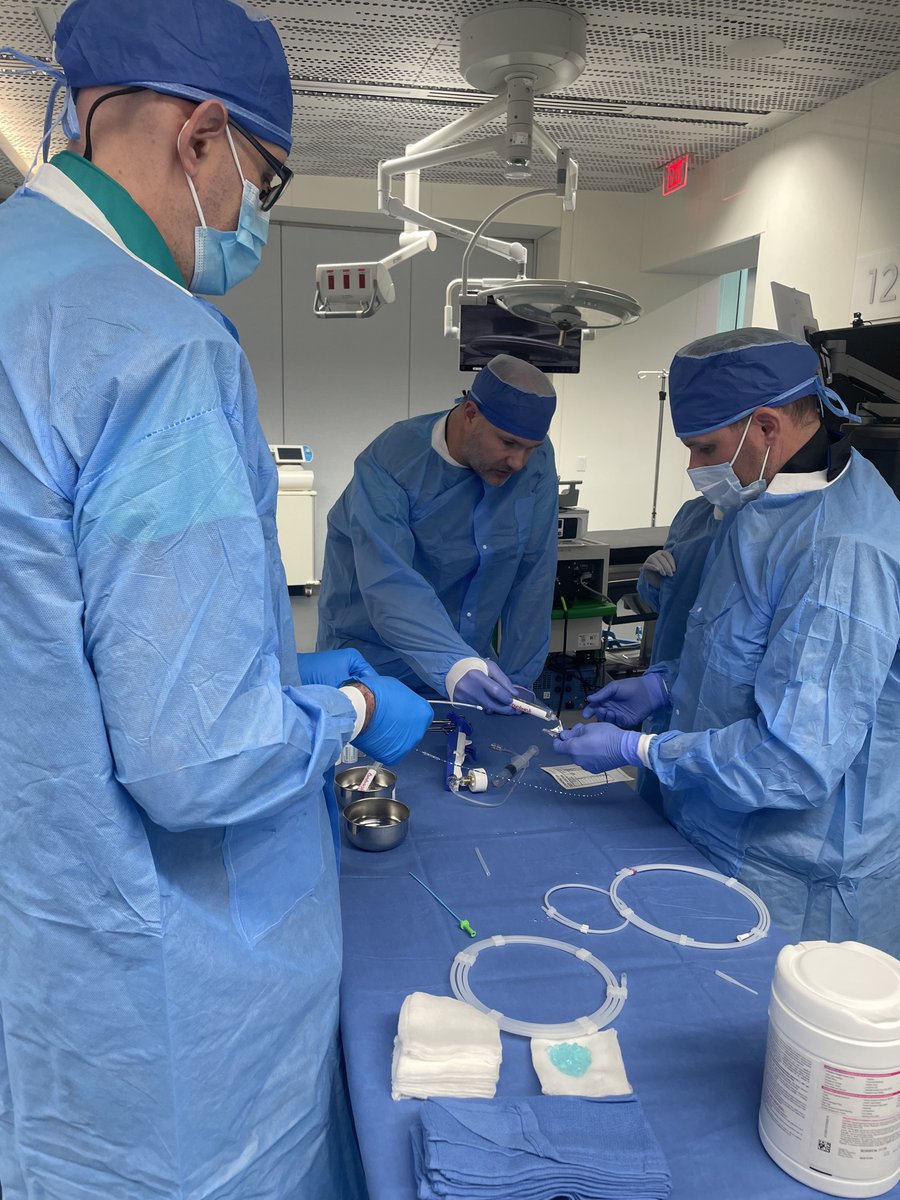
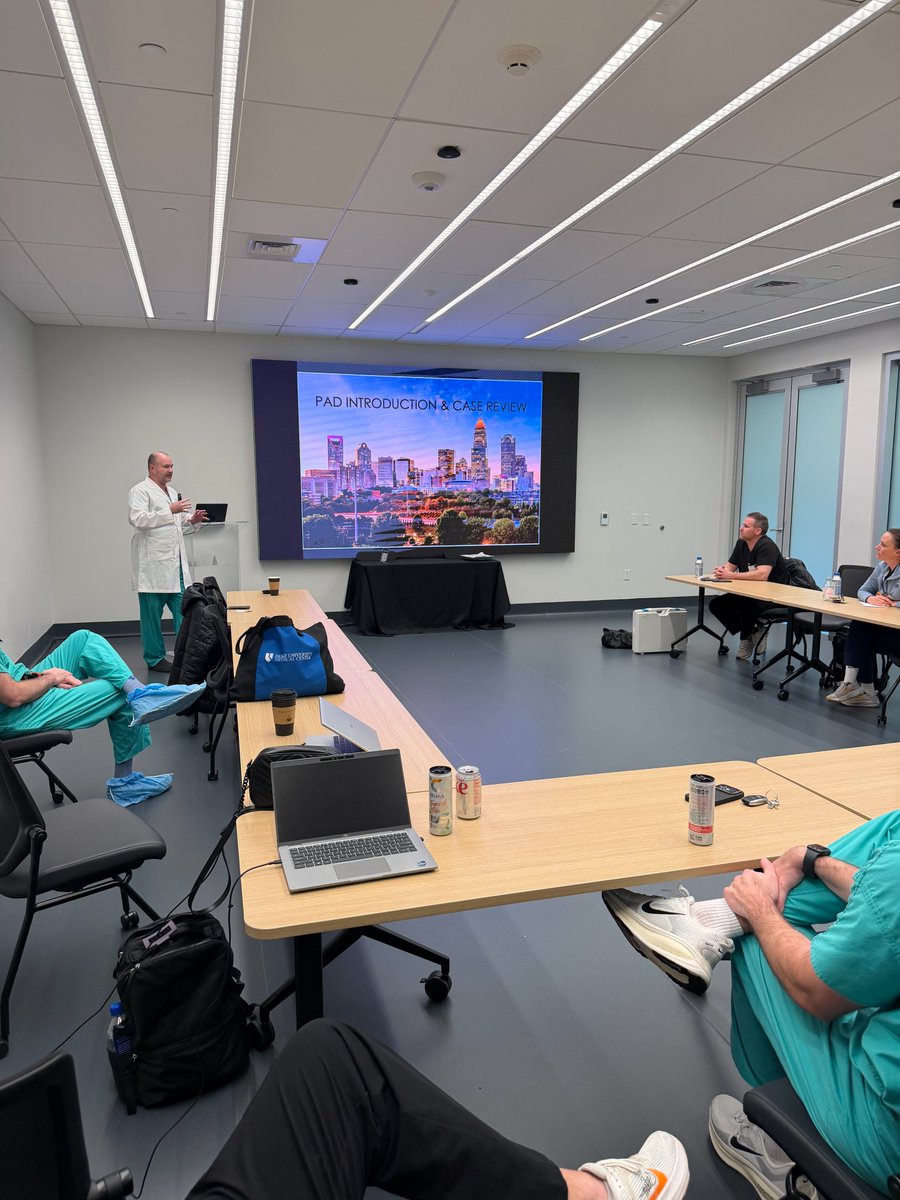
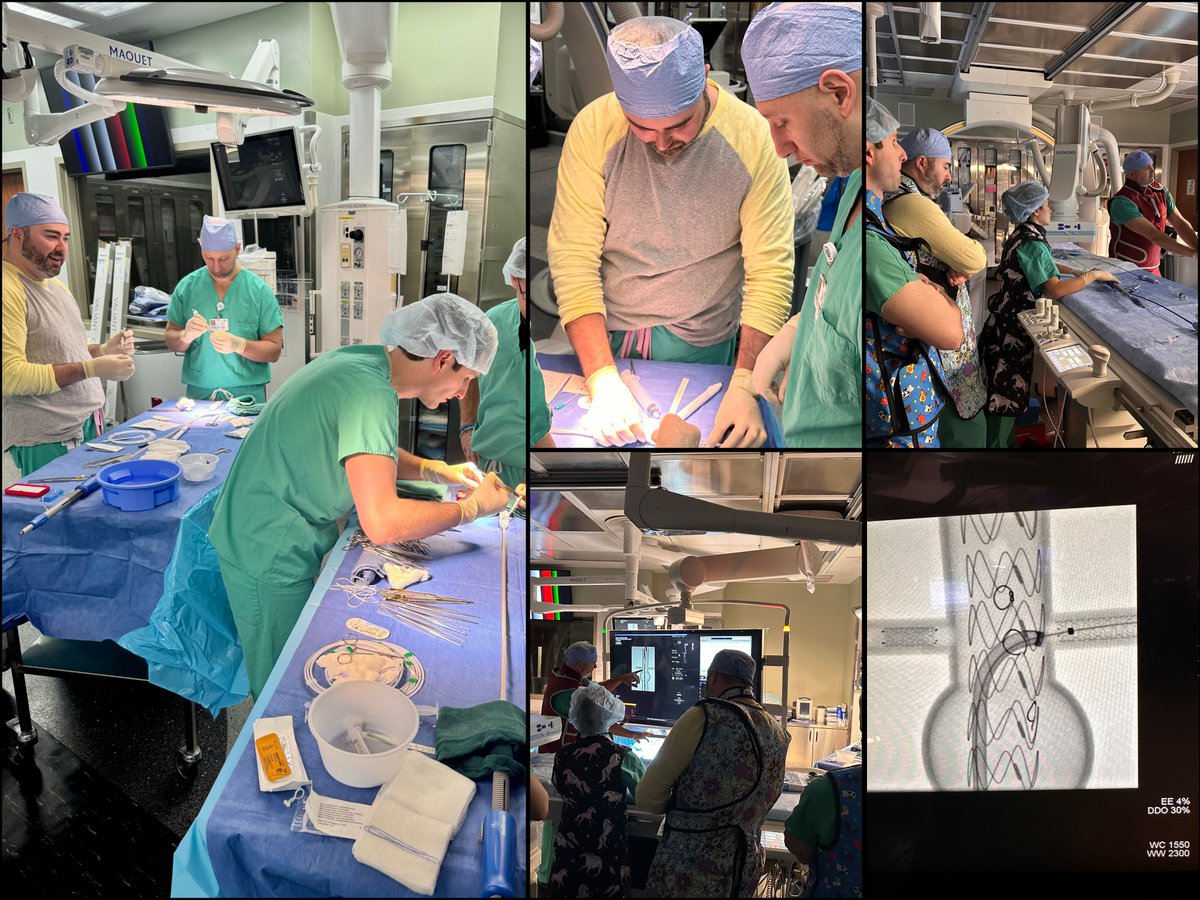
Another great day of hands-on education @IrcadNA alongside a truly masterful teacher Mark @LessneVIR. PAD awareness & education in focus.
Thank you to Bard Peripheral for the opportunity. Much to grow on for the future!
🤍CMCVascularSurgery
A room with a view👇
Suprarenal X clamp
Renal vein preserved.
Teaching point:
When you clamp above the renals, time matters.
Protect what you can (renal vein), work efficiently, & make your anastomosis count.
Good exposure buys you renal function. Bad exposure buys you dialysis
@therogueagent I’m a vascular surgeon. AI and robots won’t be replacing what I and my colleagues can do in the foreseeable future. Not just the technical aspects, but the judgment than comes from years of evaluating and treating patients.
@kavya9213140 @carsonthoffmann@l_monty1596@krhebelermd@docsprans2@farkomd A skills competition would be a fun challenge. There are a number of technical skills that can be graded both on accuracy and speed. I think the fellows would love it.
@jdimick1 Depends entirely on the people.
The ‘ivory tower’ of academic medicine is increasingly not the epicenter of excellence. The brain trust has largely disbursed toward systems that value high volume quality care with appropriate remuneration.
@AmericanAir@MandyBremner Thanks for reiterating how you fail your clients every single day. When does @AmericanAir decide we the people are the most important part of your business?
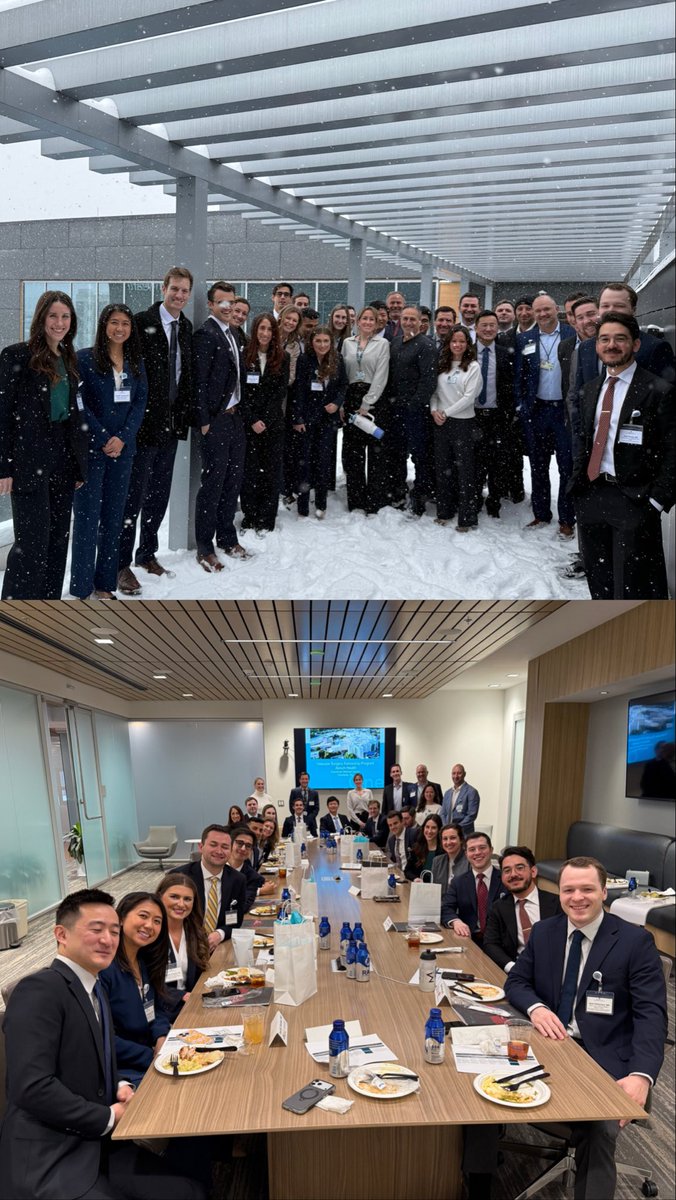
Boardrooms 🤝 Blizzards ❄️
So grateful for an amazing weekend with vascular surgery candidates from all over the US. They braved the snow and brought passion, curiosity, and heart to everything they did. The future of our field is bright. Thank you for choosing vascular surgery.
Scoreboard:
Football: Longhorns - 1 🤘
Vascular Training: Aggies - 1 👍
Congrats to these two for completing a Total Arch. They’ve got the talent, but they’ve got that Aggie-refined technique. No transfer portal in the surgical suite, so I’m keeping this dream team together! 🏥🔥
Incredible Grand Rounds with Dr. Sam Tyagi (@UKentucky)! 🏥
His RCT on using sub-dissociative ketamine to slash opiate use in thoracoabdominal aneurysm recovery is a game-changer for patient outcomes. 🚀
Great insights with our team! Thank you @SamTyagiMD
@GAEscobarMD@AmmarNasirMD@farkomd I think the point is the (coronary) disease in CLI patients is in such an advanced state that medical therapy alone isn’t adequate to alter the mortality curve