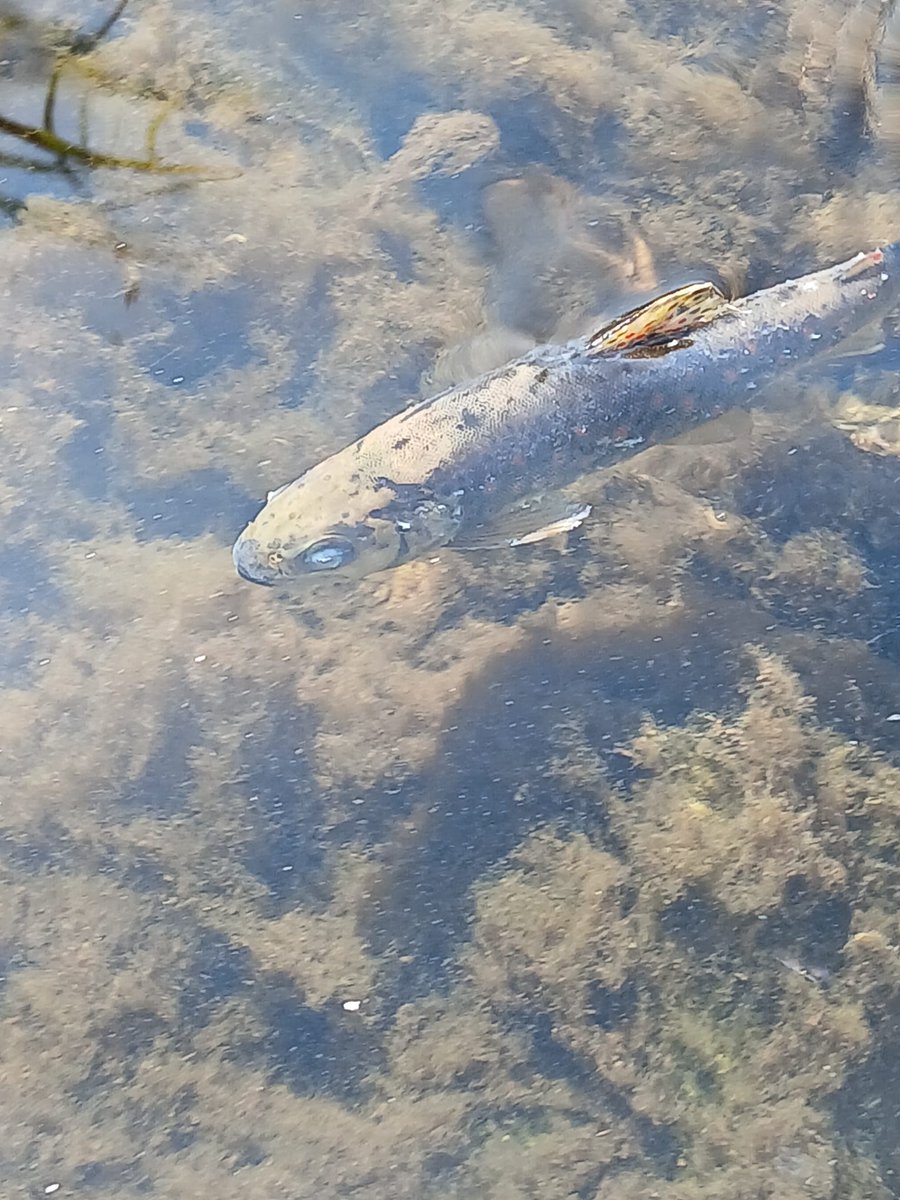
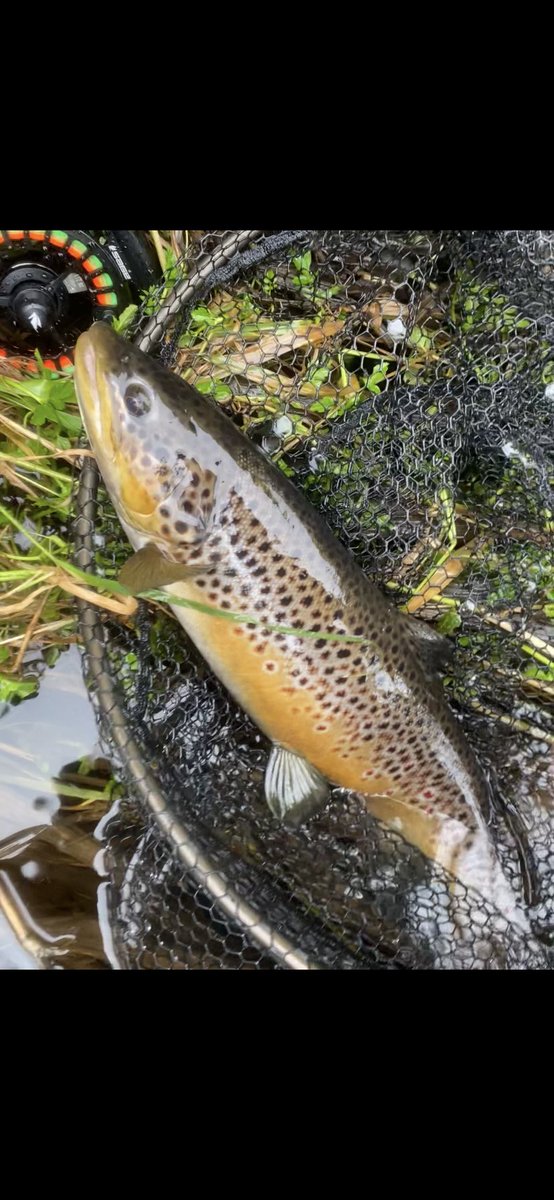
📜 IFI publish Lough Sheelin fish kill investigation report.
🐟 834 wild brown trout mortalities at the watercourse in July 2025.
🌐 Read more: https://t.co/v6z4Qq54rg
'There is nothing better than exploring the great world outside.'
Angler Charles Jardine celebrates schools bringing fishing into the curriculum for the first time.
📺 Freeview 236, Sky 512, Virgin 604
🔓 Become a GB News Member: https://t.co/mNsRsGC8ef
🐟 Where do our Atlantic salmon come from? 🗺️ Explore NASCO's interactive map: https://t.co/xt5Tnk7Ga0
⚫ IFI contributed to this atlas, highlighting the condition of wild #salmon rivers in 18 NASCO member countries.
ℹ️ Learn about IFI's assessments at: https://t.co/s4JKymwkMe
🆕 Today is European Dam Removal Day.
🐟 IFI is working to restore waterways through its National Barrier Mitigation Programme.
🌊 Free-flowing rivers improve passage for migrating fish.
📸 Before/After removal of a barrier at Owengarve River, Co. Mayo #DamRemovalDay
Atlantic salmon (Salmo salar), Brown trout (Salmon trutta), Brook lamprey (Lampetra planeri), and Stone loach (Barbatula barbatula) from one of my recent electrofishing surveys.
More footage of wild Atlantic Salmon (Salmo salar) attempting to pass Annacotty Weir on the River Mulkear, Co. Limerick. This weir serves no purpose, yet it blocks fish migration in the Lower River Shannon Special Area of Conservation.
Juvenile Atlantic Salmon (Salmo salar) from one of our electrofishing surveys in the River Moy catchment.
The River Moy is a very productive salmon river, but salmon persist here despite – rather than because of – the way the river has been managed. From the devastating arterial drainage scheme to decades of excessive exploitation, it is remarkable how many juvenile salmon remain, even in small first-order streams.
The Moy benefits from being in the high-rainfall northwest and, until recently, had not experienced the same levels of agricultural intensification as other parts of Ireland. However, this is changing, and many areas of the catchment now show signs of eutrophication. Agriculture, forestry, peat extraction, dispersed housing, and urbanisation all place pressure on water quality in the catchment. Climate change is an additional threat, with likely impacts on rainfall patterns and flow regimes. The river is also threatened by invasive non-native species. On top of these pressures, thousands of wild salmon are still killed every year by anglers.
Will there still be an abundance of beautiful salmon parr like these in the tributaries of the Moy in a decade’s time?
PS: The EU Habitats Directive states that no plan or project can go ahead if it may harm a protected Natura 2000 site, unless it has been fully assessed and shown beyond reasonable doubt not to damage the site. Yet every year Inland Fisheries Ireland (IFI) sets salmon angling quotas through national regulations that allow thousands of salmon to be caught and killed in Natura rivers like the River Moy Special Area of Conservation (SAC). No Natura Impact Statement has ever been prepared for these regulations, and no Appropriate Assessment has ever been carried out – even though salmon are a protected species and a Qualifying Interest of Natura 2000 rivers such as the River Moy SAC.
River Blackwater crisis: 'It's baffling': Anglers criticise watchdog over 24-hour-wait to sample scene of major fish kill. No sampling took place until a full 24 hours after the first of thousands of fish were found dead on Monday 11 August.
https://t.co/Xlpkj8Tnxw
#Blackwater
Juvenile Atlantic Salmon (Salmo salar), known as parr, from one of our recent electrofishing surveys in the River Moy catchment. The individuals on the left are in their second summer (age 1+), while those on the right are young-of-the-year (YOY, or age 0+).
Juvenile salmon typically migrate to sea in the spring after their second winter in freshwater, at which point they are known as smolts. Most salmon in the Moy and other Irish rivers now return after just one winter at sea, when they are referred to as grilse.
The River Moy is a very productive salmon river, but salmon persist here despite – rather than because of – the way the river has been managed. From the devastating arterial drainage scheme to decades of excessive exploitation, it is remarkable how many juvenile salmon remain, even in small first-order streams.
The Moy benefits from being in the high-rainfall northwest and, until recently, has not experienced the same levels of agricultural intensification as other parts of Ireland. However, this is changing, and many areas of the catchment now show signs of eutrophication.
Agriculture, forestry, peat extraction, dispersed housing, and urbanisation all place pressure on water quality in the catchment. Climate change is an additional threat, with likely impacts on rainfall patterns and flow regimes. The river is also threatened by invasive non-native species, which pose ongoing biosecurity challenges. On top of these pressures, thousands of wild salmon are still killed every year by anglers.
Will there still be an abundance of beautiful salmon parr like these ones in the tributaries of the Moy in a decade’s time?
The River Moy is designated as a Special Area of Conservation (SAC) for Atlantic Salmon under the EU Habitats Directive, with the legal objective of restoring the species to Favourable Conservation Status. This is not about providing fish for anglers, but about protecting and restoring wild salmon populations. The river is managed by Inland Fisheries Ireland, an agency whose very name reflects a focus on exploitation rather than conservation. This dual role creates an inherent conflict: angling is treated as a priority, yet within a Natura 2000 site it is legally a pressure that can undermine the restoration of salmon populations.
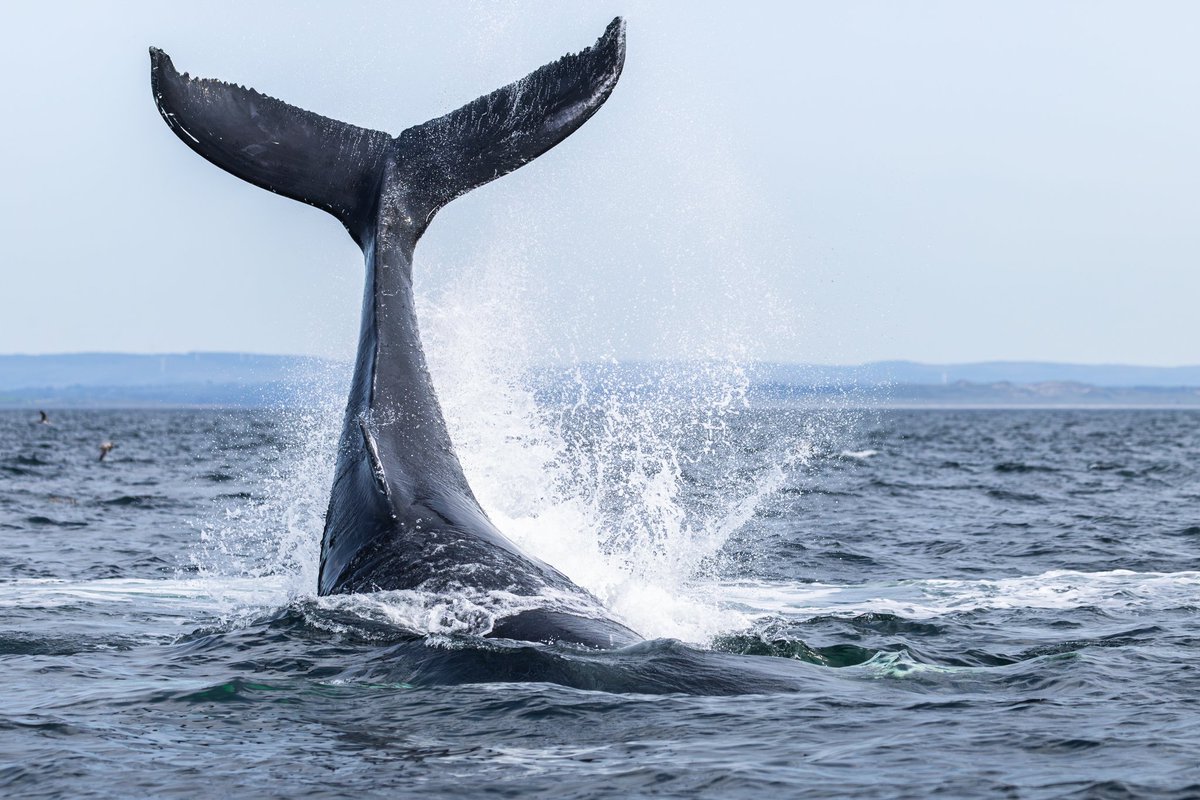
Incredible day in Donegal Bay, humpack tail slapping ! Huge bait ball with fin whales lunging supported by common Dolphins , Tuna and a huge amount of birds. #donegal
😐 IFI is investigating a possible fungal infection outbreak that may have killed up to 1,000 brown #trout in the River Blackwater, #Cork.
Tuilleadh eolais: https://t.co/nvDo8u3so9
Many gamekeepers and ghillies across north east Scotland work with us to trap American mink and are critical for our mink trapping network. Incredible work by SGA committee member catching 16 mink already this year!