Locked in my ADIPSZN 26 Pass from @Predictstreet ⚡
The first and official prediction market partner of the FIFA World Cup 26™
Predict at the speed of play → https://t.co/TzwAaJW9FC
2025 I remember looking for a 𝗺𝗲𝗺𝗲𝗰𝗼𝗶𝗻 𝗽𝗿𝗼𝗷𝗲𝗰𝘁 that looked solid, something with real potential that was just getting started. But everywhere I turned,
❌ It was all hype.
❌ Loud promises,
❌ Fancy graphics,
❌ “Next 100x” narratives,
yet nothing tangible behind it. 𝗡𝗼 𝘂𝗻𝗱𝗲𝗿𝗹𝘆𝗶𝗻𝗴 𝗮𝘀𝘀𝗲𝘁. 𝗡𝗼 𝗿𝗲𝗮𝗹 𝗯𝗮𝗰𝗸𝗶𝗻𝗴. ���𝘂𝘀𝘁 𝗺𝗼𝗺𝗲𝗻𝘁𝘂𝗺 𝗮𝗻𝗱 𝗵𝗼𝗽𝗲.
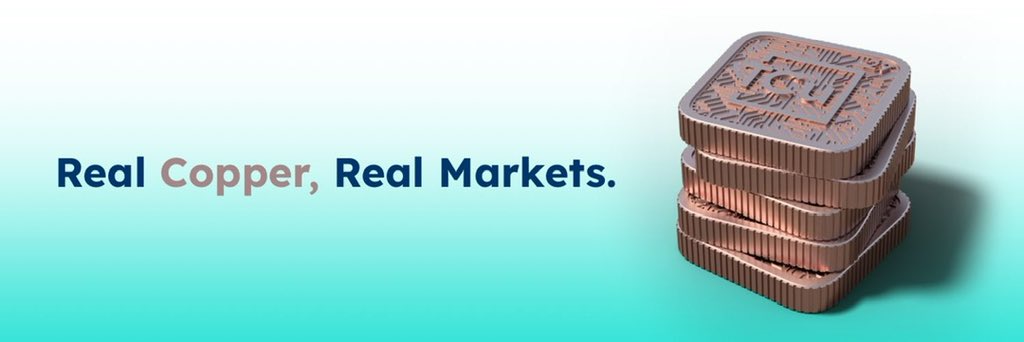
Then I came across @TCu29Official talking about 𝗰𝗼𝗽𝗽𝗲𝗿, and honestly, that caught my attention immediately. Not another meme. Not another vapor token. They were talking about something physical, actual 𝗰𝗼𝗽𝗽𝗲𝗿, 𝘄𝗵𝗲𝗿𝗲 𝗲𝗮𝗰𝗵 $𝗧𝗖𝗨𝟮𝟵 𝗿𝗲𝗽𝗿𝗲𝘀𝗲𝗻𝘁𝘀 𝗼𝗻𝗲 𝗽𝗼𝘂𝗻𝗱 𝗯𝗮𝗰𝗸𝗲𝗱 𝟭:𝟭.
What really stood out to me is this: buying physical 𝗰𝗼𝗽𝗽𝗲𝗿 directly isn’t easy for regular people.
😢 The cost of purchasing in bulk is high. Storage is expensive.
▫️You need secure 𝘄𝗮𝗿𝗲𝗵𝗼𝘂𝘀𝗶𝗻𝗴, 𝗶𝗻𝘀𝘂𝗿𝗮𝗻𝗰𝗲, 𝗹𝗼𝗴𝗶𝘀𝘁𝗶𝗰𝘀, 𝗰𝗼𝗺𝗽𝗹𝗶𝗮𝗻𝗰𝗲. It’s not practical unless you’re operating at an industrial level. For most of us, exposure to 𝗰𝗼𝗽𝗽𝗲𝗿 has always been indirect, through mining stocks or ETFs.
$𝗧𝗖𝗨𝟮𝟵 feels different because it lowers that barrier. Instead of worrying about 𝘀𝘁𝗼𝗿𝗮𝗴𝗲 𝗳𝗮𝗰𝗶𝗹𝗶𝘁𝗶𝗲𝘀 𝗼𝗿 𝘀𝗵𝗶𝗽𝗽𝗶𝗻𝗴 𝗰𝗼𝘀𝘁𝘀, you hold a token backed by real metal. And if you actually want delivery or structured redemption, the framework is there.
𝗙𝗼𝗿 𝗺𝗲, that was the shift, moving from hype-driven speculation to something tied to a real-world commodity that powers EVs, energy grids, and AI infrastructure.
𝗧𝗵𝗮𝘁’𝘀 𝘄𝗵𝗲𝗻 𝗜 𝗿𝗲𝗮𝗹𝗶𝘇𝗲𝗱 𝘁𝗵𝗶𝘀 𝘄𝗮𝘀𝗻’𝘁 𝗷𝘂𝘀𝘁 𝗮𝗻𝗼𝘁𝗵𝗲𝗿 𝘁𝗿𝗲𝗻𝗱. 𝗜𝘁 𝘄𝗮𝘀 𝗶𝗻𝗳𝗿𝗮𝘀𝘁𝗿𝘂𝗰𝘁𝘂𝗿𝗲.
We’re not just moving into an AI-powered world. We’re moving into an AI-coordinated world.
Autonomous agents will trade, optimize, negotiate, and make decisions in real time.
But coordination at that scale requires something new like massive data availability, decentralized compute, verifiable execution, and permissionless interaction.
Most infrastructure can’t handle that.
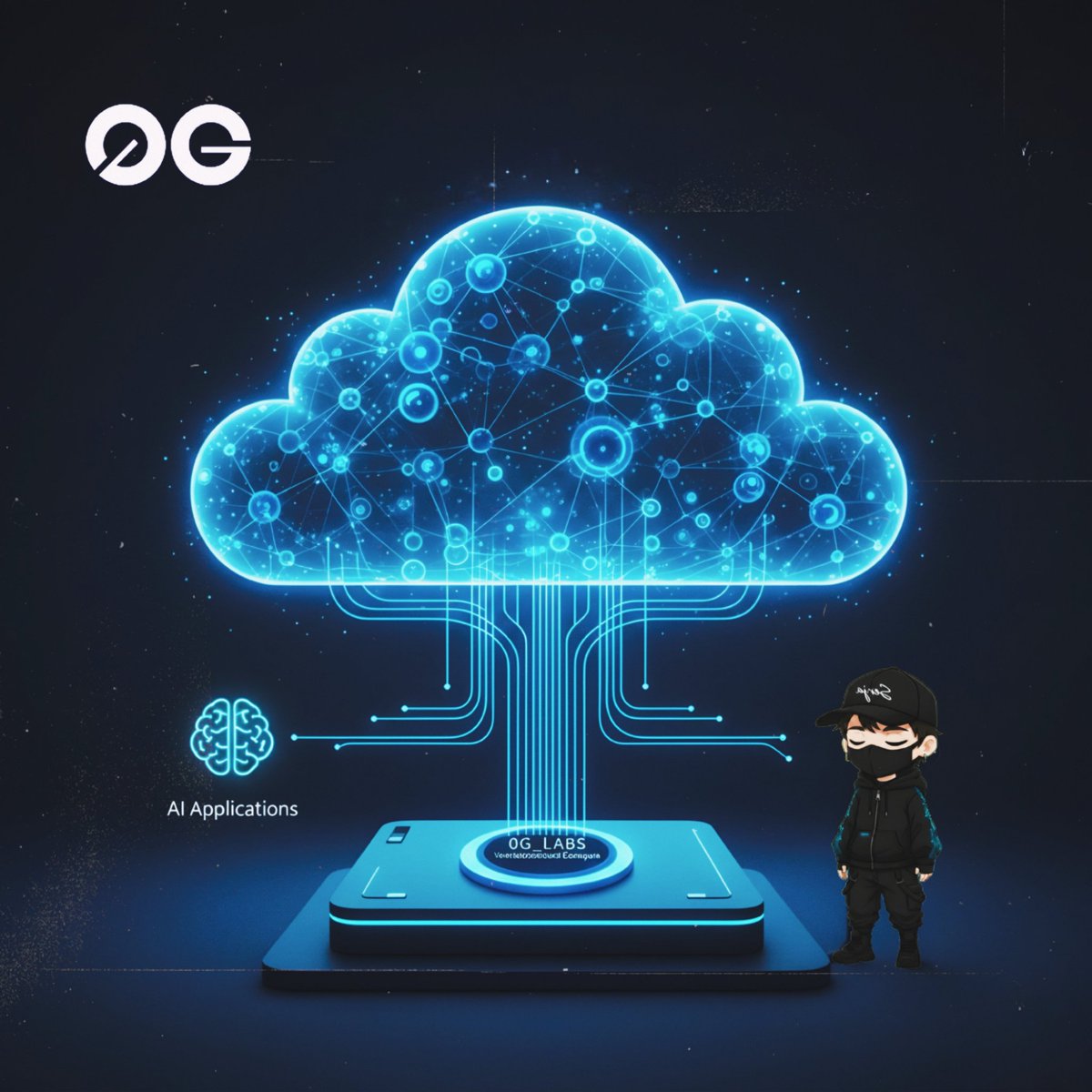
That’s why @0G_labs is building an AI-native Layer 1 from the ground up. 0G makes intelligence a base layer element where data layers is optimized for AI-scale throughput, coordinated decentralized inference, verifiable outputs on-chain, and autonomous agents that can act without gatekeepers.
It’s not about smarter apps. It’s not another token narrative.
It’s about a world where intelligence itself becomes open infrastructure. AI is redefining coordination.
0G Labs is building the protocol for that.
@YehoshuaZion True, Customer data needs a stricter lane than public training clips. Public overviews of the whitepaper describe network public data and customer private data as separate buckets.
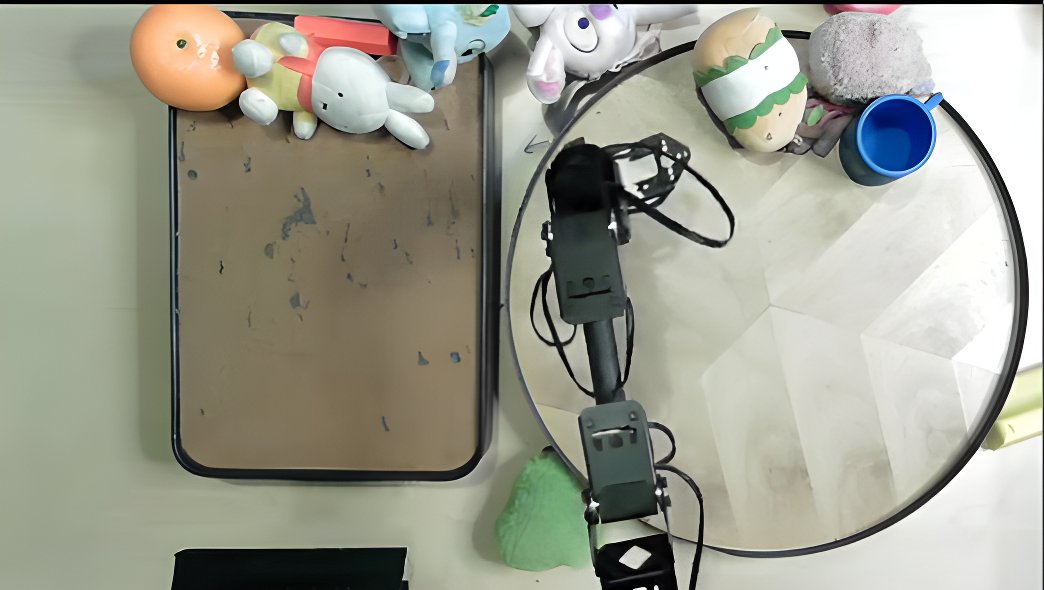
TELEOP is simple on paper, but control data is sensitive. A small leak can expose hand moves, camera views, and customer sites. The protection needs to cover live streams and stored logs. A16Z crypto backing puts extra pressure on getting security right.
Public notes around the stack mention WebRTC for live video plus gRPC for commands. So @PrismaXai starts from encrypted pipes, not open traffic. WebRTC encrypts audio, video, and data by default using DTLS and SRTP. gRPC rides over TLS, so command packets stay private on the wire.
Encryption in transit blocks eavesdropping on operator inputs. Authentication blocks fake clients from sending robot commands. Integrity checks block silent edits in logs and scores. Access control blocks unapproved reads of private datasets.
-> DTLS handshake for session keys
-> SRTP media encryption
-> DTLS SCTP for data channels
-> TLS for gRPC calls
-> Mutual TLS for client identity
-> Short lived access tokens
-> Per session key rotation
-> Signed command frames
-> Hash based log sealing
-> Audit trails for reads
WebRTC uses DTLS to agree on keys without sharing secrets in plain text. SRTP then encrypts every media packet so interceptors get junk. Data channels also run inside DTLS, so joystick events and button presses stay protected. This covers the hardest part, real time video plus real time control.
gRPC is built for structured commands, and TLS adds encryption plus server identity. Mutual TLS can also prove the client is approved, without passwords flying around. With certificate pinning, a man in the middle gets blocked even on hostile WiFi. For robots, this means move commands and state updates travel in a locked tunnel.
Stream encryption protects motion, but logs need tamper resistance too. A clean method is hashing each chunk and signing the final digest with a private key. Any later edit breaks the hash chain, so audits catch it fast. This also enables small receipts onchain, while big files stay offchain.
Customer data needs a stricter lane than public training clips. Public overviews of the whitepaper describe network public data and customer private data as separate buckets. Private data can stay encrypted at rest, with keys shared only to paid buyers. Owners still get credit, while customers keep control over who can see raw footage.
Zero knowledge helps when validation is needed and raw data must stay hidden. A proof can show a rule was followed, while hiding the operator inputs and video. This fits scoring and compliance, where third parties need trust without seeing customer scenes. Public material does not spell out deployed ZK circuits today, so treat ZK as an upgrade path.
-> ZK proof of operator eligibility
-> ZK proof of stake locked during session
-> ZK proof of score range without raw video
-> ZK proof of no duplicate upload via hash commitments
-> ZK proof of dataset access payment
-> ZK proof of redaction done before release
-> ZK proof of model run on approved data
-> ZK proof of timestamp order for logs
-> ZK proof of policy checks in a TEE
-> ZK proof of command rate limits
Putting it together, the baseline is encrypted transport plus strong identity checks. Then add signed logs so rewards and disputes rely on math, not trust. Private datasets stay private through encryption at rest and narrow key sharing. Operators keep control over personal traces, and customers keep control over sensitive environments.
TELEOP can scale only when privacy and integrity are built in from day one. Crypto is not a gimmick here, it is the lock on the control room door. The clearest protections are DTLS SRTP for streams, TLS for commands, plus signed hashes for logs. Add ZK proofs when audits need privacy, and the platform stays usable without leaks.
Sipping my morning chai on the balcony as Rawalpindi wakes up in that gorgeous golden light man,
this little ritual just hits different and gets my mind racing with ideas. Loving this fresh OG Labs and Permacast duo!
OG Labs crushes it with stateless client verification,
letting DeAI nodes prove their math without dragging around heavy state data super cheap, totally verifiable, and crazy fast.
Permacast makes playlists come alive on Arweave,
smartly blending episodes to your vibe and updating daily into feeds that feel like they were made just for you.
@Magicat_Wiz My entry @Magicat_Wiz
CLroP9KSfCJ3sabskrmRVhxKBajDGqUfrSDUmAcHs1tL
Some projects wait for the market.
$WIZ creates its own dimension. 🌀🔥
Don’t fade the portal.
#MagiCat#WIZ
Just earned 0.34 Quacks
Still bullish, still building.
Progress isn’t always loud but consistency compounds.
Getting meaningful work done on @idos_network, focusing on long term value and real infrastructure. Step by step.
⚠️These are not official numbers, these are typical economic models used by many Web3 growth protocols.
Basic Assumptions of the Points System
Activity Base Point
Active trading 100 points/day
LP liquidity 80 points/day
Engagement 20 points/day
Total normal user = 200 points/day
Early User Multiplier (OAT)
We use a conservative simulation:
Early User OAT Multiplier = x5
(@dango even said "several times": it could be more)
30-Day Simulation
- Early User (with OAT)
200 points/day × 5 = 1,000 points/day
30 days = 30,000 points
- Late User (without OAT)
200 points/day × 1 = 200 points/day
30 days = 6,000 points
Early adopters = 5x bigger
And this gets even more brutal over time.
After 3 Months (90 days)
- Early : 1,000 × 90 = 90,000 points
- Late : 200 × 90 = 18,000 points
Difference = 72,000 points
Why This Is So Important When Rewards/Tokens Arrive ?
Usually :
Points = token conversion
Tokens = airdrop / allocation / fee share
If the reward pool remains fixed: Early users take the largest portion of the initial supply.
Reward Distribution Simulation (example)
For example, the reward pool is 1,000,000 tokens.
We Increase the Reality of User Counts
Typical Web3 patterns :
- Early users = few (e.g., 1,000 people)
- Late users = many (e.g., 10,000 people)
Total ecosystem points :
- Early users (collectively) : 900,000 points
- Late users (collectively) : 600,000 points
Total = 1,500,000 points
- Early share : 900,000 / 1.5M = 60% supply = 600,000 Token ÷ 1,000 user
= 600 token per person.
- Late share: 40% = 400,000 Token ÷ 10,000 user = 40 token per person.
Strategic Significance
Early OAT is not a display NFT.
It is :
- Supply advantage
- Compounding position
- Power law reward
Exactly like entering phase 0 of liquidity mining.
The Bottom Line : Why Ventures Who Enter First Always Win,
Because rewards are based on contribution and timing.
Those who arrive first :
- Get a multiplier
- Accumulate points longer
- Compete with fewer people
Those who arrive later :
- No boost
- Enter when the crowd is large
Early adopters are not only faster, but also mathematically more dominant.
Despite the hard work involved,
the structure still favors the early stages.
- Early user = venture-style entry
- Late user = retail-style entry
Different phases = different outcomes.
Gdango
@dango
Data is heavy. AI is heavier. @0G_labs makes them weightless with GPU-Accelerated Erasure Coding.
Traditional DA layers (Celestia, EigenDA) use CPUs for Erasure Coding, splitting data into redundant shards for safety.
But for AI-scale datasets, the CPU becomes a massive bottleneck.
0G Labs is the first to move this heavy math to the GPU, unlocking:
⚡️ The 50GB/s Engine: By parallelizing the creation of 300+ erasure-coded blocks from every 32MB chunk, 0G Labs achieves a 1000x speed leap over legacy designs.
⚡️ Fractal Resilience: Data is fragmented into tiny pieces spread across the network. Even if nodes go offline, the full dataset is reconstructed instantly from a fraction of shards.
⚡️ Proof of Random Access (PoRA): Erasure coding enables 0G’s unique mining model, where nodes prove they are actually holding these shards in real-time.
It’s not just storage; it’s a high-performance Data Pipeline for the AI Century.
While others are sharding transactions, 0G Labs is sharding the world's intelligence. 🧠💥
______
$DGAI is the first protocol to move from "Trust-Me" AI to Mathematically Enforced Integrity.
The Proof of Quality (PoQ) slashing mechanism isn't just a penalty, it’s a Byzantine Fault Tolerant (BFT) solution for LLM inference.
🧠 The Technical Alpha👇:
✅ The Cost of Dishonesty: DGrid_AI nodes are bound by a Reward Function where R = \alpha \cdot Q - \beta \cdot C. If a node attempts a Model-Equivalence Attack (serving 70B requests with 7B weights), the PoQ entropy delta triggers an immediate stake liquidation via the AI DA Billing Contracts.
✅ Economic Finality: By integrating the x402 protocol, $DGAI achieves micro-settlement finality. High-aura nodes aren't just "fast", they are high-alignment operators capturing the Bounded Efficiency Bonus.
✅ The Slashing Paradox: We don't need "honest" nodes; we need nodes that are economically incapable of lying. Decentralized AI isn't a promise, it's an equilibrium.
Verify the output. Stake the future.😎
“@0G_labs is a decentralized AI platform that records all actions on the blockchain for public verification. By sharing control with the community instead of a single authority, it promotes transparency, reduces bias, and builds trust in how the system operates