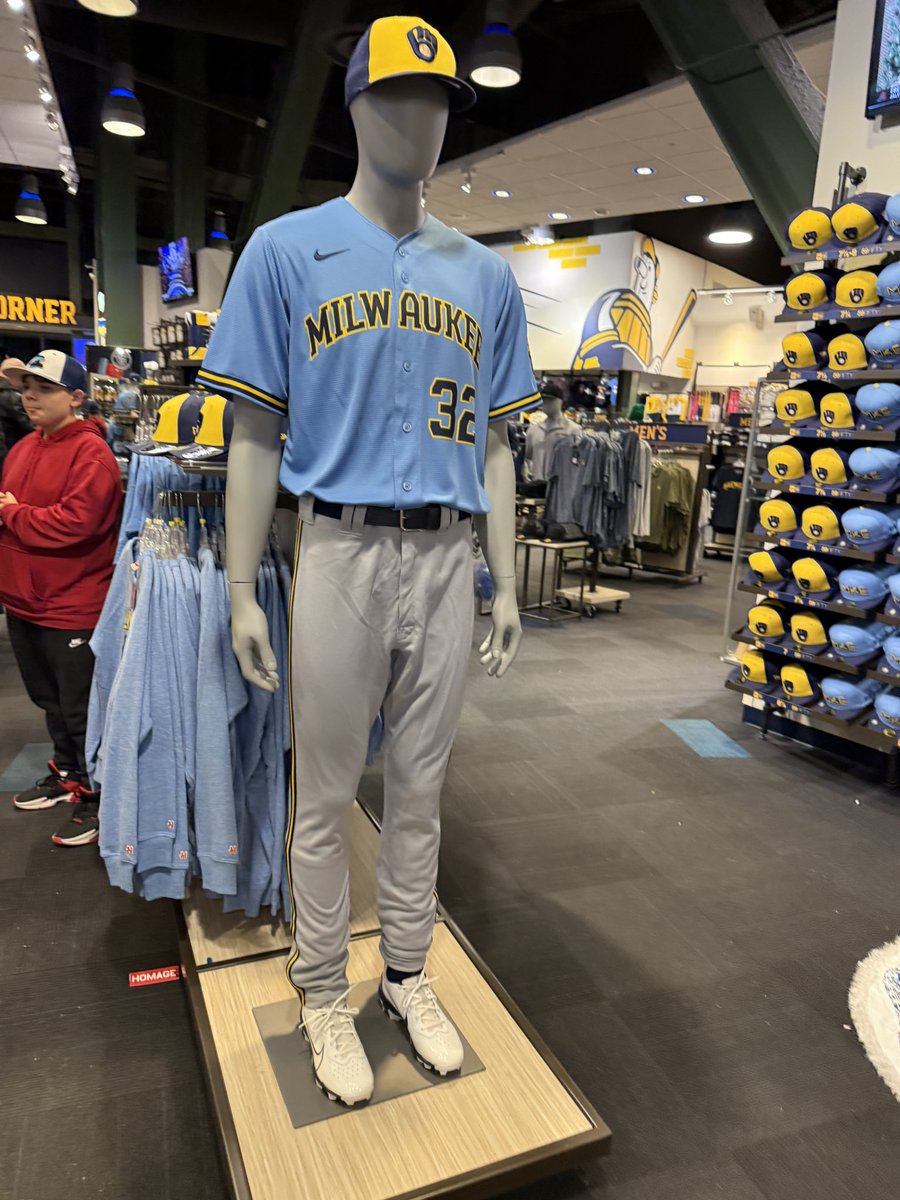
The @Brewers tonight:
Batting: scored 20+ runs
Pitching: tossed a 10+ K shutout
Fielding: played errorless baseball
It's the first time in MLB history a team has done all 3 in the same game.
Jacob Misiorowski over his last 8 starts:
7-0
0.17 ERA
.105 AVG
0.52 WHIP
7 quality starts
1 CG
54.1 IP
19 hits
2 runs/1 earned
9 BB
80 K
No, this is not made up.
#ThisIsMyCrew
TLDR: this graphic ignores a shit ton of stuff teams spend money on. If you want to talk about the economics of the sport, read on and reply below. Let's talk. Otherwise, keep scrolling. This content is not for everyone. TBH I hate that I even am posting this but I'm so tired of these lazy conversations.
It would be prudent for most fans to stop using the payroll as a percentage of revenue chart as the end all be all of baseball spending. It fails to account for key expenditures like fixed costs, rent, real estate, mixed use operations, and more.
Let's imagine you and I both own franchises. We have identical front office staffs, leases, and stadium upkeep expenses. If you make double the revenue I do, those costs are incurred at a 50% lower rate. What cost me 20% only costs you 10%. That's just basic understanding of running a business. More revenue always yields increased profitability as long as costs stay the same.
Now let's imagine now that your team is owned by a sole proprietor. That person may have used cash to buy their franchise, but more often than not there is a financing aspect of the transaction. Just because they are worth a billion dollars doesn't mean they have $1B in the bank. It means they have it in assets, and as such, banks will loan them money to do things like purchase a baseball team. If a billionaire buys a baseball team with any form of credit they need that team to generate an annual return on investment so that they can service their financial obligations. That's a reality for many franchises that gets ignored in these conversations. Sure, they could take a loan against their team valuation, but incurring more debt to service existing debt is rarely prudent.
On the other hand, let's imagine that your team is owned by a huge investment firm with a valuation over $300B. When that investment firm buys a baseball team they're not looking at it as a business. They're looking at what kind of return on their money they can get as the team itself increases in value over time. They shell out $10B in cash and it hardly makes a dent in the P&L. The team is basically like a stock; they just have to sit and wait for their money to grow. Those situations are managed differently. It would be like buying a plot of land and then waiting 20 years for a developer to want it. They can take a lower operational return annually or even a loss because the team is the investment.
The fact is simple: the Dodgers operate in a different financial stratosphere for a few reasons. Yeah, their TV deal is the best in the game. They also haven't had to finance any obligations related to stadium construction. The Rangers, for example, had to finance $600M to build their new ballpark in a joint effort with the city of Arlington. Truist Park cost the Braves $372M, but they also privately financed The Battery for $550M. Sure those are assets on the books, but in the short-term they are debts that need cash flow to be serviced.
The Dodgers have the financial power at the ownership level to not care if they make money each year. It's like Amazon, who didn't turn a profit for 14 years. They continually reinvested into the business until they became a behemoth that couldn't be stopped. To be very clear, any fan base would be lucky to have that financial situation at the ownership level. Who doesn't want to root for a super team that dominates the sport?
But all franchises are not created equally, and simply saying all the other owners should do better ignores basic economics. Yes, there are some that could and should reinvest in their team at a greater level, but we've got to stop painting in black and white when we have these conversations.