@Cernovich A huge, huge problem the online 'right' has is that it's absolutely riddled with bots, engagement farmers and what I'm fairly certain is trolls, or worst subversives, clogging up dialogue. Look at your replies here, how many are real genuine people? https://t.co/pRh2SMbnPU
Tonight's harvest moon, the first full moon after the autumnal equinox, has a special history. This is what Sir Gawain and the Green Knight calls the 'Michaelmas moon', and in the old Anglo-Saxon calendar it was the herald of winter.
https://t.co/DdyeO5MGCW
The Old English word for equinox is 'emniht', from 'efen' and 'niht', when night and day are evenly balanced. Today is the 'hærfestlice emniht', autumnal equinox; after this (says Byrhtferth of Ramsey) 'langað seo niht and wanað se dæg', 'the night lengthens and the day wanes'.
On 21 September 1937: J.R.R. Tolkien's The Hobbit was published.
The book tells of a hobbit, Bilbo Baggins, and his journey with thirteen dwarves to recover their treasure from a dragon, Smaug. It's sold over 100 million copies and is one of the best-selling books of all time.
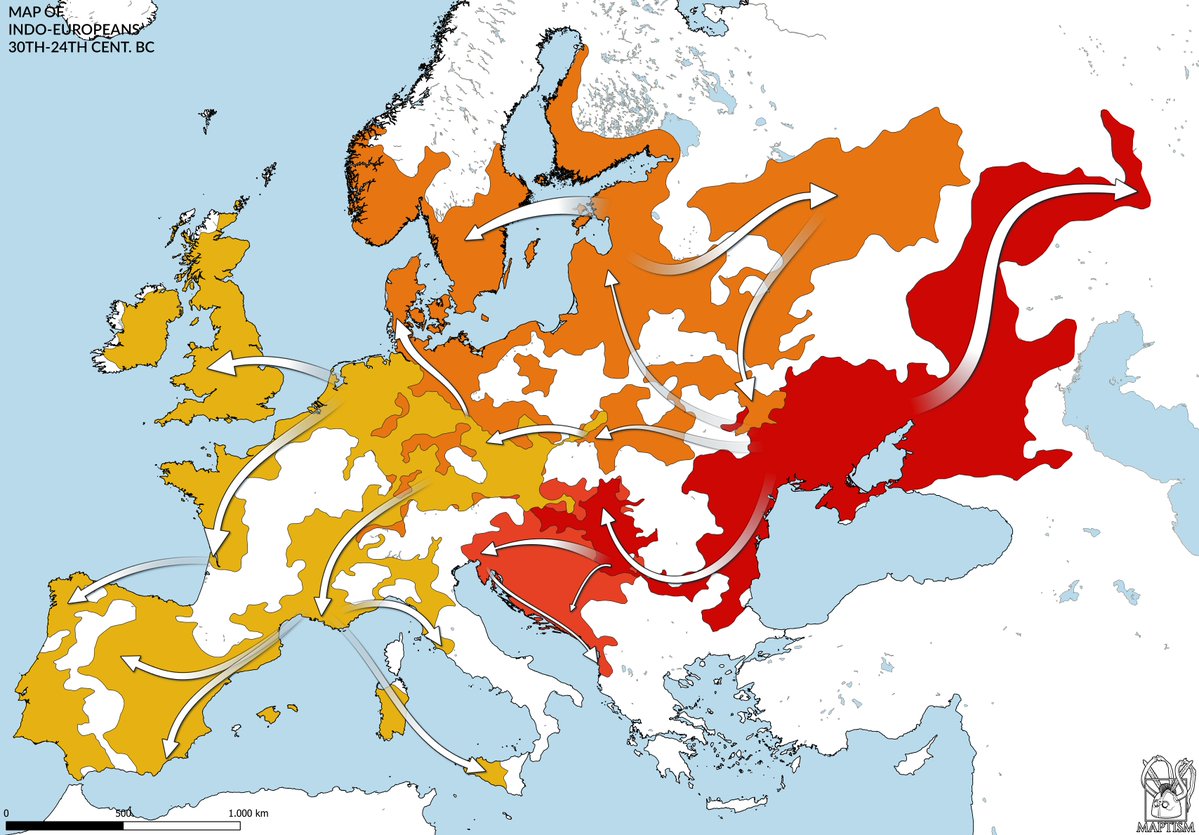
The founders of Europe
A Simplified map of the 4 primary Indo-european cutures of the Chalcolithic on one map: Yamnaya, Corded Ware, Bell Beaker and Vucedol.
These 4 Cultures are responsible for all modern speakers of Indo-European languages.
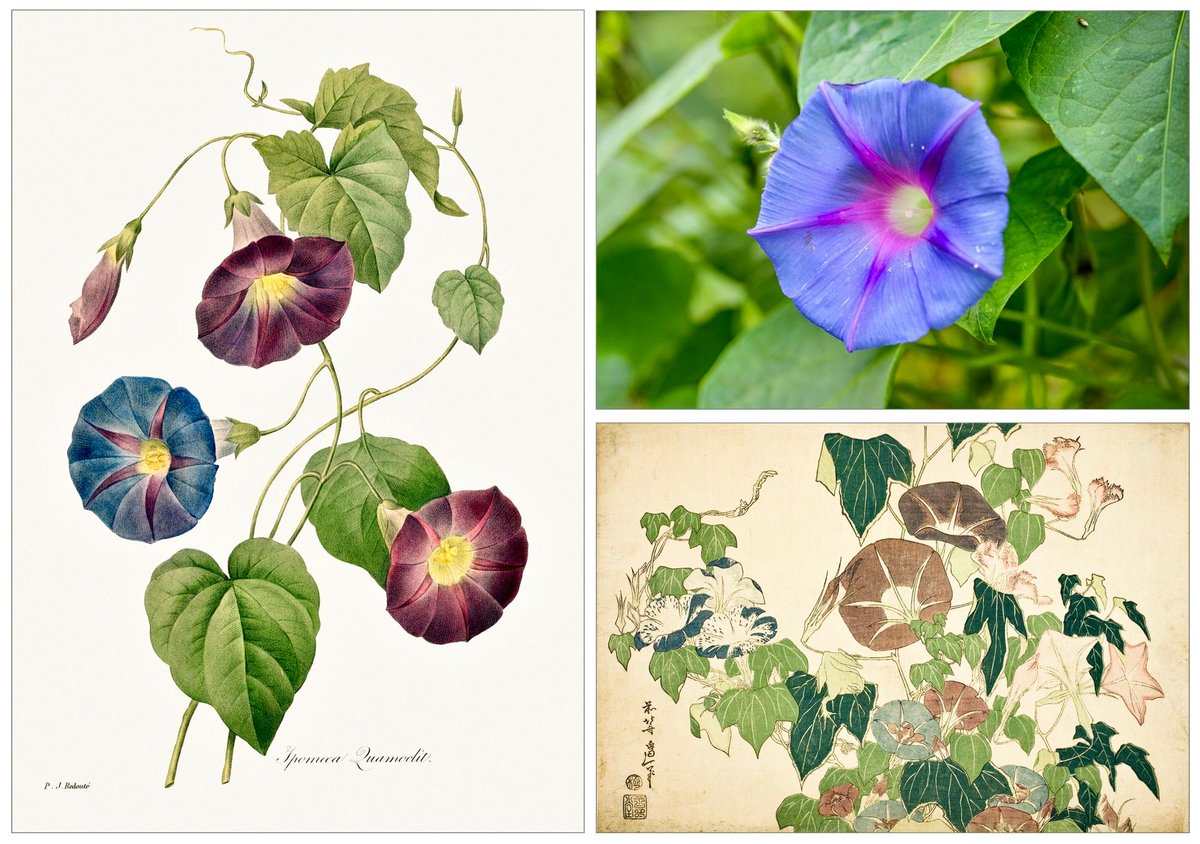
The morning glory, Ipomoea tricolor, is the second birth flower of September. In old England it was known as “life of man” for its flowers are in bud in the morning, open by noon and wither by evening. In the Victorian language of flowers it is an emblem of affection. #folklore
St Edward’s Church, Stow-on-the-Wold, with its Yew Tree guardians
Tolkien was a regular visitor in the area, and the doors bear an uncanny resemblance to similar in Lord of the Rings, the Doors of Durin
Not published yet, but data is available.
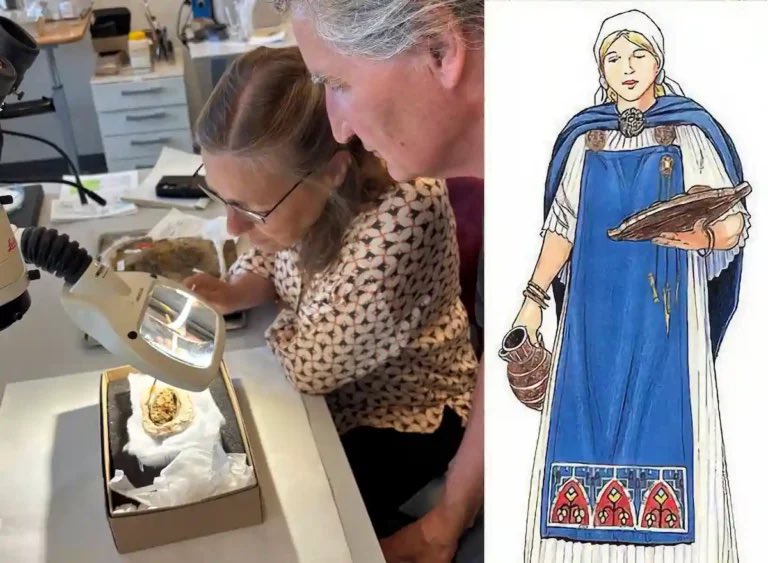
339 early medieval genomes from the North Sea region, including 96 newly reported from East Anglia.
"Continental Connections Transformed the Genetics and Appearance of Early Medieval England"
https://t.co/R9zn9WKaqO
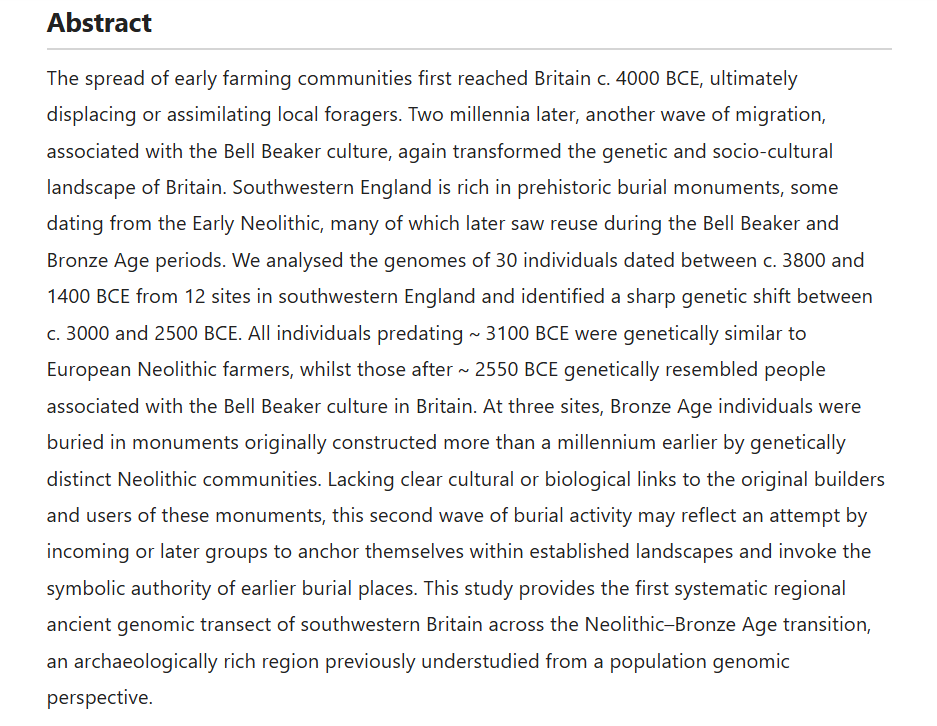
Genomes of 30 individuals dated between c. 3800 and 1400 BCE from 12 sites in southwestern England and identified a sharp genetic shift between c. 3000 and 2500 BCE. All individuals predating ~ 3100 BCE were genetically similar to European Neolithic farmers, whilst those after ~ 2550 BCE genetically resembled people associated with the Bell Beaker culture in Britain.
"Diachronic reuse of Neolithic burial monuments by Bronze Age newcomers in Southwestern Britain"
https://t.co/MM2bpwm8sL
Falconry was a key status symbol in medieval aristocratic culture, and noblewomen participated as skilled handlers and owners of birds. Historical art, literature, and records frequently depict women practising the sport. Carrying a falcon signified social rank, wealth, and power
24 August is the feast of St Bartholomew, 'Bartlemy's Day'. As a late-summer holiday, it's traditionally been the time for many interesting calendar customs, including 'Bartlefairs', honey-blessing, wayzgoose feasts, and the Sandwich Bartlemas Bun Run... https://t.co/0xaXM81Z6g
A woman and girl walk through a honeycomb of stone walls to get water from a pump, Inishmaan, the Aran Islands, 1971
Photo by Winfield Parks for National Geographic
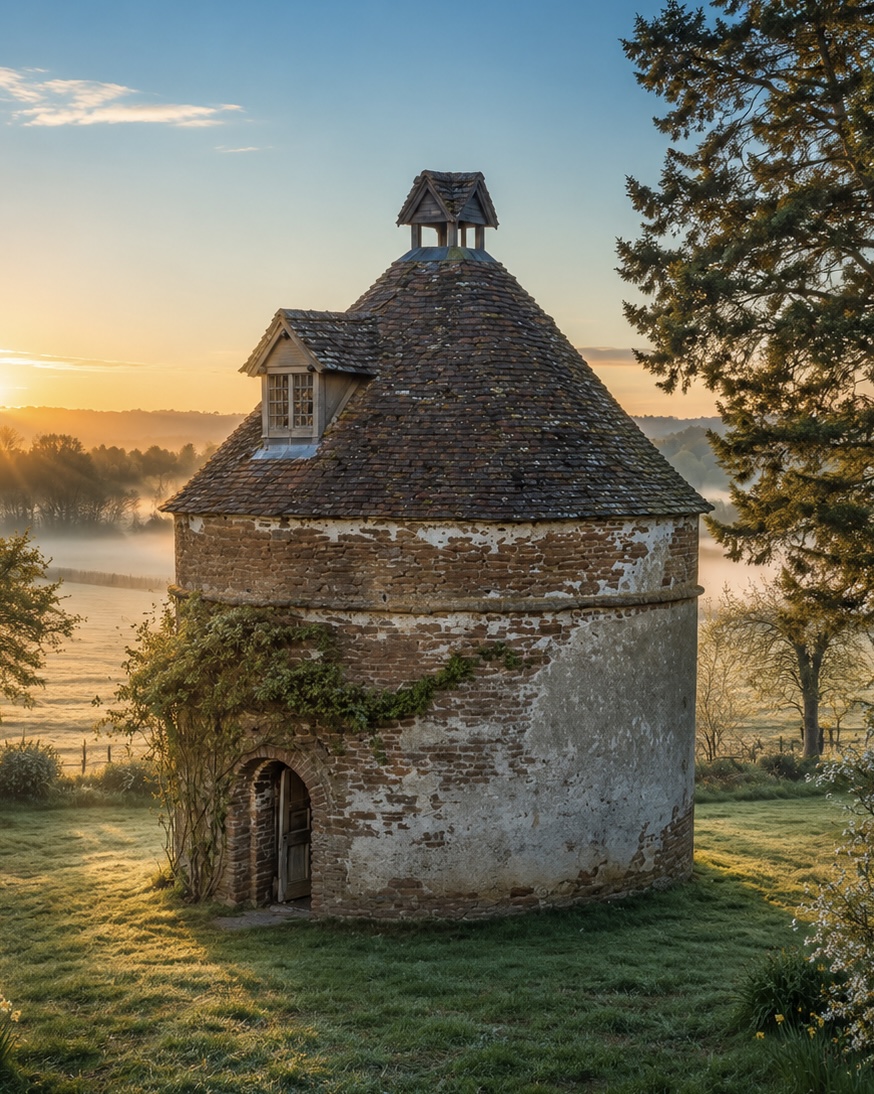
Scattered across England are curious little buildings left behind by a largely forgotten part of country life.
Dovecotes were built to house pigeons, sometimes on an extraordinary scale.
They are mentioned in the Domesday Book of 1086, and became particularly associated with manor houses, monasteries and wealthy estates.
An average dovecote could contain around 2,000 pigeons, with some housing considerably more.
The birds made the dovecote a kind of living larder, providing fresh meat and eggs, while their manure was valuable as fertiliser.
By the middle of the 17th century, England had more than 25,000 dovecotes, and Historic England estimates that around 1,500 still survive today.
Many have long since lost their pigeons, but their distinctive little towers can still be found beside old farms and manor houses across the English countryside.
Beautiful survivors from old rural England.
Have you ever spotted one?
📷: Dovecote in Kyre, Worcestershire.
Follow @oaksandlions for more of England’s history, heritage and culture.
River blockades were a common defensive measure in the Middle Ages.
Heavy iron chains would be stretched across the river, supported by logs or similar obstacles.
Guarded from the shore, this system allowed friendly vessels to pass. This could also be used to collect tolls.
Spriggans are wizened, troll-like figures who guard riches hidden in the crevices & caves of Cornwall. Although they seem at first quite small, they can grow suddenly to incredible sizes, which has led to speculation that they might be the ghosts of giants.
In addition to pixies and spriggans, Cornwall, in South West England, has some of the richest & strangest folklore in the world, including: a tradition that Arthur did not die but became a raven; the ghost of a drowned lady with a rose in her mouth; jeweled drinking-horns; the mysterious ringing of silver bells; a house and garden where the sun never shone; a phantom mist that brings odd lights and eerie hooping.
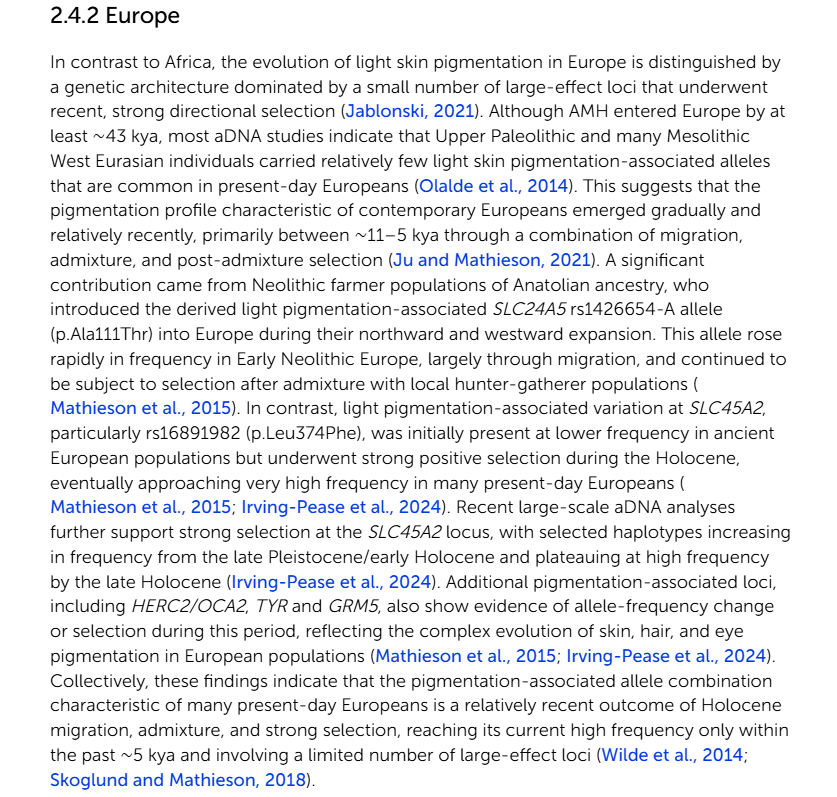
The evolution of light skin pigmentation in Europe is distinguished by a genetic architecture dominated by a small number of large-effect loci that underwent recent, strong directional selection (Jablonski, 2021). Although AMH entered Europe by at least ∼43 kya, most aDNA studies indicate that Upper Paleolithic and many Mesolithic West Eurasian individuals carried relatively few light skin pigmentation-associated alleles that are common in present-day Europeans (Olalde et al., 2014).