Independent press founded 2007 by @TinaMcElroyAnsa, MEETING AT THE TABLE: African-American Women Write on Race, Culture and Community, 2020. @SIWR2022_.org
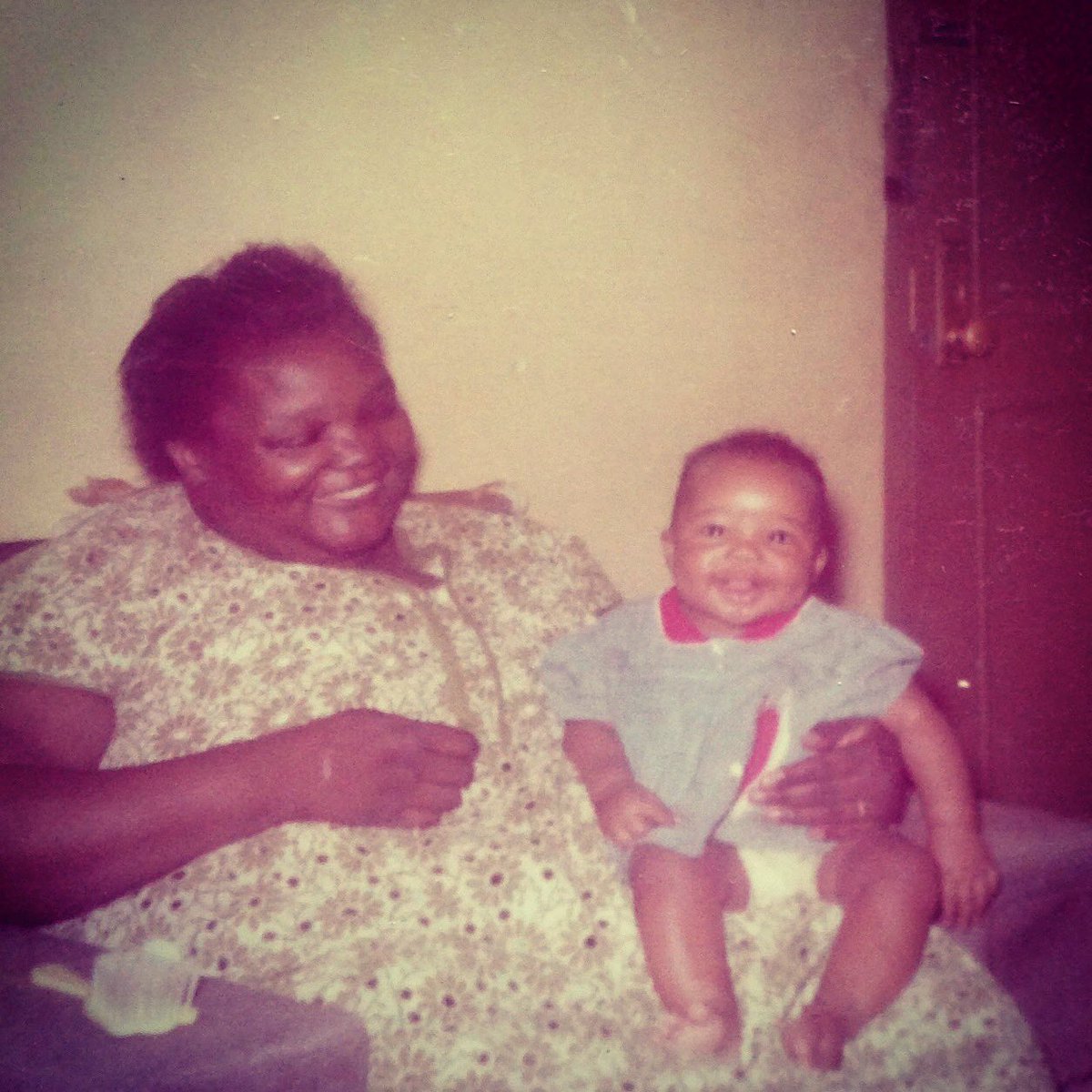
Not only have I met her AND her mother, my Madea helped raise even my (2) kids born in ‘84 & 87. I had her in my life for 29 glorious years and she taught me everything she knew. I am the woman I am today because of Jessie Mary Brantley,Ibae affectionately known as Madea.
The Littles have no care that they are running rings around my 60 yr old self. I pray to continue to have youthful energy, because they love me down. I'm tryna say yes to all of the things except too much sugar and unsafe play.
NEW: Harris will propose providing up to $25K in down payment support for 1st time homeowners, with more generous support for 1st generation homeowners, according to campaign official
She'll announce tomorrow in NC, along w/ her plan to ban corporate price-gouging on groceries
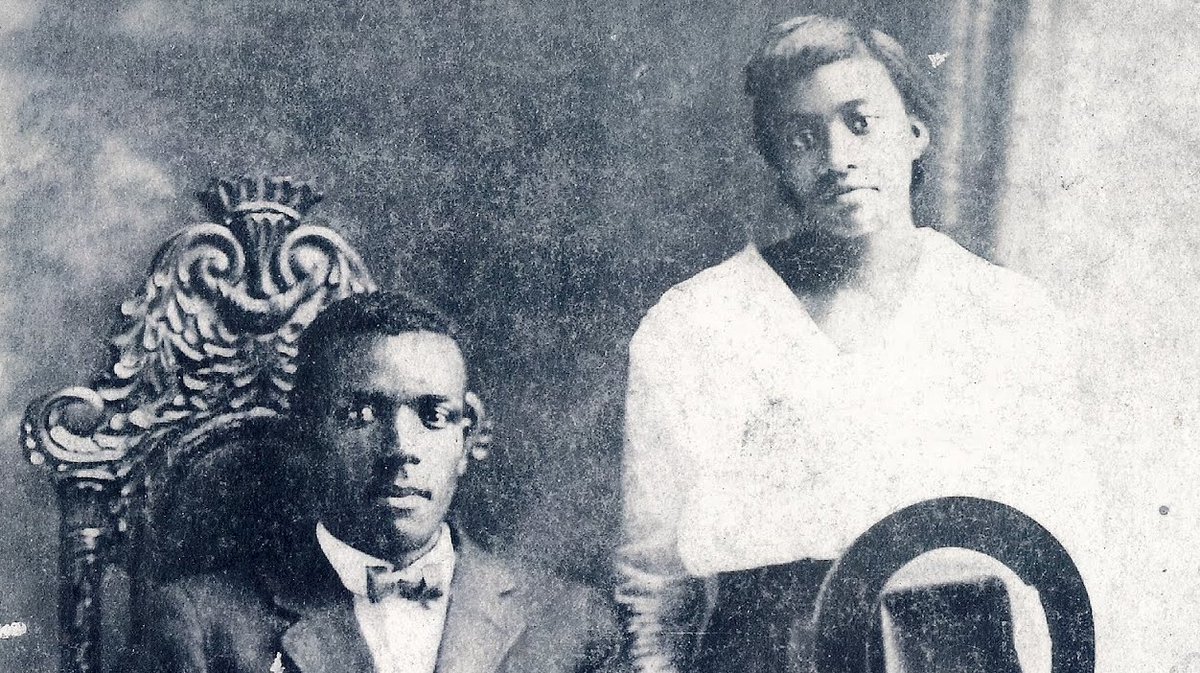
#OnThisDay in 1955, Lamar Smith, a World War I veteran who organized Black Americans to vote, was shot dead in broad daylight on the courthouse lawn in Brookhaven, Mississippi. Dozens of people watched but denied being able to identify his killer. NAACP leader Medgar Evers investigated the assassination.
The 63-year-old Smith was a member of the Regional Council of Negro Leadership, a civil rights organization started by Dr. T.R.M. Howard, which held gatherings of more than 10,000 in the Mississippi Delta. The organization pledged an “all-out fight for unrestricted voting rights.”
Smith took the message to heart. He voted in the Aug. 2, 1955, primary and helped others get out the vote. On Aug. 13, he was helping other Black voters get to the polls to vote absentee, so they could vote without becoming victims of violence.
Authorities arrested three white men – Noah Smith, Mack Smith and Charles Falvey – in connection with Smith’s assassination, but an all-white grand jury refused to indict, despite the fact the sheriff saw Noah Smith covered in blood at the scene. The trio have since died.
Lamar Smith is among the 40 martyrs listed on the Civil Rights Memorial in Montgomery, Alabama. He is also listed on the memorial at the National Memorial for Peace and Justice in Montgomery.
https://t.co/CaNQzZHAm0
"We don’t have anything to be ashamed of. All we have to do is trust God and launch out into the deep. You can pray until you faint, but if you don’t get up and try to do something, God is not going to put it in your lap.” - Fannie Lou Hamer (1917-1977) Activist and humanitarian
The second Film Festival Series for the Historic Harrington School 100 Years Celebration is a wrap!! And a success! Thanks to all who came. All who supported us!
Next one Oct. 26! Same Geechee Time ! Same Geechee Place!
https://t.co/3EeJF3Eaia
The 2nd film festival in our series to celebrate @HistoricHarringtonSchool 100 Years is this Saturday. Join us for classic and new films, including local subjects Miss Bessie Jones, the Sea Island Singers, Dizzy Gillespie. Free popcorn! Donations appreciated.
#OnThisDay in 1964, Unita Blackwell became the Issaquena County delegate for the Mississippi Freedom Democratic Party, which fought to replace Mississippi’s all-white delegation at the 1964 Democratic National Convention.
“We had no idea that we were changing the whole political future of America,” she said. “We were going because we didn’t have shoes for our children and decent houses to stay in and just the everyday life that we wanted.”
Born during the Depression in the impoverished Mississippi Delta, her parents were sharecroppers, and they searched across the South for jobs that would pay them enough to feed them. When Freedom Summer came, she joined the civil rights movement and became a field secretary for SNCC. She was one of only eight Black Mississippians who tried to register to vote in Mayersville — only to get turned away.
“Because we didn’t have nothing,” she told the “Eyes on the Prize” documentary, “we couldn’t lose nothing. But we wanted something for ourselves and for our children. And so we took a chance with our lives.”
After she and her husband, Jeremiah, attempted to register to vote, they were fired from their plantation jobs, and the Ku Klux Klan tossed Molotov cocktails at her home.
In 1965, she filed litigation challenging the suspension of 300 students, including her son, Jerry, for wearing SNCC’s “Freedom” pins. The U.S. Supreme Court upheld her case, in which also called for school desegregation. In 1976, she was elected mayor of Mayersville — the first African-American woman to serve as a mayor in Mississippi’s history. Within a few years, the town boasted paved streets, a sewer system and streetlights.
In 1990, she was elected president of the National Conference of Black Mayors. Two years later, she received a MacArthur “genius” grant for her creative work as mayor. In 2006, she published her memoir, “Barefootin’: Life Lessons on the Road to Freedom.” A decade later, the state honored her with a Mississippi Freedom Trail marker.
https://t.co/KTaeJ3832m
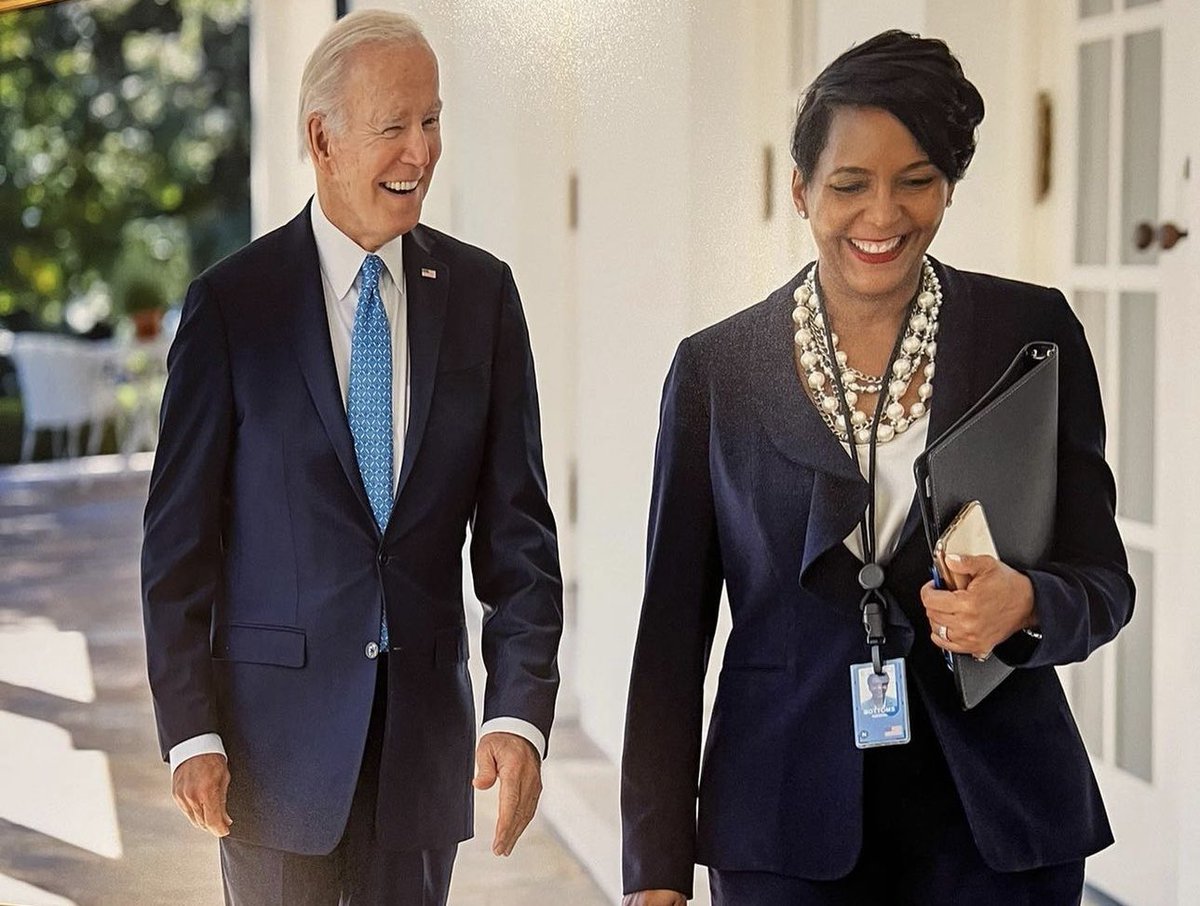
Thank you Mr. President.
“In no other country could a kid with a stutter grow up to sit in the Oval Office.” ~President Joseph R. Biden
@POTUS@WhitHouse