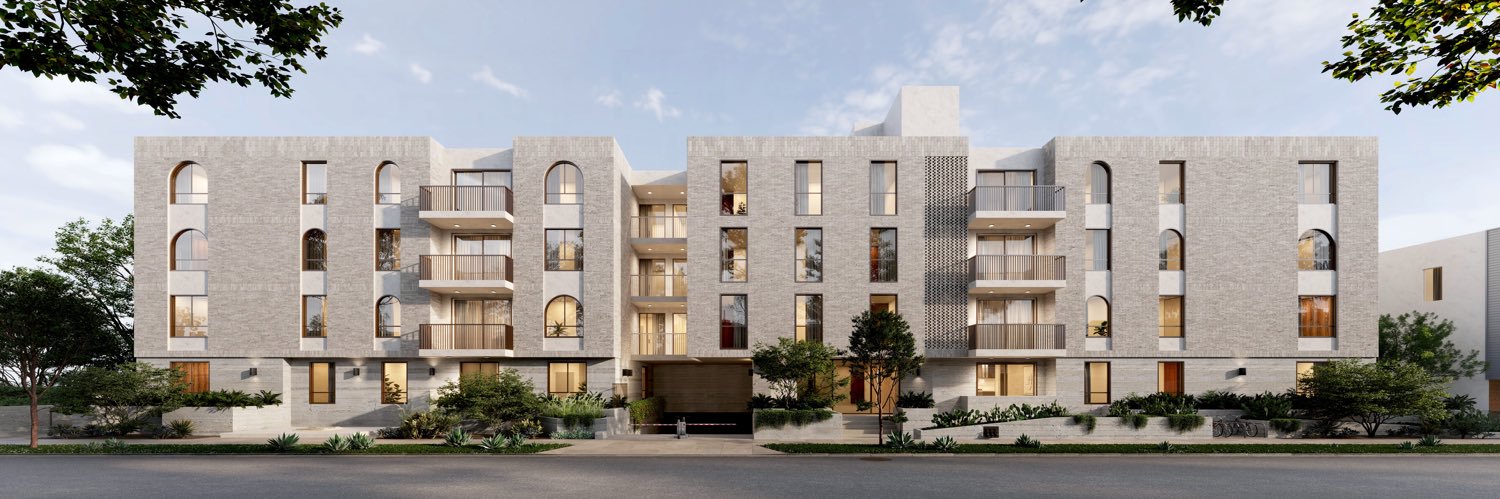
A lot of developer friends ask how we design and build beautiful buildings with budgets that beat far less attractive projects.
There are many levers.
But most deals quietly die in one place:
Structure.
Here are some pro tips, particularly for multifamily podium design:
Column grid
Keep it tight: 24–28 ft max.
Go wider and you trigger thicker PT slabs, drop panels, punching shear steel, and endless MEP conflicts. The last one might be the most painful, but the first two are the most expensive.
Load path
Never shift columns between floors.
Transfers = heavier structure, more rebar, slower schedules, real money burned. Don’t approve a schematic design layout before this is flushed out.
Slabs & soils
Bad soils force thicker slabs, mats, piles. Foundation costs can jump 2–3×. Choose sites carefully. Get good soils. Expansive soils? We’re out.
MEPs
Stack wet walls. Have dedicated plumbing walls with no structural value. Lock sleeves early. Another killer: Bathrooms over columns or even electrical rooms. Late MEP coordination are how “on-budget” jobs blow up in the field.
Shear & hold-downs
Maintain continuous exterior wall zones (~12–16”) from podium to roof.
Clean load paths = less steel, simpler inspections, better seismic performance.
Wood framing
Align shear walls with column grids.
Misalignment adds transfer forces and structural weight you don’t get paid for. Again, don’t even go past schematic phase until this is sorted out. Only exception. Facade area.
Cost effective constructions isn’t about cheap finishes. They’re about disciplined structure, driven by architectural design logic. Get this right, you’re half way there. Get it wrong, no amount of value engineering will save you.
Important for California. (And a request for readers to repost in order to provide the greatest exposure.)
Everyone who develops in California is well aware that California utility companies have abdicated their responsibility to provide electrical power to new housing projects and commercial projects in a timely fashion.
California utility companies are no longer in the category of dysfunctional. They have become non-functional.
Project openings have been delayed 2-3 years in many cases with completed units but no power. ADU's in Los Angeles wait 18 mos for electrical power. And things are getting worse, not better
Much needed housing is delayed. Commercial projects that provide employment are delayed
Worse still is the fact that investors are now well aware of the problem, have seen its impact on recent projects they invested in and have therefore made the astute but unfortunate decision to not invest.
A working group has been assembled to address the problem with the goal of passing state legislation in 2027. Legislators in Sacramento are well aware of the issue, are beyond frustrated and understand the need for a legislative fix with real teeth.
In this regard we are looking to amass a data base of utility company "horror stories" where projects suffered delays and additional costs as the result.
This link is to the Housing Action Coalition website and a short survey. I'd ask that developers and general contractors who have projects that have been negatively impacted by utility company performance to fill it out. The information will be assembled into a database so that legislators in Sacramento can all understand the true magnitude of the problem. Thank you.
https://t.co/Yg5UVfdtTe
The protracted collapse in enrollment in Los Angeles Unified School District is so profound that schools are now less than half full
Capacity utliization is 49.1%; of the district’s 738 host schools, 481 operate at or below 60% capacity
... but staffing keeps increasing
What once was the peak, is now just the beginning.
Paramount and Warner Bros. shaped over a century of culture. By combining them, we aren't rewriting history — we're equipping these iconic studios with a more powerful engine. Together, we are Skydance: a creative-first home for bold, quality storytelling.
We chose this name for a few important reasons. First and foremost, as we bring Paramount and Warner Bros. together, we wanted to preserve what has made each of these studios iconic. Both have distinct identities, extraordinary legacies and brands that have resonated with audiences for generations. We never wanted a new corporate identity to diminish, alter or overshadow either one. Instead, we wanted a name that would give the combined company an identity of its own while allowing Paramount and Warner Bros. — and all our extraordinary brands — to remain in the spotlight.
We have big goals for Skydance, and we intend to pursue them with passion, imagination and a willingness to take smart risks. At the same time, we will honor what makes Paramount and Warner Bros. special — giving both studios the opportunity to grow, tell more great stories and bring those stories to even broader audiences around the world, powered by the scale and capabilities of Skydance.
I couldn’t be more excited about what we’re going to build together.
@BigDemoPrez As they say it’s like eating glass sometimes, but you’ve proven you can take it. Congrats, and may you outdo even your own projections in the years to come.
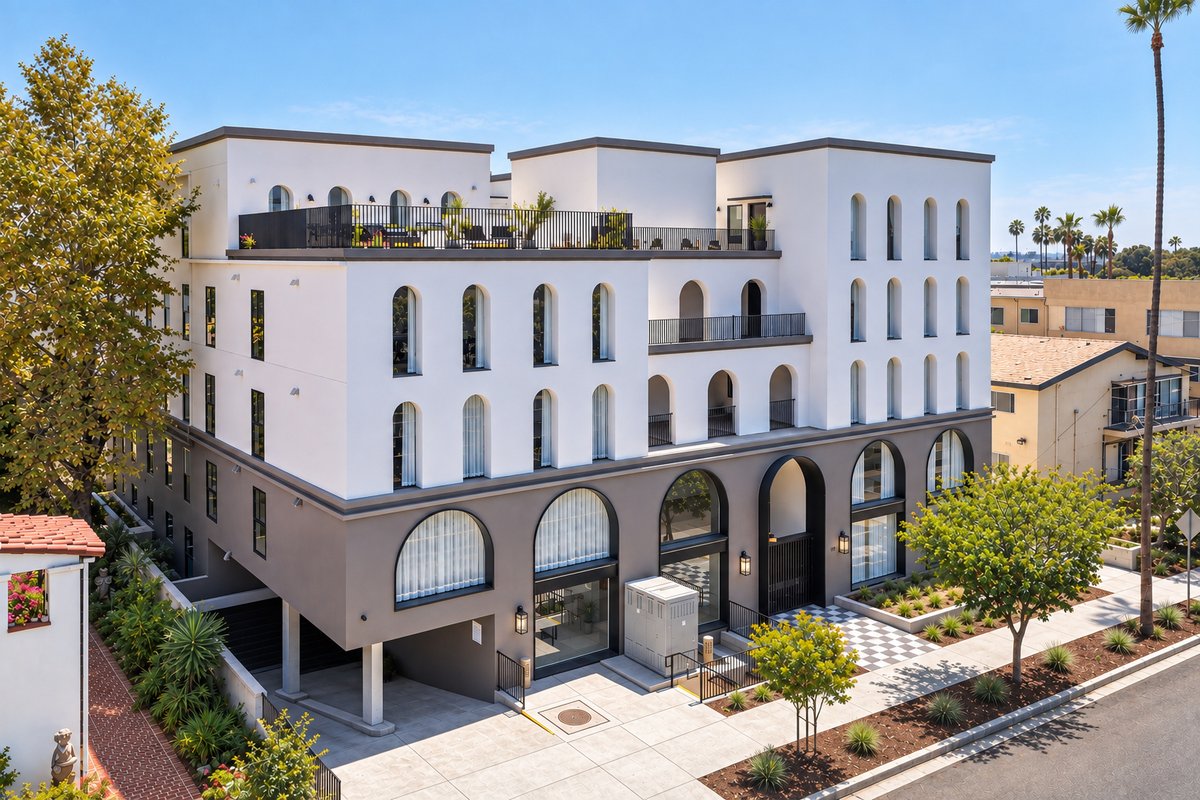
Re-introducing one of my favorite projects, Gardner by Category.
The idea was simple: build something new that still feels like it belongs in West Hollywood.
We pulled from the older Mediterranean buildings throughout the neighborhood — deep arches, traditional cornices, warm materials — and paired them with curved glass, dark metal, and open breezeways that bring natural light deep into the building.
Very much feels like mission accomplished.