By retweeting our posts, more people will have access to, and benefit from, the amazing studies published in this journal! Please encourage others to follow and retweet our posts! (Including the DOI can also increase the impact of the article!)
https://t.co/B1D3uHuGnS
Our latest issue of DP is a special issue in honor of Russell Tomlin, a research pioneer who bridged a foundational gap between theoretical linguistics and cognitive psychology. This issue was guest edited by Andriy Myachykov and Christoph Scheepers.
https://t.co/wElMizZ0ie
‼️ST&D 2025 attendees‼️
Consider submitting your conference-related work to a special conference issue of Discourse Processes by September 15!
Please submit manuscripts here: https://t.co/q1t8XRTKxi
Manuscripts should be prepared according to DP manuscript guidelines.
📢Call for Papers���
#DiscourseProcesses Special Issue
𝙃𝙚𝙢𝙞𝙨𝙥𝙝𝙚𝙧𝙞𝙘 𝙋𝙧𝙤𝙘𝙚𝙨𝙨𝙞𝙣𝙜 𝙤𝙛 𝙎𝙥𝙤𝙠𝙚𝙣 𝙖𝙣𝙙 𝙒𝙧𝙞𝙩𝙩𝙚𝙣 𝘿𝙞𝙨𝙘𝙤𝙪𝙧𝙨𝙚
Guest eds Dr. Blaine Tomkins & Dr. Sandra Virtue
Call open now until 𝗢𝗰𝘁 𝟭, 𝟮𝟬𝟮𝟯!
📢 https://t.co/te9NlCHECq
#TextDiscourse2023 roundtable on replication studies was very productive, and we now have some candidate effects/studies that would be cool to see replicated! What do you think?! Other effects you’d like to see on the list?! Respond to our survey: https://t.co/kGM3rFeztu
#TextDiscourse2023 just started in Oslo! Discourse Processes acknowledged individuals who have provided extraordinarily constructive feedback to their peers. Reviewer of the Year Awards were given to Johanna Abendroth and Mike Wolfe!
Don’t be Reviewer2, be like Johanna and Mike!
This issue focuses on the processing of #language in the left & right cerebral hemispheres of the #brain 🧠, & it will showcase cutting-edge research using a variety of methodologies on the cerebral hemispheres process and interaction during language comprehension and production.
📢Call for Papers📢
#DiscourseProcesses Special Issue
𝙃𝙚𝙢𝙞𝙨𝙥𝙝𝙚𝙧𝙞𝙘 𝙋𝙧𝙤𝙘𝙚𝙨𝙨𝙞𝙣𝙜 𝙤𝙛 𝙎𝙥𝙤𝙠𝙚𝙣 𝙖𝙣𝙙 𝙒𝙧𝙞𝙩𝙩𝙚𝙣 𝘿𝙞𝙨𝙘𝙤𝙪𝙧𝙨𝙚
Guest eds Dr. Blaine Tomkins & Dr. Sandra Virtue
Call open now until 𝗢𝗰𝘁 𝟭, 𝟮𝟬𝟮𝟯!
📢 https://t.co/te9NlCHECq
We often use #ReformulationMarkers (that is to say, in other words, to put it simply etc) in #AcademicWriting ✍🏻 Are there differences in their use across disciplines? and between native vs non-native writers?
Find out more👇
🔗https://t.co/QrgMfbODDE
#DiscourseProcesses
#Inconsistencies within a text or with background knowledge slows down #reading. What can inconsistency tasks tell us about the way adolescents evaluate their understanding of text?
Find out more 👇
🔗https://t.co/HOmbLMXwrT
#DiscourseProcesses@Uni_WUE
By the time you reach this post, you would have read #multipletexts. What underlying processes help us navigate through these as we select, make judgement and integrate them?
Find out more here ☞
🔗https://t.co/DeMtZxmGNZ
#StrategicReading#DiscourseProcesses@Hyeon_22
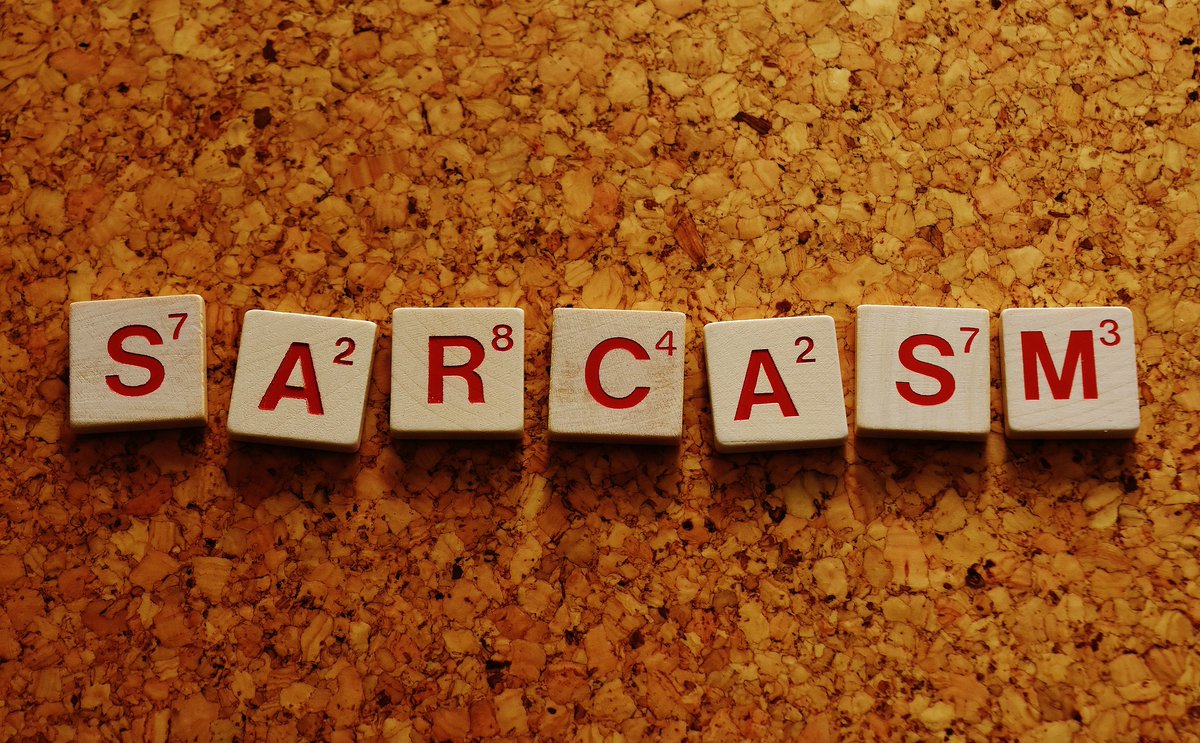
Who is more likely to use #sarcasm🤔? And how is sarcasm perceived by different groups of people 🧓👶🏻? Check out our latest research on the relationship between age, gender and geographic regions in the United States ☞
🔗https://t.co/NUiHh8Rkeg
#DiscourseProcesses@uofmemphis
"Does using a masculine pronoun in generic statements elicit male #bias 👨in a language?
Find out what influences this language bias from an #eyetracking👀study with Dutch masculine pronoun here ☞
🔗https://t.co/uUnoRfdHuV
#gender#languagebias#DiscourseProcesses@CLSRadboud
How do teachers socialise #deaf & hard-of-hearing students 🦻 into oral communicators 🗣️in the classroom? Discover how teacher use #gestures (pointing to mouth 👄or ear and cupping the ear👂).
Find out here ☞
🔗https://t.co/fuMtGrA730
#DiscourseProcesses@CUBoulderComm