Ninety percent of what you read about aging is noise. I built The Longevity Journal to cut through it.
Every week I hand pick the research I'm actually reading, the studies I'm testing on myself, and the habits I'm keeping because they hold up. Not headlines. Not hype. Just what I'd tell you if we were sitting across the table.
I've spent my career trying to understand why we age the way we do, and what we can actually do about it. This newsletter is me sharing that in real time, as I learn it.
Subscribe here: https://t.co/TyQa51U3hj
Send this to someone you’re on your health journey with.
Every meal, every workout, every night’s sleep—it’s all building the future you. What you do now, in your 20s, 30s, and even 50s, shapes the health you’ll experience in the decades to come.
To understand why the choices you make today impact your future health, consider this: chronic disease and mobility loss are rooted in long-term, silent processes. Inflammation, poor diet, stress, and lack of exercise can slowly damage your cells, arteries, and brain, starting decades before symptoms appear.
These conditions are not random—they develop over time based on lifestyle factors. Every healthy choice you make now can slow or even prevent these processes. It’s all connected.
It’s never too late—or too soon—to start living well.
This summer, normalize...
Saying no to alcohol.
Working out on vacation.
Asking for modifications at restaurants.
Waking up early to move your body.
Bringing a healthy dish to the party.
Leaving early to get enough sleep.
Your health does not need anyone's approval.
There are things I’ve stopped chasing, because I’ve seen what they actually do to the human body — and I can’t unsee it.
Here’s what I willingly go without:
Ultra-processed food. This is the one that matters most. 73% of the American food supply is ultra-processed. These products are engineered by food scientists to override your hunger signals, hijack your dopamine system, and keep you eating past the point of fullness. I don’t eat them because I’ve watched what they do to my patients — and what they were quietly doing to me.
Skipping movement. Exercise is mitochondrial medicine. It’s the single most powerful intervention we have for insulin sensitivity, neurogenesis, mood regulation, and longevity. At 66, I am in the best shape of my life and that did not happen by accident.
Neglecting my brain. Cognitive decline is not inevitable. It is largely driven by lifestyle — blood sugar dysregulation, chronic inflammation, poor sleep, sedentary behavior, nutritional deficiencies. What you do in your 40s, 50s, and 60s determines what your brain looks like in your 80s.
Alcohol. I’m not rigid about it. A glass of wine with good friends, good food, good conversation — sometimes that’s medicine too. But the one-off drink that fragments my sleep, tanks my HRV, and clouds my thinking the next morning is a trade that stopped making sense a long time ago.
Chronic stress. I’m not immune to it. At 66, I’m still writing, seeing patients, traveling, building. Stress is part of the job. The difference is I no longer let it sit in my body unchecked. Chronic, unmanaged stress raises cortisol, suppresses immune function, shrinks the hippocampus, disrupts sleep, and accelerates aging at the cellular level.
After 30 years in functional medicine, I’ve made these trades because the return is undeniable — energy, clarity, strength, sleep, resilience, and a body that functions the way it was designed to.
You don’t have to give up everything. But you do have to get honest about what things are actually costing you.
Do not eat these. Discard immediately if you recognize any of these in yours or a loved one’s kitchen, it’s the easiest act of love you can do for them today.
A French study in PLOS Medicine examined the impact of emulsifiers (food additives used to improve texture and extend shelf life) on cancer risk.
Researchers analyzed data from 92,000 adults over nearly 7 years and found that certain emulsifiers significantly increased cancer risk:
Mono & diglycerides of fatty acids (E471)—found in processed baked goods, margarine, and ice cream—were linked to:
15% higher risk of overall cancer
24% higher risk of breast cancer
46% higher risk of prostate cancer
Carrageenan (E407 & E407a)—a thickening agent in dairy alternatives, deli meats, and plant-based products—was linked to:
32% higher risk of breast cancer.
Cancer is complex and multifactorial, but one thing is certain: the food we eat plays a massive role in shaping our long-term health. Cutting out ultra-processed foods and focusing on whole, nutrient-dense foods is one of the most powerful steps you can take to reduce disease risk.
Thank you to my friend Vani Hari for this image + bringing awareness to this critical issue.
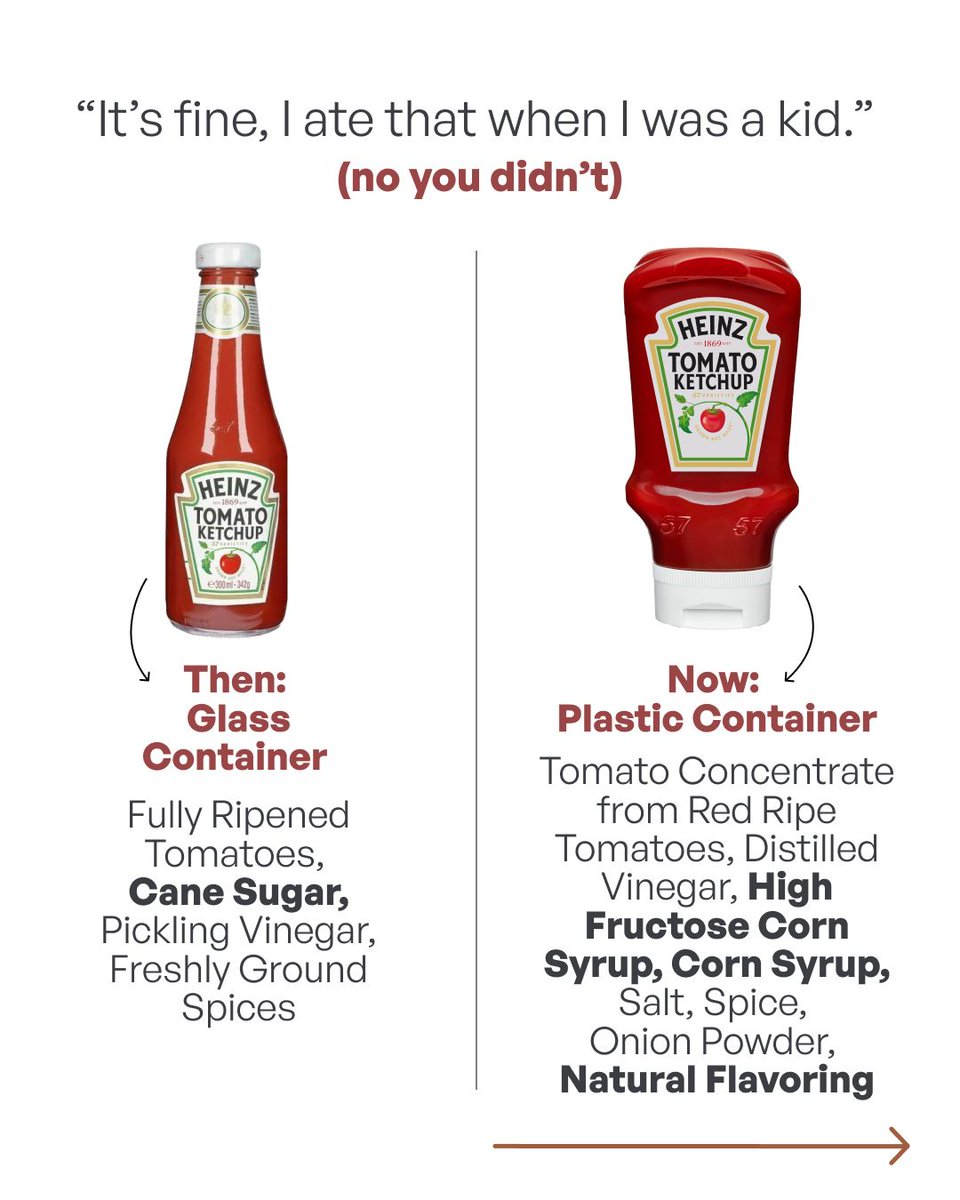
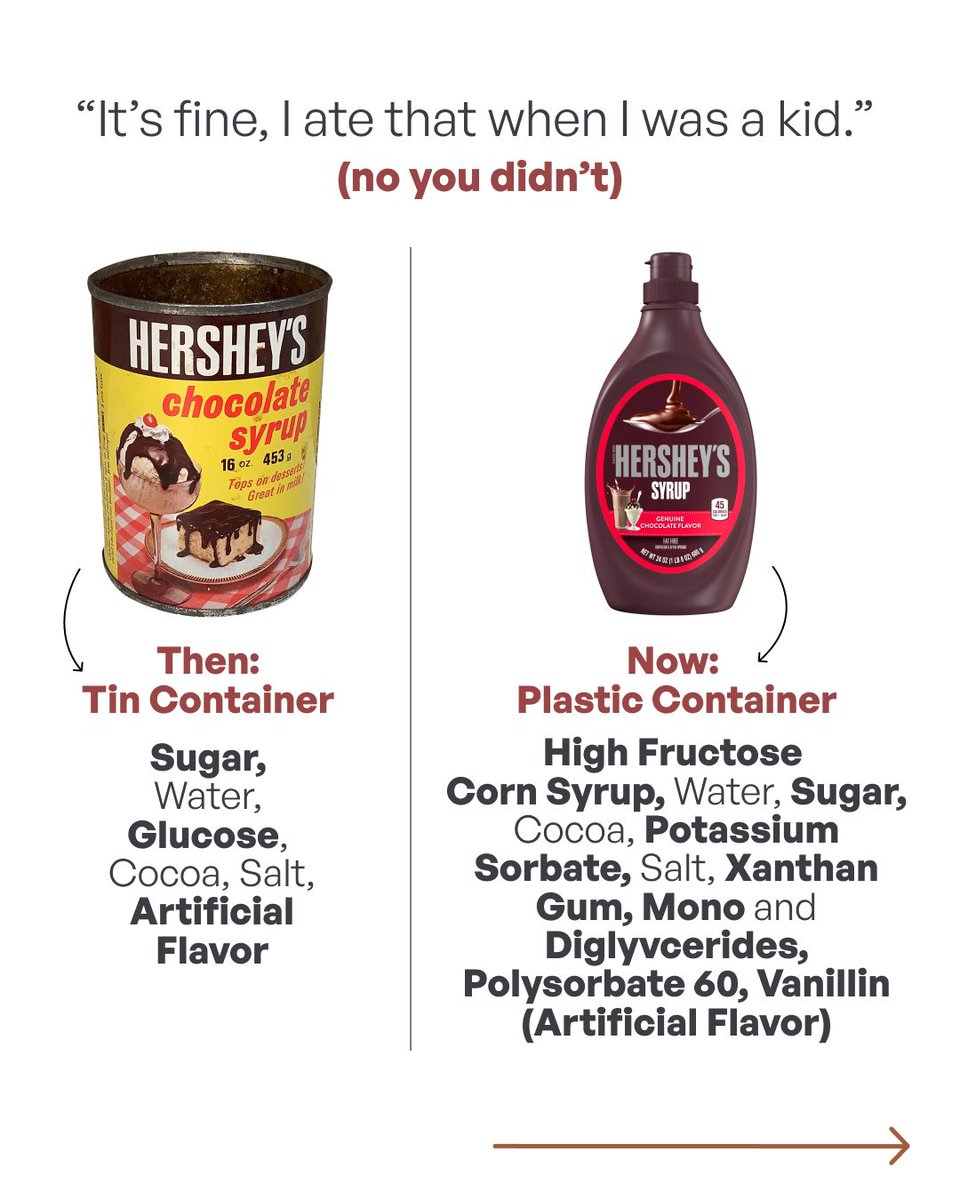
Most people say, “I ate that growing up, and I turned out fine.”
But here’s the thing...
The food you grew up eating often isn’t the same food on grocery store shelves today.
Over the last several decades, many everyday foods have quietly changed. Simple ingredient lists have been replaced with cheaper sweeteners, emulsifiers, preservatives, artificial flavors, and other ultra-processed ingredients designed to maximize shelf life—not your health.
Food isn’t just fuel. It’s information that influences your metabolism, your gut microbiome, your hormones, your immune system, and even your brain.
Reading labels is one of the simplest—and most powerful—steps you can take to protect your health.
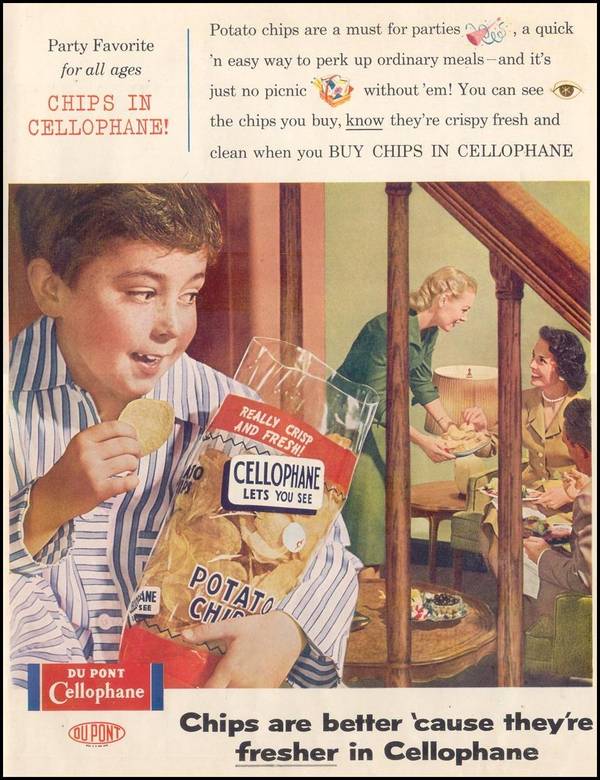
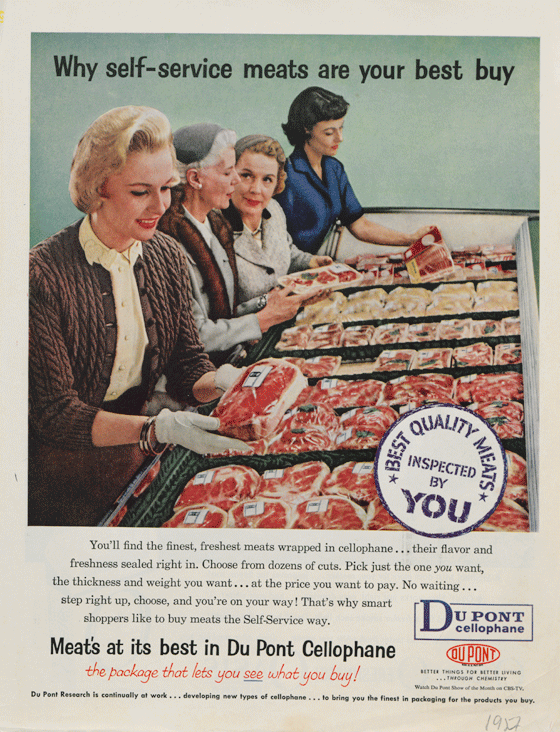
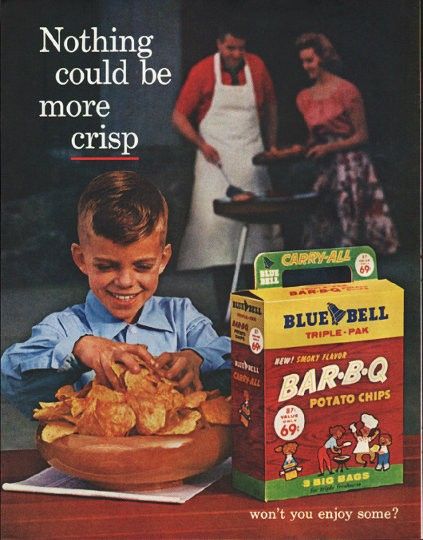
Did you know potato chips used to come in cardboard boxes? Then in the 1950s Du Pont ran full page ads convincing America they needed cellophane instead, "you can see it, so you know it's fresh."
That same company later became infamous for something far less transparent, decades of lawsuits over the forever chemicals it dumped into drinking water and used in food packaging.
We went from cardboard to plastic in the name of "freshness." Now we know plastic packaging leaches microplastics and endocrine disrupting chemicals straight into the food it's "protecting."
Progress doesn't always mean safer. Sometimes it just means better marketing.
What if aging is something you can actively influence every single day?
The science of longevity has changed dramatically over the last decade. We now know that many of the factors that drive aging, inflammation, metabolic dysfunction, loss of muscle, cognitive decline, are deeply connected to the choices we make every day.
That's why I created The Longevity Journal.
Each week, I'll break down the latest research on healthy aging and translate it into practical, actionable steps you can use to improve your healthspan, the years of life spent feeling strong, energetic, and vibrant.
No hype. No fads. Just evidence-based insights on nutrition, exercise, sleep, brain health, and the emerging science of living well for longer.
Subscribe here: https://t.co/TyQa51U3hj
Norway shipped 2,000 lbs of real food to the U.S. for the World Cup.
Is American food is so ultra-processed and additive-laden that elite athletes won't eat it during competition? I think we know the answer.
https://t.co/H90gZZAsKP
That's why I want to put the Generation Regeneration Online Global Summit on your radar — a global gathering built on a radical idea: that cities can be designed to regenerate the people and ecosystems within them and it’s called Regenerative Placemaking.
It's led by urbanist Tony Cho, whose debut book Generation Regeneration comes out August 11, 2026.
Use code REGENMARK11 for $11 off the VIP Replay + Book Pre-Order bundle — full summit replay access plus it includes the pre-order of Tony's book.
https://t.co/KYywGRvBnO
I've spent my career on the root causes of why we get sick — and why we thrive. Food. Movement. Connection.
But we rarely talk about one of the biggest factors: the places we live in.
Longevity is about adding life to your years. The latest science shows that the choices you make every day, what you eat, how you move, how you sleep, how you manage stress, can have a profound impact on how you age.
That's why I created The Longevity Journal.
Each week, I share the latest breakthroughs in longevity science, practical strategies to improve your healthspan, and actionable insights you can use right away to support a longer, healthier life.
My goal is simple: help you understand the science of aging and give you the tools to take control of your future health.
Because aging well isn't about luck. It's about knowledge, habits, and the choices we make every day. Subscribe here: https://t.co/TyQa51U3hj
Interrupting prolonged sitting with short bursts of movement can significantly improve glycemic control.
In the study, participants who performed 3 minutes of walking or 10 bodyweight squats every 45 minutes had better blood sugar regulation compared to those who stayed seated or even those who took a single 30-minute walk.
These frequent, targeted bursts of activity were shown to activate key muscle groups like the quadriceps and glutes, leading to better glucose management throughout the day.
This is proof that you don’t need to spend hours in the gym to support your metabolic health.
https://t.co/x1IYdBW0Cz
A recent study found that doing 10 bodyweight squats every 45 minutes during an 8.5-hour period of sitting, is more effective for blood sugar regulation than a single 30-minute walk.