🧬 Why Are Antiparasitic Drugs Being Studied in Cancer Research?
The discussion around ivermectin, fenbendazole and mebendazole is increasingly focused on something more specific than their traditional antiparasitic roles: what these compounds do to cancer cells in laboratory experiments.
Researchers have reported several potential anticancer mechanisms for ivermectin in preclinical models. Among those being investigated are effects on cancer stem-cell characteristics, apoptosis pathways, tumor signaling, angiogenesis and mechanisms involved in multidrug resistance.
That last area is particularly interesting. Some laboratory studies suggest ivermectin may affect drug-efflux systems that cancer cells can use to resist chemotherapy. Researchers are investigating whether disrupting these pathways could make resistant cancer cells more sensitive to existing treatments.
Another research direction involves benzimidazoles.
Fenbendazole and mebendazole can interfere with microtubules, while experimental cancer studies have also investigated their effects on glucose metabolism and other pathways important to tumor-cell survival.
🔬 Cancer stem-cell pathways
🧫 Drug-resistance mechanisms
⚙️ Cellular metabolism
🧪 Microtubule disruption
But there is a major distinction between demonstrating these mechanisms in cells or animals and showing that a drug improves outcomes in cancer patients. Preclinical findings do not establish ivermectin, fenbendazole or mebendazole as effective cancer treatments, nor do they establish that adding them to chemotherapy improves survival.
That unanswered clinical question is exactly why well-designed human trials matter.
✨ Follow @Dr_devd for research into drug repurposing, cancer biology and emerging medical evidence.
#Ivermectin #Fenbendazole #Mebendazole #CancerResearch #DrugRepurposing #Oncology #MedicalResearch
🍄 BEYOND CHEMOTHERAPY: WHAT COULD THE FUTURE OF CANCER TREATMENT LOOK LIKE?
A growing conversation in oncology is focused on making cancer treatment more selective and less damaging to healthy tissue. Chemotherapy remains an important and sometimes curative treatment, but its effects on normal rapidly dividing cells can also produce significant toxicity.
That has fueled research into targeted therapies, immunotherapies, metabolic approaches, natural compounds and repurposed medicines. Compounds derived from medicinal mushrooms, including turkey tail and cordyceps, have also attracted research interest, although evidence varies substantially by product and cancer type.
AREAS ATTRACTING ATTENTION
• More precise tumor-targeted therapies
• Repurposing existing medicines for new indications
• Ivermectin and fenbendazole in preclinical cancer research
• Medicinal mushrooms and biologically active compounds
• Combining new approaches with established treatments
Ivermectin has demonstrated multiple potential anticancer mechanisms in laboratory and animal studies, while fenbendazole has also generated preclinical findings and numerous patient anecdotes. But neither drug is currently an established cancer treatment, and anecdotes of remission cannot demonstrate that either medicine caused the outcome.
Claims that ivermectin is “completely safe” alongside conventional cancer treatment also go beyond what current evidence can establish. Drug interactions, dose, liver function and the patient's treatment regimen all matter.
The future may involve increasingly personalized combinations rather than one universal treatment. The key is determining through controlled human trials which promising approaches actually improve survival and quality of life.
✨ Follow @Dr_devd for cancer research, emerging therapies and repurposed-drug studies.
#CancerResearch #Ivermectin #Fenbendazole #CancerTreatment #DrugRepurposing #Oncology #MedicalResearch
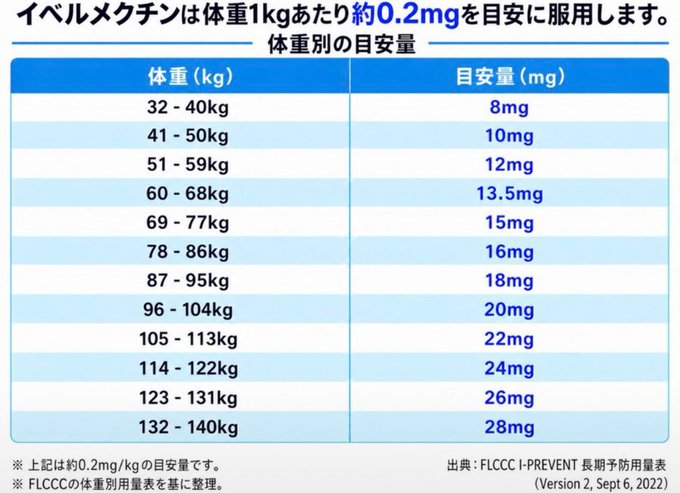
💊 IVERMECTIN DOSAGE BY WEIGHT: WHAT THIS 0.2 mg/kg CHART ACTUALLY SHOWS
A weight-based ivermectin chart circulating online lists approximate doses using 0.2 mg/kg of body weight. The image appears to reference an FLCCC I-PREVENT dosing table from September 2022.
DOSES SHOWN ON THE CHART
• 32–40 kg → 8 mg
• 41–50 kg → 10 mg
• 51–59 kg → 12 mg
• 60–68 kg → 13.5 mg
• 69–77 kg → 15 mg
• 78–86 kg → 16 mg
• 87–95 kg → 18 mg
• 96–104 kg → 20 mg
• 105–113 kg → 22 mg
• 114–122 kg → 24 mg
• 123–131 kg → 26 mg
• 132–140 kg → 28 mg
An important distinction is that 0.2 mg/kg is not a universal ivermectin dose for every medical condition. Human ivermectin dosing varies according to the indication, patient characteristics, formulation, treatment schedule and other medications.
The chart itself references an FLCCC I-PREVENT protocol from 2022, so it should be understood within that specific historical context rather than interpreted as a general dosing recommendation for COVID-19, cancer, parasites or other conditions.
Weight-based dosing is common in medicine, but the calculation alone does not establish whether a drug is appropriate for a particular disease or person.
✨ Follow @Dr_devd for medicine, dosing research and evidence-focused medical updates.
#Ivermectin #MedicationSafety #Pharmacology #MedicalResearch #DrugResearch #HealthEducation #Medicine
🧠 A “PLUM-SIZED” BRAIN TUMOR, MULTIPLE THERAPIES AND A REPORTED SHRINKAGE BEFORE SURGERY
A patient describes discovering a large right-frontal-lobe brain tumor in 2022 despite having no noticeable symptoms. She says the tumor was approximately the size of a plum, leading her to investigate both conventional treatment and numerous complementary approaches before eventually undergoing brain surgery.
During the months before surgery, she reports using a long list of interventions including nutritional ketosis, hyperbaric oxygen, red-light therapy, high-dose IV vitamin C, methylene blue, supplements and antiparasitic medications including ivermectin and mebendazole.
WHAT MAKES THIS STORY INTERESTING
• The tumor was reportedly high-grade and unexpectedly discovered
• Multiple interventions were used simultaneously
• Parasite testing was reportedly positive for Toxoplasma gondii
• The patient reports tumor shrinkage before surgery
• Surgery ultimately removed the remaining tumor
There is legitimate research examining associations between Toxoplasma gondii exposure and some brain tumors, but an association does not establish that the parasite caused this patient's cancer. Likewise, a tumor shrinking while numerous interventions are being used simultaneously cannot establish which intervention produced the change.
The patient's use of ivermectin and mebendazole is interesting in the context of experimental drug-repurposing research, but neither is an established treatment for brain cancer. High-dose IV vitamin C, methylene blue, hyperbaric oxygen and ketogenic strategies also have varying and generally incomplete levels of evidence in oncology.
What makes cases like this scientifically valuable is not assuming which treatment worked, but documenting the pathology, imaging timeline and complete treatment history so researchers can investigate unusual responses.
✨ Follow @Dr_devd for emerging cancer research, patient cases and repurposed-drug studies.
#BrainCancer #CancerResearch #Ivermectin #Mebendazole #DrugRepurposing #Oncology #MedicalResearch
🧪 IVERMECTIN DOSING ADVICE IS EVERYWHERE ONLINE, BUT SOME CLAIMS NEED A REALITY CHECK
Videos circulating online encourage people to take ivermectin paste, sometimes even veterinary formulations, as a daily preventive treatment. The claims go much further, suggesting ivermectin can cure conditions ranging from cancer and diabetes to multiple sclerosis and Parkinson’s disease.
Ivermectin itself is a legitimate medicine. Human formulations are FDA-approved for certain parasitic infections, and its discovery contributed to the 2015 Nobel Prize in Physiology or Medicine, specifically for treatments against infections caused by roundworm parasites. It did not win the Nobel Peace Prize.
CLAIMS WORTH SEPARATING FROM THE EVIDENCE
• Ivermectin has important established human antiparasitic uses
• Veterinary ivermectin products are not intended for human consumption
• Brain plaques in Alzheimer’s disease are not established to be parasites
• Ivermectin is not an established cure for cancer, MS, diabetes or Parkinson’s
• Hydroxychloroquine and quinine are different chemical compounds
Statements that ivermectin is completely harmless or has never contributed to a human death are also unsafe generalizations. Toxicity can occur, particularly with excessive doses or veterinary formulations, and serious neurological effects, hypotension, seizures, coma and death have been reported.
Research into ivermectin for additional diseases can still be scientifically interesting. But experimental findings should be separated from established treatments, and veterinary paste should not be converted into a homemade human dosing regimen.
✨ Follow @Dr_devd for medical research, emerging therapies and evidence-focused health updates.
#Ivermectin #MedicalResearch #DrugSafety #Pharmacology #DrugRepurposing #HealthResearch #Medicine
🪱 IVERMECTIN WAS NEVER JUST A “HORSE DEWORMER”
When Joe Rogan revealed in 2021 that he had COVID-19 and had taken ivermectin among several treatments, CNN repeatedly emphasized the drug’s veterinary use. One CNN segment described it as a deworming medicine for farm animals, while another called it something “more often used to deworm horses.”
That framing left out an important part of ivermectin’s history: there are separate ivermectin medicines approved for humans. FDA-approved human tablets are used for parasitic infections including strongyloidiasis and onchocerciasis, while other human formulations have additional approved uses.
WHAT’S IMPORTANT TO SEPARATE
• Ivermectin has legitimate human medical uses
• Veterinary ivermectin formulations also exist
• Animal formulations should not be taken by humans
• Human ivermectin was not approved for treating COVID-19
• Large randomized studies later failed to demonstrate meaningful COVID-19 treatment benefit
So calling ivermectin simply a “horse dewormer” gives an incomplete picture of the drug. But recognizing ivermectin as a legitimate human antiparasitic does not establish that it was an effective COVID-19 treatment.
Those are two separate scientific questions, and both deserve accurate representation.
✨ Follow @Dr_devd for medical research, drug history and evidence-based analysis.
#Ivermectin #MedicalResearch #DrugRepurposing #COVID19 #Pharmacology #Medicine #HealthResearch
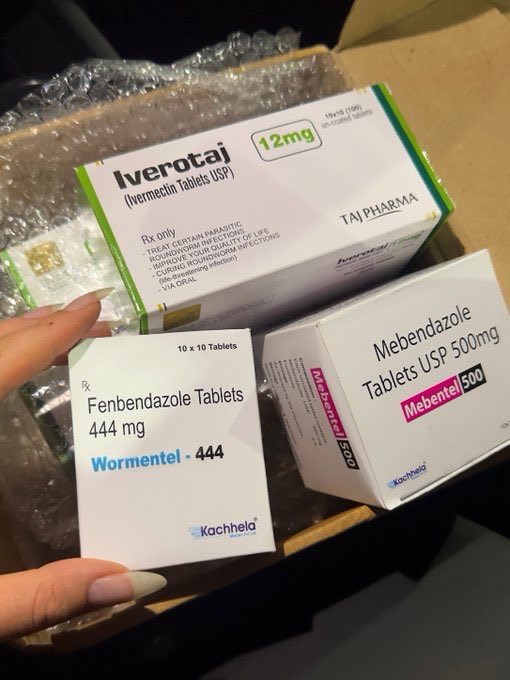
💊 THREE REPURPOSED ANTIPARASITIC DRUGS GETTING ATTENTION IN MEDICAL RESEARCH
The image brings together three medicines frequently discussed in the growing conversation around drug repurposing: ivermectin, fenbendazole, and mebendazole.
All three are known for antiparasitic activity, but their medical status is not identical. Ivermectin and mebendazole have established human uses for certain parasitic infections, while fenbendazole is primarily a veterinary medicine.
WHAT RESEARCHERS ARE EXPLORING
• Ivermectin: cell signaling, apoptosis and other anticancer mechanisms
• Fenbendazole: microtubules and cancer-cell metabolism in preclinical models
• Mebendazole: microtubule disruption and potential anticancer activity
• Drug combinations and possible interactions with existing treatments
• Whether promising laboratory findings can translate into human benefit
These medicines have generated interest in experimental cancer research, particularly ivermectin and benzimidazoles such as mebendazole and fenbendazole. However, laboratory activity and individual case reports are very different from evidence showing that a medicine safely treats cancer in people.
There are also important differences between human-approved medicines and veterinary products. Veterinary formulations should not be substituted for medicines intended for humans.
The next step is rigorous human research establishing which cancers, if any, respond, along with appropriate dosing, interactions and long-term safety.
✨ Follow @Dr_devd for research on repurposed medicines, cancer biology and emerging medical studies.
#Ivermectin #Fenbendazole #Mebendazole #DrugRepurposing #CancerResearch #MedicalResearch #Oncology
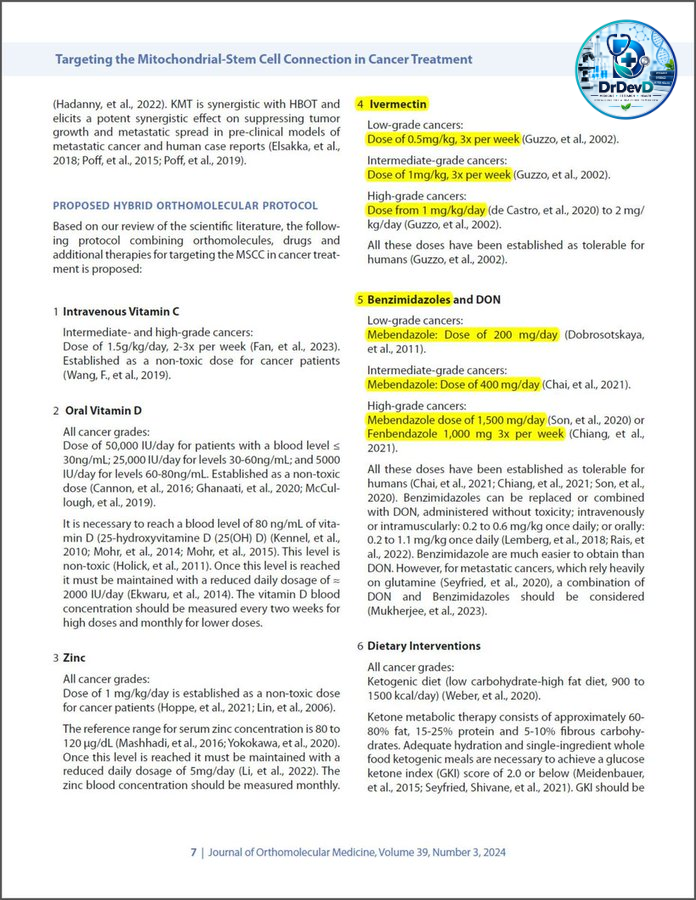
🧩 IVERMECTIN + MEBENDAZOLE: A PROPOSED CANCER DOSING CHART IS GETTING ATTENTION
A page published in the Journal of Orthomolecular Medicine outlines a proposed cancer approach involving ivermectin, mebendazole, vitamin C, vitamin D, zinc, and dietary interventions. The chart is attracting attention because it describes different drug doses according to cancer grade.
WHAT THE CHART PROPOSES
• Ivermectin dosing varies according to cancer grade
• Mebendazole is included as a benzimidazole option
• Vitamin C, vitamin D and zinc are included
• Dietary intervention focuses on metabolic strategies
• Higher-grade cancers are assigned more intensive regimens
The concept behind this approach is drug repurposing. Researchers have investigated ivermectin and mebendazole in laboratory and animal cancer models, exploring potential effects on microtubules, metabolism, cell proliferation and signaling pathways.
But one word on this page matters: “proposed.” This is not an established oncology dosing guideline, and the listed doses have not been proven through large randomized trials to treat cancer effectively. Preclinical activity and previously tolerated doses do not establish an effective cancer regimen.
The document is therefore more appropriately viewed as a research hypothesis that could inform future clinical trials, not instructions for self-treatment.
✨ Follow @Dr_devd for more research on repurposed medicines and emerging cancer strategies.
#Ivermectin #Mebendazole #CancerResearch #DrugRepurposing #Oncology #CancerTreatment #MedicalResearch
🩹 CAN A BIOPSY SPREAD CANCER? THE ANSWER IS MORE NUANCED THAN “NEVER”
A controversial claim circulating online says prostate and breast biopsies should be avoided because needles can dislodge cancer cells and cause metastasis. Needle-tract seeding is a real, documented phenomenon, so saying it has never been scientifically reported would be incorrect. However, clinically meaningful spread from modern biopsy procedures appears to be rare.
WHAT THE RESEARCH SHOWS
• Tumor cells can occasionally be displaced during needle biopsy
• Prostate biopsy seeding has been reported, but reviews estimate it at below 1%
• Breast biopsies can displace malignant cells microscopically
• Breast studies have generally not demonstrated worse overall survival from core biopsy
• Technique, tumor type and biopsy approach can influence risk
The bigger problem with the viral claim is the advice to “never” have a breast or prostate biopsy. Imaging such as ultrasound, MRI or mammography can identify suspicious abnormalities, but imaging usually cannot provide the cellular and molecular information needed to definitively diagnose and characterize cancer. Biopsy frequently provides that information and helps guide treatment.
So the scientifically accurate discussion is not that biopsy seeding is imaginary. It is that the risk exists but is generally uncommon, while avoiding a medically indicated biopsy can delay an accurate cancer diagnosis.
✨ Follow @Dr_devd for deeper looks at controversial cancer claims and the research behind them.
#CancerBiopsy #CancerResearch #BreastCancer #ProstateCancer #CancerDiagnosis #Oncology #MedicalResearch
🩻 PROSTATE CANCER + IVERMECTIN: A CASE REPORT WITH A STRIKING FOLLOW-UP
A case being discussed involves a 76-year-old veteran diagnosed with Gleason 7 prostate cancer. According to the account, his PSA was initially 12.6, and he subsequently took ivermectin daily for approximately eight weeks.
The reported follow-up is what attracted attention. At around 12 weeks, the patient underwent specialized PET imaging, and the speaker claims that no prostate abnormality could be detected. His PSA was also reported to have fallen from 12.6 to 5.3.
WHY THIS CASE IS GETTING ATTENTION
• Gleason 7 represents clinically significant prostate cancer
• PSA reportedly declined substantially
• Follow-up imaging reportedly found no detectable abnormality
• Ivermectin was used during the observation period
• The result has fueled interest in drug repurposing
However, an individual case cannot demonstrate that ivermectin caused the apparent response. PSA can change for multiple reasons, and interpreting a PET scan requires the complete imaging report, pathology, treatment history, and clinical follow-up. A negative scan also does not automatically establish that every cancer cell has disappeared.
Ivermectin has shown anticancer activity in preclinical research, but it is not an established treatment for prostate cancer. Cases with unusual responses are valuable for generating hypotheses, but they need independent documentation and controlled human trials before conclusions about effectiveness can be made.
✨ Follow @Dr_devd for emerging cancer research and repurposed-drug cases.
#ProstateCancer #Ivermectin #CancerResearch #DrugRepurposing #PSA #Oncology #MedicalResearch
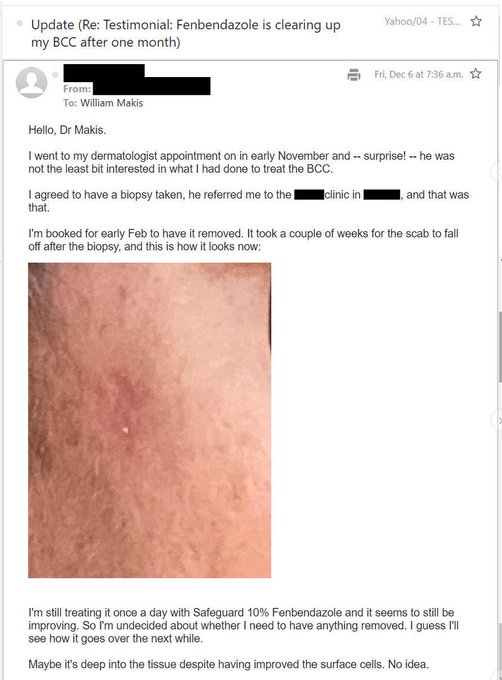
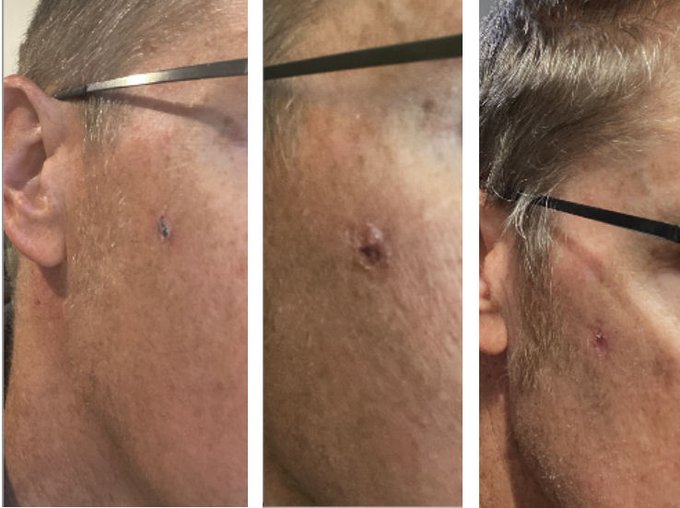
🧴 FENBENDAZOLE PASTE + BASAL CELL CARCINOMA: A PATIENT’S BEFORE-AND-AFTER STORY
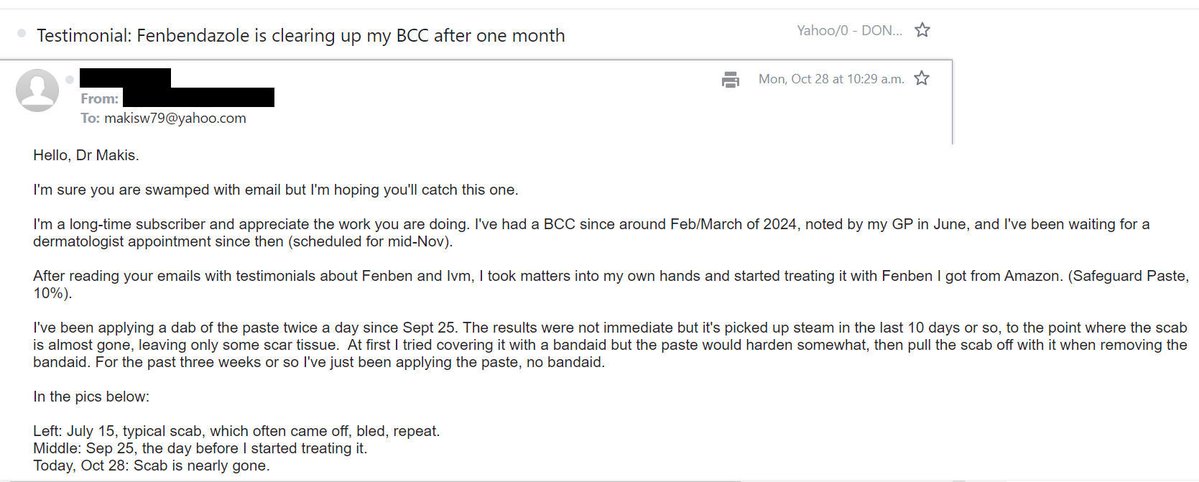
A Canadian patient shared photographs documenting what he described as a biopsy-confirmed basal cell carcinoma on his right cheek. According to his account, the lesion had been present for months while he waited for dermatology care.
He says he began applying veterinary fenbendazole paste directly to the lesion. The photographs reportedly show changes over the following weeks, with the scab becoming smaller and the visible surface appearing substantially improved after roughly two months.
WHAT MAKES THIS CASE INTERESTING
• The patient reports a previous BCC diagnosis
• Fenbendazole paste was applied topically
• Visible changes were documented with photographs
• He still attended dermatology follow-up
• Removal of the lesion was reportedly still planned
The final point is particularly important. A skin lesion becoming smaller or disappearing visually does not confirm that basal cell carcinoma has been eliminated beneath the skin. Only appropriate medical assessment and, when indicated, pathology can establish whether malignant cells remain.
Fenbendazole has attracted attention in experimental cancer research, but veterinary fenbendazole paste is not an established treatment for basal cell carcinoma. This remains an individual testimonial rather than evidence that the treatment caused the reported improvement.
Cases like this can generate research hypotheses. Controlled studies are needed to determine whether there is a genuine therapeutic effect.
✨ Follow @Dr_devd for more patient cases and emerging cancer research.
#Fenbendazole #BasalCellCarcinoma #SkinCancer #CancerResearch #DrugRepurposing #Dermatology #Oncology
🧬 “SPIKE PROTEIN INSIDE TUMORS?” WHAT THE EVIDENCE ACTUALLY SHOWS
Claims are circulating that unusually aggressive cancers appearing after COVID-19 vaccination may contain spike protein and that previously stable cancers are suddenly recurring or metastasizing.
Individual case reports have described cancer tissue staining positive for spike protein, and a recent review collected reports of unusually rapid progression, recurrence, and other cancer events following COVID-19 infection or vaccination. However, the authors characterize these observations as potential signals requiring investigation, not proof that vaccination caused the cancers. PubMed
WHAT RESEARCHERS NEED TO ESTABLISH
• Whether spike detected in tumors is actually vaccine-derived
• Whether similar findings occur after SARS-CoV-2 infection
• How frequently these findings occur in vaccinated and unvaccinated patients
• Whether vaccination changes cancer incidence or progression
• Whether a biologically plausible mechanism produces clinically meaningful effects
A cancer returning after vaccination does not by itself demonstrate causation. Cancer can recur or metastasize years after apparently successful treatment, and individual stories cannot determine what triggered that progression.
There is also conflicting observational research. A 2025 South Korean study reported statistical associations between vaccination and several cancer diagnoses, but the journal subsequently issued an editorial notice stating that concerns about the paper were under investigation. Such observational associations cannot establish causality.
At present, the National Cancer Institute states that there is no established evidence that COVID-19 vaccines cause cancer, recurrence, or cancer progression.
These unusual cases can be investigated seriously without treating an unproven explanation as established fact.
✨ Follow @Dr_devd for cancer research, emerging evidence and medical analysis.
#CancerResearch #SpikeProtein #CancerBiology #Oncology #COVID19Research #MedicalResearch #CancerRecurrence
🧿 STAGE 4 BREAST CANCER AND FENBENDAZOLE: A REMARKABLE CASE, BUT WHAT CAN IT PROVE?
A widely discussed case describes a woman with metastatic breast cancer involving multiple sites, reportedly including the liver, lungs, spine and other bones. After disease progression, she entered hospice care and later began self-administering fenbendazole.
Over the following months, her reported clinical picture changed dramatically. Tumor marker CA 27-29 reportedly fell from 316 to 36.6, liver enzymes normalized, and an April 2022 PET scan was described as showing no abnormal metabolic activity indicative of active cancer.
KEY DETAILS FROM THE CASE
• Metastatic breast cancer was confirmed by liver biopsy
• Imaging reportedly showed lung and extensive bone lesions
• Fenbendazole was taken for approximately eight months
• CA 27-29 reportedly declined substantially
• Follow-up PET imaging reportedly showed no abnormal cancer activity
The outcome is striking, but there is an important complication when interpreting it. Fenbendazole was not the patient's only treatment. She reportedly received estrogen-blocking therapy and targeted radiation to spinal metastases during the same period. Therefore, this case cannot establish which treatment, or combination of treatments, produced the response.
Fenbendazole has demonstrated anticancer mechanisms in preclinical research, but it remains primarily a veterinary antiparasitic and is not an established breast cancer therapy.
Cases like this deserve documentation and investigation, but controlled clinical trials are needed before cause and effect can be determined.
✨ Follow @Dr_devd for patient cases, cancer research and repurposed-drug studies.
#Fenbendazole #BreastCancer #Stage4Cancer #CancerResearch #DrugRepurposing #Oncology #MetastaticCancer
📊 IVERMECTIN + FENBENDAZOLE: A WEIGHT-BASED CANCER DOSING CHART IS CIRCULATING ONLINE
A chart circulating online presents proposed ivermectin and fenbendazole protocols for different stages of cancer. It divides ivermectin into low, medium, high, and very-high-dose categories and associates them with everything from remission and prevention to aggressive or metastatic disease.
WHAT THE CHART CLAIMS
• Ivermectin doses are calculated according to body weight
• Higher categories are suggested for more aggressive cancers
• Fenbendazole schedules vary alongside the ivermectin categories
• Individual patient stories are presented as supporting examples
• The highest categories include substantially greater drug exposure
The chart also references individual cases involving ovarian, prostate, gallbladder, and other cancers. These reports may generate research questions, but individual case histories cannot establish that ivermectin or fenbendazole caused tumor regression.
Another important issue is the safety language. Claims such as “no long-term side effects” should not be interpreted as proof that prolonged high-dose ivermectin is risk-free. Safety depends on dose, duration, other medications, liver function, and individual health factors.
Ivermectin and benzimidazoles continue to attract interest in experimental cancer research, but the doses shown here are not established oncology dosing standards. Fenbendazole is also primarily a veterinary drug.
This chart is better viewed as a proposed protocol requiring clinical investigation, not a self-treatment guide.
✨ Follow @Dr_devd for cancer research, repurposed-drug studies, and medical updates.
#Ivermectin #Fenbendazole #CancerResearch #DrugRepurposing #Oncology #CancerTreatment #MedicalResearch
⚗️ WHY ARE ANTIPARASITIC DRUGS BEING STUDIED IN CANCER METABOLISM?
Researchers studying cancer metabolism are exploring an intriguing idea: changing a tumor’s metabolic environment through nutritional ketosis might alter how cancer cells respond to certain repurposed drugs.
One area receiving attention involves benzimidazole antiparasitic medicines such as mebendazole and albendazole. Laboratory research has examined whether these compounds can interfere with microtubules, glucose utilization, mitochondrial activity, and other pathways important to rapidly dividing cells.
THE METABOLIC THEORY
• Cancer is not a parasite
• Parasites and tumor cells can share certain metabolic features
• Some antiparasitic drugs affect pathways relevant to cancer cells
• Ketosis may alter tumor metabolism in experimental models
• Combining metabolic strategies with repurposed drugs is being investigated
Ivermectin has separately been studied in preclinical cancer research, including potential effects on apoptosis and signaling pathways involved in cell survival.
The important distinction is between mechanism and proven treatment. Demonstrating that a drug affects cancer cells in a laboratory does not establish that it will treat cancer effectively in humans. The same applies to nutritional ketosis, where effects can vary substantially by cancer type and patient.
This research offers hypotheses worth testing through controlled clinical trials rather than evidence for replacing established cancer treatment.
✨ Follow @Dr_devd for emerging research on cancer metabolism and repurposed medicines.
#CancerMetabolism #Mebendazole #Ivermectin #DrugRepurposing #CancerResearch #Ketosis #Oncology
🔬 IVERMECTIN + CANCER: WHY THE PRECLINICAL RESEARCH IS GETTING ATTENTION
Ivermectin was developed as an antiparasitic medicine, but researchers have also investigated its potential activity against cancer. The scientific literature includes numerous laboratory and animal studies examining how ivermectin interacts with different cancer-related pathways.
What makes the research interesting is that investigators are not looking at just one proposed mechanism. Preclinical studies have reported effects involving cancer-cell growth, programmed cell death, signaling pathways, tumor metabolism and other processes involved in cancer progression.
WHAT RESEARCHERS ARE INVESTIGATING
• Cancer stem cells and tumor recurrence
• Multidrug resistance and chemotherapy sensitivity
• Angiogenesis and tumor blood-vessel formation
• Metastasis-related cellular pathways
• Potential interactions with radiation and chemotherapy
Some laboratory studies suggest ivermectin can influence pathways associated with treatment resistance. That raises an important research question: could a repurposed medicine eventually complement existing cancer treatments rather than replace them?
But there is a major evidence gap. Most of the cancer evidence for ivermectin remains preclinical, meaning experiments involving cells or animals. Laboratory mechanisms do not establish that the same treatment will improve survival or produce remission in people.
Human evidence remains far more limited than the preclinical literature. Large randomized clinical trials are needed to determine which cancers, if any, could benefit, along with appropriate dosing, safety, interactions and treatment combinations.
The mechanisms are scientifically interesting. The human evidence is what ultimately matters.
✨ Follow @Dr_devd for emerging research on cancer and repurposed medicines.
#Ivermectin #CancerResearch #DrugRepurposing #Oncology #CancerTreatment #CancerBiology #MedicalResearch
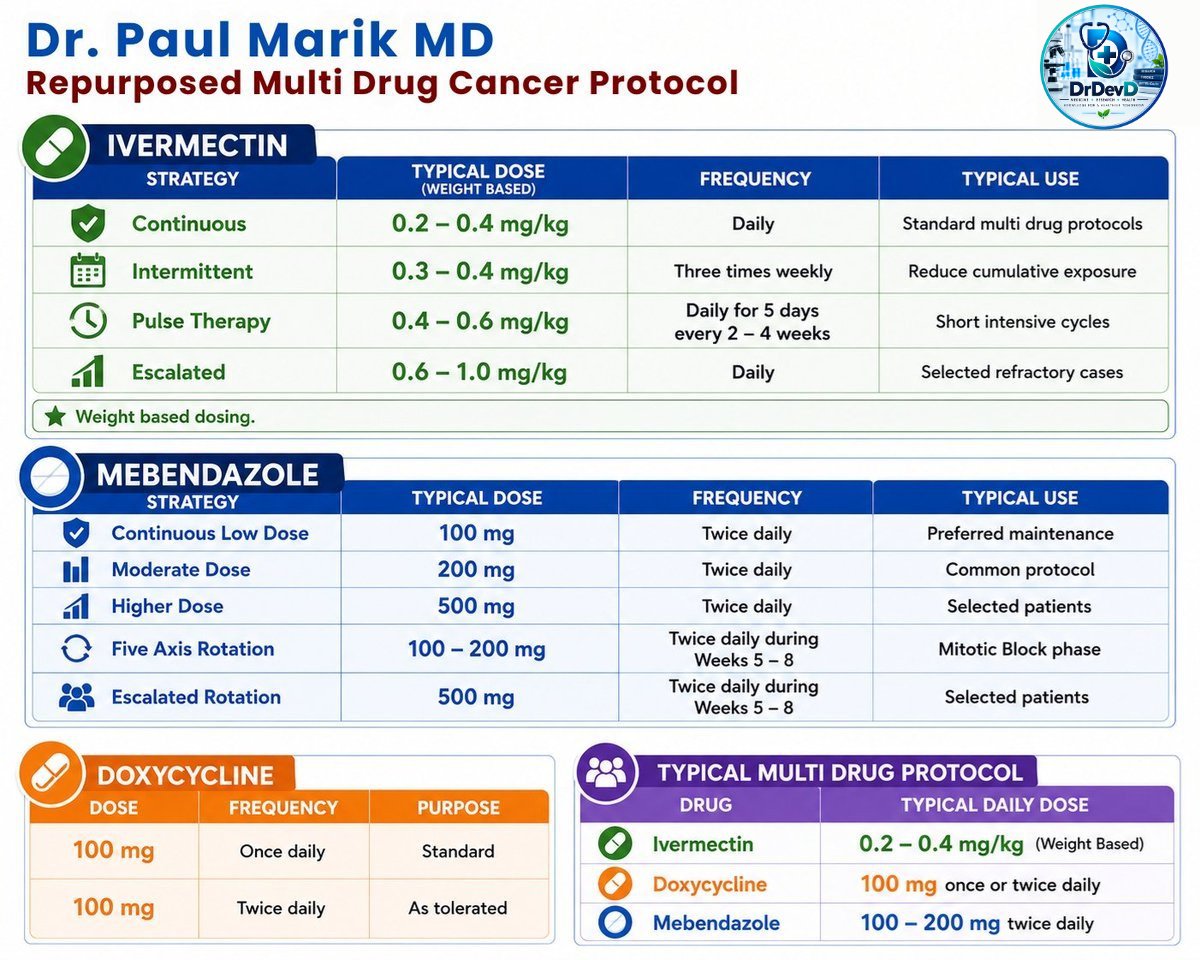
💊 A “REPURPOSED CANCER PROTOCOL” USING THREE FAMILIAR DRUGS
This chart presents a multi-drug cancer strategy attributed to Dr. Paul Marik involving ivermectin, mebendazole, and doxycycline. Rather than presenting one fixed regimen, it lists continuous, intermittent, pulse, and higher-dose approaches, including weight-based ivermectin schedules and different mebendazole dosing strategies.
The scientific idea behind drug repurposing is interesting. Ivermectin and mebendazole have demonstrated anticancer effects in laboratory and animal research through several proposed mechanisms. Mebendazole can disrupt microtubules needed for cell division, while ivermectin has been investigated for effects on multiple signaling and metabolic pathways. Doxycycline has also been studied for potential effects on mitochondrial function and cancer stem-cell biology.
However, the chart should not be interpreted as an established cancer-treatment guideline. These drugs are not approved as a three-drug cancer regimen, and the specific doses displayed have not been established as universally safe or effective for treating cancer.
That distinction becomes especially important at higher or prolonged doses. Drug interactions and adverse effects, including neurological or liver-related toxicity, can become clinically relevant, particularly when these medicines are combined with chemotherapy or other treatments.
Repurposing inexpensive existing drugs is a legitimate area of research. The crucial next step is determining through controlled human trials which cancers, if any, respond, at what doses, and whether patients actually experience better outcomes.
#Ivermectin #Mebendazole #Doxycycline #CancerResearch #DrugRepurposing #Oncology #CancerTreatment
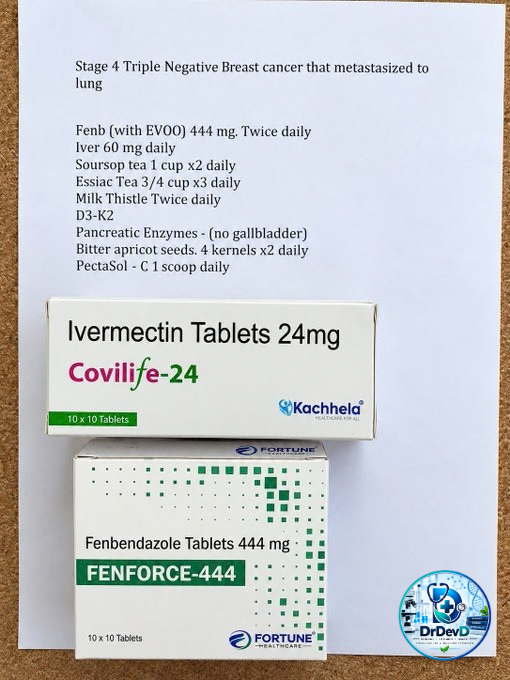
🚨 A STAGE 4 BREAST CANCER “PROTOCOL” IS CIRCULATING ONLINE. HERE’S THE IMPORTANT CONTEXT.
This image describes someone with stage 4 triple-negative breast cancer that had reportedly spread to the lung. Alongside supplements and herbal products, the list includes fenbendazole 444 mg twice daily and ivermectin 60 mg daily.
It is easy to understand why a list like this attracts attention. Both ivermectin and fenbendazole have appeared in cancer-repurposing discussions, and laboratory studies have explored potential anticancer mechanisms. Fenbendazole has shown effects involving microtubules and cancer-cell metabolism in preclinical experiments, while ivermectin has demonstrated anticancer activity through several pathways in laboratory research.
But a photographed regimen is not evidence that the combination produced remission or improved survival. We do not know from the image what conventional treatments the patient received, what the scans showed, how long each product was taken, or what adverse effects occurred.
The doses shown also should not be copied as a treatment protocol. Fenbendazole is primarily a veterinary drug, and high-dose ivermectin can cause adverse effects and drug interactions. Combining multiple supplements with cancer therapy can introduce additional risks.
Triple-negative metastatic breast cancer is a serious disease with treatment increasingly guided by factors such as tumor biomarkers and previous therapies.
Repurposed drugs deserve clinical investigation, but an individual regimen needs documented outcomes before it can tell us whether something actually worked.
#Fenbendazole #Ivermectin #BreastCancer #TripleNegativeBreastCancer #CancerResearch #DrugRepurposing #Oncology
“JUST DO A PARASITE CLEANSE” SOUNDS SIMPLE. THE REALITY IS DIFFERENT.
Videos promoting routine parasite cleanses often recommend buying veterinary ivermectin paste, measuring it using the horse-weight markings, taking activated charcoal, and interpreting unpleasant symptoms as evidence that parasites are “dying off.” Some people also report seeing worm-like material afterward and assume this confirms an infection.
There are several problems with that advice. Not everyone has intestinal parasites, and symptoms such as fatigue, abdominal discomfort, diarrhea, or unusual material in stool can have many causes. Something that looks like a worm is not necessarily a parasite. Proper stool testing or other diagnostic methods can identify many infections and help determine which treatment actually works.
Ivermectin is a legitimate human antiparasitic medicine for certain infections, but veterinary paste is formulated and labeled for animals. Horse-weight markings are not instructions for human dosing. Different parasites also require different medicines, so ivermectin will not treat every worm infection.
Activated charcoal creates another issue. It can bind medications and reduce their absorption, and it is not routinely needed alongside antiparasitic treatment. Feeling sick after taking a product should not automatically be dismissed as “parasite die-off.”
Parasites are real. Antiparasitic medicines can be extremely valuable. But diagnosis, the correct drug, and an appropriate human formulation matter more than a viral detox protocol.
#ParasiteCleanse #Ivermectin #Parasites #GutHealth #DrugSafety #HealthEducation #MedicalResearch
POTASSIUM BROMATE HAS BEEN USED IN BREAD FOR DECADES. WHY IS IT STILL CONTROVERSIAL?
Potassium bromate is a flour treatment and dough-strengthening agent that has been used in commercial baking for more than a century. Its purpose is largely technological: it can strengthen dough and help baked products achieve consistent texture and volume.
The controversy comes from toxicology research. The International Agency for Research on Cancer classifies potassium bromate as possibly carcinogenic to humans (Group 2B), based largely on sufficient evidence of carcinogenicity in experimental animals. Animal studies have reported tumors, including kidney tumors, after exposure.
Several countries prohibit its use in food, while U.S. federal regulations still permit potassium bromate in flour under specified conditions. FDA regulations state that its use should not exceed prescribed limits and should result in negligible residues in finished baked goods.
The important distinction is that evidence of cancer in animals at experimental exposures does not automatically establish that ordinary dietary exposure causes cancer in humans. At the same time, its toxicology explains why the ingredient continues to attract scrutiny.
Consumers who want to avoid it can check ingredient labels for “potassium bromate” or “bromated flour.” Claims that particular brands currently use it should be verified from current labels rather than older lists, since formulations change.
Sometimes the most useful health information really is sitting on the ingredient label.
#PotassiumBromate #FoodSafety #FoodIngredients #Nutrition #CancerResearch #HealthyEating #PublicHealth