Early identification of SCD across all regions is therefore
essential to improve survival and quality of life.
We conducted a cross -sectional study to assess the prevalence of SCD and SCT in Chunya district, Mbeya
Region, Tanzania (a low prevalence area).
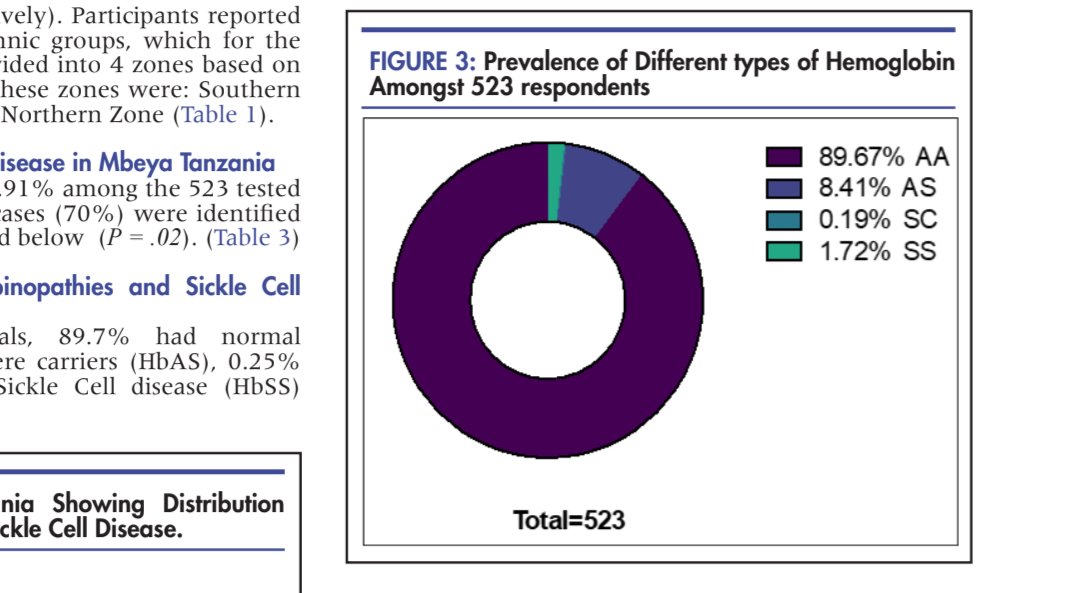
We have found a notably high prevalence of SCD which highlighted the need for early screening and community-based awareness programs. The prevalence of SCD in the tested population was 1.91% and the prevalence of SCT was 8.41% of which the majority of the SCD patients were < 5yrs
The epidemiology of Sickle Cell Disease (SCD), just like other diseases, is affected by climate change through increasing migration in search of arable land hence the shifts in the geographical prevalence of SCD from high prevalent areas to low prevalence areas.
While conspiracy theories often lack empirical support and can be misleading, the persistent failure to significantly improve patient outcomes might suggest that mainstream approaches are insufficient or misdirected.
ARE WE WRONG? Re thinking about NCD'S.
The incidence of non-communicable diseases (NCDs) such as diabetes mellitus is very high, and despite the efforts of numerous organizations like the American Diabetes Association conducting research and publishing guidelines on prevention
Third, should we consider alternative perspectives, including conspiracy theories, to address the high mortality rates and poor health outcomes associated with NCDs?