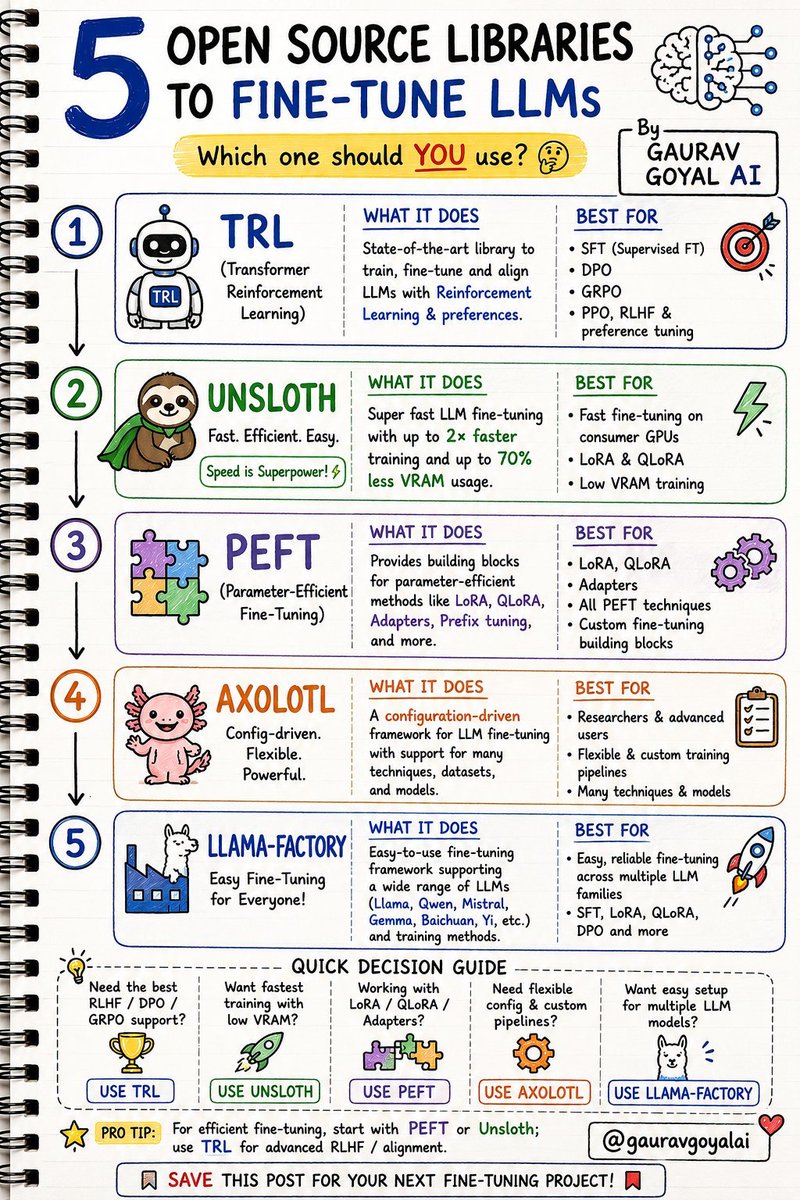
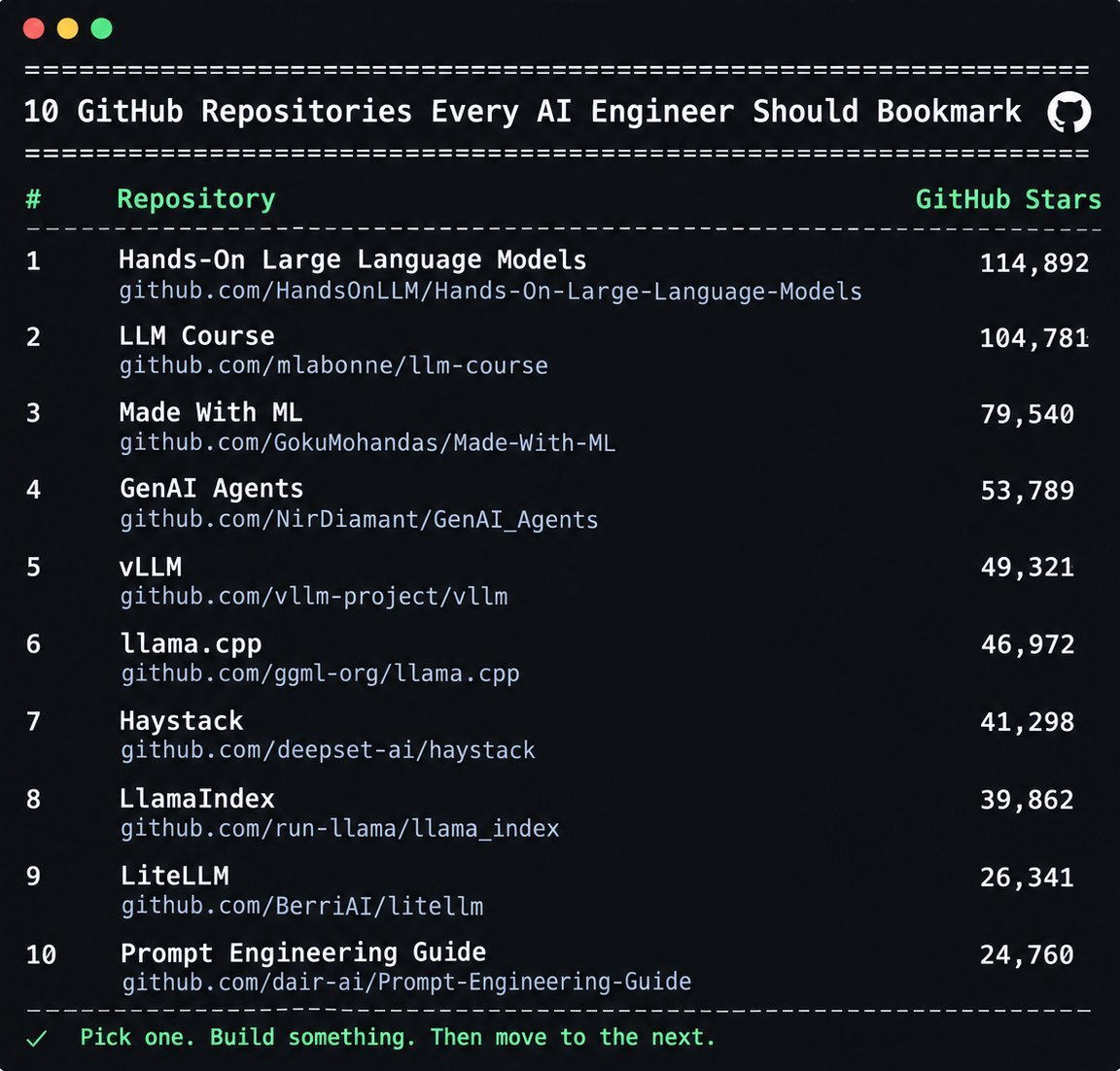
10 GitHub Repositories Every AI Engineer Should Bookmark 📌
If you want to become an AI Engineer, don't just learn how models work.
Learn how to build, deploy, evaluate, and scale AI systems.
Here are 10 GitHub repositories worth keeping bookmarked 👇
1. Hands-On Large Language Models
HandsOnLLM/Hands-On-Large-Language-Models
Learn LLMs by building.
Covers:
• Embeddings
• Transformers
• RAG
• Fine-tuning
• Semantic search
• LLM applications
GitHub: https://t.co/bbDCCOUeyP…
2. LLM Course
mlabonne/llm-course
A roadmap for going from LLM fundamentals to advanced topics.
Explore:
• LLM architectures
• Fine-tuning
• Quantization
• RAG
• Agents
• Deployment
GitHub: https://t.co/rFEn36ie5v…
3. Made With ML
GokuMohandas/Made-With-ML
Great for learning how to take ML projects from experimentation to production.
Covers:
• Data
• Modeling
• Evaluation
• Deployment
• MLOps
• Production ML
GitHub: https://t.co/0eisG1uF9Z…
4. GenAI Agents
NirDiamant/GenAI_Agents
Want to understand how modern AI agents are actually built?
Explore examples of:
• Tool use
• Planning
• RAG agents
• Memory
• Multi-agent systems
• Agent workflows
GitHub: https://t.co/dgzZM1bUDX…
5. vLLM
vllm-project/vllm
Learn how LLM inference works at scale.
Useful for understanding:
• High-throughput inference
• Model serving
• KV cache
• Distributed inference
• Production LLM APIs
GitHub: https://t.co/Yweos5rBhy…
6. llama.cpp
ggml-org/llama.cpp
Want to run LLMs locally?
This is one of the most important projects to explore.
Learn about:
• Local LLM inference
• Quantization
• CPU/GPU inference
• Model optimization
• Running models on consumer hardware
GitHub: https://t.co/zOxyowno2a…
7. Haystack
deepset-ai/haystack
A powerful framework for building production AI applications.
Explore:
• RAG
• Pipelines
• Agents
• Retrieval
• Document processing
• LLM applications
GitHub: https://t.co/q5ujl5WY21…
8. LlamaIndex
run-llama/llama_index
Useful for connecting LLMs with your own data.
Learn about:
• RAG
• Data ingestion
• Vector search
• Agents
• Knowledge bases
• Document retrieval
GitHub: https://t.co/kBNnKmR1wM…
9. LiteLLM
BerriAI/litellm
Building applications that use multiple AI providers?
This project is worth exploring.
It provides a unified interface for working with different LLM APIs and models.
GitHub: https://t.co/ySxwdchwgj
10. Prompt Engineering Guide
dair-ai/Prompt-Engineering-Guide
A huge collection of resources for understanding how to work effectively with LLMs.
Explore:
• Prompting techniques
• RAG
• Agents
• LLM research
• Model capabilities
• Prompt optimization
GitHub: https://t.co/3dgsjqtm8y…
Don't try to learn all 10 at once.
Pick based on your goal:
🐍 LLM fundamentals → Hands-On LLMs
🧠 LLM roadmap → LLM Course
🏗️ Production ML → Made With ML
🤖 AI Agents → GenAI Agents
⚡ LLM inference → vLLM
💻 Local AI → llama.cpp
📚 RAG → LlamaIndex / Haystack
🔌 Multiple LLM APIs → LiteLLM
✍️ Prompting → Prompt Engineering Guide
The goal isn't to bookmark more repositories.
The goal is to build with them.
Pick one.
Build a project.
Then move to the next. 🚀
And on the observability side, I’d also build in tools like OpenLIT, LangSmith/Langfuse, AWS CloudWatch/X-Ray, or GCP Cloud Logging/Trace from day one. They help explain what happened, but the key is still having policy checks and guardrails before the tool call so risky actions never execute in the first place.
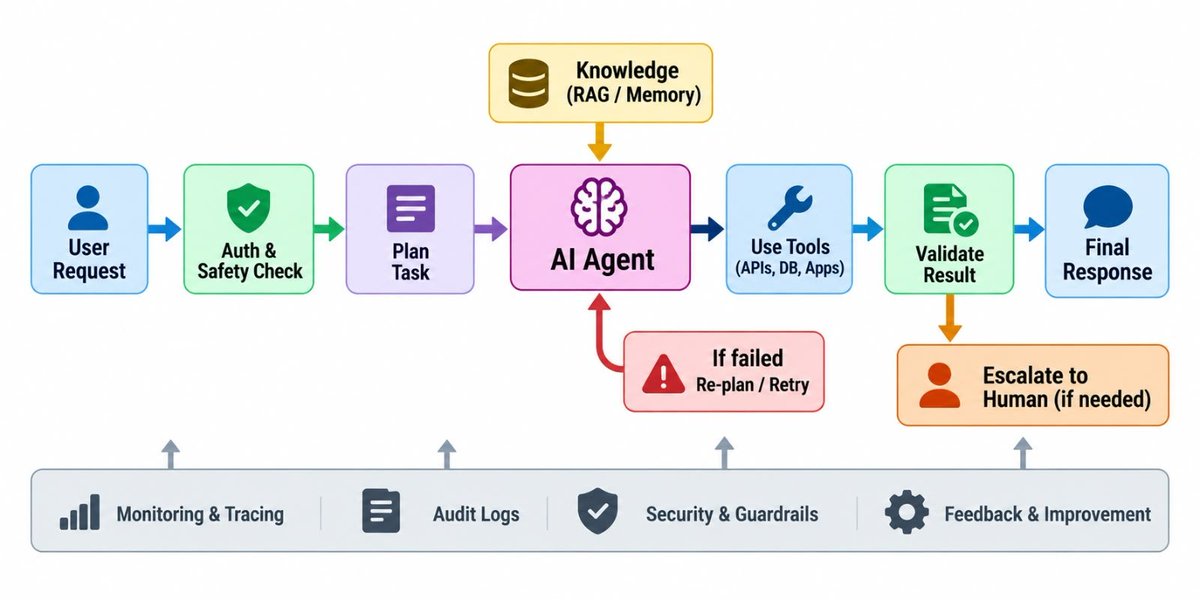
AI agents are easy to demo. Production is harder.
A production-ready agent needs much more than an LLM connected to a few tools.
It needs a workflow that can plan, act, validate, recover, and escalate safely.
A strong end-to-end flow looks like this:
→ Capture the user request and intent
→ Authenticate the user and run safety checks
→ Decide whether the request is allowed
→ Plan the task and break it into clear steps
→ Retrieve context from memory, RAG, vector databases, or knowledge bases
→ Decide whether a tool is needed
→ Select the right tool and verify permissions
→ Execute the action and observe the result
→ Validate accuracy, safety, and output quality
→ Re-plan or retry when the result fails
→ Escalate risky or ambiguous actions to a human
→ Generate the final response
→ Log feedback, metrics, and outcomes for improvement
The important part is what surrounds the core loop.
Monitoring and tracing make behavior visible.
Audit logs support governance and compliance.
Rate limits control abuse and cost.
Secrets management protects credentials.
Privacy policies define what data can be stored.
Model and prompt guardrails reduce unsafe behavior.
Incident handling helps teams respond when something breaks.
That is the difference between an agent that works in a demo and an agent you can trust in production.
The goal is not maximum autonomy.
It is controlled autonomy with clear permissions, validation, observability, and human oversight.
Which layer do you think teams underestimate most when moving AI agents into production?
@HoustonIntrove1 Exactly, logs are useful, but by then the action has already happened. The real value is stopping a risky tool call before it runs with the right permissions, checks, and approval gates.
Want to become an AI Engineer but don’t know what to learn first?
Don’t try to learn everything.
Pick a path and go deep. 👇
1️⃣ ML Engineer
2️⃣ Deep Learning Engineer
3️⃣ GenAI Engineer
4️⃣ LLM Engineer
5️⃣ RAG Engineer
6️⃣ AI Agent Engineer
7️⃣ MLOps Engineer
8️⃣ Computer Vision Engineer
9️⃣ NLP Engineer
🔟 AI Data Engineer
For every path:
Learn → Build → Deploy → Iterate
The mistake I see often is collecting tools without building anything.
Pick one direction.
Build real projects.
Learn what you actually need along the way.
Depth beats a giant checklist.
Save this for your AI learning roadmap.
#AI #AIEngineering #MachineLearning #GenAI #LLM #AIAgents #MLOps #RAG
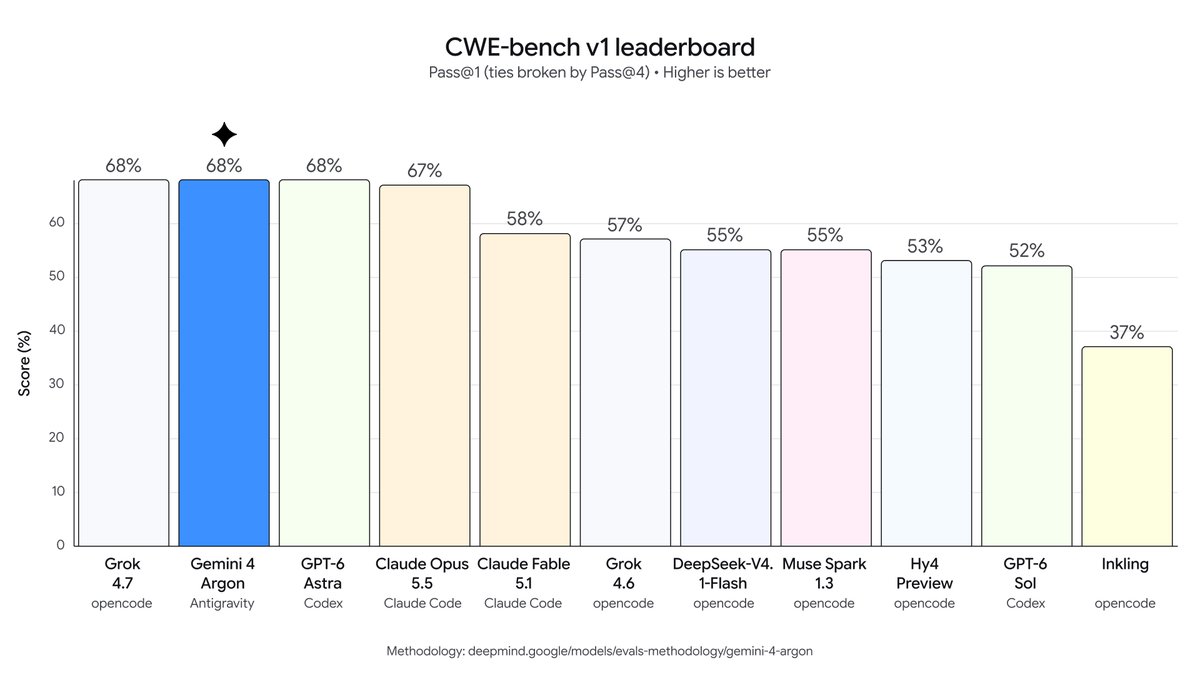
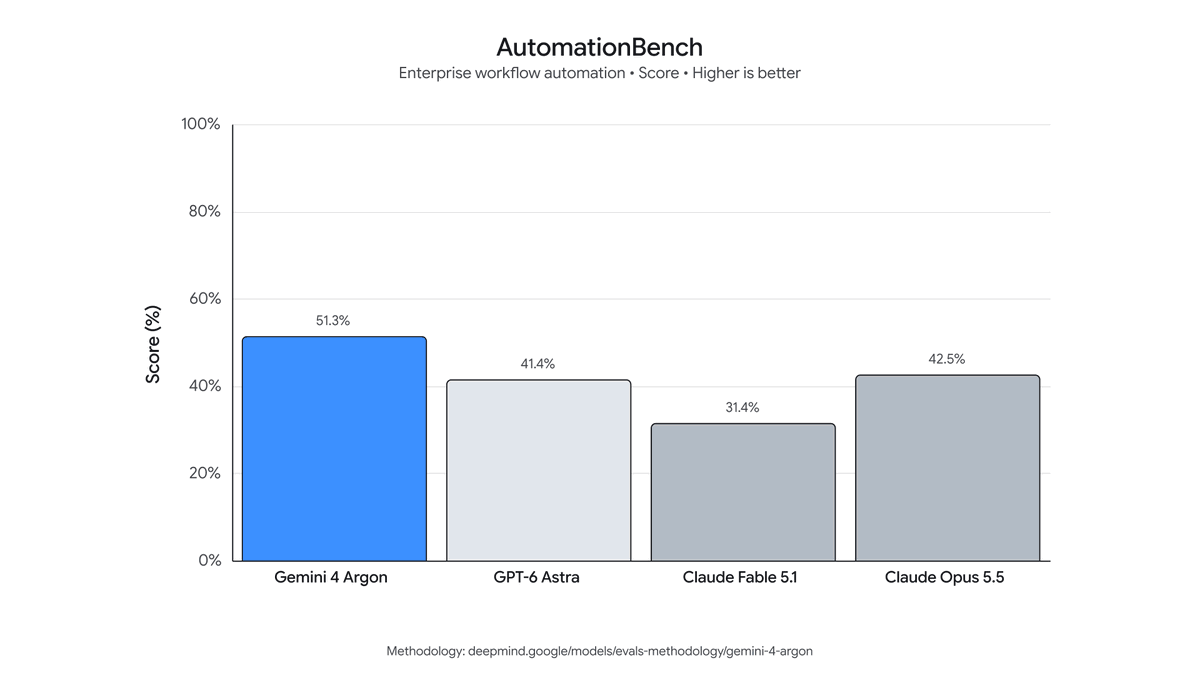
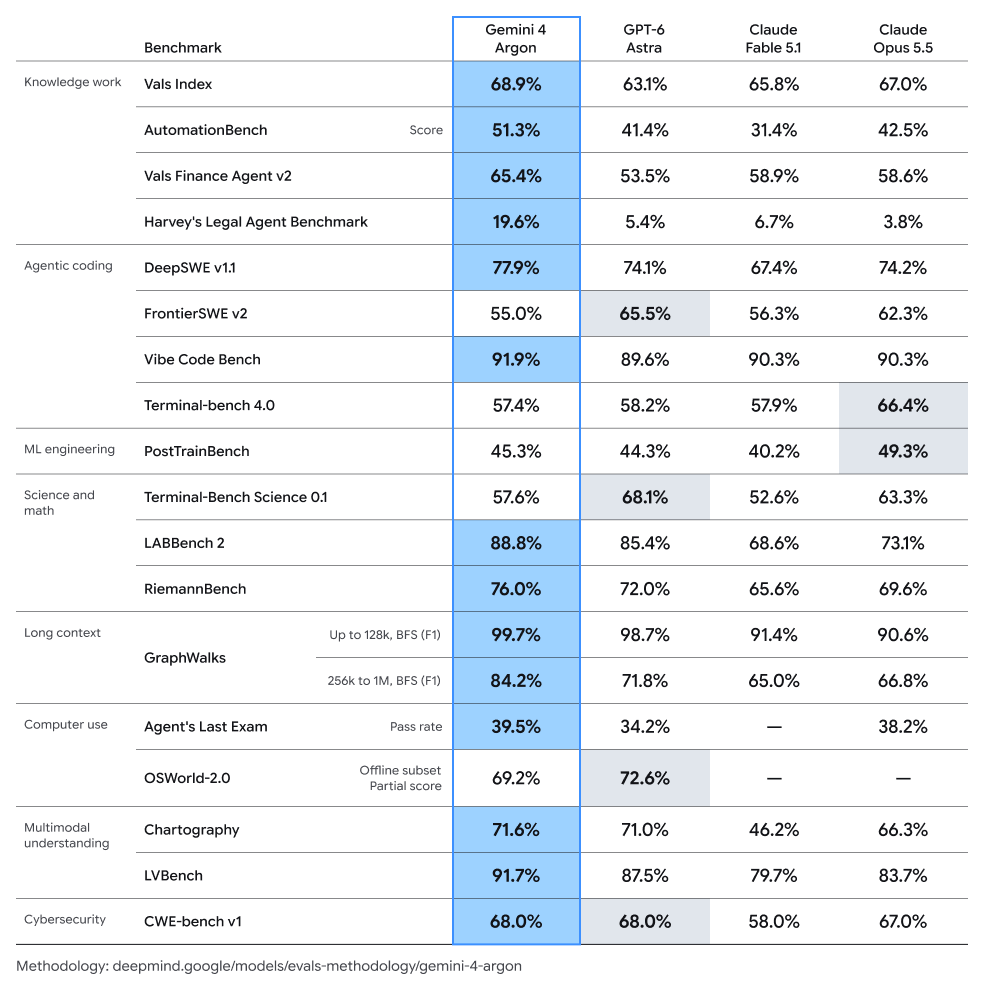
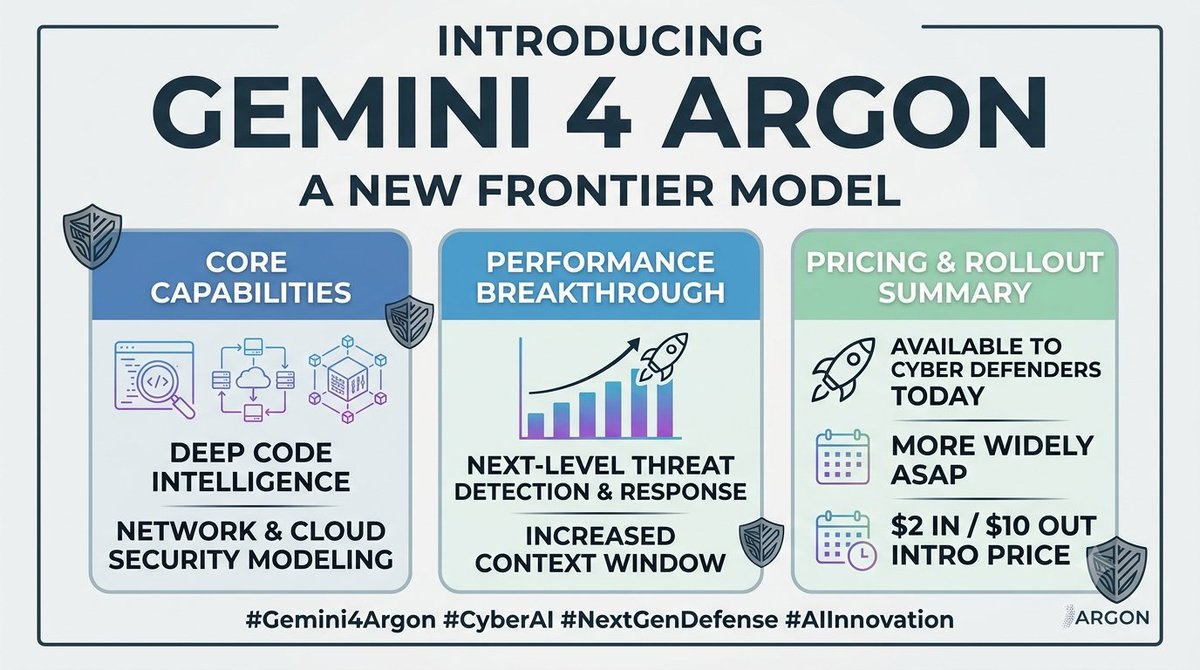
🚀 Game-changer alert! Gemini 4 Argon, the latest frontier AI model, is here!
🛡️ It’s rolling out to cyber defenders STARTING TODAY, with a wider release coming ASAP.
💡 Incredible progress and amazing introductory pricing! Check the diagram for details! 👇
Introducing Gemini 4 Argon, our new frontier model, rolling out to cyber defenders starting today, and more widely as soon as possible. I am really excited by the progress we have made here. Argon is priced at $2 in and $10 out during introductory pricing!
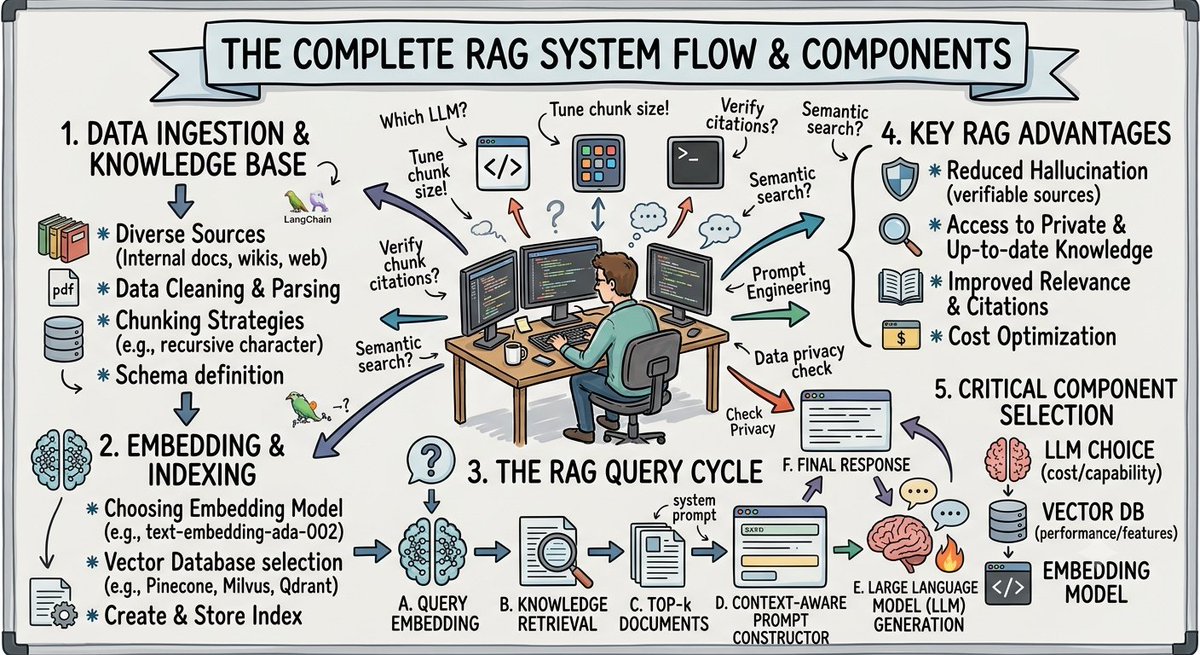
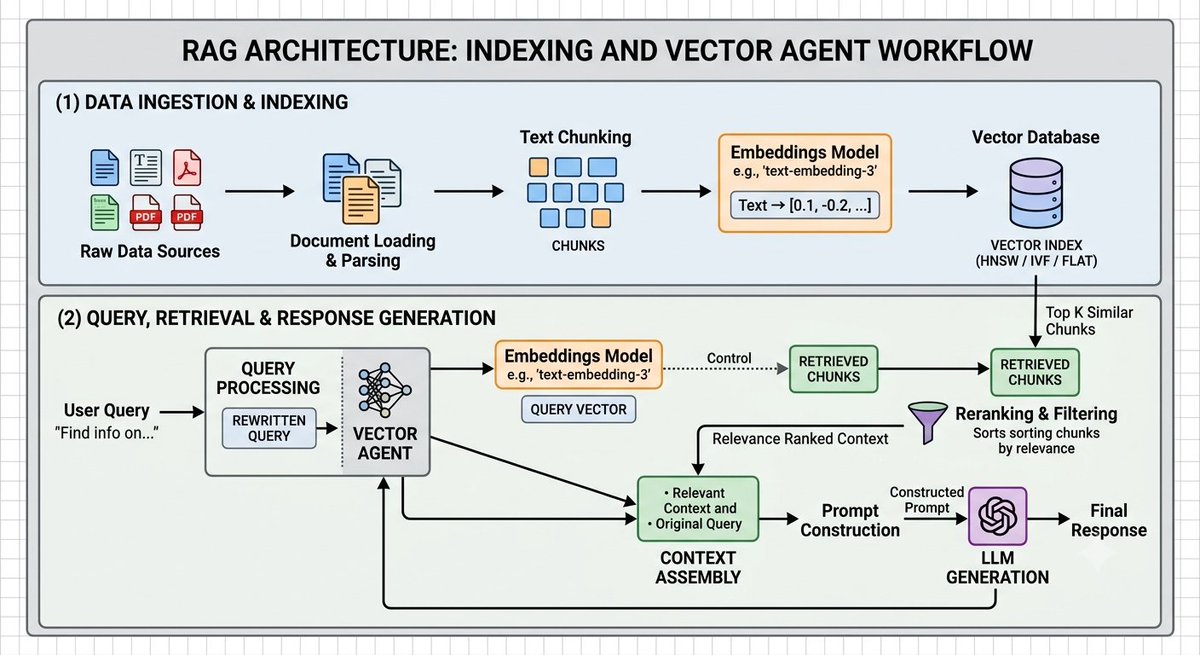
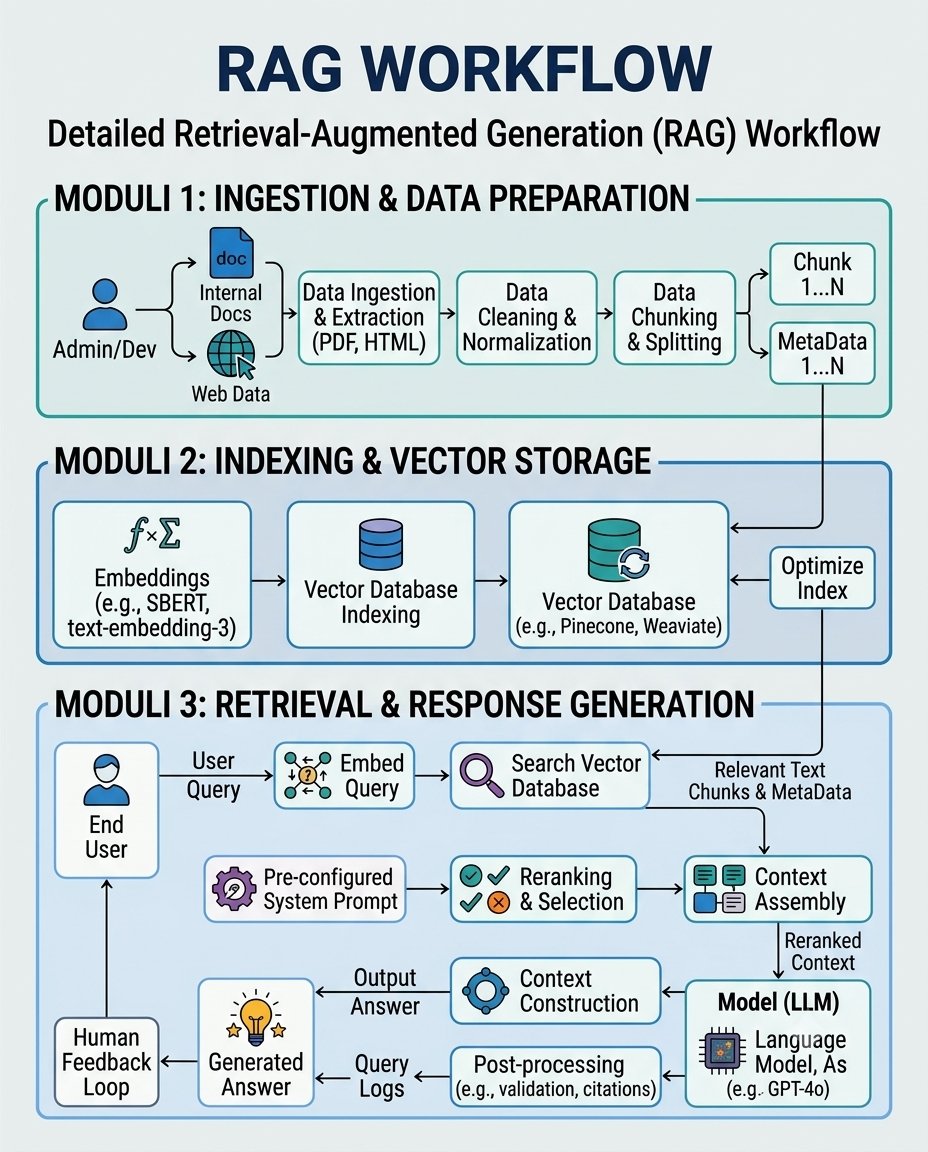
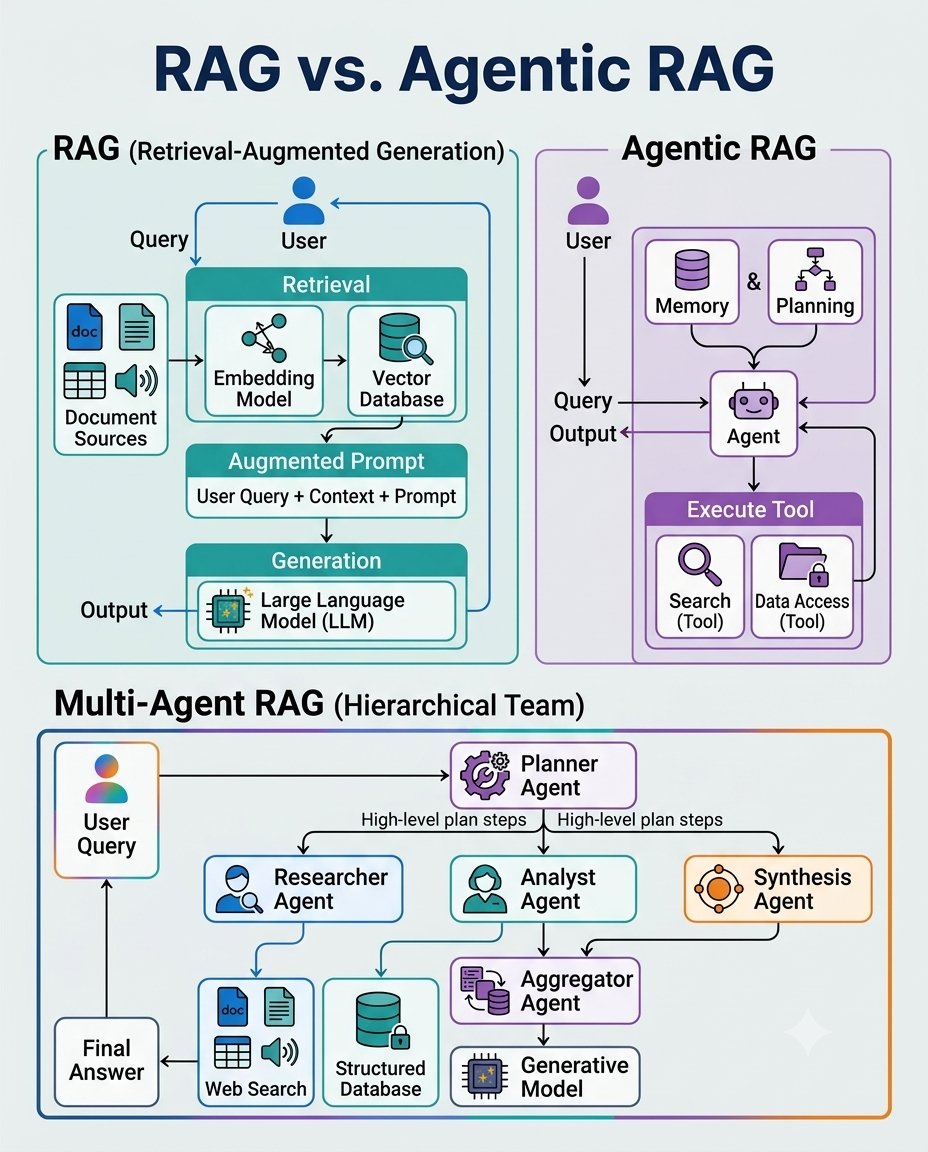
In Retrieval-Augmented Generation (RAG) and Agentic AI architectures, Indexing and Vector Agents are foundational components responsible for structural knowledge management, fast semantic search, and persistent memory.
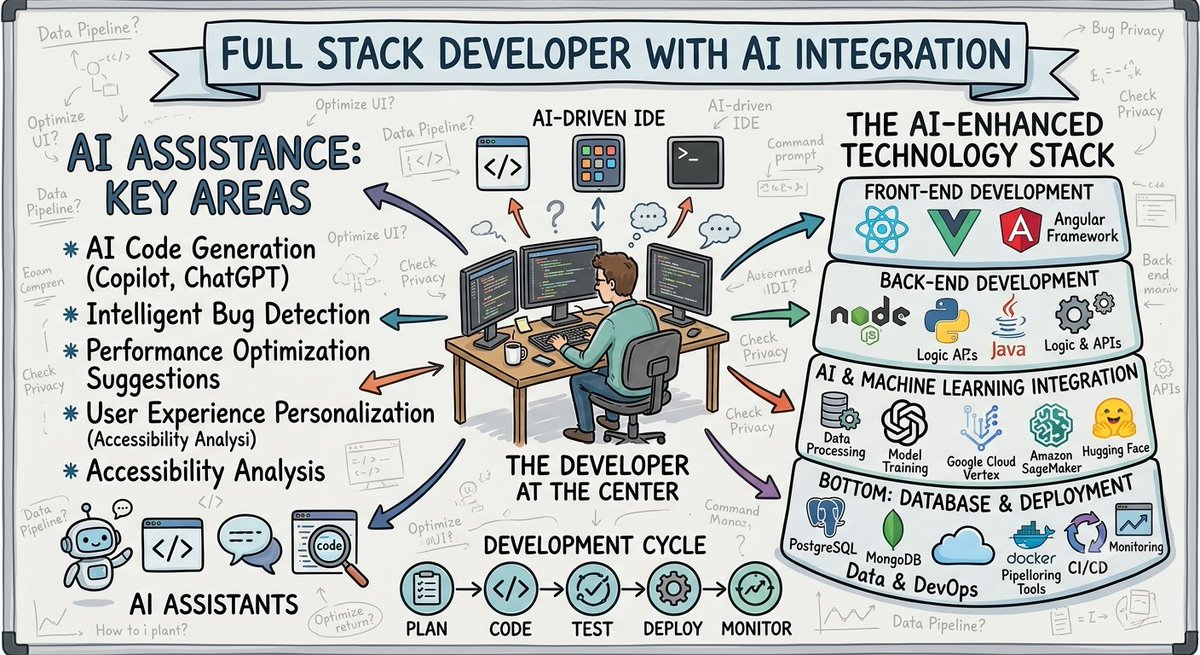
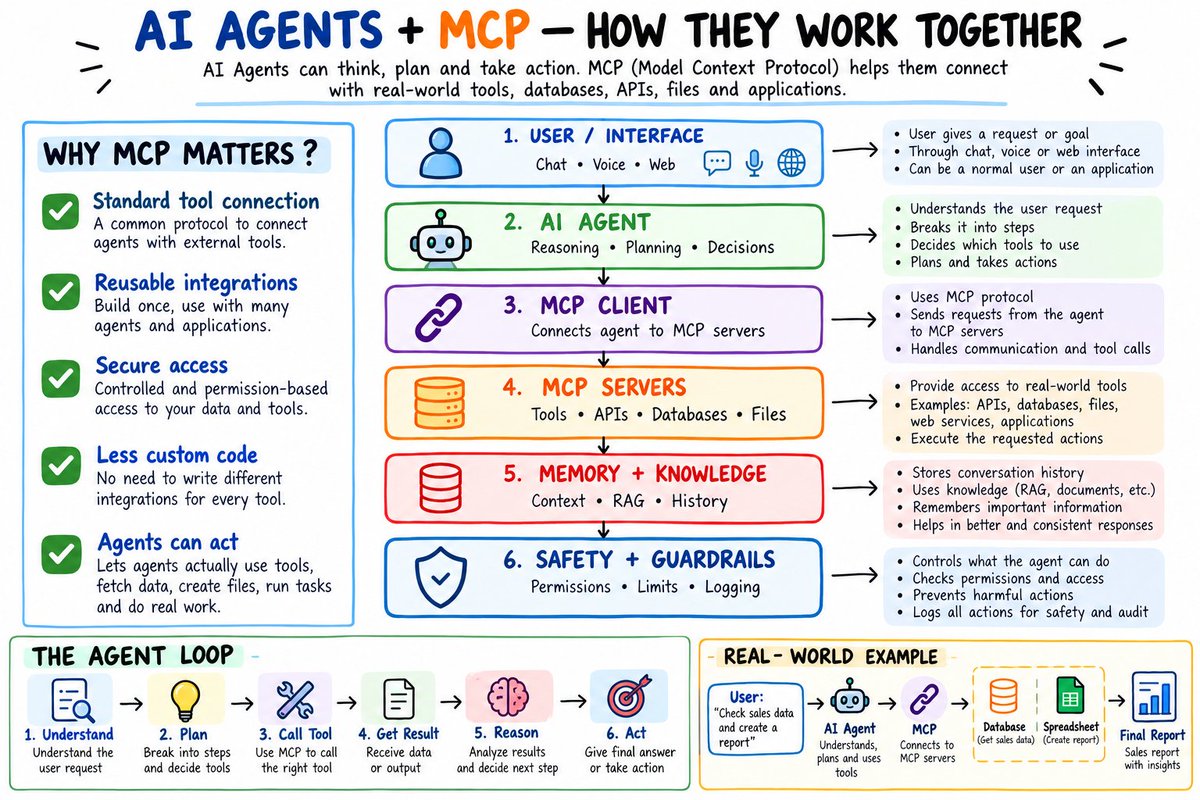
AI Agents with MCP (Model Context Protocol)
Connecting agents to external tools, databases, APIs, files, and applications.
Very useful for practical agent projects.