A stunning new maternal–fetal interface atlas led by @SusanFisher and @YingLi maps human placentation across gestation with single-cell and spatial resolution, an incredible resource for the field. I very much looking forward to digging into this one: https://t.co/wtIEQluw8I
New information from the European DOHaD Society Conference is now available! Join us for an exciting conference in September 2026 in Munich, Germany.
Please share with your peers!
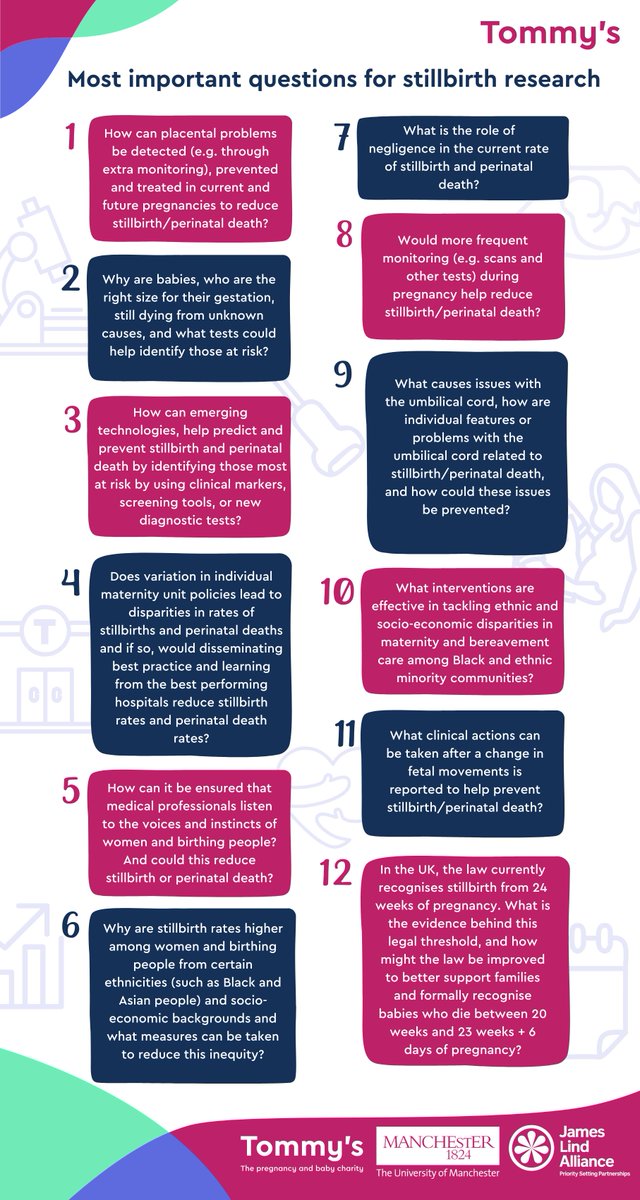
Working with parents and professionals, we have updated the #stillbirth priority setting partnership. These are the top-12 research priorities for stillbirth in the UK. Thank you to everyone who contributed their time and to Tommy's for funding and @LindAlliance for supporting
In this Opinion, we propose that pregnancy health depends on maternal–fetal immune homeostasis—and that complications like preterm birth and pre-eclampsia arise when this balance breaks. #NGLlab#CRepHS@WashU_OBGYN@washu_pathology
Cool new paper from the @ozannelab showing maternal iron homeostasis, not placental dysfunction, is associated with fetal hypoxia at e13.5 in obese mouse pregnancy https://t.co/F3XqHvmKkO
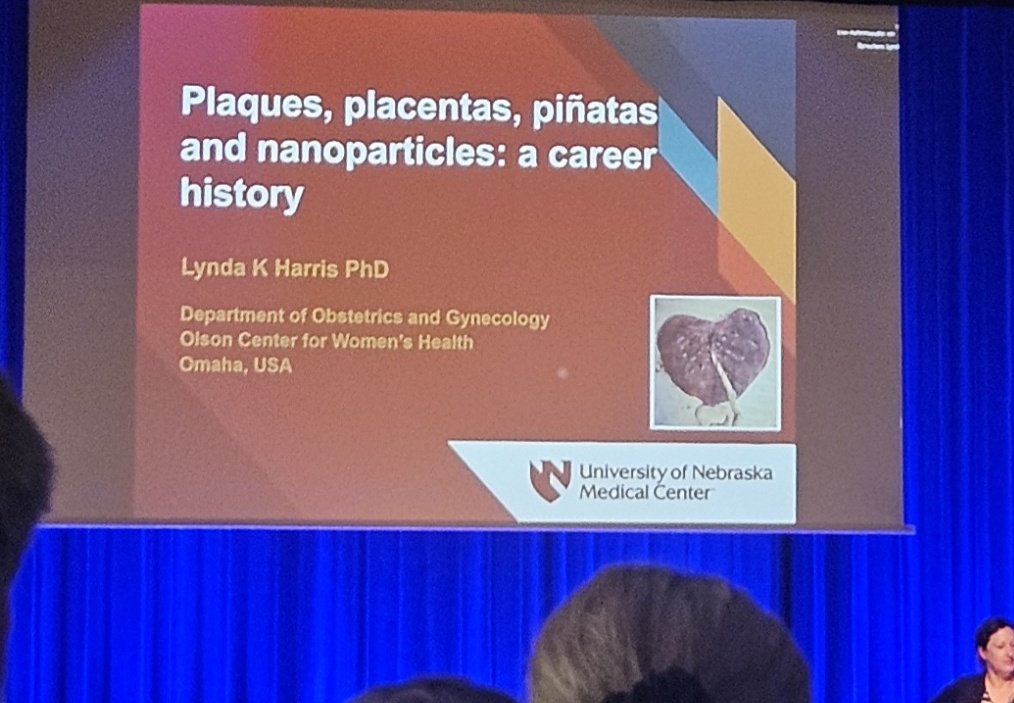
The Andrée Gruslin Award Lecture was truly inspiring, showcasing the remarkable journey of Lynda K Harris (Nebraska, USA) through her captivating talk on Plaques, placentas, piñatas, and nanoparticles! #IFPA2025
Do you have personal experience of stillbirth or are you a health professional who cares for people during pregnancy? We need you to prioritise the 10 most important research questions about stillbirth. Please complete the survey at https://t.co/Nb24haIbyO
#FlashbackFriday These 2017 authors found that during the perinatal period, #estrogen can cause “sexual differentiation of the male brain, and specifically the stress circuitry in the hypothalamus.” Read the results of this research study: https://t.co/13JVLqn6uH
Feels like it’s been a while between papers.. but our latest is now out! Here we used the side-population technique to isolate term trophoblast stem cells, showing that in FGR they grow slower, die more easily, and have impaired differentiation. https://t.co/Oak4Mm4BKh
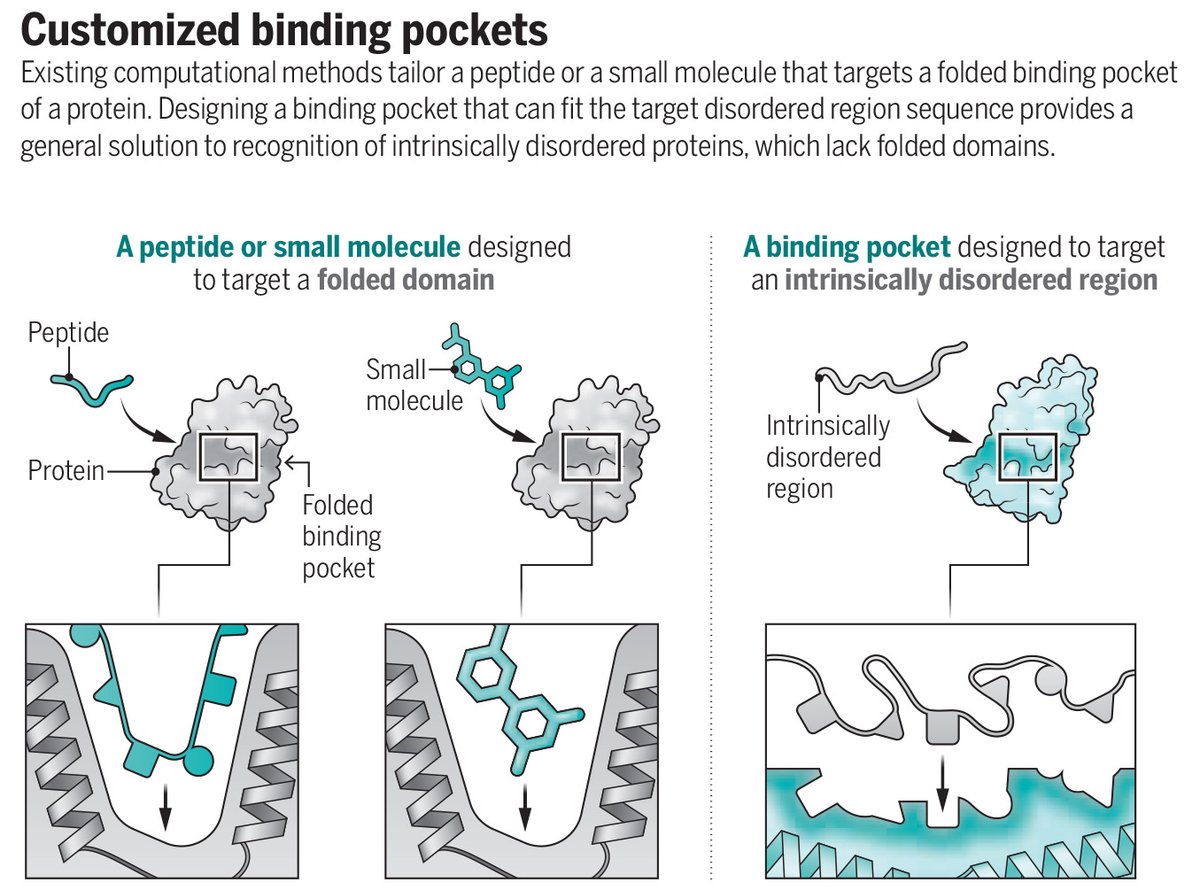
In a new Science study, researchers report a powerful tool to design small, folded protein domains that interact tightly with intrinsically disordered protein regions.
The authors suggest potential applications in cellular imaging, in vitro peptide capture, and modulating cell signaling pathways.
📄: https://t.co/P8GAxsuEl3
#SciencePerspective: https://t.co/S1GMTHmBsS
Loke CTR members Sung Gong, Gordon Smith and Steve Charnock-Jones, and collaborators have shown that raised Leptin and Pappalysin2 cell-free RNAs are hallmarks of pregnancies complicated by preeclampsia with fetal growth restriction.
📖 Read more: https://t.co/YJs7La1YTc
How did mammal placental diversity evolve? microRNAs play a significant role - so much so that their repertoire is predictive of phenotype .. Congrats to all: esp 1st author Jonathan Fenn & all in @niamhforde's group. Thanks to @BBSRC and @LeverhulmeTrust. https://t.co/wKscJS8VfY
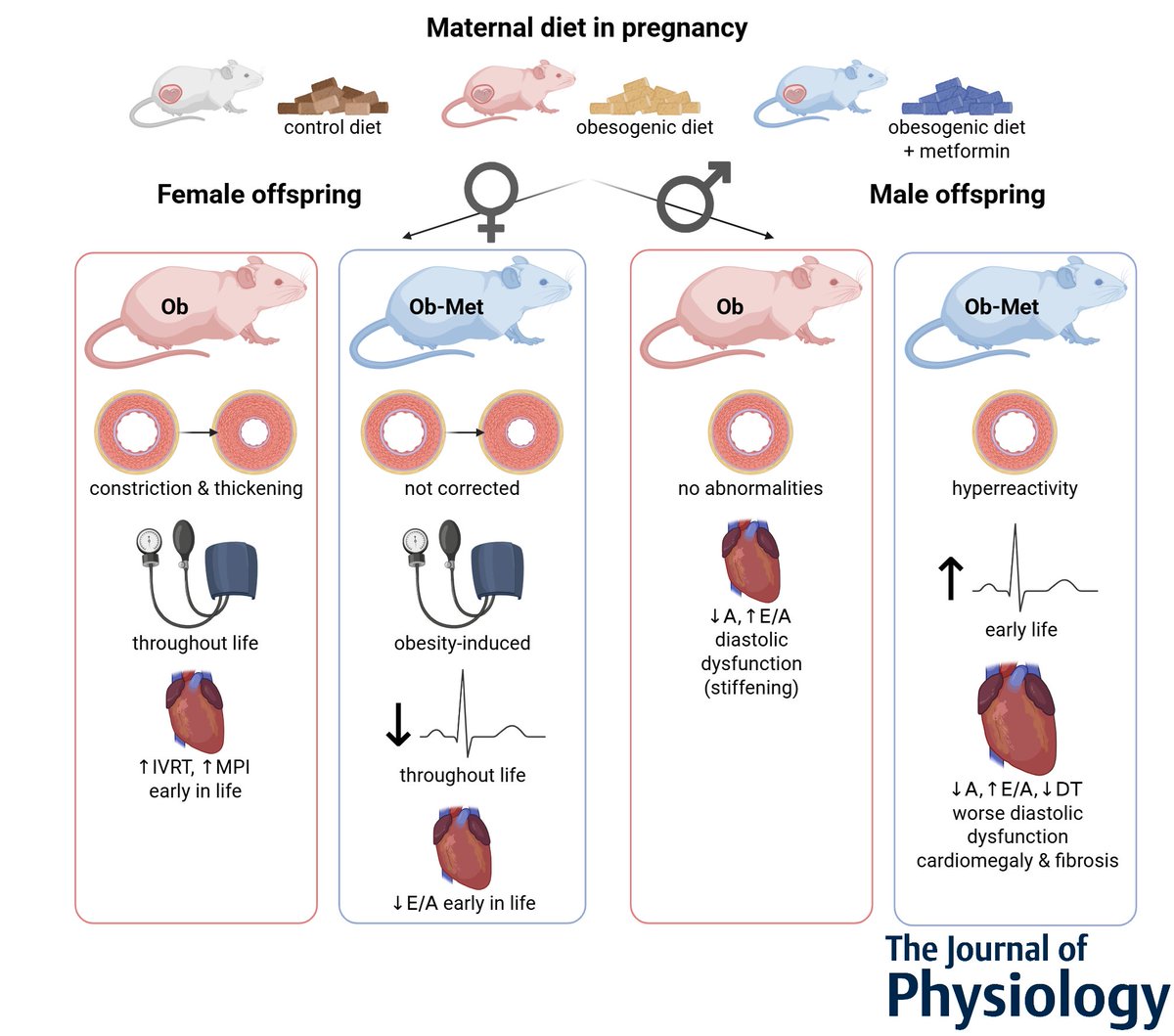
Our new paper showing sex-specific adverse #cardiovascular outcomes of prenatal #metformin exposure in a mouse model of diet-induced glucose intolerance is out now in @JPhysiol 🐁❤️ ♂️♀ https://t.co/MtDuR0i4y6 in collab with @ozannelab@Giussani_Lab#DOHaD
Recent paper from our team investigating endothelial-to-mesenchymal transition in fetoplacental vasculature in pregnancies complicated by gestational diabetes #pregnancy#placenta#EndMT#reprorocks@UoL_LICAMM@LeedsPRG
https://t.co/jKQ2TYZ3dN
Delighted to contribute to this epic review with colleagues @ObsGynaeCam and @ProfStephenTong. @Loke_CTR
The human placenta and its role in reproductive outcomes revisited | Physiological Reviews | American Physiological Society https://t.co/Ijj2TNDZr6