The U.S. Bureau of Economic Analysis is hiring Ph.D. researchers interested in machine learning applications in economics; salary range is $112,240-157,709. PDF version of posting: https://t.co/Po3SHh4SUH
Then, Andrea Batch (from the University of Maryland) presented: Scents and Sensibility: Evaluating Information Olfactation
Download their paper here: https://t.co/KLYGrV2qmG
Learn more about Andrea here: https://t.co/JQwSkpJ195 3/N
.@maggio_emanuela chairs the Smell session (10:30am CDT) w/ presentations on smell to convey data @DreaBatch, scent for safer driving @DoubleDmi, on-face olfactory devices @jdthamores, & creating temperature illusions via your nose w/ chemicals (me). 2/5
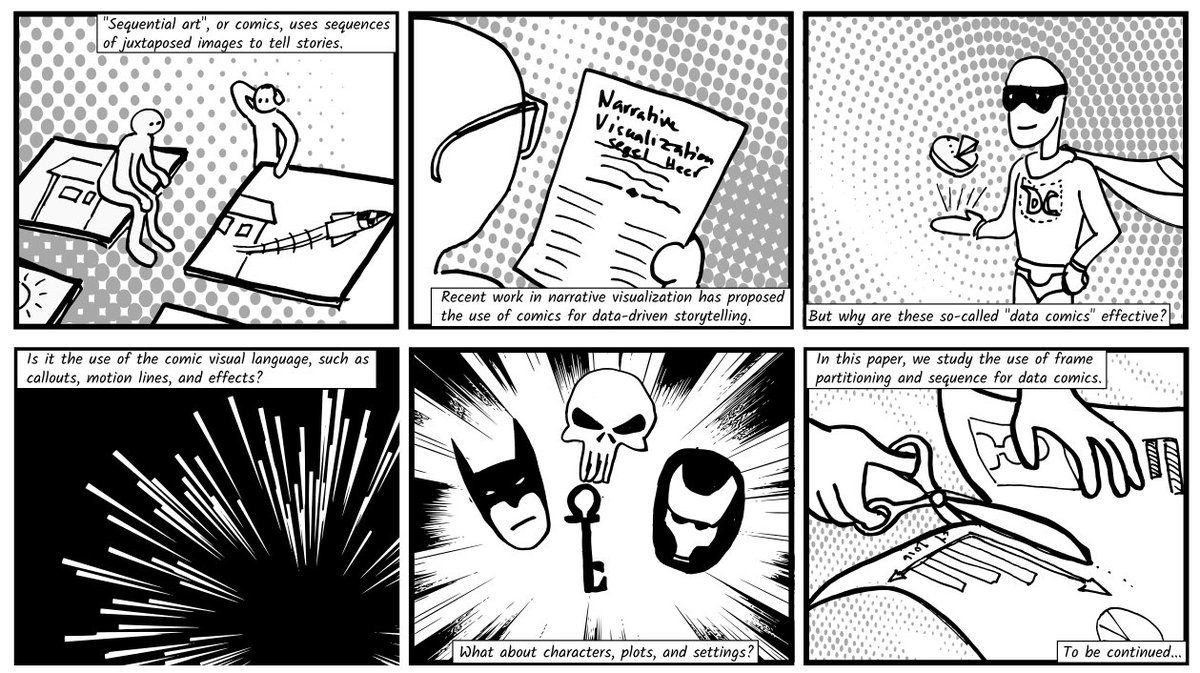
Zhenpeng Zhao will be presenting our pioneering DataComics work (https://t.co/sNUmatGz8n) at the iConference 2019 (@iconf); this year on the University of Maryland campus on March 31 to April 3! Come join us! #visualization#datavis#iconf19#umd#ischools https://t.co/PgUhLU0JiK
Sniffing out new ways to explore data? Check out this interesting work by @UofMaryland researchers in @hcil_umd who are linking virtual reality with the sense of smell to help people better process information. https://t.co/lCi2GlF8in #UMDinspires@iSchoolUMD@UMDscience
@StuckInTheIV This is just an image classification network trained to recognize objects and actions using video/images (input) and labels (output) from r/watchpeopledie. No part of this architecture involves hurting people.
@SecurityAmar @EricTopol@Health_Affairs@BEA_News [2/2] So, the spike from 2006 to 2009 is mostly a reflection of the small sample size; the less volatile blended estimate does not show a spike during that period. For a closer look, see the appendix, or hover over "Endocrinological" & click "diabetes" at https://t.co/R4WpoIgoDI
@SecurityAmar @EricTopol@Health_Affairs@BEA_News If you are talking about the dashed line showing change in per capita spending: The point of that figure is to show the relative instability of MEPS-only estimates vs estimates blending multiple data sources. The latter method reduces the volatility from MEPS' small sample size.
Check out this @Health_Affairs study, with accompanying data and interactive visualization, that I coauthored with Abe Dunn, Bryn Whitmire, Lasanthi Fernando, and Lindsey Rittmueller--U.S. health care spending growth 2000 to 2014, by disease! https://t.co/yi3kWE3zHF
In a new way to analyze health care spending, we now have detailed data on more than 200 medical conditions. Check out the details here, https://t.co/qMzVvsxXg5.
@hadleywickham@NElmqvist (1/3)
1) Is it too hand-wavy to say "it was a qualitative, ethnographic study, so we tried to be explicit about the limitation of