Gratia Plena is a nonprofit 501(c)(3) mental and spiritual health organization faithful to the teachings, values and traditions of the Catholic Church.
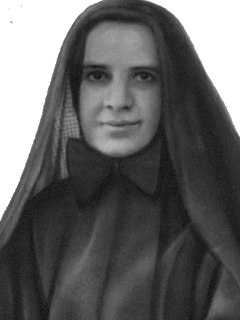
“God our Father,
Who called #StFrancesCabrini from Italy
to serve the immigrants of America, by her example,
teach us to have concern for the stranger,
the sick, and all those in need,
and by her prayers help us to see Christ…”
#Catholic#Prayer https://t.co/YKUBiEtnWp
Gospel of the Day (Luke 17,26-37)
Jesus said to his disciples: “As it was in the days of Noah, so it will be in the days of the Son of Man;
they were eating and drinking, marrying and giving in marriage up to the day that Noah entered the ark, and the flood came and destroyed them all.
Similarly, as it was in the days of Lot: they were eating, drinking, buying, selling, planting, building;
on the day when Lot left Sodom, fire and brimstone rained from the sky to destroy them all.
So it will be on the day the Son of Man is revealed.
On that day, a person who is on the housetop and whose belongings are in the house must not go down to get them, and likewise a person in the field must not return to what was left behind.
Remember the wife of Lot.
Whoever seeks to preserve his life will lose it, but whoever loses it will save it.
I tell you, on that night there will be two people in one bed; one will be taken, the other left.
And there will be two women grinding meal together; one will be taken, the other left."
They said to him in reply, "Where, Lord?" He said to them, "Where the body is, there also the vultures will gather."
https://t.co/ZAjRtWywx6
HERMIT RULE 11:
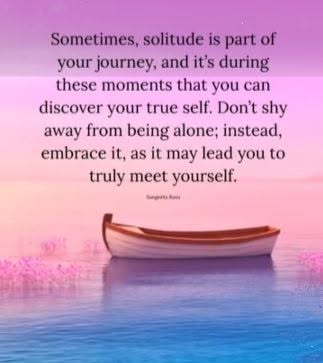
Live one day at a time. Take advantage of the moments and the dawns. Discover in each moment, in landscapes, in music and in all manifestations of beauty, the depth of your true interior solitude.
Gratia Plena offers a low-cost, faith-based, professionally facilitated Saturday morning men's group for guys wanting to break their attachment to compulsive sexual behavior. Men: take the first step toward freedom by calling our office for details.
According to the most recent Youth Risk Behavior Survey (2025), 6% of youth in grades 9-12 reported attempting suicide in the past 12 months (a decrease from 9% in 2023), but disparities among gender, race, and sexual orientation persist.
Read more: https://t.co/pU4FE2YNd4
Human beings do not flourish in spite of their limitations, but often through them. It is precisely when our limitations become tangible in our lives that we can discover a new wisdom, experience the closeness of others, and encounter the presence of the Lord. #ApostolicJourney #Argentina #MagnificaHumanitas
Today idols arise and demand our worship: success at any cost, money, an obsession with appearance, popularity, or the unrestrained pursuit of pleasure. Sometimes, in order to win the approval of others, we may go so far as to lie, betray, or humiliate someone on social media. Do not bow down before anything that cannot give you life. And if you have ever fallen, get back up. Do not allow anything or anyone to take away the freedom God has given you. #ApostolicJourney #Argentina
Friends, Pascal said that all of humanity’s problems stem from our inability to sit quietly in a room alone.
Pascal’s point was that we keep ourselves busy so that we never have to face ourselves—our restlessness, our mortality, the questions we’d rather not ask. He called it diversion.
And four centuries later, the ultimate diversion fits in our pockets. Every notification and every scroll is another moment of not being alone with the truth.
But the silence we run from is not empty. It is where the deepest questions rise up, and where God has always spoken to those willing to listen: “Be still, and know that I am God!” (Ps 46:10).
Blessed John Duns Scotus was a Scottish Franciscan priest, philosopher, and theologian known as the Subtle Doctor. Born about 1266 at Duns in Berwickshire, Scotland, into a family connected with the Friars Minor, he entered the order as a youth, receiving the habit at Dumfries where his uncle Elias Duns served as superior. He was ordained priest on 17 March 1291 at Northampton. His formation and early teaching took place at Oxford, after which he was sent to the University of Paris around 1302 to lecture on the Sentences of Peter Lombard. In 1303, when King Philip IV of France demanded that the clergy support an appeal against Pope Boniface VIII, Scotus refused and was briefly expelled from the city; he returned the following year, completed his doctorate in 1305, and resumed teaching. In 1307 he was transferred to the Franciscan studium in Cologne, where he continued his lectures until his sudden death on 8 November 1308 at the age of about forty-two. He was buried in the Franciscan church there, near the cathedral, and his remains have remained a focus of veneration. Scotus earned his title for the precision and subtlety of his thought. He is especially remembered for his defense of the Immaculate Conception of the Blessed Virgin Mary, developed through the argument that God could preserve her from original sin, it was fitting that He should do so, and therefore He did; this line of reasoning later contributed to the dogmatic definition of 1854. He also taught the absolute primacy of the Incarnation of Christ, independent of the Fall, and emphasized the primacy of the will, the formal distinction, and the univocity of being. His major works, the Ordinatio and the Quaestiones quodlibetales, left unfinished at his death, shaped the Scotist school and influenced later theology and philosophy. Long honored with an immemorial cult in the Franciscan order and in the places of his life and burial, he was beatified by Pope John Paul II on 20 March 1993. His liturgical memorial is 8 November.
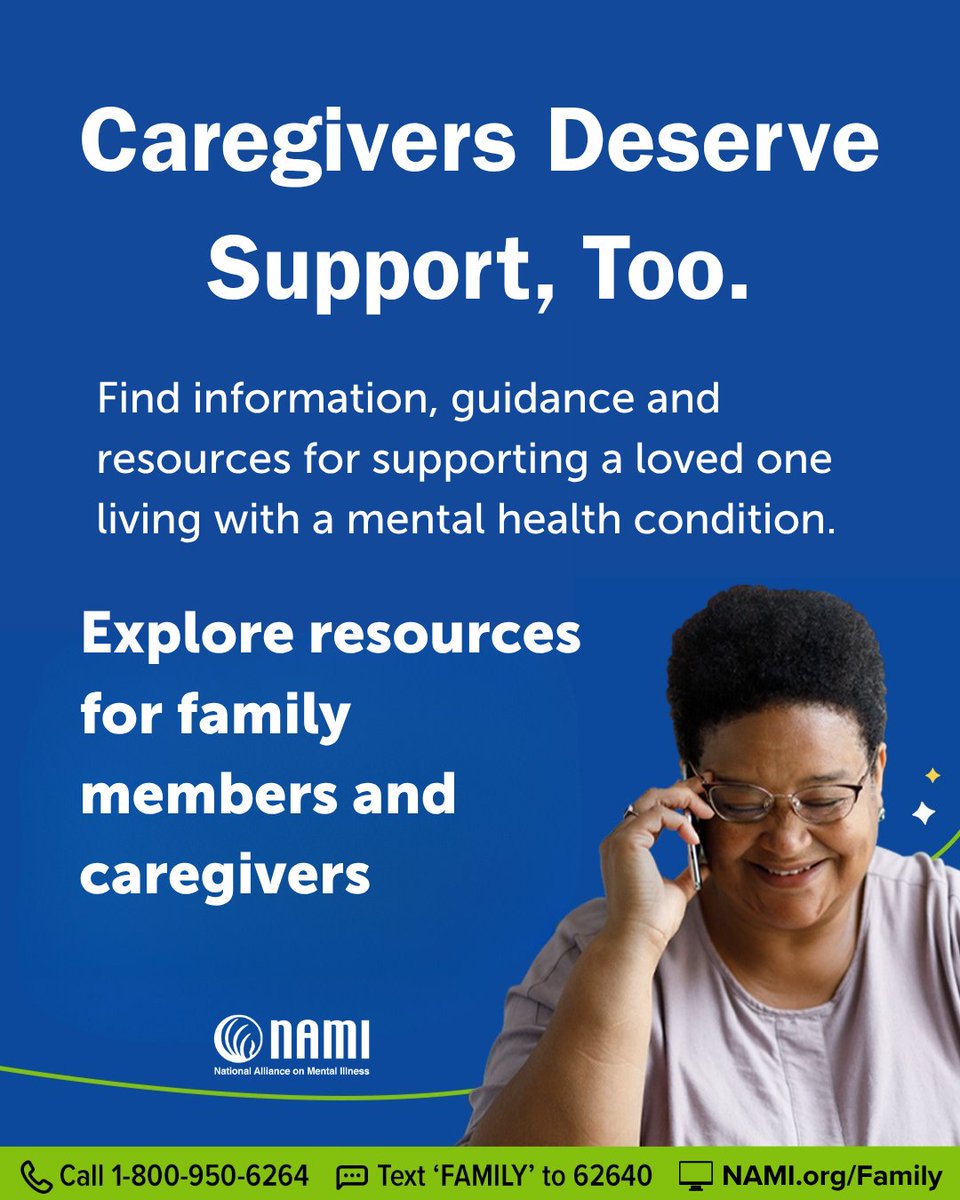
Caregivers deserve support, too. 💚
This National Family Caregivers Month, explore the NAMI HelpLine Knowledge Center for information and resources to help you support a loved one living with a mental health condition while caring for your own well-being.
Find resources: https://t.co/YceCK1Q75Q
#NationalFamilyCaregiversMonth #CaregiverSupport
🧠💙 Stress is a part of life, but understanding it is the first step towards managing it.
On *International Stress Awareness Day*, let's recognize how stress affects our thoughts, emotions, and overall well-being. Taking time to pause & reflect
#InternationalStressAwarenessDay
Bishop St. Charles Borromeo in the 16th century spoke about self-care "do not give yourself to others so completely that you have nothing left for yourself." Healthy self-care is to be distinguished from selfishness.
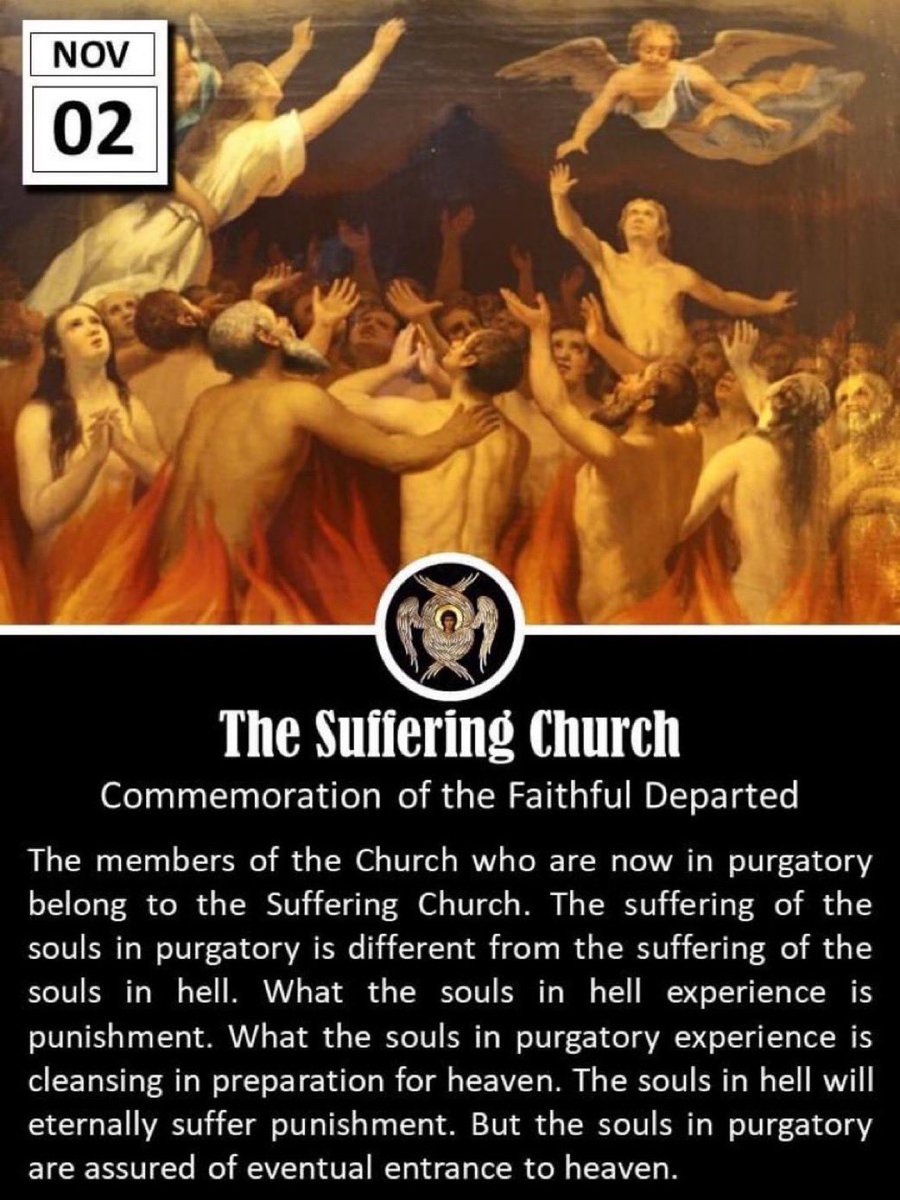
Today is All Souls Day, also known as the Commemoration of the Faithful Departed. All Souls Day is dedicated to praying for those who have died, particularly those in Purgatory. This tradition stems from our belief that souls in Purgatory benefit from the prayers of the living.
In Catholic doctrine, Purgatory is a state of purification for souls that have died in God's grace but still need purification before entering Heaven. Prayers, the offering of Holy Mass, and acts of charity offered by the living can aid these souls.
Special Masses are held where priests wear vestments of varying colors (violet, black, or white) depending on local customs.
The belief in Purgatory and the practice of praying for the dead are rooted in scripture (2 Maccabees 12:46). The Second Council of Lyons (1274) and the Council of Trent (1563) affirmed the doctrine of purgatory.
All Souls Day underscores the Catholic belief in the Communion of Saints, where the living (Church Militant), the saints in Heaven (Church Triumphant), and the souls in Purgatory (Church Suffering) are all united in an unbroken spiritual fellowship.
All Souls Day thus serves as a poignant reminder of the connection between the living and the dead, encouraging acts of charity, remembrance, and prayer, reflecting the hope for eternal life and the efficacy of intercessory prayer.
Jesus reminds us that suffering is not a punishment for sin, but life is fragile and calls us to conversion. Like the patient gardener, God gives us time to bear fruit. His mercy is endless, but we must not waste the opportunities to change our hearts.
Pope St. John Paul II was one of the most influential Catholic leaders of the modern era. Born Karol Józef Wojtyła in Wadowice, Poland, in 1920, he experienced suffering from an early age. His mother died when he was eight, his older brother died three years later, and his father died during World War II.
When Nazi Germany occupied Poland, the young Karol worked in a quarry and chemical factory to prevent being taken to serve in the German army. He secretly studied for the priesthood, was ordained in 1946, and eventually became Archbishop of Kraków. As a bishop, he participated actively in the Second Vatican Council and contributed to its document Gaudium et Spes, which addresses the Church’s relationship with the modern world.
On October 16, 1978, Karol was elected pope, taking the name John Paul II. His 27-year pontificate saw extensive international travel, evangelization, defense of human dignity, and a fervent call to encounter Jesus Christ. He established World Youth Day, bringing millions of young people together in prayer and celebration.
He also became known for his teaching on human love, marriage, the family, and the dignity of every human person. His numerous writings included 14 encyclicals, among them Redemptor Hominis (The Redeemer of Man), Evangelium Vitae (Gospel of Life), and Ecclesia de Eucharistia (The Church of the Eucharist).
Deeply devoted to Divine Mercy, he canonized St. Faustina Kowalska in 2000 and established Divine Mercy Sunday for the universal Church. In 2002, he entrusted the universal Church to Divine Mercy at the newly dedicated shrine in Kraków-Łagiewniki.
He died on April 2, 2005, the vigil of Divine Mercy Sunday. He was beatified in 2011 and canonized by Pope Francis in 2014.
Pope St. John Paul II’s life and ministry continue to echo his famous invitation: Do not be afraid to open the doors to Christ. Crossing many milestones in a changing world, his pontificate prepared the Church to enter the new millennium.
More: https://t.co/2OejFnRxTj