Join Dr. Nigma Talib, ND for a rejuvenating wellness retreat at the Mayflower Inn & Spa.
Thursday, March 6th - Sunday, March 9th
https://t.co/dIPjLB1mmn
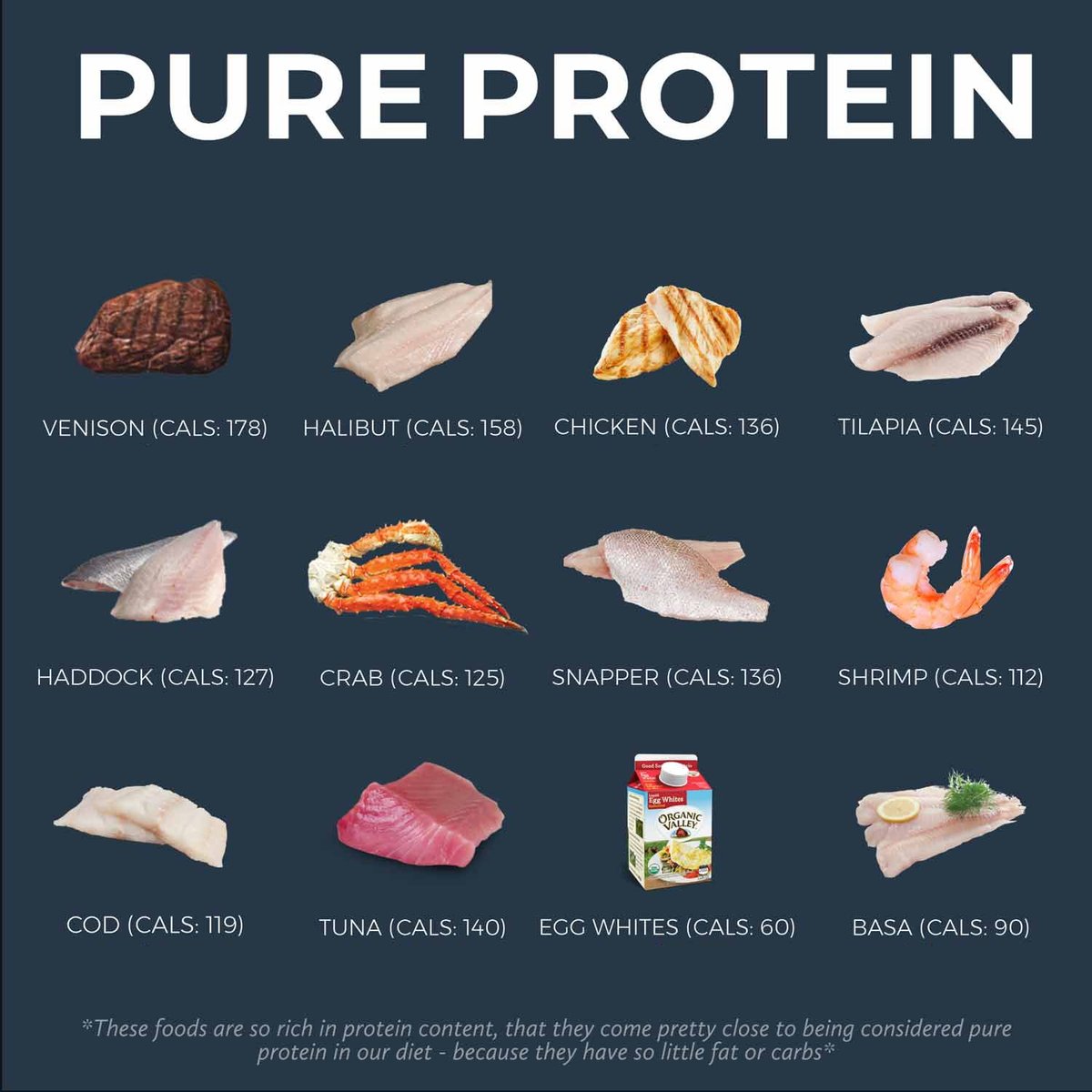
One study showed that simply increasing protein intake from 15% to 30% of calories made people eat 441 fewer calories per day, without actively restricting their intake.
Protein is often referred to as the king of nutrients, and it does seem to have some superpowers. Due to its ability to affect your hunger and satiety hormones, it’s the most filling of the macronutrients.
People who consume more calcium—through supplements or food—tend to weigh less than people who don’t. Dieters who take calcium lose more weight than dieters who do not.
For example, when researchers supplemented overweight African-Americans with 1,000 daily milligrams of calcium, the women lost weight effortlessly. Multiple studies have been completed since and have continued to find the same beneficial results.
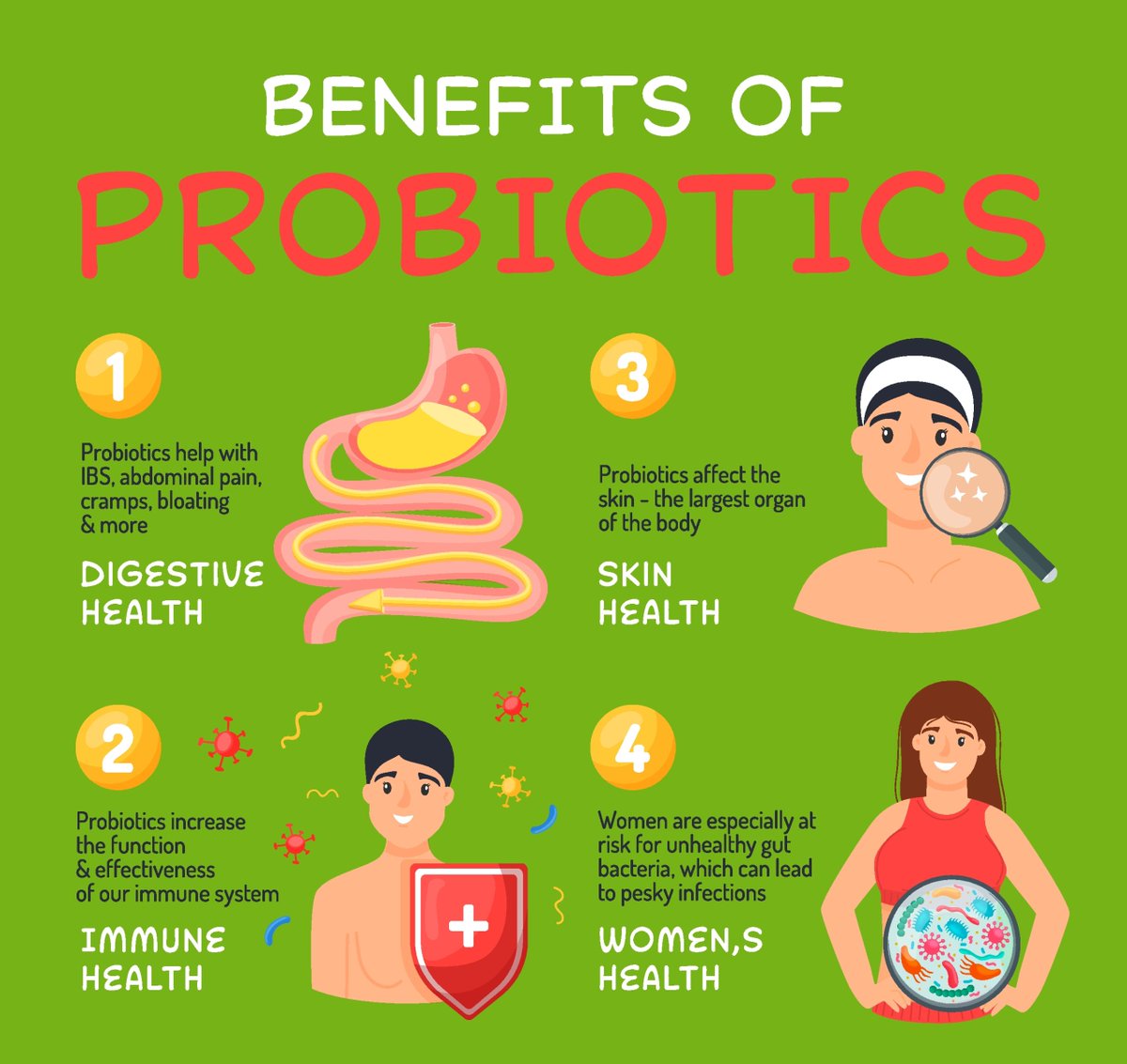
These healthy types of bacteria have been shown to improve weight loss, bolster immunity, reduce the risk of certain cancers, improve bowel health, synthesize nutrients and reduce allergy symptoms.
Probiotic literally means 'for life'. In our opinion, everybody should take a probiotic supplement. A probiotic supplement introduces good bacteria into your GI tract.
It is highest in Vitamin A, though, with just half a cup of pumpkin puree containing 104% of an adult’s recommended daily value. This is an important aid for immunity support and for fighting infections.
Tip: Remember to combine with protein/fat to stabilize blood glucose levels
Fall’s most decorative gourd is also one of the season’s top superfoods. Many people forget that pumpkin is actually a squash, and is incredibly nutrient-rich. Pumpkins are packed with immune-supportive antioxidants, like vitamin A and vitamin C.
It slows down the speed at which carbs are absorbed into the bloodstream and may benefit both short- and long-term blood sugar control in people with diabetes.
A good way to ensure that you eat your greens is to eat them as a starter. By doing so, you will most likely finish all of your greens while you are the hungriest and be apt to eat less of other, perhaps less healthy, components of the meal.
This may lead you to eat fewer and healthier calories overall, which may result in weight loss. Furthermore, eating vegetables before a carb-rich meal has been shown to have beneficial effects on blood sugar levels.
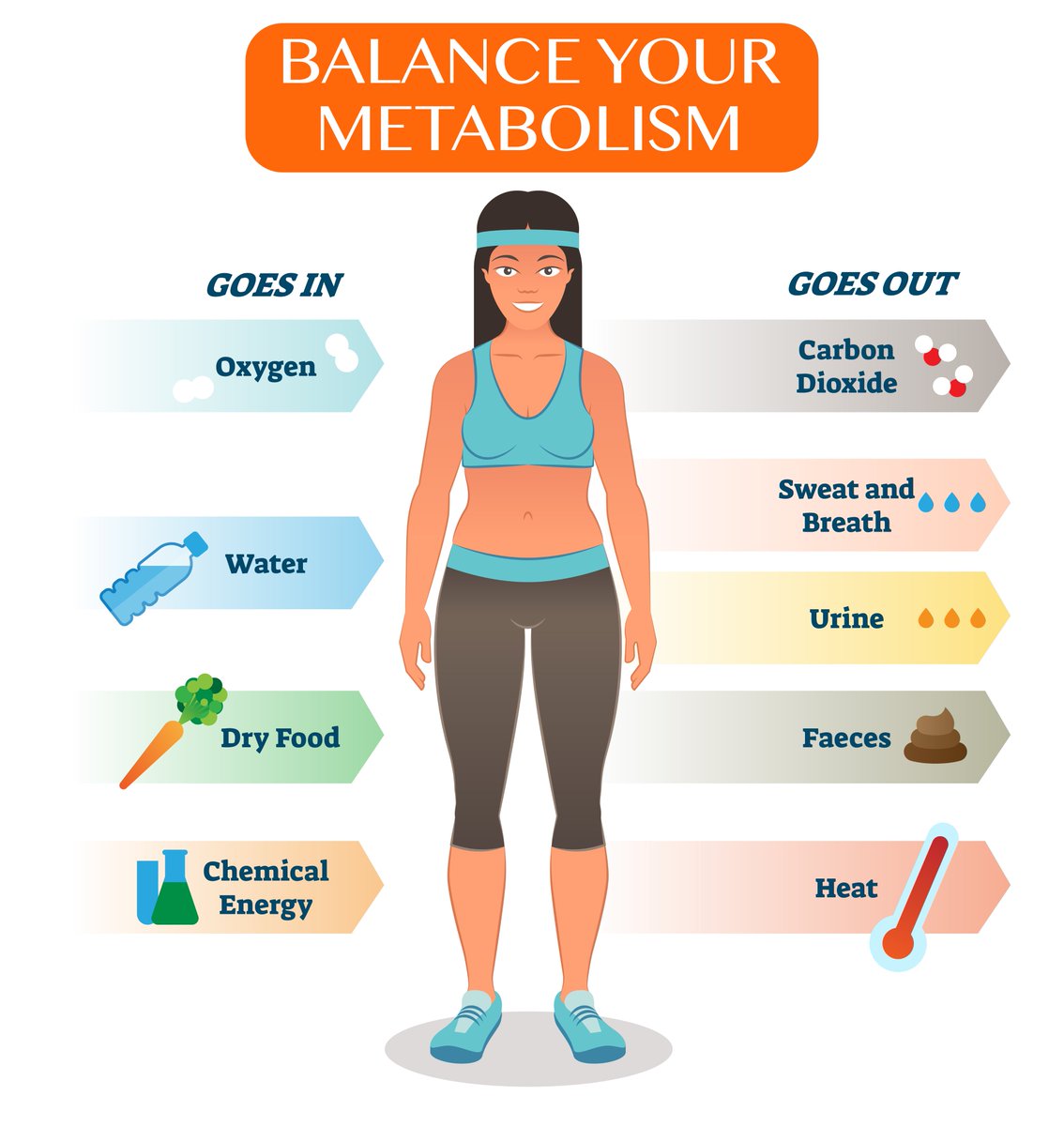
You can’t fix your metabolism by willing yourself to exercise and praying and hoping that someday you’ll be in shape. Rather, you must do the opposite. You must rest and repair. You must sleep, relax, and fix your metabolism with the right diet and supplements.
When your metabolism is not working efficiently, exercise fatigues and already overburdened system. Rather than improving metabolic function, it can often make it worse. In particular, it places a heavy burden on your adrenal glands—glands that are probably already exhausted.
For everyone else, the divide between wanting to eat less and actually managing to do it can be as wide as the Grand Canyon. If your metabolism is out of balance - as it is for 90 percent of the patients I see - calorie cutting and portion control will only make you hungrier.
“Weight loss is easy. Just eat less.” - Over the years, we must have said that to hundreds of patients, even though only a few were successful. We now know why. This conventional advice - eat less, exercise more - only works if your metabolism is in balance.
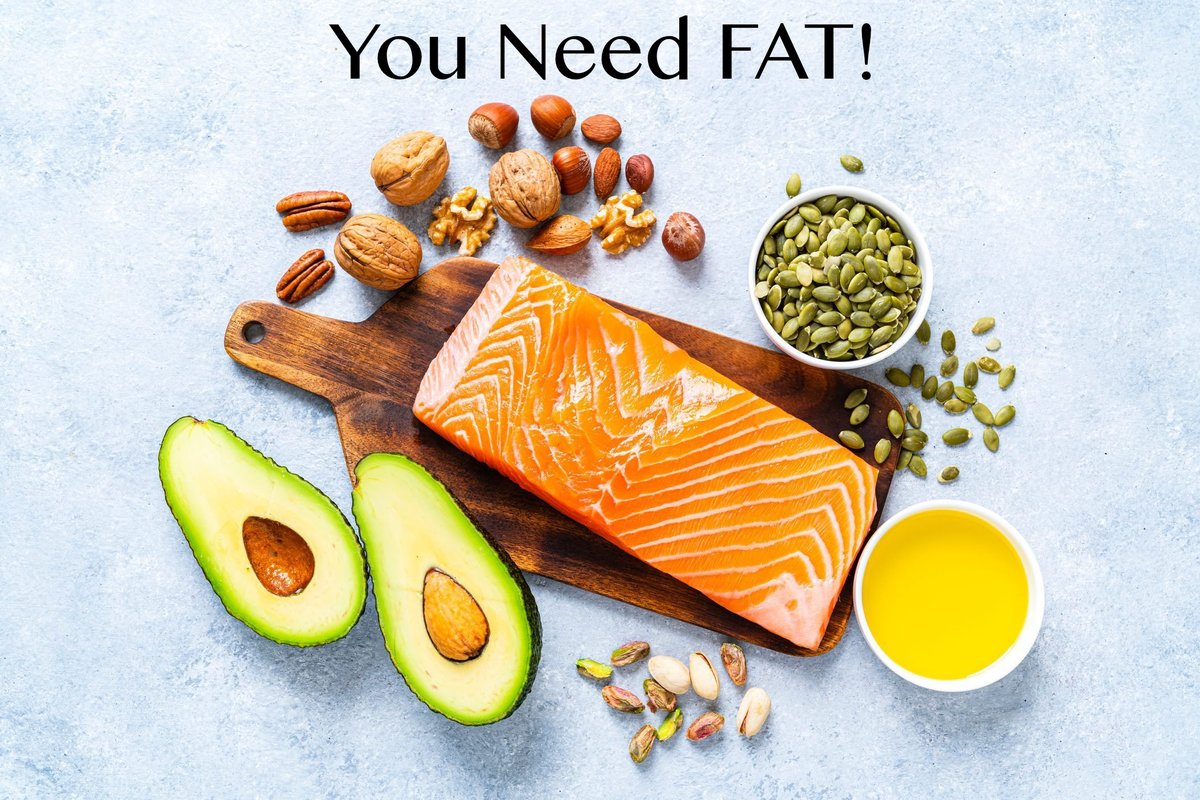
Healthy fat is essential for keeping you full and providing your body with energy so that you can stick with your low carb diet. One of the most common reasons people don’t stick with it is because they attempt low carb and low fat simultaneously, which is a recipe for disaster!
We all need some fat in our diet, but it's important to pay attention to the amount and type of fat we're eating. There are two main types of fat: saturated and unsaturated.
Too much saturated fat can increase the amount of cholesterol in the blood, which increases your risk of developing heart disease.
When going low-carb it’s important to not only reduce your intake of carbohydrates, but also be sure you’re replacing the carbs with healthy fat!