Stanford AI-Driven Leadership Facilitator | Architecting Knowledge Building Model for Sustainability Initiatives Execution with Impact | AI Strategy Advisor
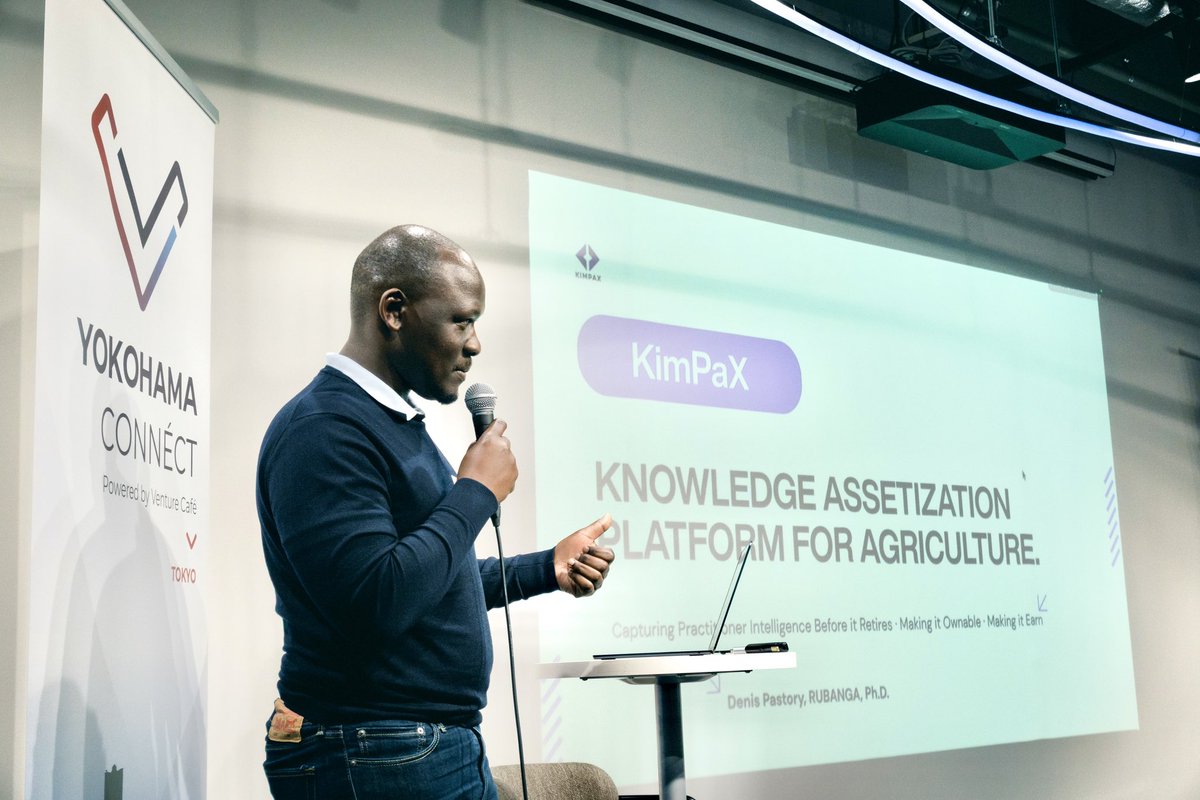
It has been a 20-year journey, and yesterday, we officially revealed the KimPax solution: KIC™ - Knowledge Assetization Platform.
We are building the first system to certify a Master’s judgment and turn it into a tradable, ownable asset.
Data is everywhere. Wisdom is vanishing
To capture value & gain competitive advantage
In Organisations, most AI don’t fail because the model is wrong.
They fail because human judgment gets flattened for scale.
Don’t as “Is the model accurate?”
instead question
"What knowledge did we leave out?”
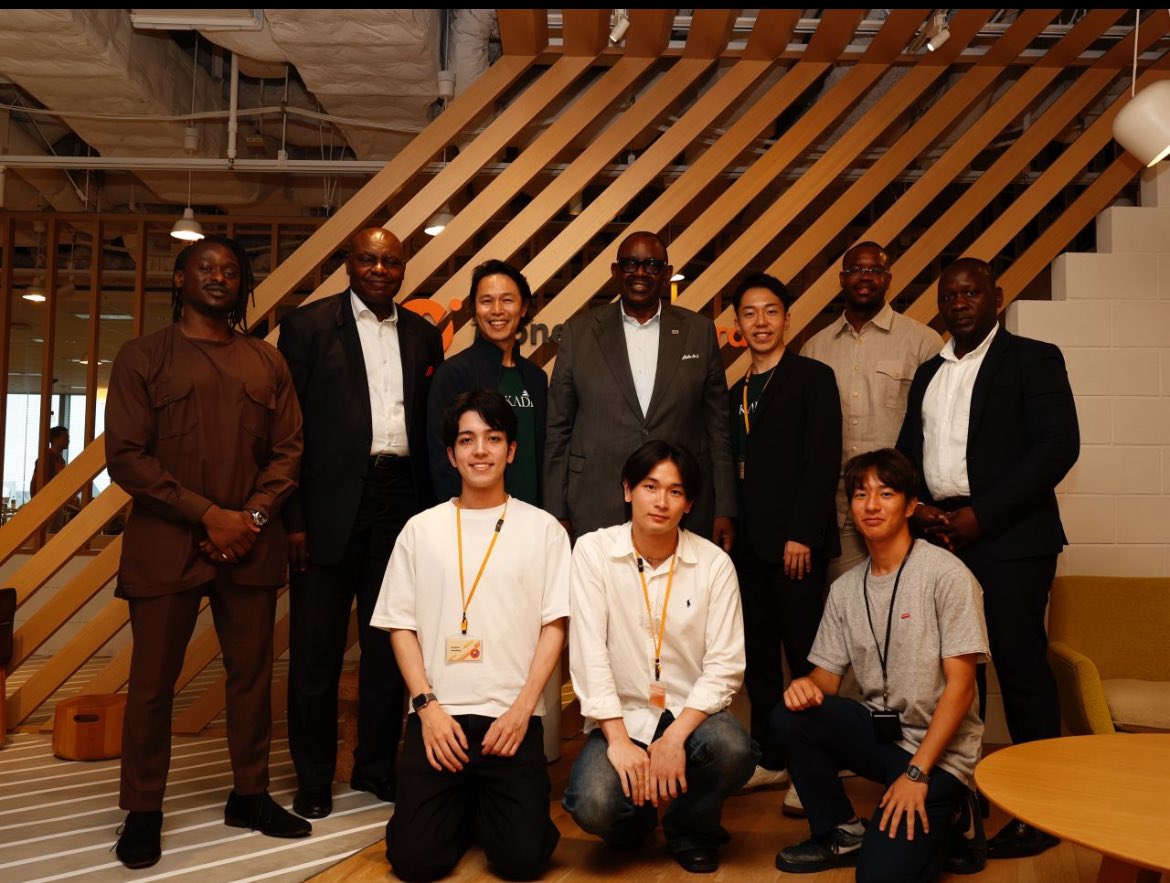
Early this month I met an experienced entrepreneur startup global market expert Kazumi Otani
Who well captured what we’re building at KimPax, a platform
- To capture & preserve traditional agricultural wisdom,
- Using tech to helps preserve the “human wisdom” that’s disappearing
Building a start-up in Japan, you need to sometime forge a way - let’s say being good at experimenting what works and building onto that. #tokyo#startup#business
Honored to participate in the TICAD 9 Symposium on
Educational Empowerment through Local-Global University Partnership
Organized by Showa Women's University -Prof. Akiko Imai, Tokyo University of Agriculture
targeting the Japan-Tanzania educational partnerships
This is fascinating. The implications for policy, and finding the Goldilocks equilibrium, seems both tremendous and fraught with pitfalls (although that’s policy making in general).
Welcome insights and discussion. Lots to unpack.
Here's my conversation with Yann LeCun (@ylecun) about AI, importance of open source, limits of LLMs, why AI doomers are wrong, and the path to AGI. This was a fun and fascinating technical conversation!
It's here on X in full, and is up on YouTube, Spotify, and everywhere else. Links in comment.
Timestamps:
0:00 - Introduction
2:18 - Limits of LLMs
13:54 - Bilingualism and thinking
17:46 - Video prediction
25:07 - JEPA (Joint-Embedding Predictive Architecture)
28:15 - JEPA vs LLMs
37:31 - DINO and I-JEPA
38:51 - V-JEPA
44:22 - Hierarchical planning
50:40 - Autoregressive LLMs
1:06:06 - AI hallucination
1:11:30 - Reasoning in AI
1:29:02 - Reinforcement learning
1:34:10 - Woke AI
1:43:48 - Open source
1:47:26 - AI and ideology
1:49:58 - Marc Andreesen
1:57:56 - Llama 3
2:04:20 - AGI
2:08:48 - AI doomers
2:24:38 - Joscha Bach
2:28:51 - Humanoid robots
2:38:00 - Hope for the future
We can accelerating sustainable initiatives through simple Tools Using Data-driven techniques
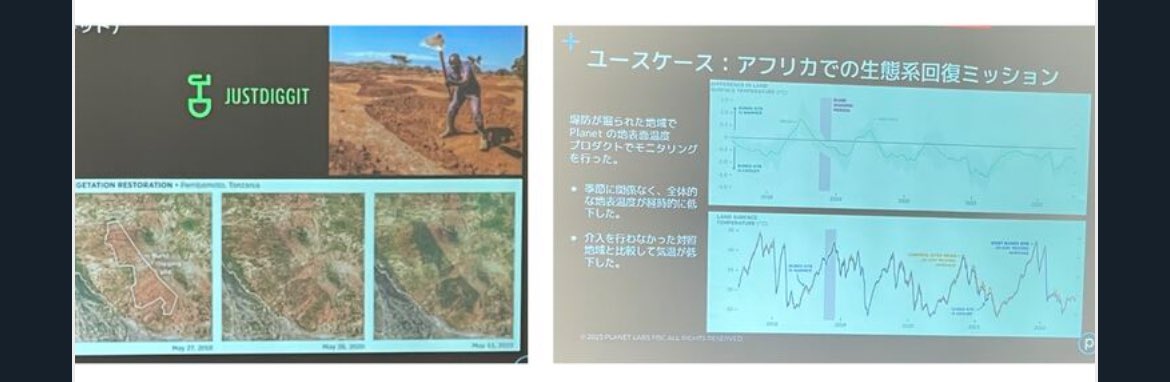
In a recent Planet workshop I attended, showcases the potential of imagery analysis for evaluating project impact.
Yes : traditional tools within our reach can drive impactful sustainability initiatives,
This evident use Case “Ecosystem Restoration Mission in Africa” by Justdiggit to supporting land restoration with easy-to-Use Shovels tools
Justdiggit empowers local farmers and pastoralists in Tanzania and Kenya with simple tools like shovels for their regreening project.
By digging dikes, these semi-circular holes capture rainwater, stimulating vegetation growth and lowering ground surface temperatures through transpiration.
With the Power of Imagery Analysis - Monitoring this initiative using Planet's ground surface temperature product revealed fascinating insights:
Results
- The surface temperature decreased over time, irrespective of the season.
- Temperatures showed a significant drop compared to control areas without intervention.
********
How can we empower local communities worldwide to embrace simple tools, for sustainable initiatives ?
Share your insights!
Workshop supported by amazing team from Planet Mariko Toda and Mayu Evans for
Image: Planet workshop
https://t.co/N2tEzPqDcJ
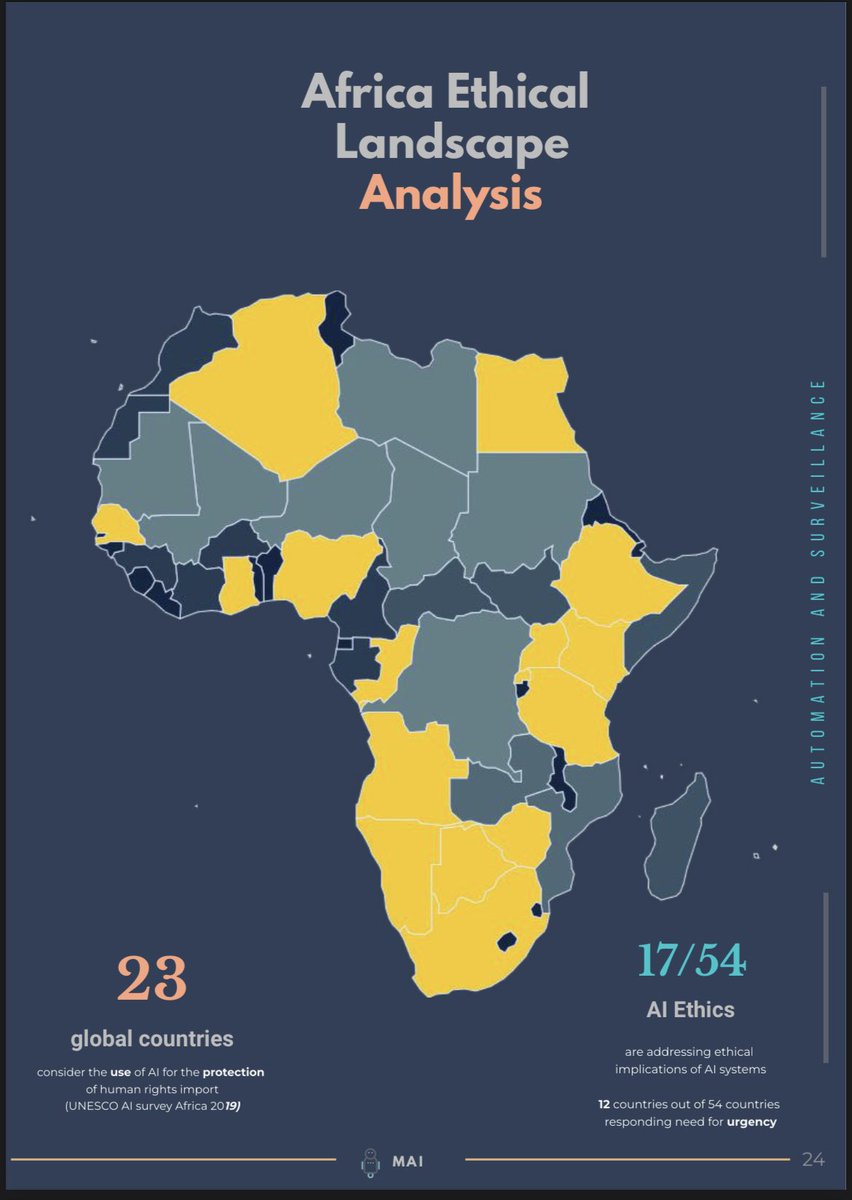
Are we sacrificing ethics for AI advancement in Africa?
Our Mankind Artificial Intelligence report, a chapter on the African ethical landscape analysis of AI systems found that only 17 out of 53 countries have taken steps to address the ethical implications of AI systems.
This visualization helps you to better understand the data we collected, which we believe will contribute to the ongoing conversation around the importance of ethics in AI development and deployment, particularly in Africa.
Our hope is that this report encourages policymakers and industry leaders to take a more proactive approach towards addressing the ethical implications of AI systems.
Interested to contribute reach out and
Find the full report here https://t.co/zEM8CAOhUs #ai #responsibleai #EmergingTech #HumanRights #theafricanwewant #mankindai
If you want to discover why OpenAI assembled these powerful tools so rapidly,
then you need to grasp the essence of a productive day or week and
how technology is dynamically transforming our lives,
becoming indispensable for crucial aspects.
Meet Alex [Not real name], a busy city dweller whose daily routine exemplifies the impact of technology on productivity and work-life balance. Using a suite of services like Expedia, FiscalNote, Instacart, KAYAK, Klarna Shopping, Milo Family AI, OpenTable, Speak, and Zapier, Alex weaves a perfect blend of efficiency, learning, and leisure.
👉 On Monday mornings, Alex turns to Expedia to plan upcoming business trips, seamlessly booking flights, accommodations, and intriguing sights for downtime. Using KAYAK to help compare prices, ensuring the best deals on travel and lodging.
👉 During the week, FiscalNote keeps Alex informed on critical legal, political, and regulatory updates, guaranteeing their company's compliance and readiness for risks or opportunities.
👉 During much-needed breaks, Alex orders groceries via Instacart and relies on Klarna Shopping to snag the best deals for personal and professional purchases.
👉 On Wednesday evenings, Alex attends Japanese language classes, mastering pronunciation and comprehension with Speak, their AI-powered tutor.
👉 To preserve a healthy work-life balance, Alex uses OpenTable for family outings at favorite local restaurants and Milo Family AI to transform 20 minutes of daily chaos into magical family moments.
👉 Lastly, Alex harnesses Zapier to automate tasks and streamline workflow, integrating apps like Google Sheets, Trello, and Salesforce.
In a city that never sleeps, these services harmoniously blend to create equilibrium in Alex's life, enabling smarter work, richer personal time, and the pursuit of knowledge and adventure.
This seamless integration of technology into Alex's life underscores the undeniable influence and importance of these services in our fast-paced, ever-evolving world.
Personal level story like Alex’s, when scaled to an organization that is data-driven, the impacts are phenomena. OpenAI recognized this need and promptly united them at plugins, crafting a one-stop solution for individuals seeking to optimize productivity and embrace the dynamism of modern living.
Yet, beneath this perfect tech-driven life for Alex, there are gray shades to consider.
❇ Is there an over-dependency on technology, and what potential consequences might it have for Alex?
How can we use technology to enhance our lives without letting it control us?
Alex is a city dweller, but can rural dwellers, like my sister, bridge the existing digital divide and ensure equal access for all? What roles should governments and the private sector play in achieving this equity?
The missing piece of data science related education/research is software engineering component.
Learn the following as much as you can if you’re in research/academics and want to see your models in production.
✅ cloud compute (AWS etc)
✅ Containerization - docker
✅ Real-time and/or stream processing(spark
✅ REST API frameworks (FastAPI, Flask etc
Bonus
- batch orchestration
- Relational/Non-relation databases
What did I miss, comment .
#softwareengineering #cloud #docker #research #datascience #aws