dRPC connects 186 networks for 3,000+ dApps. Need plug-and-play RPC? Try NodeCloud. Want full control with an open-source stack? Download the NodeCore stack.
Building crypto finance apps takes months of infrastructure work. Not anymore.
Today, dRPC is launching the Data and Wallet API.
Balances, DeFi positions, and historical PnL across 8,000+ protocols, 35 EVMs, and Solana, all in a single API call.
https://t.co/CqyJFcXh6s
An AI agent verifying a counterparty's wallet before a deal, or monitoring a treasury across chains, needs on-chain reads it can trust.
@dRPCorg delivers chain state, wallet balances and transaction history across 100+ networks. On AirnodeHub, every read is signed at the source.
⚡ 100+ hackathons in and apparently coding speed isn’t the only thing dRPC’s 100 Hackathon Man likes to compete on.
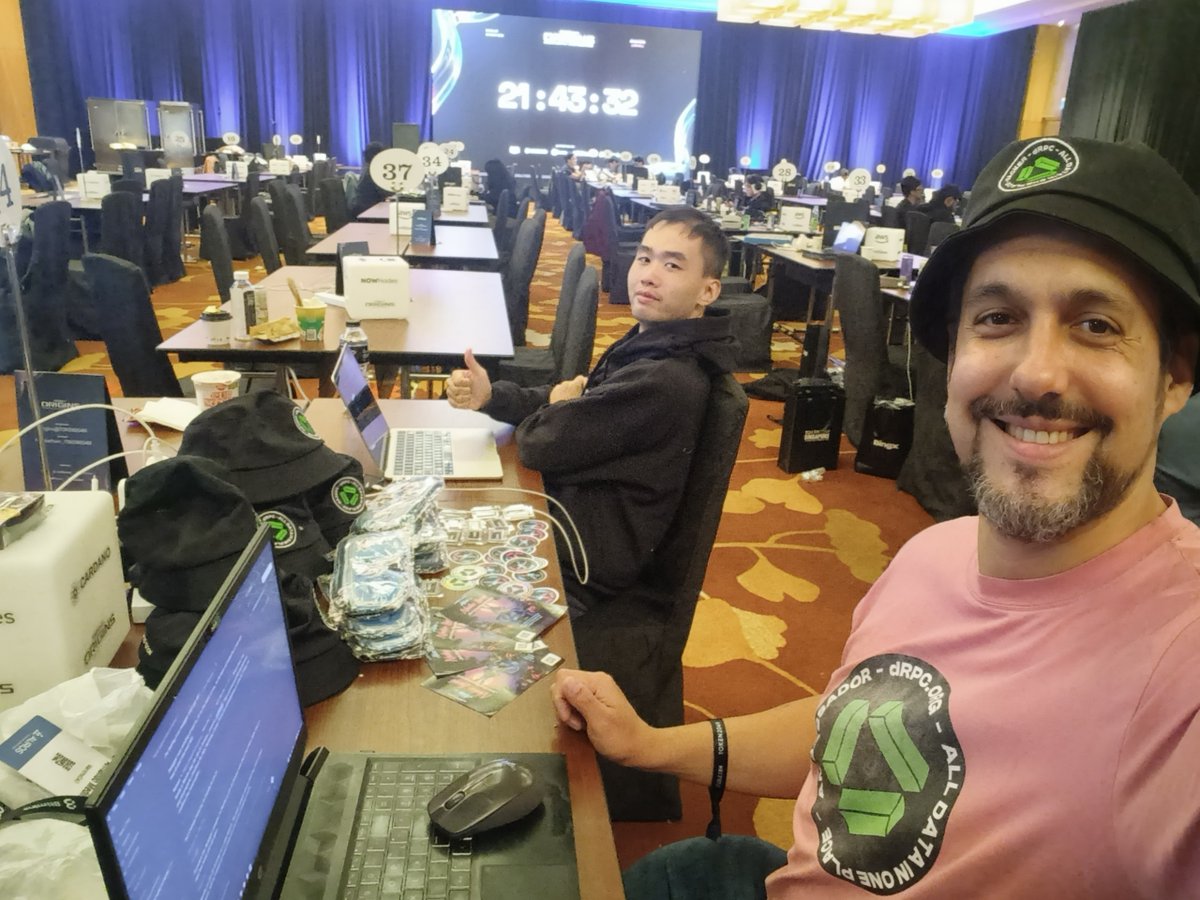
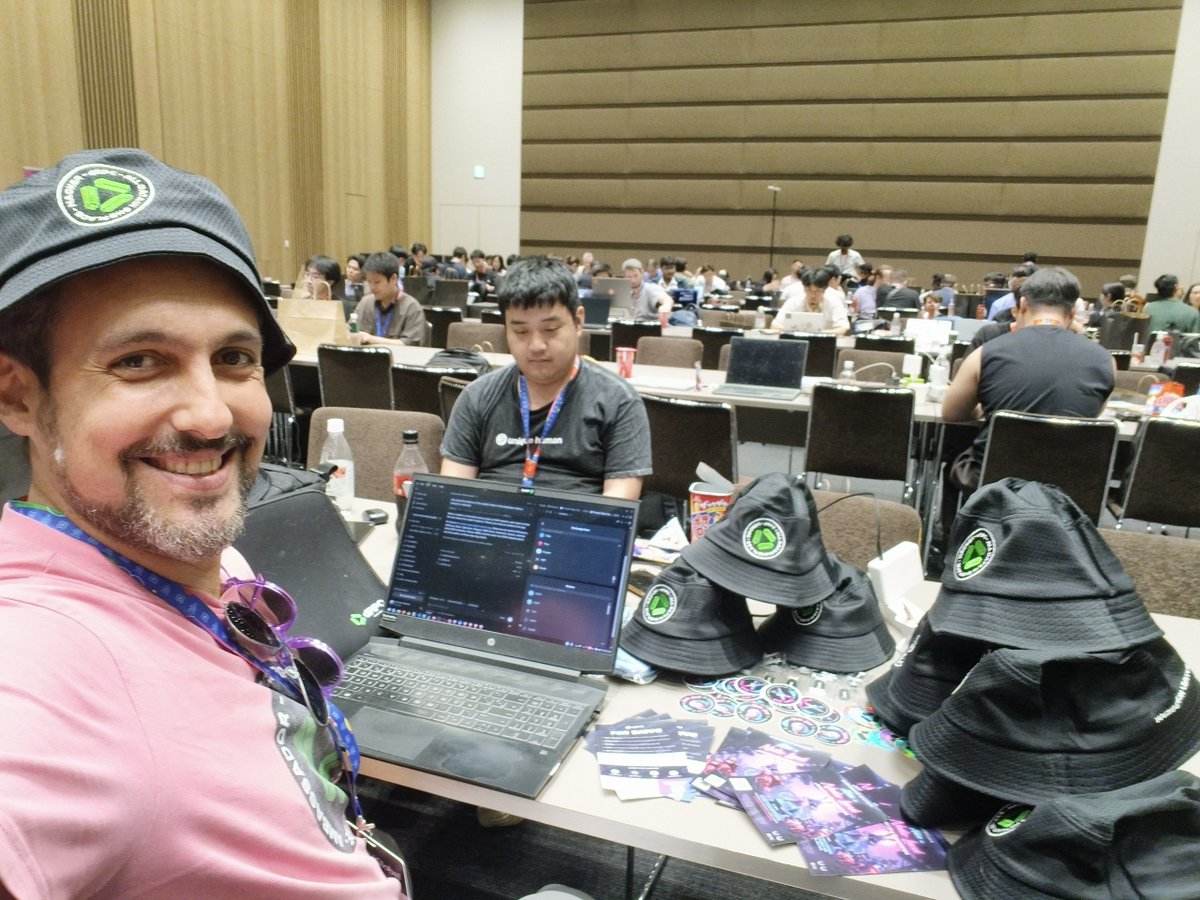
Armando is at the Origins Hackathon at @TOKEN2049 Singapore, sponsored by @Cardano, @solana, and @chainlink, hacking, helping builders with their RPC infra, and making his mark on the Strike Speed leaderboard. 🥊
Building this weekend? Find @armsves for instant access to 220+ networks with NodeCloud, your own open-source, self-hosted RPC setup with NodeCore, or a few hard-earned tips from 100+ hackathons.
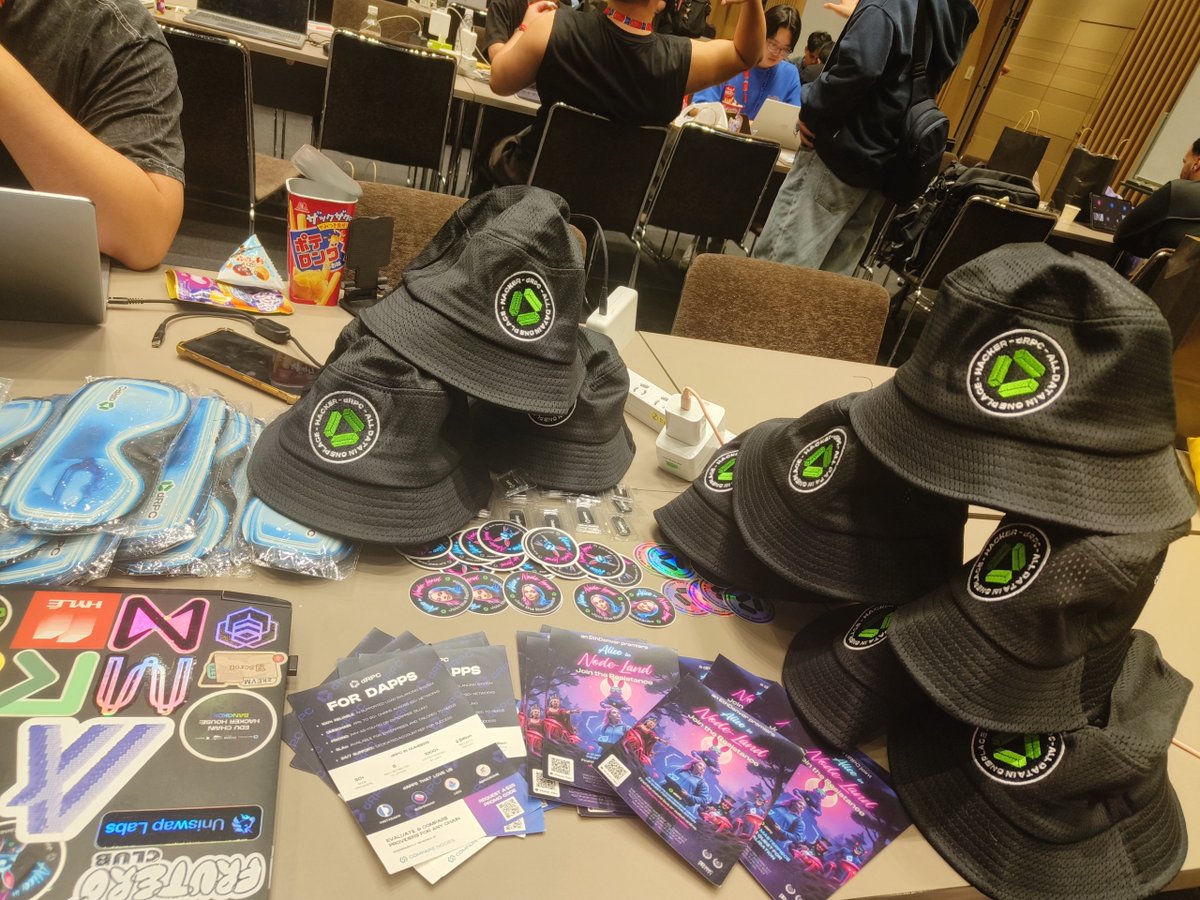
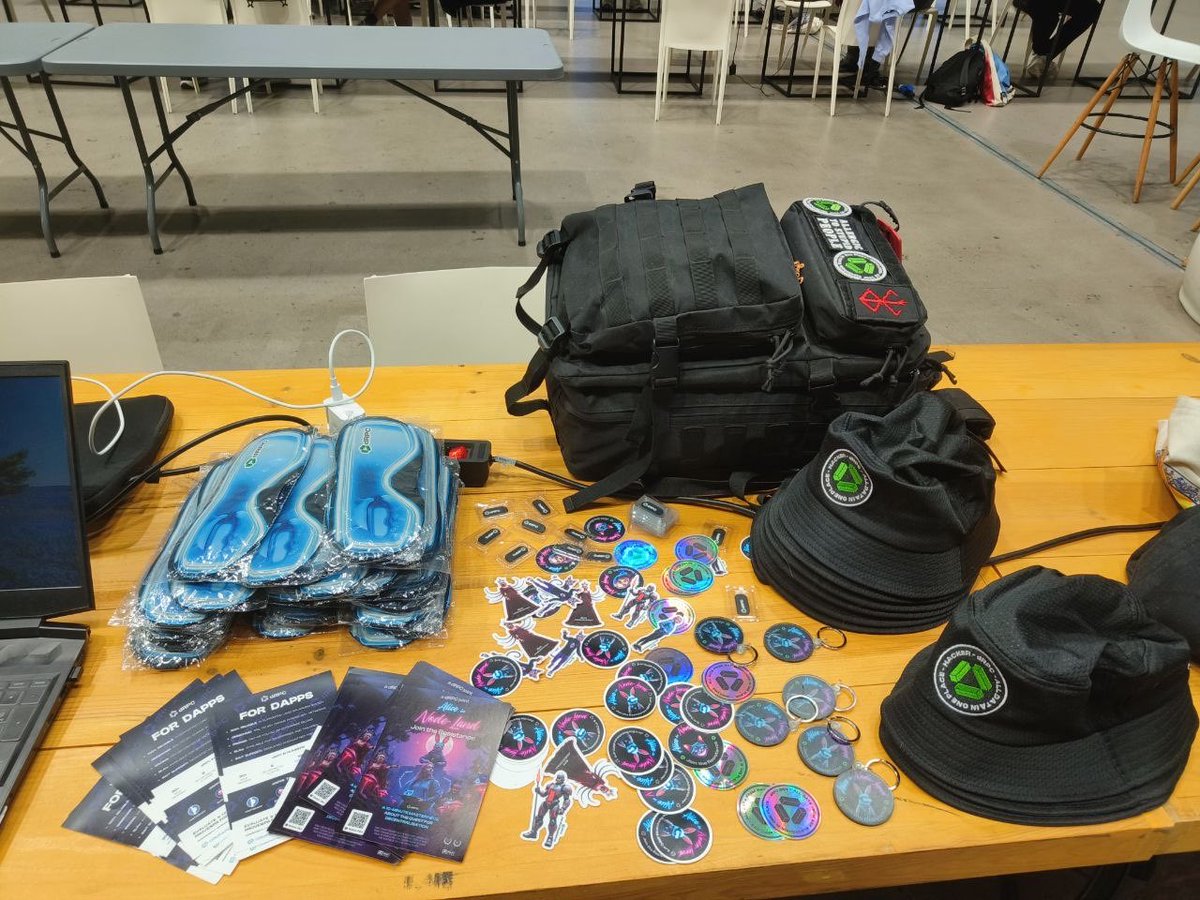
And the essentials are covered: “Don’t talk to me” bucket hats, “Coding in my head” sleep masks, and “Don’t peep on me” webcam covers included.
Now back to climbing that leaderboard. 👀
#TOKEN2049Origins
🇯🇵 100 Hackathon Man、ついにラスボス・東京へ。 🗼
Armandoが@ETHGlobal Tokyoに参戦中!ハッカー、開発途中のプロジェクト、大量のカフェイン、そしてなぜか午前3時に突然現れる問題たち。100以上のハッカソンを経験してきた彼にとって、まさにいつもの場所です。
ハックにRPCインフラが必要なら、@armsves を探してみてください。NodeCloudなら220以上のネットワークにすぐ接続。オープンソース&セルフホスト型のNodeCoreなら、自分だけのRPCインフラも構築できます。もちろん、100以上のハッカソンで培った攻略のコツもぜひ聞いてみてください。
そして、ハッカーのサバイバルギアも東京に到着済み。「Don’t talk to me」バケットハット、「Coding in my head」アイマスク、「Don’t peep on me」ウェブカメラカバーもあります。😎
東京のハッカーのみなさん、頑張って!🇯🇵
•••
🗼 100 Hackathon Man has reached the final boss: Tokyo.
Armando is at @ETHGlobal Tokyo for another weekend in his natural habitat: surrounded by hackers, half-finished projects, questionable amounts of caffeine, and problems that somehow only appear at 3am.
Need RPC infra for your hack? Find @armsves to connect instantly to 220+ networks with NodeCloud, build your own self-hosted setup with NodeCore, or just steal a few tips from 100+ hackathons.
And yes, the hacker survival gear made it to Tokyo too: “Don’t talk to me” bucket hats, “Coding in my head” sleep masks, and “Don’t peep on me” webcam covers included. 😎
Good luck, Tokyo hackers! 🇯🇵
Arc 🤝 dRPC
dRPC is live on Arc from day one.
What it unlocks:
→ Instant RPC access to Arc Mainnet through NodeCloud, or self-hosted access through NodeCore
→ Reliable infra for payments, FX, and agentic economic activity on Arc, built on stablecoins as gas, starting with USDC
→ One more dependable access point for the builders and institutions already running on Arc
Build on Arc: https://t.co/m9JEUTLwSY
dRPC Chainlist: https://t.co/Dw8QWphDjI
@Arc
Benchmarks say #1. Users say “my go to.” 👀
We’ll take that.
Thanks @CompareNodes for putting Polygon RPC endpoints to the test and @biggy_kta for making our day 💜
🪒 No disguise this time. dRPC’s 100 Hackathon Man has even shaved for the occasion.
Armando is at CryptoCanal’s ETHDam for the CommonS3nse and Tesera hackathon, fully visible and ready for another weekend of hacking, NodeCore & RPC talk, and sharing the tips and tricks collected over 100+ hackathons.
Hacking this weekend? Find @armsves for NodeCore help, RPC tips, or some hacker survival gear to keep you going.
Amsterdam, he cleaned up for you. 🇳🇱
Five developments, four regions, one month.
Full breakdown for custodians, ETF issuers, treasury teams, staking product managers, and validator risk committees.
🔗 https://t.co/6YmLpm5xqZ
��� The European Commission's MiCA review consultation closed on August 31. Responses feed into statutory reports defining MiCA 2 coverage of DeFi, NFTs, and algorithmic stablecoins.
Why does it matter?
The central regulatory question in the consultation is whether non-custodial protocols and validator infrastructure are regulated entities or excluded software. How the EU resolves it will determine whether non-custodial staking infrastructure providers face registration requirements across all 27 EU member states.
🥸 Apparently, dRPC’s 100 Hackathon Man gave out a few too many tips & tricks at the last hackathon in Belgrade. So for @ethbelgrade, Armando has decided to go a little undercover.
The disguise might fool you. The hacker survival gear probably won’t.
If you manage to spot @armsves at the hackathon, come say hi for NodeCore and RPC talk, some survival swag, and a few hard-earned hacks from 100+ hackathons.
Just don’t blow his cover. 🤫
⚡ Hackathon hacks? Ready. Hacker survival gear? Deployed. dRPC’s 100 Hackathon Man is on the ground at @monad Blitz Belgrade.
Armando is joining the hackathon with other @monad_dev this weekend, putting his 100+ hackathons of experience back to work while helping builders get the most out of their infra.
Find @armsves around the venue for NodeCore tips, RPC talk, survival swag, or that one hackathon trick you wish you’d known six hours earlier.
Happy hacking, Belgrade! 🇷🇸
🧃 Every great hackathon starts with two things: clever hacks and proper hacker survival gear. Armando has both packed for EthGlobal Lisbon.
dRPC’s 100 Hackathon Man is heading to Lisbon to join the hackathon, armed with NodeCore knowledge, a bag full of survival swag, and enough hackathon experience to help you get unstuck when the clock is against you.
If you see @armsves, stop by for infrastructure tips, NodeCore guidance, or just to talk through your project. He’s always happy to help fellow builders.
Good luck to everyone hacking this weekend. See you at EthGlobal Lisbon! 🇵🇹🚀 @dRPCorg