How does #pollution (air, noise, light) influence #pollination? 🐝🌼 In our meta-analysis of 58 papers @SoleneGuenat found
Negative impacts of air pollution
No effect of light pollution
Limited evidence for noise pollution
https://t.co/EQlO4DCGTT
@DRUID_Project@SelfRepairCity
Glad to see this out. Great work team and well led by @roboyd91. Fingers crossed this approach becomes widely adopted in biodiversity research. It’s about time we caught up with the risk-of-bias assessments seen in other areas of research. @UK_CEH@DRUID_Project@BESMacroecol
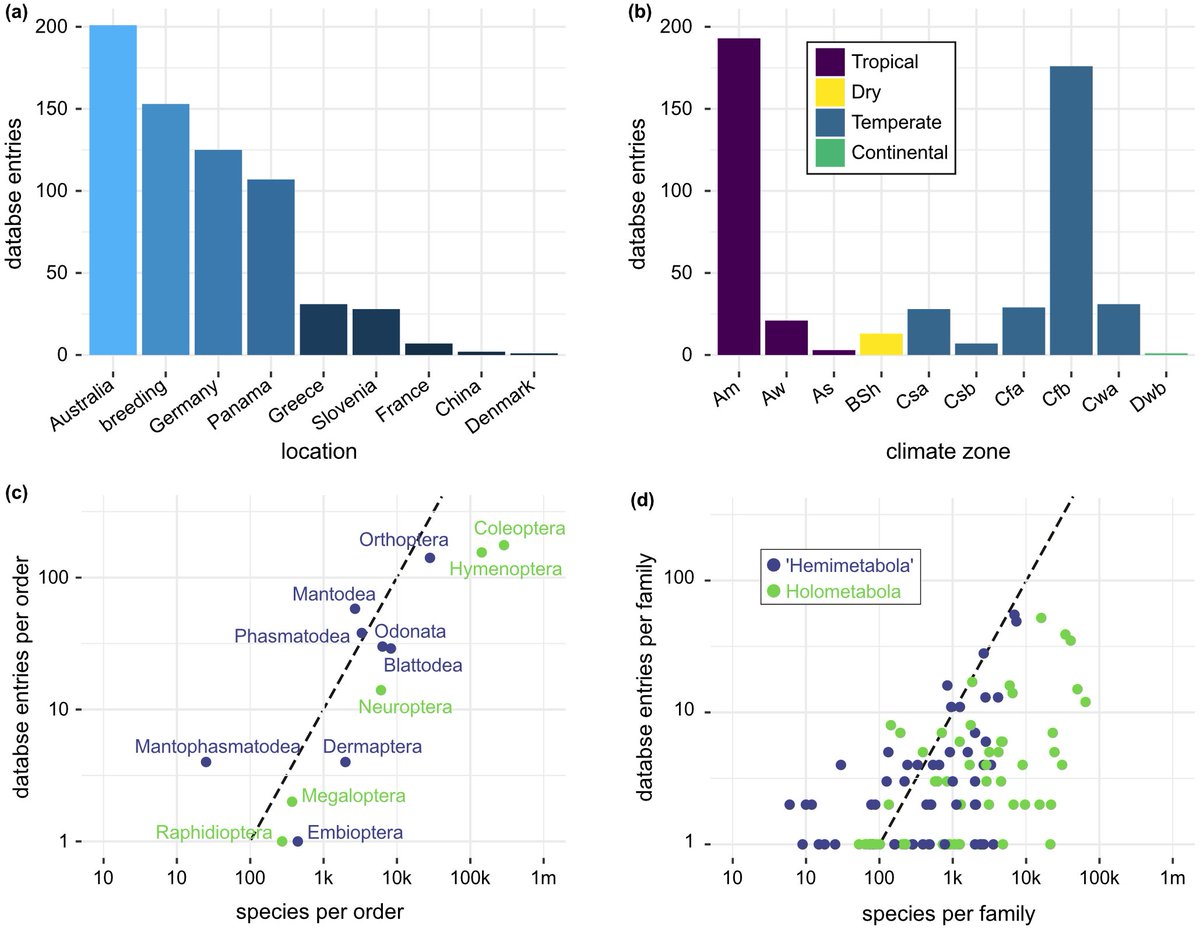
Lots of fieldwork and bitten fingers lead to bite force data of 654 insect species from more than 100 families and 13 orders! Big thanks to the team: @EdelCarina_, M Frenzel & A Blanke @BlankeLab! Excited to get feedback on the preprint @biorxivpreprint: https://t.co/S2ahaW6Xno
In 2021, using molecular data and several #fossil taxa, Kohli et al found that #Odonata and extinct relatives date back to Permian period ~ 250 million years ago. The modern day #dragonflies and #damselflies originated in Triassic. Read more -> https://t.co/rbWo4ewmWC #Scicomm
Bill Kunin from @UniversityLeeds is summarising what we know (and don't know) about the geographic and taxonomic extent of insect declines. He notes two new research projects attepting to calibrate trends and map them to drivers - DRUID and GLiTRS #InvertebrateConference
📢 Calling all butterfly and moth photographers! 📢
You could see your butterfly or moth photograph take pride of place on our Facebook page in our new monthly Cover Photo Contest!
We are hiring a postdoc in tropical forest ecology/the spatial ecology of tree-insect interactions. Please spread the word!
Postdoctoral Research Associate in Tropical Forest Ecology - University of Reading https://t.co/QlNjAfLark
A momentous day for me - today I start as Head of Environmental Digital Strategy at @UK_CEH - really excited by the new challenges and terrific opportunities offered by this role.
We have an excellent opportunity for a part-time conservation officer to deliver our @BuzzingDevon project carrying out advisory visits to farmers & other land managers to support bumblebees 🐝
Closing date 16 Jan 👉 https://t.co/CUc5Gbg09c
#ConservationCareer@ConservationJob
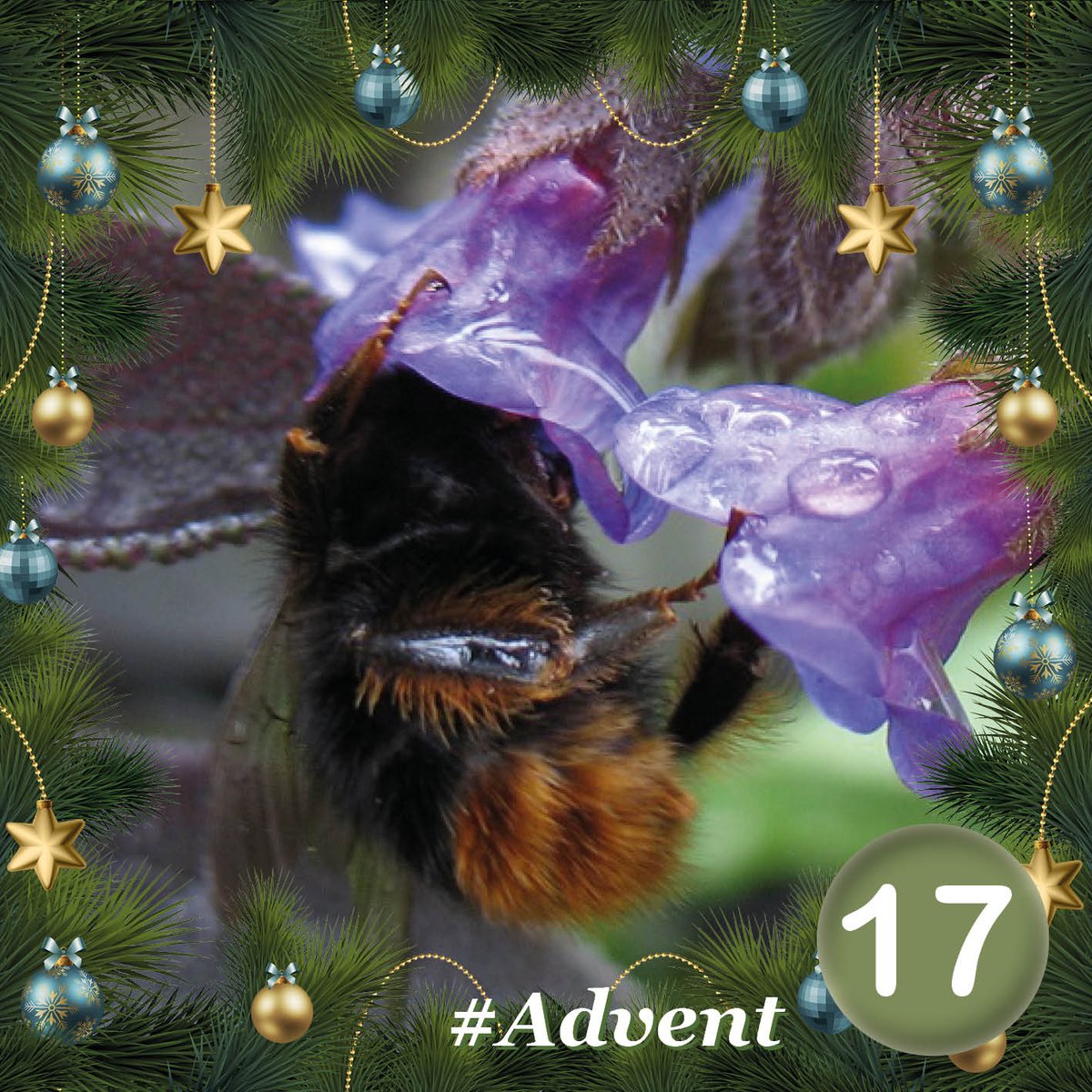
The Red-shanked carder bee (Bombus ruderarius) has an orangey-red tail & red hairs on its hind legs! ❤ This species has suffered a drastic decline & is now one of the UK's rarest bumblebees. Found mainly in south & central England, south Wales & the Inner Hebrides. #BeeAdvent
Indigenous entomologists! We need you! We are putting together a "working group" of faculty, postdocs, students (grad/undergrad) of Indigenous entomologists. Please let me know who you are or tag someone we should know about (or DM me). Please RT