In Daoist astral magic, you can deceive a planet by making a figurine of yourself and dressing it in your clothes. During the night, you continually call out your name to it and then have someone reveal the image with torchlight. Whatever sort of baneful influence affecting you from the planet is transferred onto the figurine. This is very different from the Picatrix; it doesn't imagine the planets are gullible or suspectable to deceit. Picatrix partly inherited a Neoplatonic cosmology in which the planets are archons (rulers). Spirits (daimons) act as intermediaries between the celestial spheres and earth. The Chinese materials that were translated (apparently from Sogdian) treat the planetary gods in a more generally polytheistic way: they are not omniscient, and you can negotiate with them, but you can also evade or deceive them.
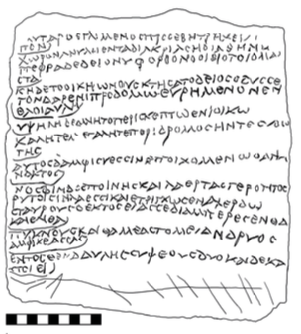
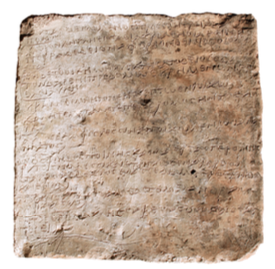
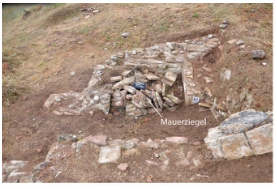
Nolan's Odyssey is trending, so I look to the most remarkable Odyssey connected recent archaeological find: a Roman clay brick found in 2018 at the necropolis of ancient Olympia (Peloponnese) dating around 200 CE, its surface inscribed with the first 13 verses of Odyssey Book 14!
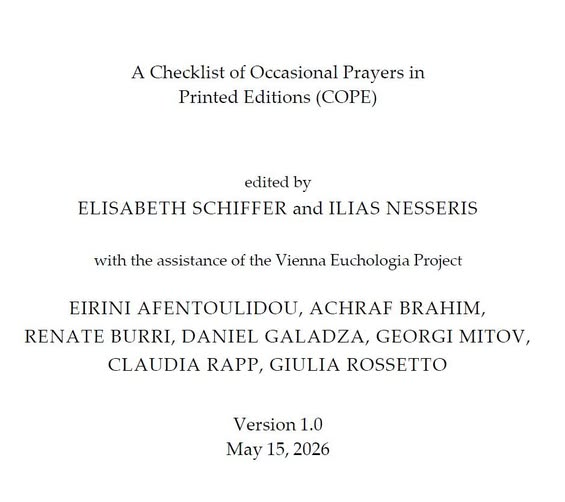
The 'Checklist of Occasional Prayers in Printed Editions' is out! Hope that this publication by the Vienna Euchologia Project will facilitate everyone working with mediaeval Greek prayer books.
#Byzantium
Spring brought more daylight and Cosmopoet's second guest author, fellow stargazer 🤩💫and skywalker 🌌👣: Davide Massimo is this month's Cosmopoet, and he brings us an example of an epigram concerned with the 'image of the sky'. 🌠Check his guest thread: https://t.co/ifsYjYQFHF
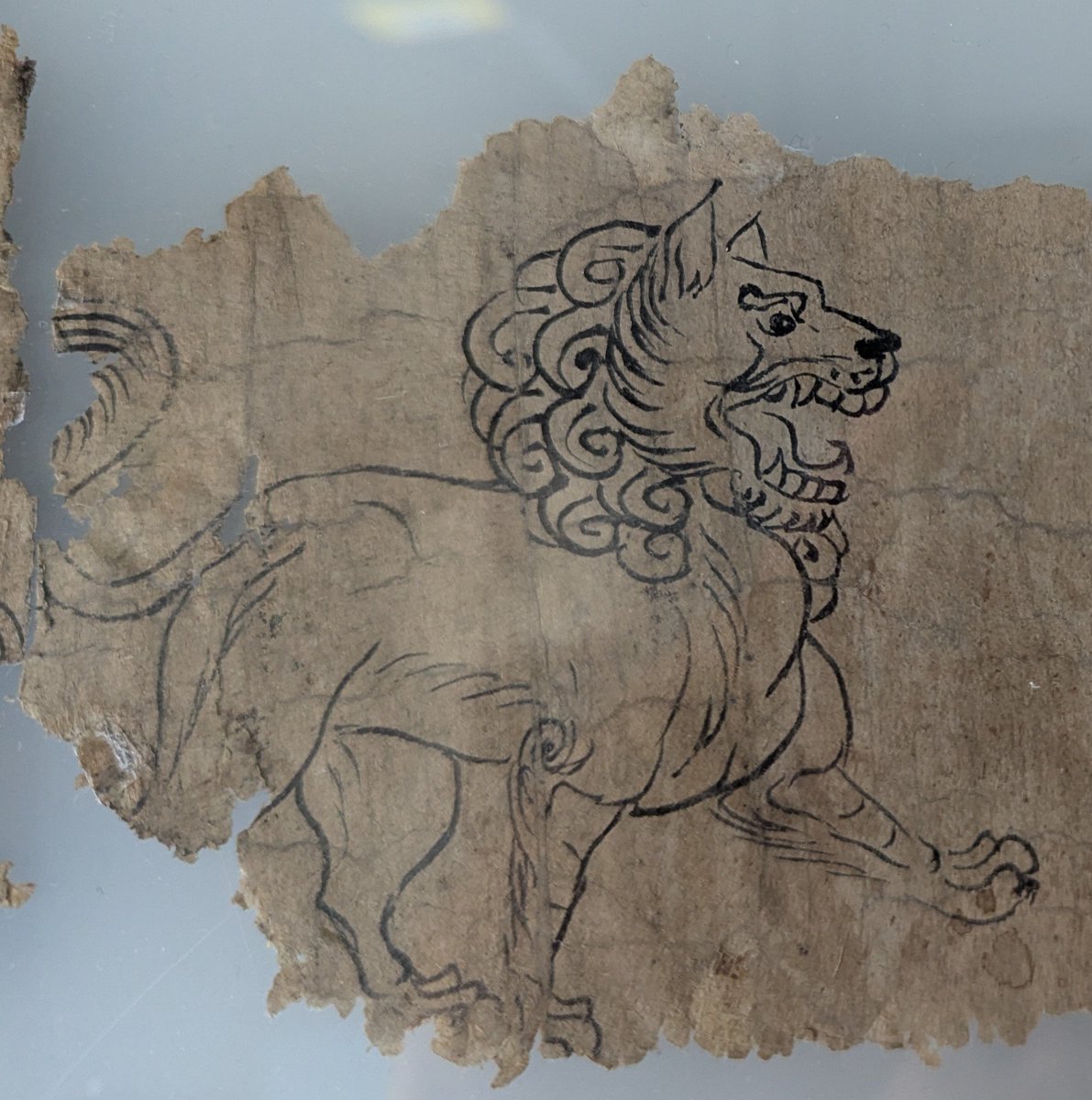
Examining an astrological scroll (III 520) from Turfan, 9th century. Museum für Asiatische Kunst, Humboldt Forum. Several researchers are taking an interest in this object!
We are honored to see the project featuring so prominently in this discussion of A. Tunç Şen's (a member of our research team) magnificent book on astrology:
New Book Forgotten Experts and Grant-Funded Project "GHOST"
https://t.co/8wf8rEn2Al
@RoamingWords Well, I guess you know that the "what" is a "what" as opposed to a "who" and from there you go about life pointing at things and saying "that is the what I was looking for". 🧐 🤷🏻♀️
🧵This is a piece very dear to my heart - a short piece, but I think important. I know of no other "historiography" of the history of science studies within #Byzantine Studies: https://t.co/OkChu0GHWD
Together with the Oxford Bibliography of Byzantine Science (DOI: 10.1093/obo/9780195396584-0338) and the Zotero Byzantine Science bibliography (https://t.co/5Ah5U7tuCP) I hope it will serve anyone interested in including Byzantium in their teaching or research.
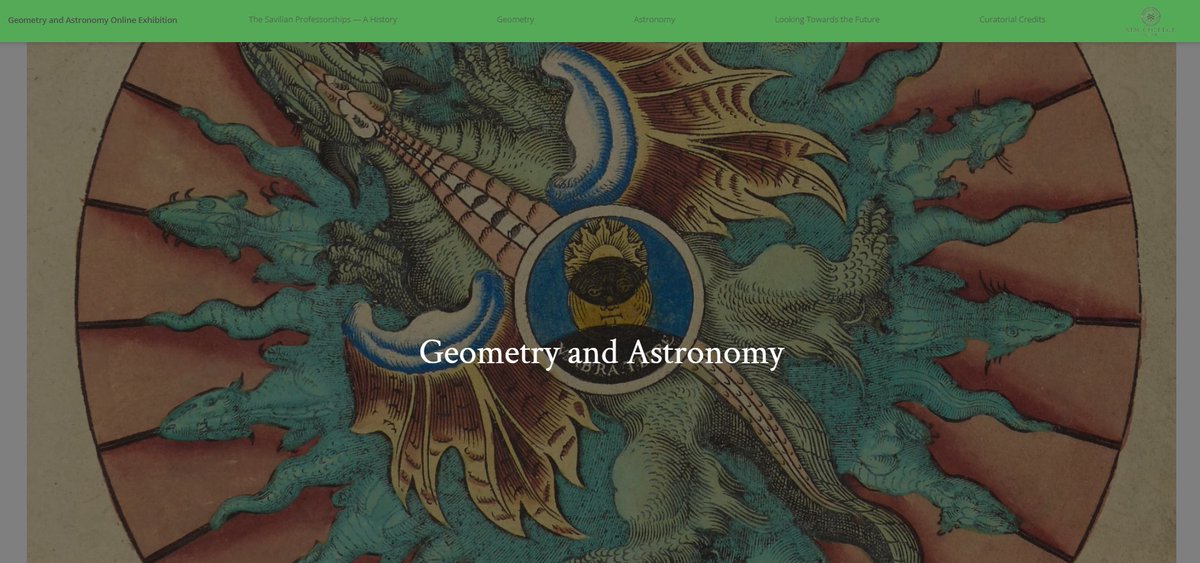
🎺An exciting announcement for a new term—our latest online exhibition is now live! 🎺
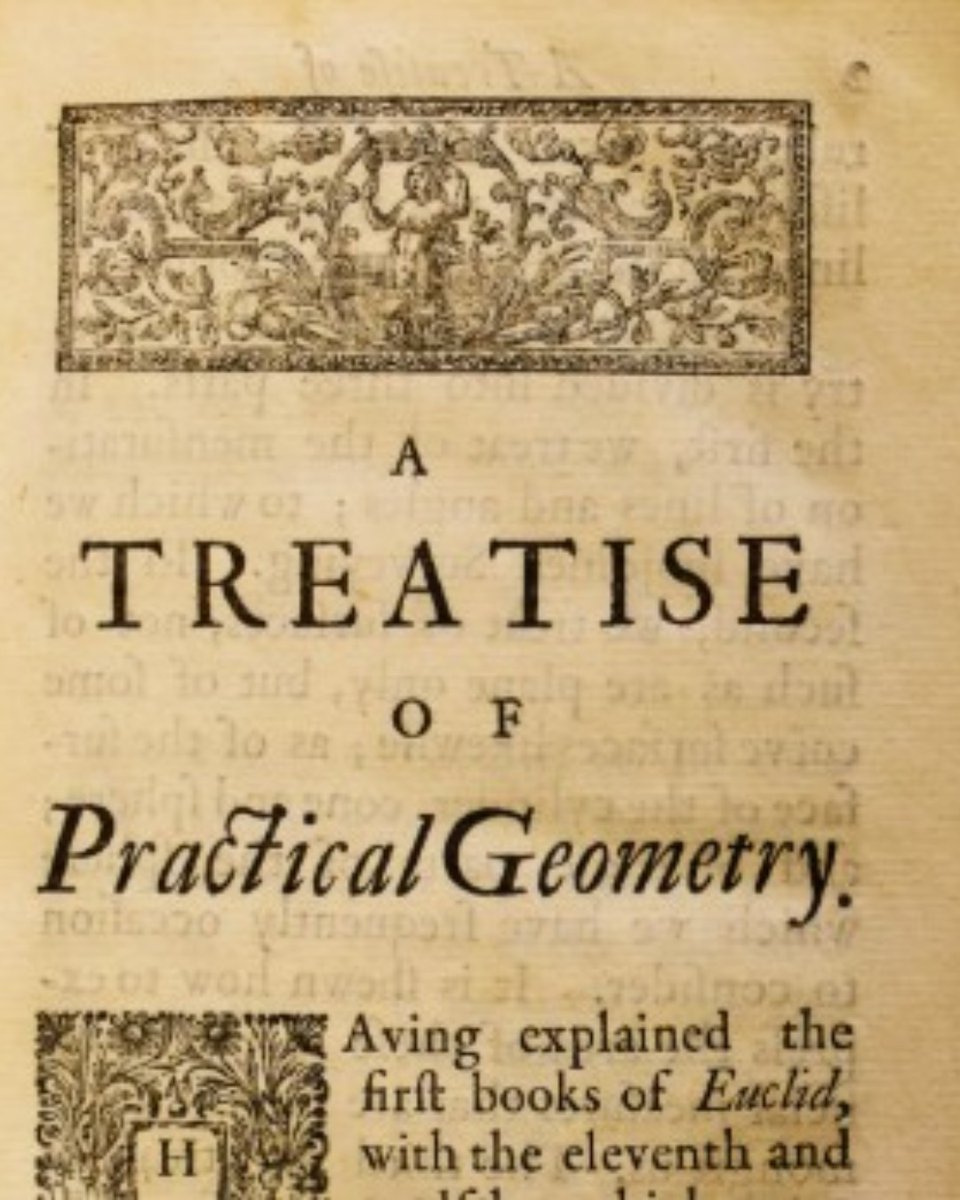
In ‘Geometry and Astronomy’, we explore the fascinating history of both subjects at New College, with the help of our fabulous special collections ☺️. Check it out 👇
https://t.co/zCXT3r5GNq
🗺️ Workshop: Texts in Historical Maps, Diagrams, and Illustrations
📅 When: Dec 13, 2024
📍 Where: Observatoire de Paris, Salle du Levant
🔗 Details: https://t.co/0YLOzYQ1qI
As part of the Thematic semester DH and AI and with the support of the AISSAI #DigitalHumanities#AI
A CfP that may intrigue the astronomically-minded: Call for Papers: INSAP XIII: Celestial Connections Across Time and Space
(Queen’s University Belfast, 8-13 June 2025) https://t.co/nJLA4ZNpao